






 Philippines
National
'Will Palace support bills suspending VAT?' Legarda urges Malacañang to clarify stand
Philippines
National
'Will Palace support bills suspending VAT?' Legarda urges Malacañang to clarify stand
'Will Palace support bills suspending VAT?' Legarda urges Malacañang to clarify stand


At A Glance
- Senator Loren Legarda has called on Malacañang to take a clear stand on the suspension of value-added tax (VAT) on fuel, noting that there are now many pending bills filed to suspend it but there is still no word of assurance from the Palace up until now.
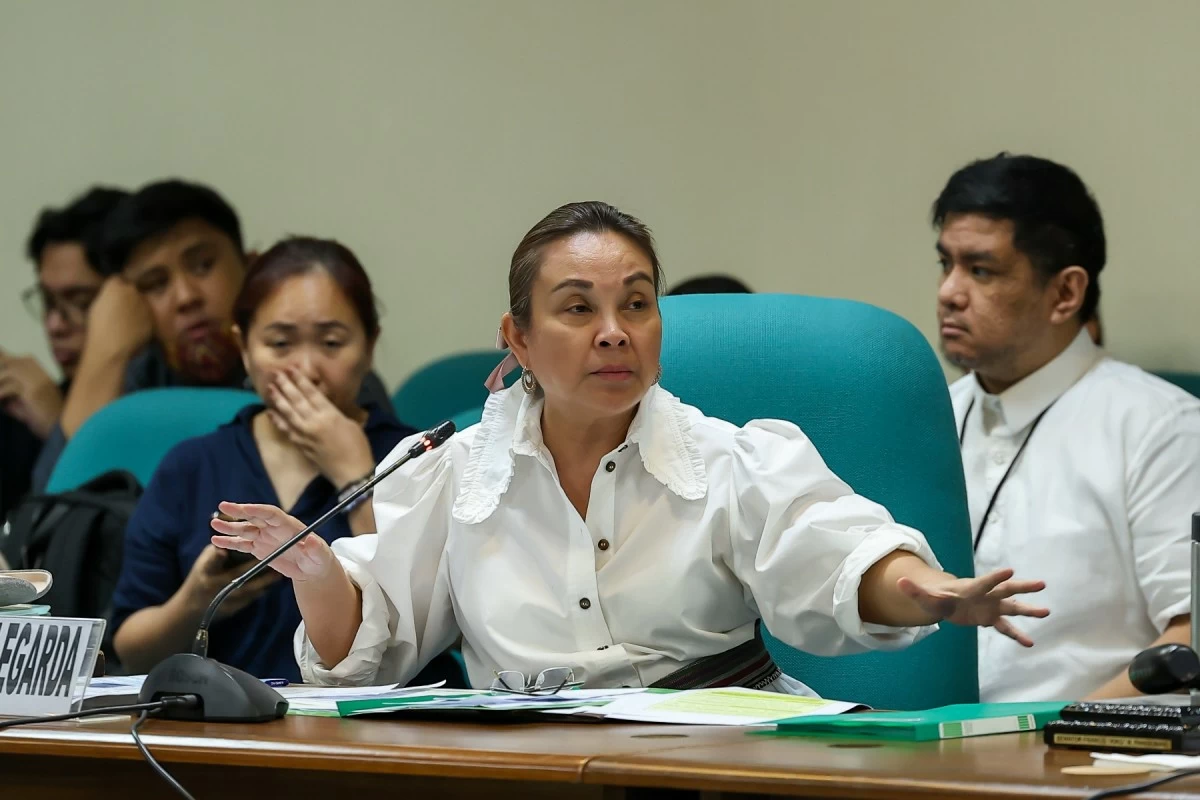
Senator Loren Legarda has called on Malacañang to take a clear stand on the suspension of value-added tax (VAT) on fuel, noting that there are now many pending bills filed to suspend it but there is still no word of assurance from the Palace yet.
On Wednesday, April 15, Legarda filed Senate Bill No. 2043, a temporary measure authorizing the suspension or reduction of VAT on fuel.
She earlier filed Senate Bill No. 1942 which proposed the suspension or reduction of both excise tax and VAT on fuel, but the said measure was already taken into consideration in the passage of Republic Act No. 12316, which ultimately covered only the excise tax.
“Hindi pwedeng sabihin ng Malacañang na walang batas. Nag-file na ako noon at nag-refile pa ako ulit ngayon, para wala nang dahilan. Ang tanong ngayon: susuportahan nyo ba? I-cecertify nyo ba na urgent? Kung hindi, malinaw na hindi ito prayoridad at ang gusto ng gobyerno ay tuloy-tuloy na buwisan ang krisis (Malacañang cannot say that there is no law. I filed before and I re-filed again now, so there is no reason. The question now is: will you support it? Will you certify it as urgent? If not, it is clear that this is not a priority and that the government wants to continue to tax the crisis),” Legarda pointed out.
Legarda warned Malacañang about shifting the responsibility to Congress after shaping the earlier legislative direction.
“Huwag ninyo ipasa sa Kongreso ang problema. Noong deliberasyon, malinaw na may mga panukala na sa VAT, pero ang itinulak ninyo ay excise dahil una, mas madali daw ito iimplement at pangalawa, agad din daw itong ipapatupad (Don’t pass the problem to Congress. During the deliberations, it was clear that there were already proposals on VAT, but what you pushed was (suspension of) excise (tax) because first, it was easier to implement and second, it was supposed to be implemented immediately),” the senator recalled.
“Nirespeto namin ang hiling ng Ehekutibo dahil sila ang nakakakita ng datos. Eh hanggang ngayon puro pa din usap, kumbaga sa libro, death-by-meeting, tapos ngayon sasabihin ninyo na walang batas (We respected the Executive’s request because they are the ones who see the data. Up until now, it has been all talk, as in the book, death-by-meeting, and now you say there is no law)?” she asked.
“This administration has an ‘urgency’ and crisis communication problem,” she lamented.
During the second hearing of the Senate Proactive Response and Oversight for Timely and Effective Crisis Strategy (PROTECT) Committee, Legarda noted that oil industry players themselves confirmed that a VAT suspension is both feasible and implementable.
She stressed that relief should be delivered immediately through lower prices, not delayed through subsidy programs.
“Kung ibababa mo ang buwis, diretso ang epekto sa presyo. Kung ayuda, dadaan pa sa buong proseso, verification, distribution, matagal. Hindi dapat pinapadaan sa mabagal na sistema ang agarang tulong na puwedeng direkta sa presyo ng petrolyo (If you lower taxes, the impact on prices will be direct. If it's aid, it will still go through the entire process, verification, distribution, it will take a long time. Immediate aid that could directly affect the price of petroleum should not be passed through a slow system),” she pointed out.
Aquino files bill reducing VAT on goods and services
Sen. Paolo “Bam” Aquino IV has also joined other senators in pushing for the reduction of VAT on goods and services, filing Senate Bill No. 2047.
In filing SB No. 2047, Aquino is proposing to reduce the VAT from 12 percent to 10 percent, saying the move could provide medium- and long-term solutions to shield the middle class from the impacts of the Middle East crisis and other future crises.
Aquino also said the measure would help ease the burden on consumers—especially the middle class, which does not receive government aid—amid high prices of petroleum products and other goods brought about by the ongoing oil crisis.
“Batay sa pahayag ng Department of Energy, posibleng umabot ng anim na buwan hanggang isang taon ang epekto ng krisis sa Middle East sa presyo ng ating produktong petrolyo at mga bilihin (Based on the statement of the Department of Energy, the impact of the crisis in the Middle East on the prices of our petroleum products and commodities could last for six months to a year),” Aquino said.
“Habang tumatagal ang krisis na ito, hindi lang mahirap ang tinatamaan kundi ang ating middle class, kung saan kabilang ang ating mga kababayang naghahanapbuhay ngunit hindi nakakakuha ng direktang tulong mula sa ating pamahalaan (As this crisis continues, it is not just the poor who are being affected but also our middle class, which includes our countrymen who are working but do not receive direct assistance from our government),” he added.
He also said a reduction in VAT directly lowers the cost of goods and services across the economy, from basic commodities and transportation to utilities and other essential expenses, thereby, providing relief to the middle class.
“By reducing VAT, we take a concrete step toward making the cost of living more manageable and supporting a more inclusive and resilient economy,” he said.
Use windfall from VAT on fuel as ‘ayuda’
On the other hand, Sen. Francis “Chiz” Escudero suggested that the government use the unexpected windfall from value-added tax (VAT) collections on petroleum products for direct financial assistance to sectors affected by the rising fuel costs.
Escudero said the surge in VAT revenues should not be treated as additional income, but should be set aside as funds to help ordinary Filipinos cope.
“‘Windfall’ lang ang tawag diyan dahil hindi naman planado o pinaghirapan ng gobyerno ang dagdag na koleksyon. Tumaas lang ang presyo ng langis kaya mas mataas din ang VAT na pumapasok. Mas tama na ibalik ito sa mga pinakaapektadong sektor bilang tulong (That is just called a ‘windfall’ because the government did not plan or work hard for the additional collection. The price of oil just increased, so the VAT that comes in is also higher. It would be more appropriate to return it to the most affected sectors as aid),” he said.
Doing this would also blunt the perception of profiting from the crisis like what some unscrupulous business owners.
“It’s like a businessman profiteering from high prices. Government is not a businessman, and it should not engage in profiteering,” he pointed out.
“Kung hindi naman tatanggalin ang VAT, ibalik na lang sa taumbayan ang dagdag o windfall na kita mula rito bilang ayuda (If VAT is not abolished, the additional or windfall revenue from it should be returned to the people as aid),” he said.
Earlier President Marcos Jr. stated that the administration would retain VAT on petroleum products, citing the “windfall” revenue as a source of funding for crisis response. Marcos had said suspending VAT would primarily benefit oil firms rather than consumers.