







We can weather this crisis as one nation, with one resolve
Published Apr 16, 2026 12:02 am
|
Updated Apr 15, 2026 04:24 pm


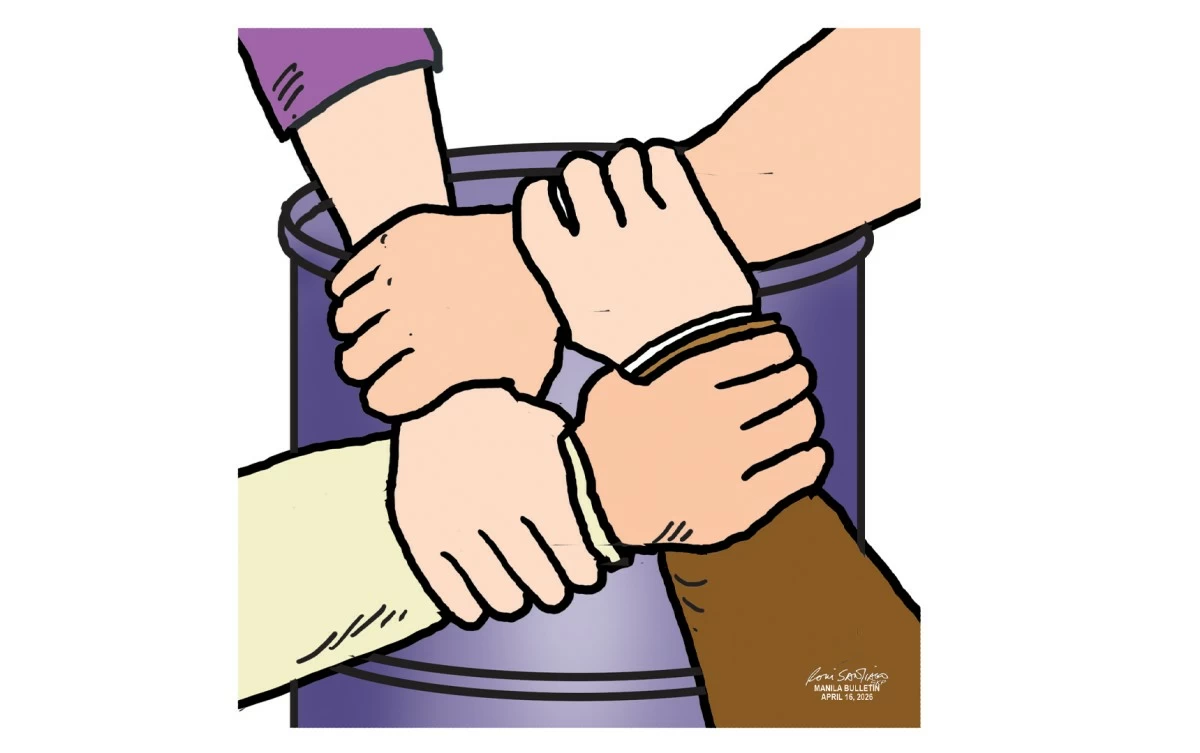
The fuel crisis is formidable, no doubt about it. But addressing it is as formidable for lack of concerted effort.
But what if, in the face of this deepening crisis, we choose unity over division, action over accusation, cooperation over conflict? What if, even for a brief moment, we set aside the noise of politics and focus instead on the urgent needs of the Filipino people? We raise these questions as they are necessary reflections in a time that demands not just leadership, but collective resolve.
The ongoing global fuel crisis, brought about by tensions in the Middle East, has rippled through every layer of society. From transport workers struggling to make ends meet, to families tightening already strained budgets, to businesses grappling with rising costs—the burden is shared. And because it is shared, the response must be shared as well. A fragmented approach will not suffice. What we need is a whole-of-society effort grounded in unity and purpose.
What if the House of Representatives, recognizing the urgency of the moment, temporarily sets aside impeachment proceedings and redirects its energy toward fast-tracking legislation that could provide immediate relief? Don’t get us wrong. This is not a call to abandon accountability or disregard constitutional duties. Rather, it is a call to prioritize and to recognize that in times of crisis, the most pressing needs of the people must come first. Governance, at its core, is about service. And service, especially now, requires focus and sacrifice.
What if critics of the administration paused their relentless fault-finding, not to silence dissent, but to channel their insights into constructive solutions? Healthy criticism is the lifeblood of democracy. It sharpens policy, exposes weaknesses, and ensures transparency. But there are moments when criticism must evolve into collaboration. When pointing out problems, these must be matched with proposing remedies. The fuel crisis is one such moment.
Let us be clear. This is not about suppressing voices or discouraging debate. It is about recalibrating our energies. A temporary pause in political hostilities does not weaken democracy; it strengthens it by proving that, when necessary, we can rise above partisanship for the common good. The Filipino spirit has always been defined by resilience and bayanihan, the willingness to help one another in times of need. Now is the time to embody that spirit once more.
Imagine a nation where lawmakers, regardless of affiliation, work hand in hand to pass measures that cushion the impact of rising fuel prices. Imagine private sectors stepping up with innovative solutions, and citizens doing their part through conservation and community support. Imagine a chorus of voices—not in discord, but in harmony—working toward a single goal of weathering this storm together.
The Bible reminds us in Psalm 133:1, “Behold, how good and how pleasant it is for brethren to dwell together in unity!” The message delivers a spiritual ideal and is a practical necessity. Unity fosters strength. It builds trust. It enables swift and decisive action. In contrast, division only deepens the crisis, prolonging the suffering of those who can least afford it.
The road ahead will not be easy. The challenges posed by the fuel crisis are complex and far-reaching. But they are not insurmountable. If we choose unity, if we choose to act not as divided factions but as one Filipino nation, we can overcome. The question is not whether we are capable. The question is whether we are willing.
What if we are?
Then, yes, we can.