







Visiting the lost city of the Incas
What to expect from a journey to Machu Picchu
Published Apr 16, 2026 11:43 pm


At A Glance
- Exploring Cusco required a deal of energy—not only because the streets were cobbled and steep it strained our feet but the high elevation that thinned the air made even a short walk feel like a grueling hike.
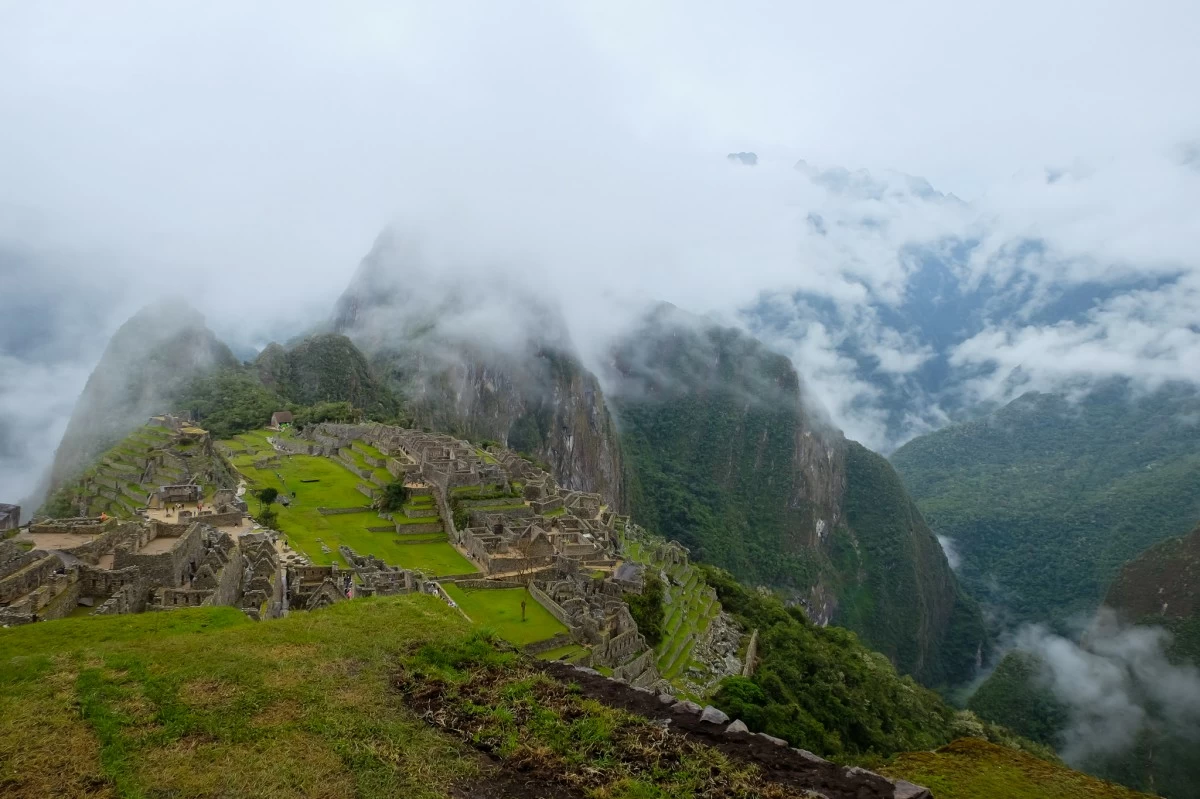
A STUNNING SIGHT Machu Picchu is an ancient Incan citadel located in the Andes Mountains in Peru. (Photo: Joseph Pedrajas/Manila Bulletin)
Machu Picchu unveiled itself, hovering among the clouds just as the morning fog disappeared when we arrived.
A citadel on the plateau of the Andes mountains in Peru's southern part, it was built by the Inca, one of the most powerful pre-Columbian empires, to become a royal estate. It served as a sacred center for astronomical observation and religious ceremonies, as well as a place for the elites to escape the harsh winters in the Incan capital, Cusco.
There was indeed a serenity in that moment. But the journey? It wasn't easy. It took us 72 hours of total travel time for one-way, involving four plane rides, two bus rides, and one train ride. We took a flight to the other side of the world—from Manila to San Francisco, and then to Houston, and then to the Peruvian capital of Lima, and finally, to the province of Cusco.
From Cusco, we hopped on a two-hour bus ride to the city of Ollantaytambo. Then, we took a two-hour train ride along a jagged cordillera to the town of Aguas Calientes, where we spent an overnight before boarding another 20-minute bus ride to Machu Picchu.
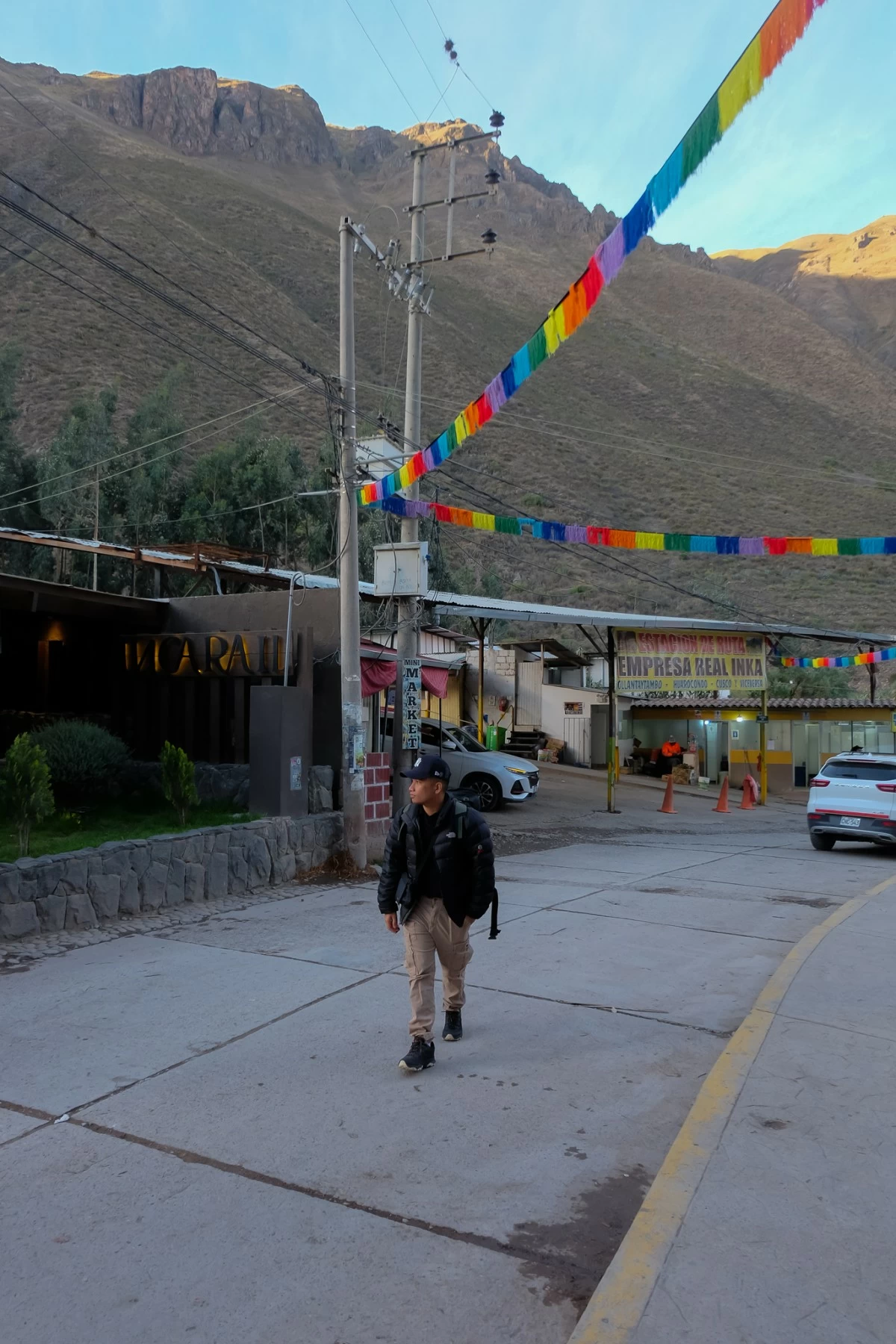
PERUVIAN STROLL The author walking by Ollantaytambo Station (Photo: Joseph Pedrajas/Manila Bulletin)
Cusco, capital of the Incan Empire
Machu Picchu was built in 1450 to become a royal estate—or for historians, "a seat"—for Incan Emperor Pachacuti. It's located 100 kilometers away from Cusco. From the Quechuan word "Qosqo" or "navel of the world," Cusco was the capital of the Incan empire, which believed that the universe was divided into three realms: celestial, terrestrial, and the inner earth.
For the Incas, Cusco was the only site where these three intersected. Cusco is often described as an open-air museum. The city's foundation is literally the work of engineering of the Incas, known for their dry-stone masonry or the no-mortar technique.
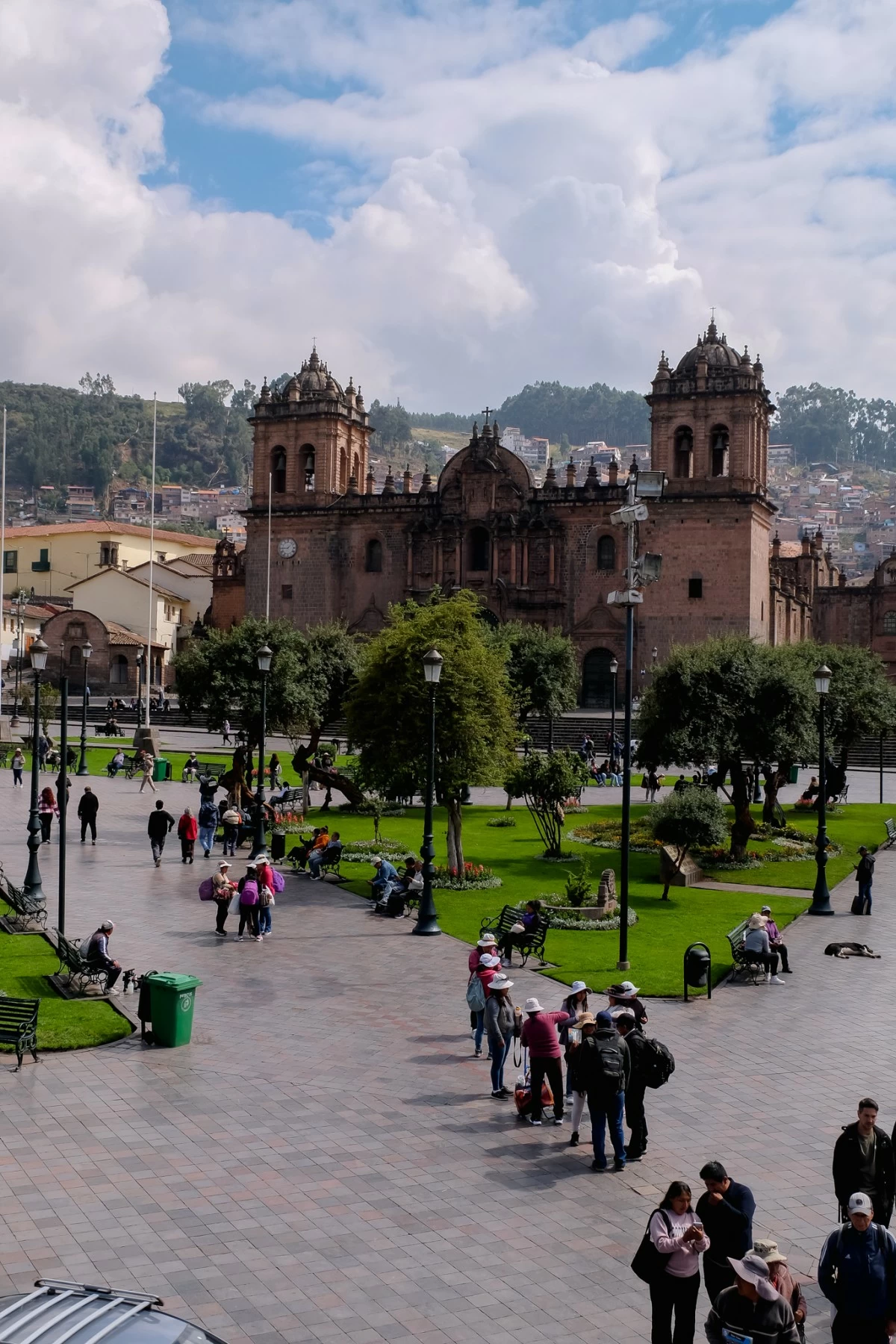
HEART OF CUSCO Plaza del Armas can be found at the center of Cusco City. (Photo: Joseph Pedrajas/Manila Bulletin)
Its ancient structures were made of stones built on top of one another. The Twelve-Angled Stone, a remnant of an ancient Incan palace, which is located on Hatunrumiyoc Street, is a testament to its architectural ingenuity.
Cusco is unique. When Spanish conquistadors took over the city in 1533, they introduced Spanish architecture through the construction of palaces and churches atop the Incan foundations. Now, they blend so well that they create a juxtaposition of the geniuses of the ancient civilization and of the colonial influence. We spent a day in Cusco in an experience that took us back in time. It was a city that refused to be forgotten.
Exploring Cusco required a great deal of energy—not only because the streets were cobbled and steep, but also because the high elevation thinned the air, making even a short walk feel like a grueling hike.
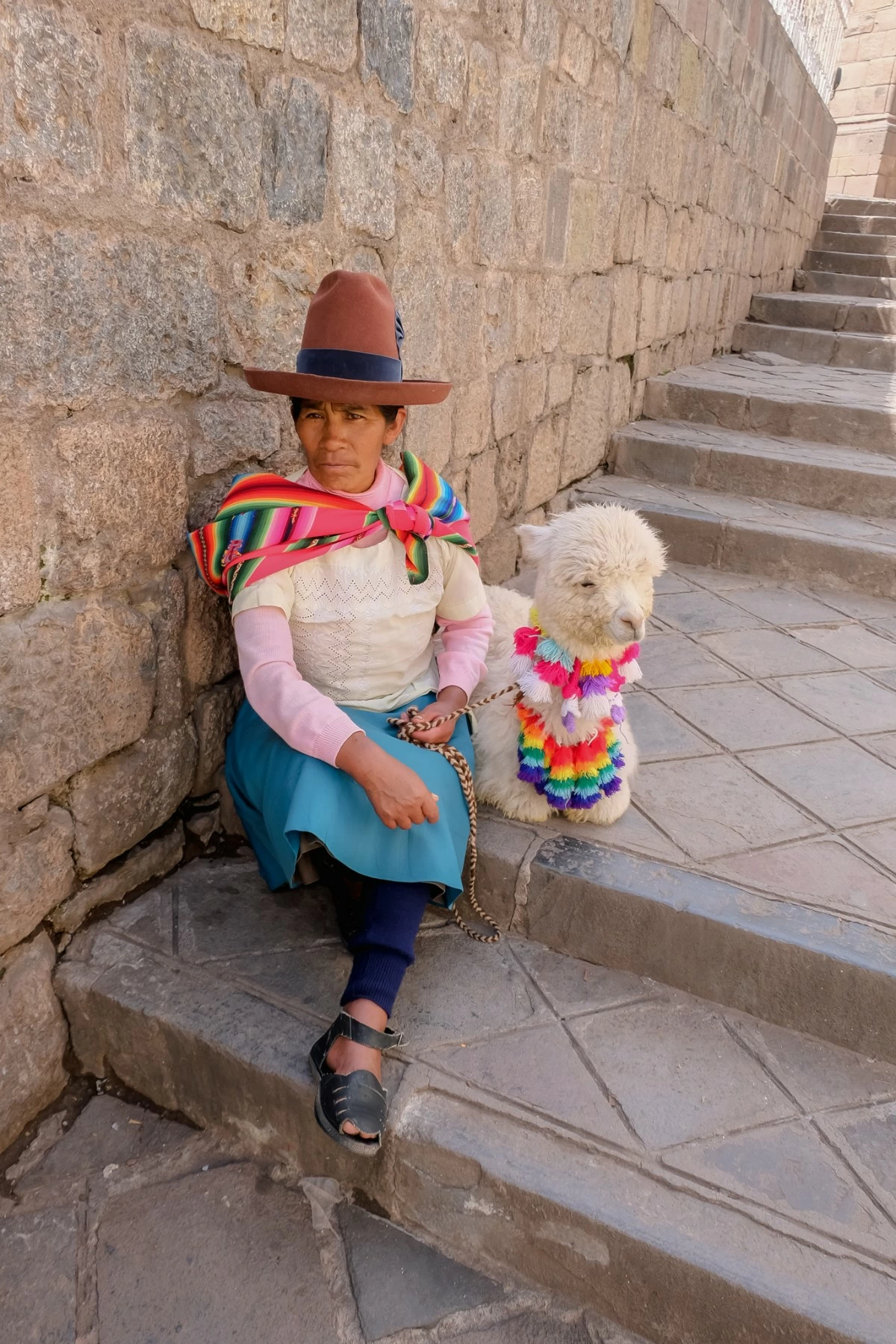
WOOLY SIGHT Alpacas are a common sight along Plaza del Armas. (Photo: Joseph Pedrajas/Manila Bulletin)
There were llamas and alpacas wearing colorful pom-poms anywhere around as we walked toward Plaza del Armas. Their rhythmic trekking echoed against the stone walls while local women in traditional polleras led them through the narrow alleys, offering a vibrant contrast to the gray, ancient masonry
During the Inca period, Plaza de Armas was a sacred space designed for massive religious ceremonies. During the colonial times, it served as a "place of arms" for the Spanish garrison and a center for Catholic evangelization.
A short walk from the plaza leads to the sprawling San Pedro Market. Inside, the air is a symphony of smells of freshly slaughtered meats, the tropical perfume of the juice stalls, the earthy bloom of the pan chuta (giant traditional bread) and local cheeses, and the musk of coca leaves.
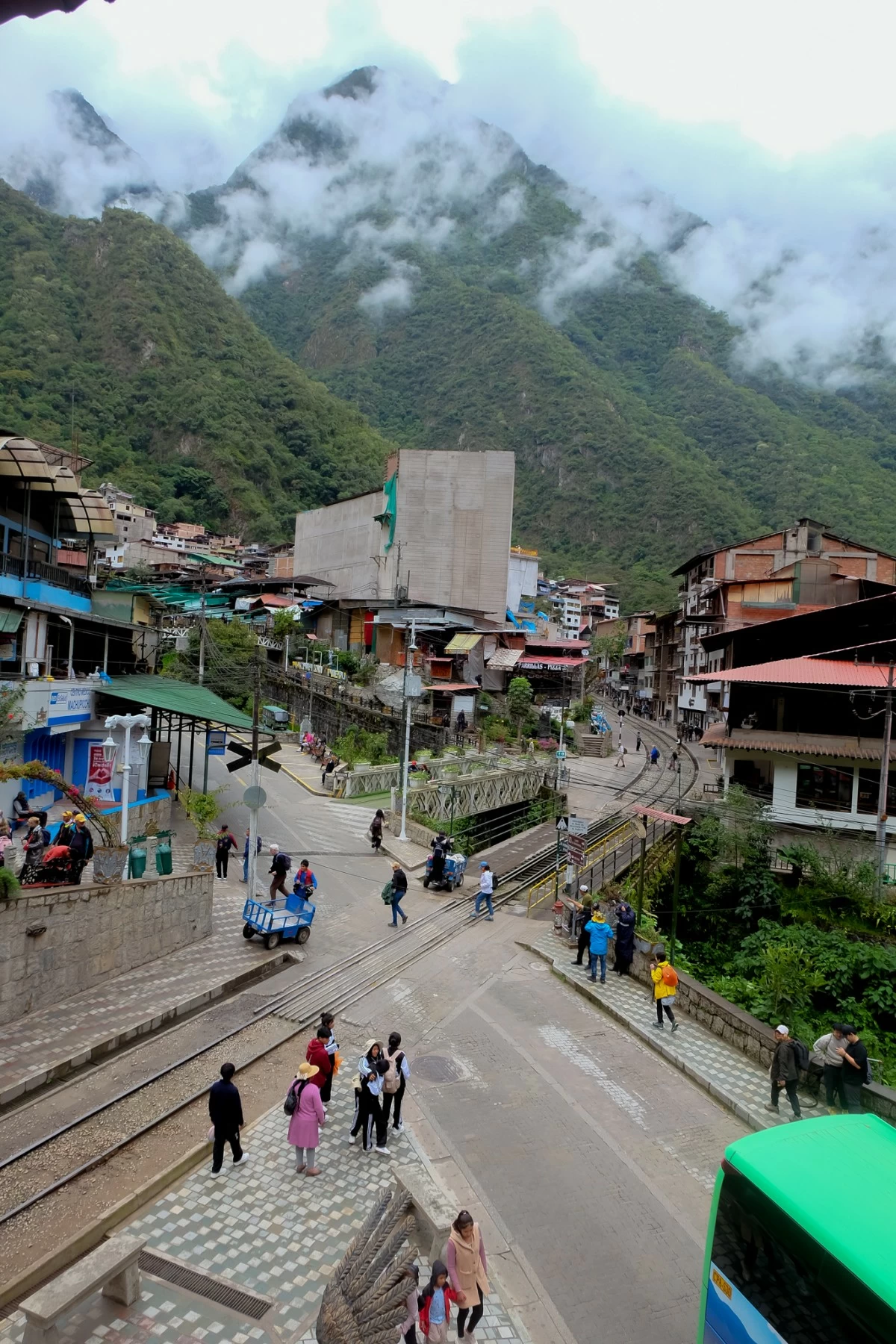
GATEWAY TO GLORY To get to Machu Picchu, one must pass through the town of Aguas Calientes. (Photo: Joseph Pedrajas/Manila Bulletin)
Welcome to Machu Picchu
Tucked among the towering mountains of the Andes, Machu Picchu offered a glimpse into the Incas' architectural genius. Its layout revealed a highly organized society, masterfully divided into distinct sectors—an agricultural one on the lower part and a residential one on the upper part, with a large square between the two. The agricultural zone, marked by sprawling stone terraces designed for crops like maize and potatoes, sits in perfect contrast to the urban sector, where sturdy stone dwellings cling to the rugged plateau.
According to historians, the citadel housed several hundred residents—ranging from religious elites to specialized craftsmen—all of whom labored to maintain Machu Picchu's prestige. It was a complex of palaces and plazas and temples and homes, which might have been built either as a ceremonial site, a military stronghold, or a retreat for ruling elites, historians believed.
The Intihuatana stone, carved directly from the mountain's living rock, serves as Machu Picchu's spiritual heartbeat. During the solstices, the sun stands precisely over its pillar, casting no shadow—a celestial phenomenon that led the ancients to believe they were "hitching" the sun to the stone to ensure its seasonal return.
Machu Picchu was abandoned when the Inca Empire was conquered by the Spaniards in the 16th century. But it wasn't known to the outside world until 1911, when explorer-turned-US politician Hiram Bingham embarked on a journey to South America. Hiram set off for a trip to investigate the "lost city of the Incas." He penetrated the thick and lush jungle until he reached Machu Picchu. In 2007, it was named one of the New Seven Wonders of the World.
When we arrived at Ollantaytambo station one crisp November morning, just as the sun began to crest the Andean ridges, a train of deep imperial blue pulled along the tracks. Bound for Aguas Calientes, the side of the train bore a single, storied name: Hiram Bingham. We hopped aboard. Stoked, we shared a sense of the same wonder that must have gripped Hiram a century ago.