ADVERTISEMENT

Ride through the crisis: The return of the bicycle

Published Apr 16, 2026 12:03 am  |  Updated Apr 15, 2026 04:43 pm
OFF THE BEATEN PATH
Even with the US set to declare the war in the Middle East over, Former DOE Secretary and current Leyte Governor Icot Petilla, and former DOE Usec. Jay Layug has stated that the price of fuel will not be going back to P61.00 per liter.
Many have been flocking to buy EVs, HEVs, and PHEVs in recent days, which we’ll talk about in the coming weeks. Today, let’s explore another mode of transportation that can help you save time and money: Your bicycle.
During the pandemic, the number of people commuting by bicycle grew enormously. Unfortunately, when travel restrictions eased, the number of people using bicycles dropped significantly. Many chose to sell their bicycles, while others just kept them in storage, letting it gather dust. For those who still have their bicycles, I think now is a good time to sift through your stored stuff, clean, prep, and lube your bicycle, and get it ready for use!
To recap, the usual distance from your house to the office for those living in Metro Manila and using public transportation is about 10 to 15 km. Some live closer to their workplace if they work in the same city.
Just like before, cycling is a trusted alternative. Now, rising fuel costs, rather than travel restrictions, limit mobility. I’m sharing my previous tips for returning cyclists and first-timers on what to consider.
First, consider if biking to work is feasible and what you’ll need to make it work.
“Infra support” — What does this mean? It simply means there’s a viable way to ride or use a bicycle to get to work. Here are some things to consider:
1. Distance to work — Is the distance to the workplace feasible? As I mentioned above, most commutes are 10 to 15 km. Shorter if you live in the same city. With a 15 km route, riding at an average speed of 15 kms, you’ll get to your office within an hour, or even less.
2. Route to work — Plot your bike route. I avoid main roads and recommend safer, slower secondary roads.
3. Bike paths — Use bike paths whenever possible. Marikina is a great example of a city with good bike paths.
Office facilities
1. Work hours — Know if it’s feasible and “safe” to ride a bicycle to work. If your office hours are 8 a.m. to 5 p.m., you can ride to work. If you work in a call center or similar job that requires commuting in the dark, consider other options. If you still plan to bike, install front and rear lights to stay visible to motorists.
2. Shower and changing rooms — essential! Unless you want to stay sweaty all day. Keep your toiletries in your locker (see no. 4). After showering, you’ll walk straight into your office—much more convenient than public transport.
3. Bike parking – Bike parking is essential. If you commute by bicycle, you need a secure storage area, ideally with a guard. Avoid leaving your bike outside. Most bicycle parking is inside the vehicle lot, close to the guard’s station.
The best bicycle parking I’ve seen was in a hotel basement in Tokyo. Each bicycle had its own slot with a lock and meter. Even in December, almost all the slots were full, showing people still commuted by bicycle in winter.
4. Lockers—Store clothes and toiletries. Keep at least one full set in your locker.
5. Office incentives – In some US companies, employees receive incentives to bike to work. Some get lunch coupons for the office cafeteria. Others can use programs to buy a bicycle, similar to a car plan but cheaper.
People can also use a bicycle to get to meetings during the day if they are close to the office. For meetings one to three km away, biking gets you there faster than walking or driving, and you also get some exercise.
With the new normal and high fuel prices, we have to consider alternatives to help us with our daily commute. You might choose to use it daily, or even weekly. That depends on your fitness and commute requirements. What’s important is providing yourself with another mode of transportation, to help ease the burden of rising fuel costs. Ride lots!
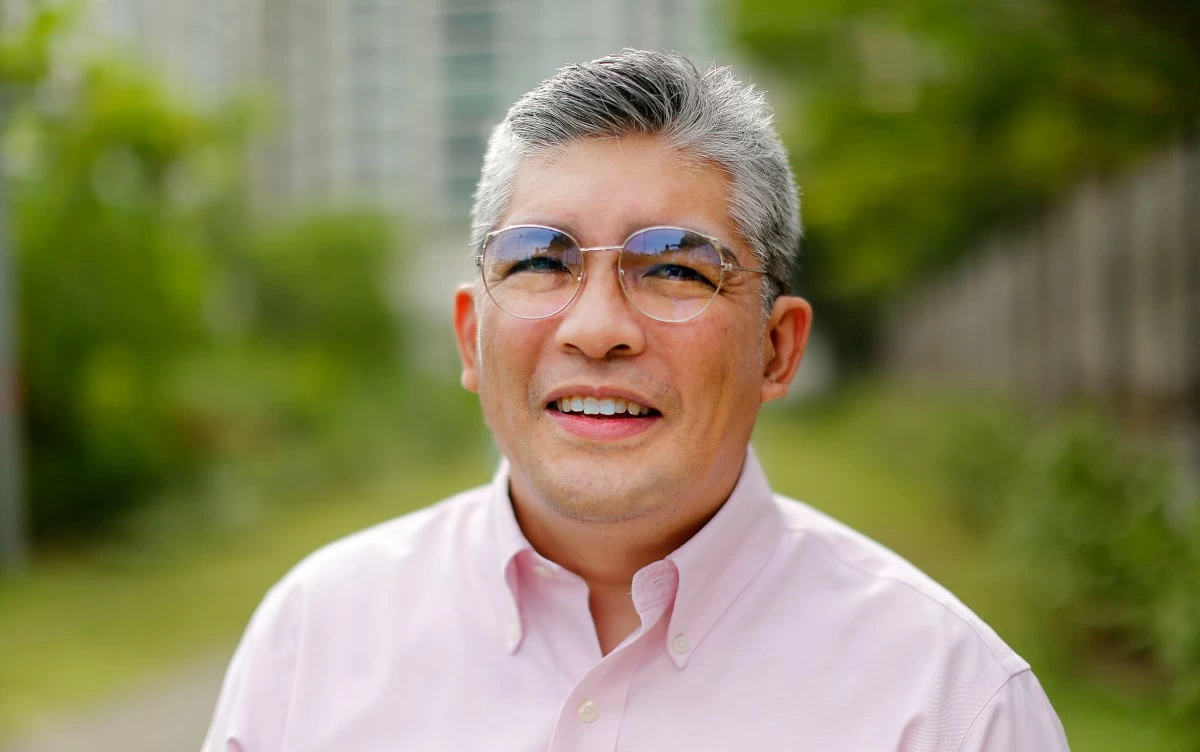
(The author is a former Comelec commissioner. He was the chairman of the Comelec Steering Committee that oversaw the successful modernization of the first national automated Philippines elections in 2010. He remains involved in public service as an election lawyer and is a Senior Partner at Divina Law Office.)

Related Tags

OFF THE BEATEN PATH ATTY. GREGORIO LARRAZABAL
ADVERTISEMENT
.most-popular .layout-ratio{ padding-bottom: 79.13%; } @media (min-width: 768px) and (max-width: 1024px) { .widget-title { font-size: 15px !important; } }

{{ articles_filter_1561_widget.title }}

.most-popular .layout-ratio{ padding-bottom: 79.13%; } @media (min-width: 768px) and (max-width: 1024px) { .widget-title { font-size: 15px !important; } }

{{ articles_filter_1562_widget.title }}

.most-popular .layout-ratio{ padding-bottom: 79.13%; } @media (min-width: 768px) and (max-width: 1024px) { .widget-title { font-size: 15px !important; } }

{{ articles_filter_1563_widget.title }}

{{ articles_filter_1564_widget.title }}

.mb-article-details { position: relative; } .mb-article-details .article-body-preview, .mb-article-details .article-body-summary{ font-size: 17px; line-height: 30px; font-family: "Libre Caslon Text", serif; color: #000; } .mb-article-details .article-body-preview iframe , .mb-article-details .article-body-summary iframe{ width: 100%; margin: auto; } .read-more-background { background: linear-gradient(180deg, color(display-p3 1.000 1.000 1.000 / 0) 13.75%, color(display-p3 1.000 1.000 1.000 / 0.8) 30.79%, color(display-p3 1.000 1.000 1.000) 72.5%); position: absolute; height: 200px; width: 100%; bottom: 0; display: flex; justify-content: center; align-items: center; padding: 0; } .read-more-background a{ color: #000; } .read-more-btn { padding: 17px 45px; font-family: Inter; font-weight: 700; font-size: 18px; line-height: 16px; text-align: center; vertical-align: middle; border: 1px solid black; background-color: white; } .hidden { display: none; }
function initializeAllSwipers() { // Get all hidden inputs with cms_article_id document.querySelectorAll('[id^="cms_article_id_"]').forEach(function (input) { const cmsArticleId = input.value; const articleSelector = '#article-' + cmsArticleId + ' .body_images'; const swiperElement = document.querySelector(articleSelector); if (swiperElement && !swiperElement.classList.contains('swiper-initialized')) { new Swiper(articleSelector, { loop: true, pagination: false, navigation: { nextEl: '#article-' + cmsArticleId + ' .swiper-button-next', prevEl: '#article-' + cmsArticleId + ' .swiper-button-prev', }, }); } }); } setTimeout(initializeAllSwipers, 3000); const intersectionObserver = new IntersectionObserver( (entries) => { entries.forEach((entry) => { if (entry.isIntersecting) { const newUrl = entry.target.getAttribute("data-url"); if (newUrl) { history.pushState(null, null, newUrl); let article = entry.target; // Extract metadata const author = article.querySelector('.author-section').textContent.replace('By', '').trim(); const section = article.querySelector('.section-info ').textContent.replace(' ', ' '); const title = article.querySelector('.article-title h1').textContent; // Parse URL for Chartbeat path format const parsedUrl = new URL(newUrl, window.location.origin); const cleanUrl = parsedUrl.host + parsedUrl.pathname; // Update Chartbeat configuration if (typeof window._sf_async_config !== 'undefined') { window._sf_async_config.path = cleanUrl; window._sf_async_config.sections = section; window._sf_async_config.authors = author; } // Track virtual page view with Chartbeat if (typeof pSUPERFLY !== 'undefined' && typeof pSUPERFLY.virtualPage === 'function') { try { pSUPERFLY.virtualPage({ path: cleanUrl, title: title, sections: section, authors: author }); } catch (error) { console.error('ping error', error); } } // Optional: Update document title if (title && title !== document.title) { document.title = title; } } } }); }, { threshold: 0.1 } ); function showArticleBody(button) { const article = button.closest("article"); const summary = article.querySelector(".article-body-summary"); const body = article.querySelector(".article-body-preview"); const readMoreSection = article.querySelector(".read-more-background"); // Hide summary and read-more section summary.style.display = "none"; readMoreSection.style.display = "none"; // Show the full article body body.classList.remove("hidden"); } document.addEventListener("DOMContentLoaded", () => { let loadCount = 0; // Track how many times articles are loaded const offset = [1, 2, 3, 4, 5, 6, 7, 8, 9, 10]; // Offset values const currentUrl = window.location.pathname.substring(1); let isLoading = false; // Prevent multiple calls if (!currentUrl) { console.log("Current URL is invalid."); return; } const sentinel = document.getElementById("load-more-sentinel"); if (!sentinel) { console.log("Sentinel element not found."); return; } function isSentinelVisible() { const rect = sentinel.getBoundingClientRect(); return ( rect.top < window.innerHeight && rect.bottom >= 0 ); } function onScroll() { if (isLoading) return; if (isSentinelVisible()) { if (loadCount >= offset.length) { console.log("Maximum load attempts reached."); window.removeEventListener("scroll", onScroll); return; } isLoading = true; const currentOffset = offset[loadCount]; window.loadMoreItems().then(() => { let article = document.querySelector('#widget_1690 > div:nth-last-of-type(2) article'); intersectionObserver.observe(article) loadCount++; }).catch(error => { console.error("Error loading more items:", error); }).finally(() => { isLoading = false; }); } } window.addEventListener("scroll", onScroll); });

Sign up by email to receive news.