






 Philippines
National
Recto orders LGU coordination for fuel subsidies, fare discounts rollout
Philippines
National
Recto orders LGU coordination for fuel subsidies, fare discounts rollout
Recto orders LGU coordination for fuel subsidies, fare discounts rollout


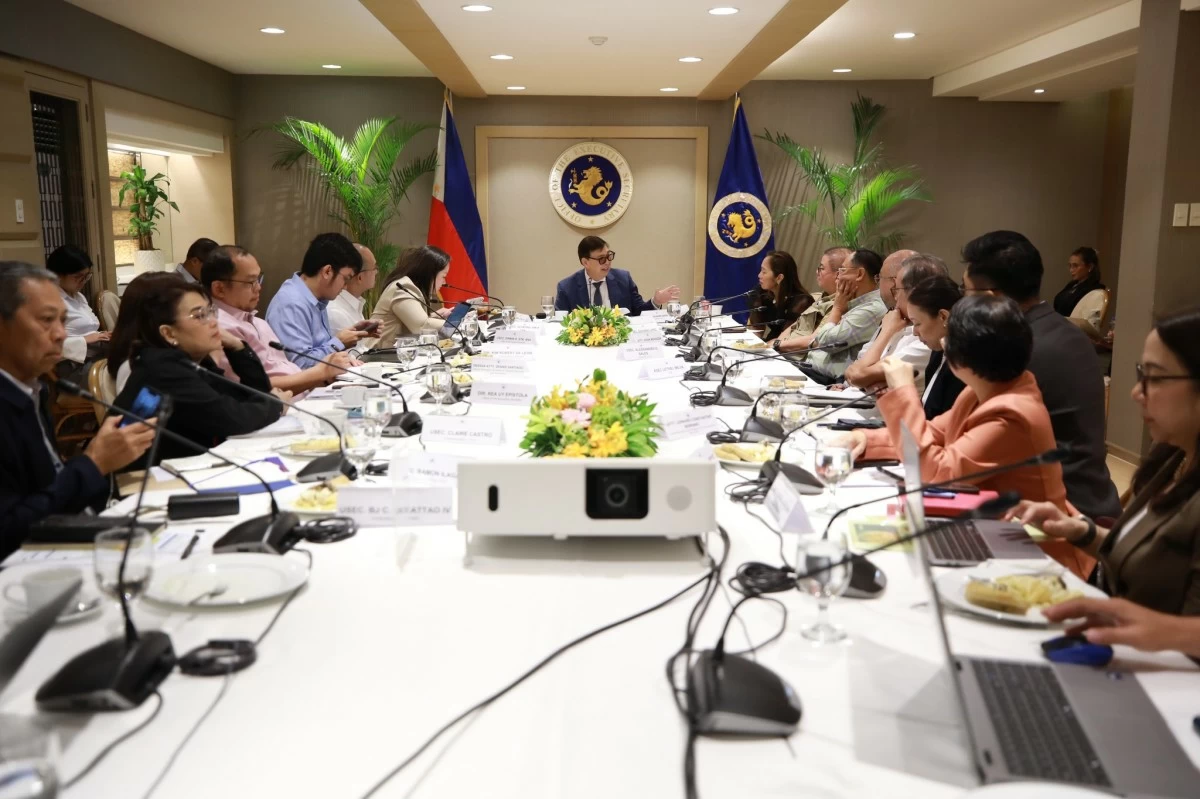
Executive Secretary Ralph Recto has ordered local government units (LGUs) to work closely with transport and energy agencies to ensure the smooth rollout of fuel subsidies and fare discounts for commuters amid rising oil prices.
Recto said this following a meeting on Wednesday, April 15, that sought to finalize implementation details of the nationwide assistance package.
In a statement, the Palace official said coordination among LGUs, the Department of Energy (DOE), Department of Transportation (DOTr), Land Transportation Franchising and Regulatory Board (LTFRB), and the Department of the Interior and Local Government (DILG) is key to implementing the transport assistance package ordered by President Marcos.
“It behooves LGUs… to team up with agencies… on ensuring the seamless implementation of fuel subsidies and fare discounts,” he said.
Under the program, public utility vehicle (PUV) operators and drivers will receive subsidies ranging from P40 to P100 per kilometer through the Service Contracting Program (SCP).
In exchange, beneficiaries are required to provide a 20-percent fare discount to passengers.
Recto said this aims to offset losses from rising fuel prices while easing the burden on commuters.
Metro Manila pilot
The rollout begins in Metro Manila, initially covering routes such as Commonwealth Avenue, with plans to expand to other major corridors, including Quezon Avenue, España, and Marcos Highway.
Nationwide implementation is expected to follow.
Once fully implemented, the program is expected to benefit around 50,000 drivers and 1,000 operators, as well as up to 15 million commuters.
The fare discounts will be on top of the existing 20-percent discounts for senior citizens and persons with disabilities.
DOE to monitor fuel subsidy
Recto said fuel subsidies will be implemented through accredited gas stations, which will be monitored by the DOE.
The LTFRB, meanwhile, has been directed to ensure proper implementation of fare discounts and release a fare matrix for public guidance.
The transport assistance package forms part of the government’s response to the global oil shock triggered by the Middle East conflict.
The Philippines, as a net importer of fuel, has been affected by sharp increases in global oil prices, which have driven up transport and commodity costs.
Preventing price spikes
Recto said lower transport costs are crucial in preventing further increases in commodity prices.
Reducing fares, he noted, helps limit the impact of higher logistics costs on goods and services.
He added that the government is also cracking down on fuel hoarding and profiteering, with agencies coordinating with LGUs, police, and digital platforms to monitor complaints.