







In a chokehold: The cost of PH oil dependence
Published Apr 16, 2026 02:21 am



Transportation is one of the hardest-hit sectors by the war in Iran, its operations derailed by rising oil and gas prices.
Iran is approximately 7,000 kilometers away from the Philippines. But an ongoing war in that part of the world rattles ours almost immediately.
This conflict in West Asia (or the Middle East to the Western world) has disrupted crude oil shipments to the Philippines, a country that imports about 98 percent of its supply to power almost everything—from commerce to agriculture. A lower supply of crude oil spells spikes in oil and gas prices across the board.
Crude oil, or petroleum, is a fossil fuel. Global use of fossil fuels directly contributes to climate change, driven by greenhouse gas emissions from these sources. Much of the Philippines is powered by fossil fuels; in fact, in our energy mix, coal and oil products make up about 60 percent (34 percent and 30 percent, respectively).
This dependence on planet-warming fossil fuels has had us in a chokehold for years—and this grip tightens whenever the global supply of fossil fuels is disrupted.
Addressing the grip of crude oil
One of the first to feel this price shock is the transport sector, mainly public utility vehicle (PUV) operators and drivers. Households—especially those in vulnerable communities, including low-income households, informal workers, small businesses, and farmers — are disproportionately affected, with limited capacity to absorb rising costs.
Before all this, what had cost around P40 per liter of fuel for tricycle drivers now costs around P90 per liter. Jeepney drivers, of course, were not spared. From P71, a liter of diesel now costs around P170. That is a huge jump, especially considering how these spikes also extend to commodities such as groceries and utilities.
In a country that depends on volatile fossil fuel markets, disruptions hit transport systems and cascade into food, livelihoods, and economic stability, affecting people’s ability to move and access essential services.
To address unpredictable and uncontrollable price hikes, many voices across the political spectrum have offered solutions. Prominent proposals include transport fare hikes and the suspension of excise taxes on fuel.
Despite the promise of these solutions, progress has been slow. Recently, President Ferdinand R. Marcos, Jr. put the brakes on fare hikes. Although the bill granting him powers to suspend fuel excise taxes has been signed, it will not take effect until 15 days after its publication, which, in this case, falls well into the second week of April.
These measures may give Filipinos a brief respite from the recent oil price shocks. Coveted as they are, these fixes are temporary. They do not grant immunity from future disruptions in global crude oil supply.
Voices from civil society and climate action organizations offer a different perspective: phase out dependence on fossil fuels and accelerate the shift to renewable, indigenous energy sources.
Hands on our necks, we don’t shift to breathe better; we push back to escape the grip.
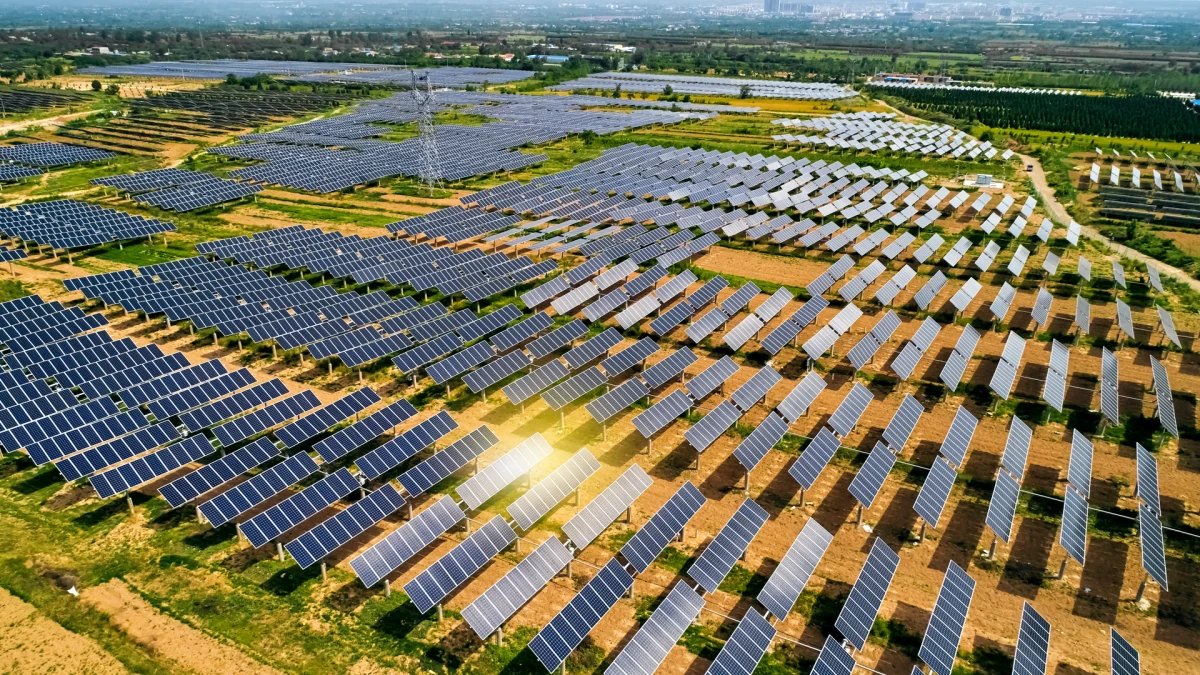
Renewable energy sources like solar power are touted as cheaper, more stable alternatives to fossil fuels.
Loosening fossil fuels’ hold
Powering the country mainly with fossil fuels has placed us in this unenviable position of vulnerability amid geopolitical tensions. If we invest in domestic and renewable energy resources, we can reduce, if not entirely avoid, disruption in energy supply.
An article by the Institute for Climate and Sustainable Cities (ICSC) outlines how countries such as India and Indonesia have implemented efforts to provide accessible public transportation through people-centered fare policies and the electrification of transport fleets.
Fast-tracking the shift to clean energy also provides a cheaper alternative to fossil fuels, not to mention a healthier one. Diesel-powered vehicles, for example, are known to emit black smoke, significantly worsening air quality and harming human health. With diesel prices skyrocketing, the use of electric vehicles becomes more attractive.
Accelerating the transition to cleaner public transport, efficient logistics systems, and strengthened transport networks that are affordable, accessible and reliable is essential. Active mobility programs such as cycling and walking must also be a core part of the government’s transport agenda, not only to reduce dependence on fuel-based transport amid global price volatility, but also to advance a sustainable and resilient transportation system.
Local renewable energy infrastructure allows the Philippines to shield itself from rotating blackouts and high electricity costs during geopolitical tensions that disrupt fossil fuel supply chains. Renewable energy is cheaper, cleaner, and offers a long-term solution to our energy challenges compared to stopgap measures such as suspending fuel excise taxes or declaring a national emergency.
We’ve seen renewable energy ease fossil fuel dependency issues in Pakistan. When the Russia-Ukraine war broke out in 2022, Pakistan faced energy shortages. This prompted a widespread, household- and business-led adoption of rooftop solar. This transition has so far ”insulated Pakistan’s power sector” from current market disruptions.
In the Philippines, however, this shift is easier said than done without government intervention. The planned PUV Modernization Program, for instance, drew criticisms from stakeholders for placing the burden of electrification on small-scale operators and drivers. A unit can cost more than a million pesos, a price entirely unaffordable to the ordinary driver.
Moreover, an electric vehicle charged by a fossil fuel-powered grid like ours remains vulnerable to global oil supply shocks. Electrification without decarbonization will not pay off in the long run.
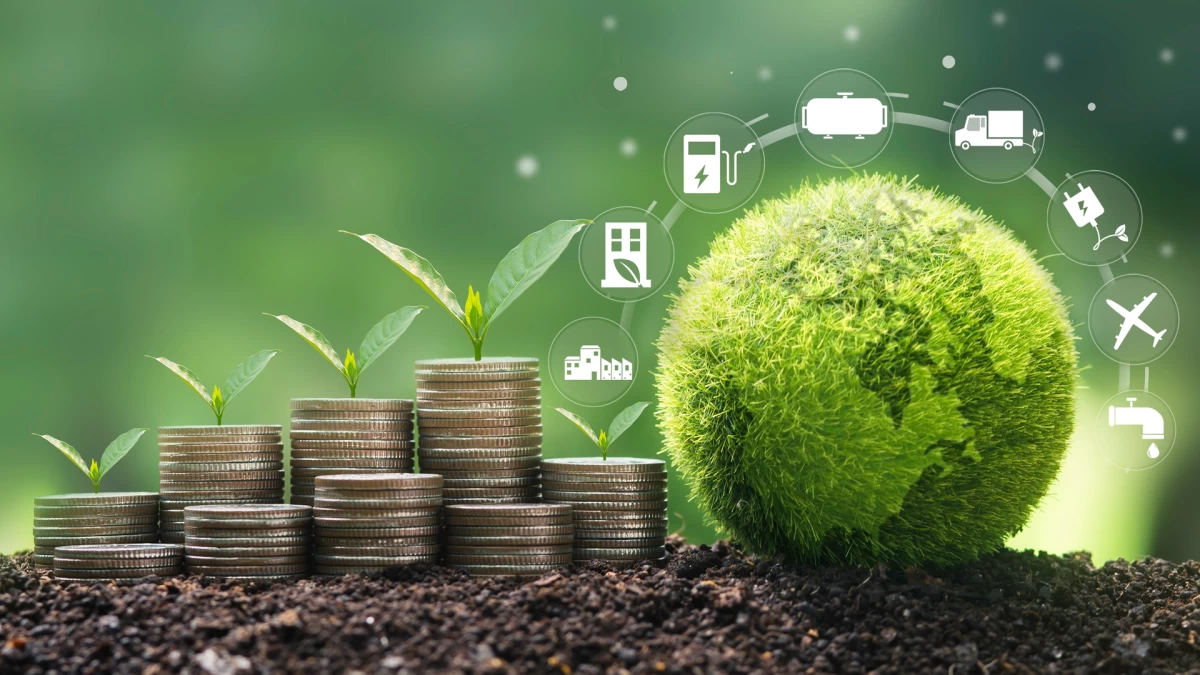
Climate finance is needed to fund just transition initiatives, including replacing fossil fuels with clean energy.
Financing our freedom
What is needed is funding to support a just transition to renewable energy—resources that can come from the government or external sources such as multilateral banks or countries seeking to offset their emissions.
Through climate finance, the electrification of transport fleets can be subsidized. This would prevent shifting the burden of powering the transport system—and the broader economy—onto ordinary Filipinos.
This requires securing a steady supply of climate finance, or funding dedicated to programs that reduce emissions or strengthen climate resilience. This aligns with the principle of just transition, which ensures that no one is left behind in sustainable development.
As one of the most climate-vulnerable countries in the world, the Philippines should be prioritized for climate financing. Given our historically low emissions, we have a strong basis to benefit from the “polluter pays” principle in addressing global climate responsibility.
If managed properly, climate finance can catalyze the country’s transition to renewable energy and reduce dependence on fossil fuels. While it may not immediately ease current price hikes, it can help shield Filipinos from similar shocks in the future.
Institutionalizing decarbonization efforts is already underway. A key example is the country’s Nationally Determined Contribution (NDC) under the 2015 Paris Agreement, which outlines commitments to reduce greenhouse gas emissions across sectors, including transport and energy.
Policies under the NDC include the PUV Modernization Program, the promotion of electric vehicles through the Electric Vehicle Industry Development Act, and the expansion of active transport initiatives.
At present, the Climate Change Commission and partner agencies are drafting the country’s updated NDC. Climate Reality Philippines hopes these commitments will reflect the urgency required to address both the climate and energy crises, while ensuring that emissions reduction targets remain ambitious and inclusive.
After all, the NDC is not merely a document outlining plans to address climate change; it is a framework for achieving sustainable development.
Shifting to clean energy and reducing emissions are not just environmental goals. They are matters of economic, health, and long-term national resilience. What we do now will determine how we respond to crises beyond our control—such as a war thousands of kilometers away.