







ERC makes it easier to invest in small power grids
Published Apr 16, 2026 04:47 pm


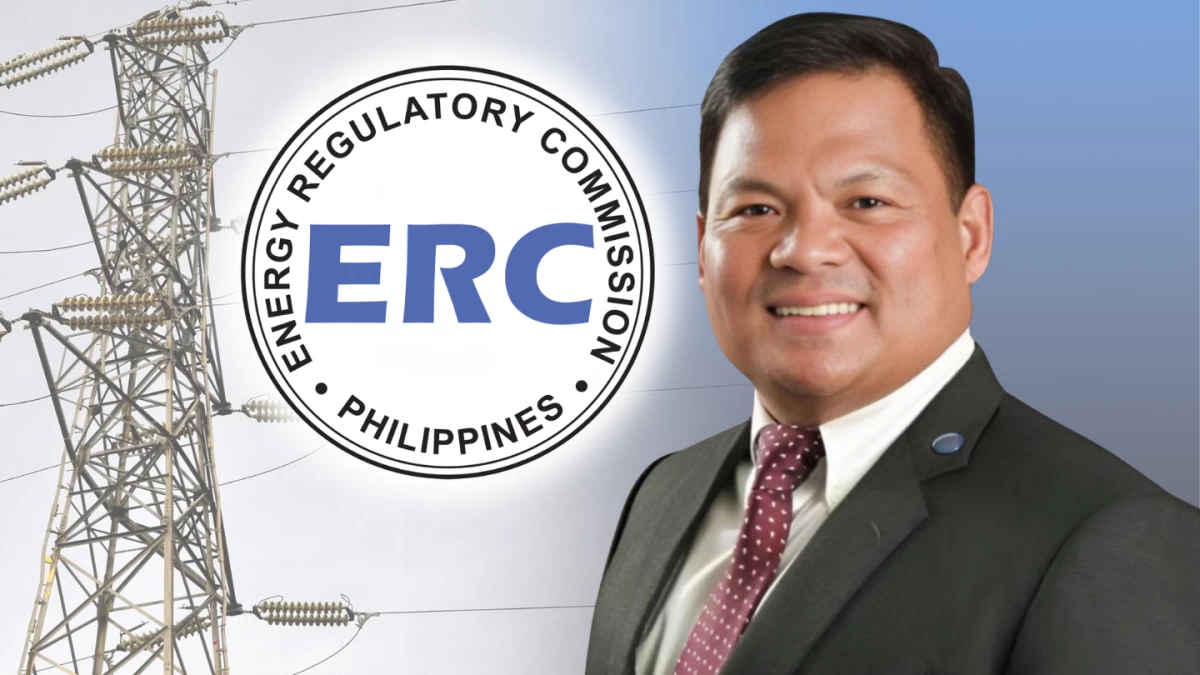
Atty. Francis Saturnino “Nino” Juan
The Energy Regulatory Commission (ERC) has established new guidelines for microgrid systems, a move designed to incentivize private-sector investment in the country’s remote regions while bolstering electricity reliability in off-grid communities.
In a statement, the ERC said the regulatory framework creates specific protocols for both isolated microgrid systems and grid-tied systems operating in island mode.
Under the framework, Microgrid System Providers (MGSPs) are mandated to provide 24/7 electricity service, ensure 100 percent household electrification within their respective areas, and comply with performance standards.
The rules also establish a transparent tariff mechanism by using the full cost recovery rate (FCRR), under which businesses can recoup their investments while ensuring fair rates.
The ERC has also improved oversight by standardizing Microgrid Service Contracts (MSCs), and Authorities to Operate (ATOs), among others.
Furthermore, the rules would help integrate renewable and indigenous energy sources, thereby stabilizing power costs and minimizing dependence on fuel-based generation.
Access to the Subsidized Approved Retail Rates (SARR) and the Universal Charge for Missionary Electrification (UC-ME) would also help offset rising power costs.
“These Rules Governing Microgrid Systems are a crucial step in ensuring that no Filipino community is left behind in our electrification efforts,” said ERC Chairperson Francis Saturnino Juan.
“By establishing a clear, transparent, and investor-friendly regulatory framework, we are enabling the delivery of reliable and affordable electricity to unserved and underserved areas while upholding the highest standards of consumer protection.”
“These measures aim to create a more predictable and supportive investment environment, thereby encouraging private sector participation in rural electrification efforts,” the ERC concluded.
This adoption follows its strict mandate, under which power distributors are not allowed to pass on penalties and interest charges for late local tax payments to consumers. This covers real property taxes, local franchise taxes, and business taxes.