







DHSUD urged to fast-track release of license to sell
Published Apr 16, 2026 04:24 pm


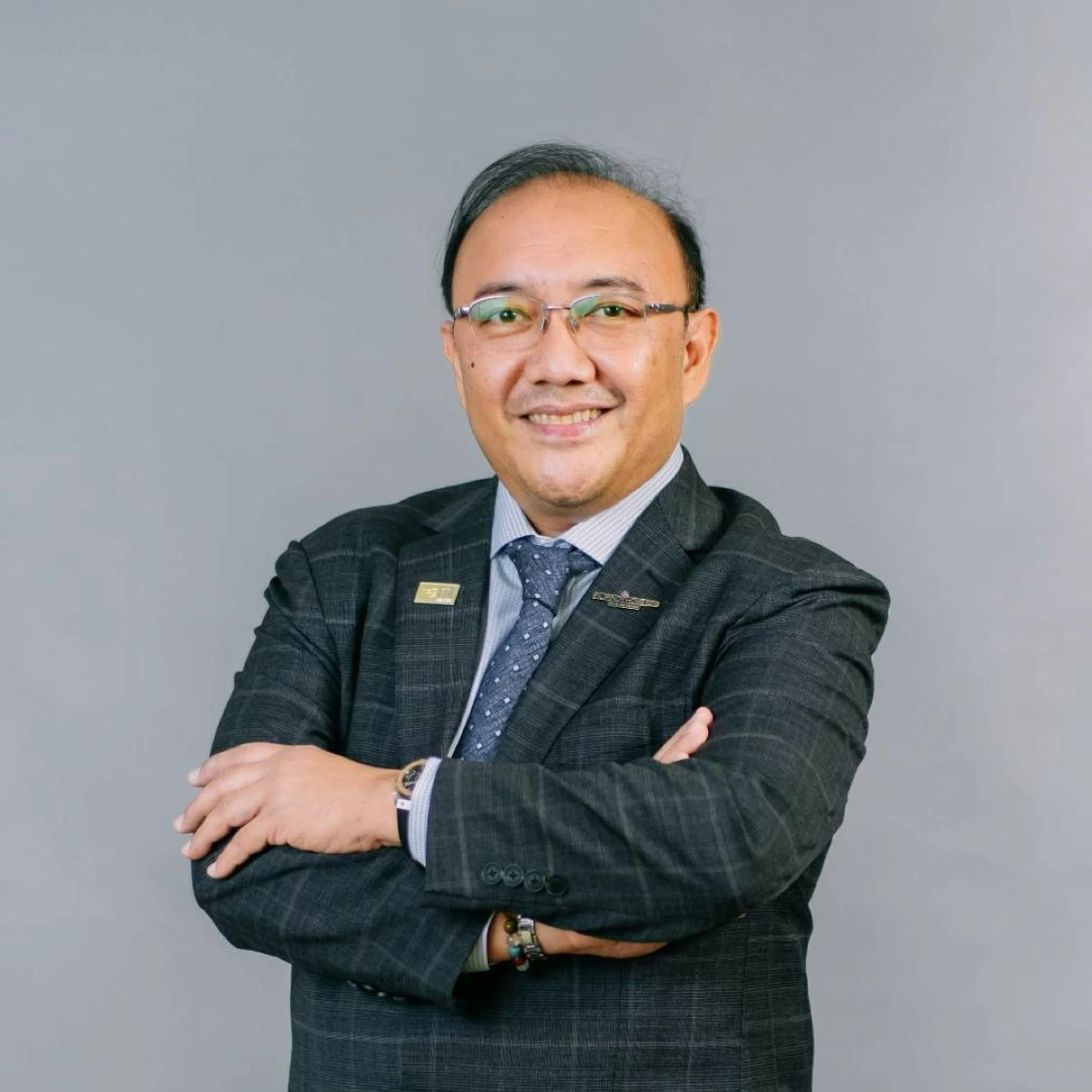
LEUTERIO
CEBU CITY – Developers have urged the Department of Human Settlements and Urban Development (DHSUD) to fast-track the release of Licenses to Sell (LTS), lamenting that prolonged approval delays begin to disrupt property launches and housing supply nationwide.
Developers are increasingly concerned over the slowdown, with some waiting months for approvals despite having completed requirements, said Anthony Leuterio, founder of Filipino Homes. “No LTS for so many months. Approval is super delayed,” Leuterio said.
Leuterio noted that the shift of approvals from local offices to the national level has worsened the backlog. He warned that the centralization of approvals is creating bottlenecks that the national office may struggle to handle, leading to significant delays in project rollouts.
The impact is already being felt across the industry, particularly in the primary market where developers depend on pre-selling to drive growth.
“Primary sales are very vital in the development of a city. These are projects that offer five- to six-year payment terms, which most buyers prefer so they can afford to own property,” Leuterio said.
Without LTS approvals, developers are unable to legally sell pre-selling units, effectively stalling launches that were originally scheduled for March and April this year.
“Developers are crying now. All are delayed,” he added, citing cases where a single developer is awaiting multiple LTS approvals.
The delays are also affecting real estate agents and brokers, many of whom rely on new project inventories to sustain sales.
Markets in key growth areas such as Ormoc, Butuan, Cagayan de Oro, Davao City, and General Santos, as well as established hubs like Cebu, Bacolod, Manila, Dumaguete, and Bohol, are awaiting new project launches.
Leuterio said delays could also limit access to affordable housing, particularly for overseas Filipino workers (OFWs), who often rely on pre-selling projects with long-term payment schemes.
“The Philippines needs new projects. These are affordable and designed for long-term payments, especially for OFWs,” he said.
While there are prescribed timelines for LTS processing once requirements are completed, Leuterio noted that approvals ultimately depend on DHSUD’s prioritization.
He called on the agency to expedite approvals, particularly for developers who have fully complied with requirements, warning that prolonged delays could dampen investment and slow urban development. “DHSUD must expedite the approval. Developers are now at the mercy of waiting,” he said.