

ADVERTISEMENT

BSP plans stricter rules for banks in high-value payment system

Published Apr 16, 2026 05:30 pm  |  Updated Apr 16, 2026 02:23 pm

At A Glance

  • To manage risks tied to the growing Peso Real-Time Gross Settlement (RTGS) payment system, the Bangko Sentral ng Pilipinas (BSP) is drafting a policy to establish formal governance for stricter handling of member banks or nonbanks.
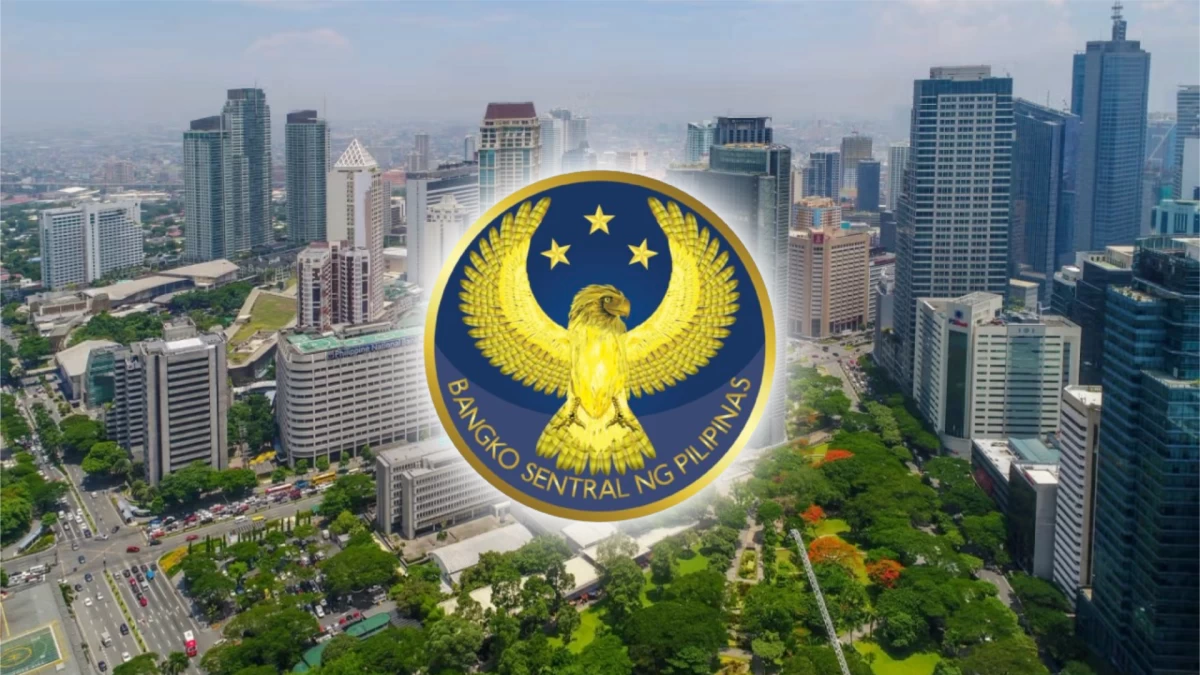
To manage risks tied to the growing Peso Real-Time Gross Settlement (RTGS) payment system, the Bangko Sentral ng Pilipinas (BSP) is drafting a policy to establish formal governance for stricter handling of member banks and nonbanks.

According to the 2025 Peso RTGS Payment System Report published last Monday, April 13, the BSP is currently developing this framework to “govern participant suspension and orderly exit” from the country’s primary settlement infrastructure, PhilPaSSplus.

The RTGS payment system processes large-value transactions, such as interbank transfers, immediately and individually without delay.

This effort aims to provide “supplemental rules and procedural guidelines, including defined activities and corresponding standard processing times,” for the suspension or termination of a participant’s access in alignment with RTGS rules.

Recall that late last year, the BSP, through a draft circular, sought to permanently terminate banks’ access to the payment system for reasons such as serious violations, closure of operations, or mergers.

However, the central bank will not permanently deactivate a participant’s RTGS account if it is placed under insolvency, bankruptcy, or rehabilitation, a situation that may instead warrant suspension.

By setting a clear “orderly exit” policy for noncompliant institutions, the BSP aims to reinforce the core of its payment system, ensuring it remains safe, efficient, and inclusive even as it becomes more integrated with the global economy.

Last year, PhilPaSSplus also settled annual transaction values equivalent to “20 to 30 times” the country’s output as measured by gross domestic product (GDP).

According to the BSP, “the growing interconnectedness of settlement transactions underscored the need for more effective means to prevent gridlocks and deadlocks, which can pose systemic risk to the financial system.”

Based on the report, the payment system onboarded 16 new financial institutions in 2025, including the “country’s largest non-bank electronic money issuer (EMI).”

With the total number of participants reaching 265, the BSP stressed that “fair, open, and inclusive governance” must be paired with rigorous compliance monitoring to maintain long-term stability.

Beyond governance, the BSP is leveraging technology to streamline operations. For one, the central bank is set to launch a new automation initiative next year.

“With internal testing completed in 2025 and implementation set for 2026, the [robotics process automation] project will enhance efficiency and modernize payment system operations.” This project targets the automation of user registration and connectivity renewals.

Related Tags

Bangko Sentral ng Pilipinas (BSP) Banks
ADVERTISEMENT
.most-popular .layout-ratio{ padding-bottom: 79.13%; } @media (min-width: 768px) and (max-width: 1024px) { .widget-title { font-size: 15px !important; } }

{{ articles_filter_1561_widget.title }}

.most-popular .layout-ratio{ padding-bottom: 79.13%; } @media (min-width: 768px) and (max-width: 1024px) { .widget-title { font-size: 15px !important; } }

{{ articles_filter_1562_widget.title }}

.most-popular .layout-ratio{ padding-bottom: 79.13%; } @media (min-width: 768px) and (max-width: 1024px) { .widget-title { font-size: 15px !important; } }

{{ articles_filter_1563_widget.title }}

{{ articles_filter_1564_widget.title }}

.mb-article-details { position: relative; } .mb-article-details .article-body-preview, .mb-article-details .article-body-summary{ font-size: 17px; line-height: 30px; font-family: "Libre Caslon Text", serif; color: #000; } .mb-article-details .article-body-preview iframe , .mb-article-details .article-body-summary iframe{ width: 100%; margin: auto; } .read-more-background { background: linear-gradient(180deg, color(display-p3 1.000 1.000 1.000 / 0) 13.75%, color(display-p3 1.000 1.000 1.000 / 0.8) 30.79%, color(display-p3 1.000 1.000 1.000) 72.5%); position: absolute; height: 200px; width: 100%; bottom: 0; display: flex; justify-content: center; align-items: center; padding: 0; } .read-more-background a{ color: #000; } .read-more-btn { padding: 17px 45px; font-family: Inter; font-weight: 700; font-size: 18px; line-height: 16px; text-align: center; vertical-align: middle; border: 1px solid black; background-color: white; } .hidden { display: none; }
function initializeAllSwipers() { // Get all hidden inputs with cms_article_id document.querySelectorAll('[id^="cms_article_id_"]').forEach(function (input) { const cmsArticleId = input.value; const articleSelector = '#article-' + cmsArticleId + ' .body_images'; const swiperElement = document.querySelector(articleSelector); if (swiperElement && !swiperElement.classList.contains('swiper-initialized')) { new Swiper(articleSelector, { loop: true, pagination: false, navigation: { nextEl: '#article-' + cmsArticleId + ' .swiper-button-next', prevEl: '#article-' + cmsArticleId + ' .swiper-button-prev', }, }); } }); } setTimeout(initializeAllSwipers, 3000); const intersectionObserver = new IntersectionObserver( (entries) => { entries.forEach((entry) => { if (entry.isIntersecting) { const newUrl = entry.target.getAttribute("data-url"); if (newUrl) { history.pushState(null, null, newUrl); let article = entry.target; // Extract metadata const author = article.querySelector('.author-section').textContent.replace('By', '').trim(); const section = article.querySelector('.section-info ').textContent.replace(' ', ' '); const title = article.querySelector('.article-title h1').textContent; // Parse URL for Chartbeat path format const parsedUrl = new URL(newUrl, window.location.origin); const cleanUrl = parsedUrl.host + parsedUrl.pathname; // Update Chartbeat configuration if (typeof window._sf_async_config !== 'undefined') { window._sf_async_config.path = cleanUrl; window._sf_async_config.sections = section; window._sf_async_config.authors = author; } // Track virtual page view with Chartbeat if (typeof pSUPERFLY !== 'undefined' && typeof pSUPERFLY.virtualPage === 'function') { try { pSUPERFLY.virtualPage({ path: cleanUrl, title: title, sections: section, authors: author }); } catch (error) { console.error('ping error', error); } } // Optional: Update document title if (title && title !== document.title) { document.title = title; } } } }); }, { threshold: 0.1 } ); function showArticleBody(button) { const article = button.closest("article"); const summary = article.querySelector(".article-body-summary"); const body = article.querySelector(".article-body-preview"); const readMoreSection = article.querySelector(".read-more-background"); // Hide summary and read-more section summary.style.display = "none"; readMoreSection.style.display = "none"; // Show the full article body body.classList.remove("hidden"); } document.addEventListener("DOMContentLoaded", () => { let loadCount = 0; // Track how many times articles are loaded const offset = [1, 2, 3, 4, 5, 6, 7, 8, 9, 10]; // Offset values const currentUrl = window.location.pathname.substring(1); let isLoading = false; // Prevent multiple calls if (!currentUrl) { console.log("Current URL is invalid."); return; } const sentinel = document.getElementById("load-more-sentinel"); if (!sentinel) { console.log("Sentinel element not found."); return; } function isSentinelVisible() { const rect = sentinel.getBoundingClientRect(); return ( rect.top < window.innerHeight && rect.bottom >= 0 ); } function onScroll() { if (isLoading) return; if (isSentinelVisible()) { if (loadCount >= offset.length) { console.log("Maximum load attempts reached."); window.removeEventListener("scroll", onScroll); return; } isLoading = true; const currentOffset = offset[loadCount]; window.loadMoreItems().then(() => { let article = document.querySelector('#widget_1690 > div:nth-last-of-type(2) article'); intersectionObserver.observe(article) loadCount++; }).catch(error => { console.error("Error loading more items:", error); }).finally(() => { isLoading = false; }); } } window.addEventListener("scroll", onScroll); });

Sign up by email to receive news.