ADVERTISEMENT

Why Filipinos must stay prudent despite cuts in fuel prices, taxes

Published Apr 15, 2026 12:03 am  |  Updated Apr 14, 2026 04:53 pm

After months of relentless fuel price hikes, the recent rollbacks, most notably the more than ₱20-per-liter cut in diesel, offer a much-needed breather for Filipino motorists. The accompanying reductions in gasoline and kerosene prices, along with the government’s move to slash excise taxes on liquefied petroleum gas and kerosene, signal a welcome shift toward easing the burden on households and businesses alike. For now, relief is real, tangible, and worth acknowledging.
But keep in mind, relief is not synonymous to stability.
The global backdrop remains deeply volatile. Ceasefire talks between the United States and Iran have collapsed, and tensions in key oil-producing regions are once again escalating. With threats of blockades and disruptions in crucial shipping lanes, particularly around the Persian Gulf, the risk of another price surge is imminent. The Strait of Hormuz, a vital artery for global oil supply, continues to hang in the balance of geopolitical brinkmanship. Any disruption there could quickly undo the gains we are now enjoying.
This is why optimism must be tempered with prudence.
The government’s initial response—cutting excise taxes—is a step in the right direction, but it cannot be the last. Authorities must be prepared to deploy a broader, more sustained set of interventions. Targeted subsidies for the most vulnerable sectors—transport workers, farmers, and low-income households—should be expanded and delivered efficiently. Investments in mass transportation must be accelerated, reducing dependence on private vehicles and imported fuel. At the same time, the country must double down on diversifying energy sources, particularly renewable energy, to insulate itself from external shocks that it cannot control.
Equally important is regulatory vigilance. Authorities must ensure that price rollbacks are fully and promptly passed on to consumers, without opportunistic pricing or delays. Transparency in pricing mechanisms will help rebuild public trust, especially after weeks of painful increases.
The private sector, too, has a critical role to play. Oil companies and distributors must act responsibly, reflecting cost reductions fairly and avoiding excessive profit-taking during periods of volatility. Businesses across industries can contribute by optimizing logistics, improving energy efficiency, and resisting the urge to immediately pass on costs to consumers when pressures ease. Employers might also explore flexible work arrangements, reducing commuting costs for workers while enhancing productivity.
Innovation should not be sidelined. Investments in alternative energy solutions, fuel-efficient technologies, and sustainable supply chains can provide longer-term resilience not just for companies, but for the broader economy.
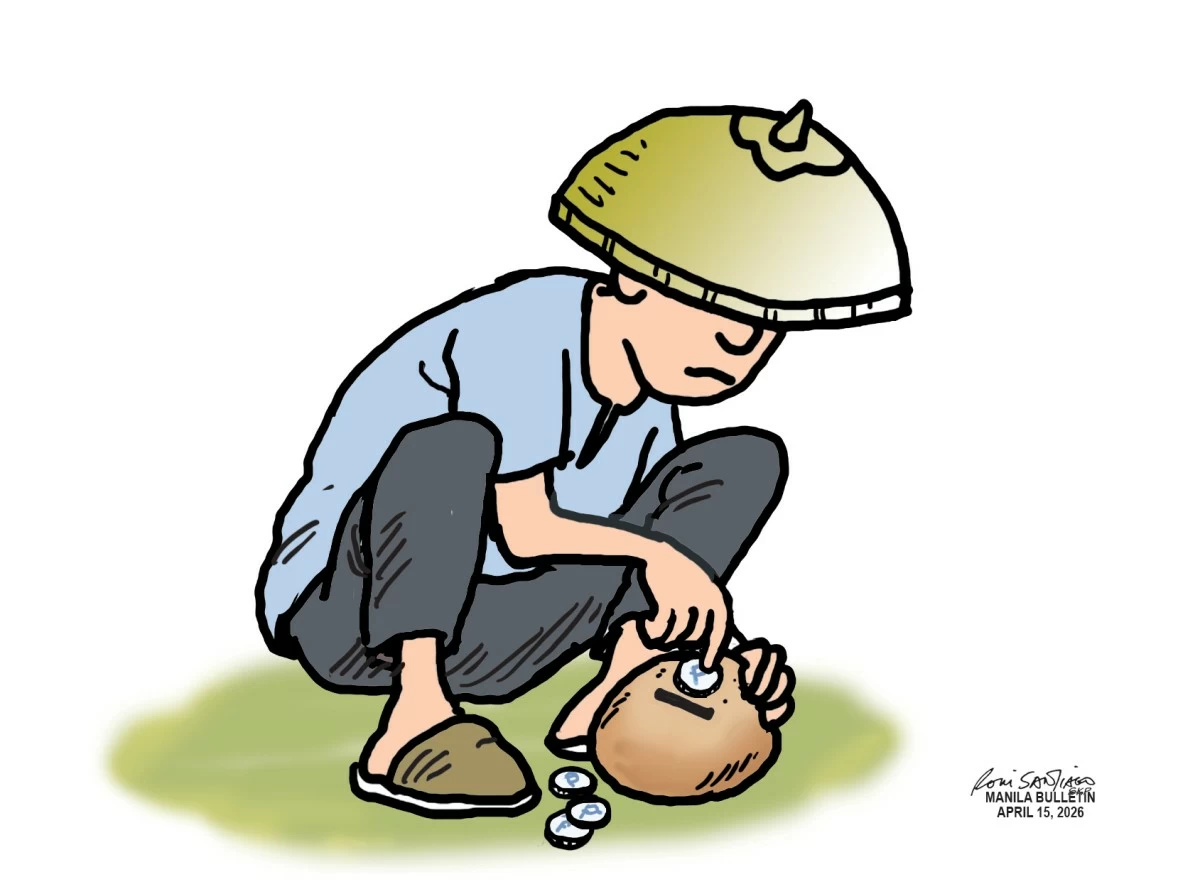
For ordinary citizens, the message is clear: this is not the time to let our guard down. The recent price cuts should not trigger complacency or a return to wasteful habits. Instead, they offer an opportunity to reinforce a culture of prudence. Conserving fuel, planning trips more efficiently, carpooling, and supporting energy-saving practices at home are small but meaningful contributions that, collectively, can make a difference.
Austerity, in this context, is not about deprivation—it is about discipline. It is about recognizing that global uncertainties can quickly reverse today’s gains, and that resilience begins with responsible choices at every level of society.
The current reprieve is welcome, even overdue. But it is, at best, a pause in a longer, uncertain journey. If the government, business, and citizens act with foresight and restraint, this moment of relief can become a foundation for greater stability. If not, we risk being caught off guard once again by forces beyond our shores.
For now, we take the win—but we must prepare for what may come next.

Related Tags

FUEL PRICE HIKES FUEL ROLLBACKS
ADVERTISEMENT
.most-popular .layout-ratio{ padding-bottom: 79.13%; } @media (min-width: 768px) and (max-width: 1024px) { .widget-title { font-size: 15px !important; } }

{{ articles_filter_1561_widget.title }}

.most-popular .layout-ratio{ padding-bottom: 79.13%; } @media (min-width: 768px) and (max-width: 1024px) { .widget-title { font-size: 15px !important; } }

{{ articles_filter_1562_widget.title }}

.most-popular .layout-ratio{ padding-bottom: 79.13%; } @media (min-width: 768px) and (max-width: 1024px) { .widget-title { font-size: 15px !important; } }

{{ articles_filter_1563_widget.title }}

{{ articles_filter_1564_widget.title }}

.mb-article-details { position: relative; } .mb-article-details .article-body-preview, .mb-article-details .article-body-summary{ font-size: 17px; line-height: 30px; font-family: "Libre Caslon Text", serif; color: #000; } .mb-article-details .article-body-preview iframe , .mb-article-details .article-body-summary iframe{ width: 100%; margin: auto; } .read-more-background { background: linear-gradient(180deg, color(display-p3 1.000 1.000 1.000 / 0) 13.75%, color(display-p3 1.000 1.000 1.000 / 0.8) 30.79%, color(display-p3 1.000 1.000 1.000) 72.5%); position: absolute; height: 200px; width: 100%; bottom: 0; display: flex; justify-content: center; align-items: center; padding: 0; } .read-more-background a{ color: #000; } .read-more-btn { padding: 17px 45px; font-family: Inter; font-weight: 700; font-size: 18px; line-height: 16px; text-align: center; vertical-align: middle; border: 1px solid black; background-color: white; } .hidden { display: none; }
function initializeAllSwipers() { // Get all hidden inputs with cms_article_id document.querySelectorAll('[id^="cms_article_id_"]').forEach(function (input) { const cmsArticleId = input.value; const articleSelector = '#article-' + cmsArticleId + ' .body_images'; const swiperElement = document.querySelector(articleSelector); if (swiperElement && !swiperElement.classList.contains('swiper-initialized')) { new Swiper(articleSelector, { loop: true, pagination: false, navigation: { nextEl: '#article-' + cmsArticleId + ' .swiper-button-next', prevEl: '#article-' + cmsArticleId + ' .swiper-button-prev', }, }); } }); } setTimeout(initializeAllSwipers, 3000); const intersectionObserver = new IntersectionObserver( (entries) => { entries.forEach((entry) => { if (entry.isIntersecting) { const newUrl = entry.target.getAttribute("data-url"); if (newUrl) { history.pushState(null, null, newUrl); let article = entry.target; // Extract metadata const author = article.querySelector('.author-section').textContent.replace('By', '').trim(); const section = article.querySelector('.section-info ').textContent.replace(' ', ' '); const title = article.querySelector('.article-title h1').textContent; // Parse URL for Chartbeat path format const parsedUrl = new URL(newUrl, window.location.origin); const cleanUrl = parsedUrl.host + parsedUrl.pathname; // Update Chartbeat configuration if (typeof window._sf_async_config !== 'undefined') { window._sf_async_config.path = cleanUrl; window._sf_async_config.sections = section; window._sf_async_config.authors = author; } // Track virtual page view with Chartbeat if (typeof pSUPERFLY !== 'undefined' && typeof pSUPERFLY.virtualPage === 'function') { try { pSUPERFLY.virtualPage({ path: cleanUrl, title: title, sections: section, authors: author }); } catch (error) { console.error('ping error', error); } } // Optional: Update document title if (title && title !== document.title) { document.title = title; } } } }); }, { threshold: 0.1 } ); function showArticleBody(button) { const article = button.closest("article"); const summary = article.querySelector(".article-body-summary"); const body = article.querySelector(".article-body-preview"); const readMoreSection = article.querySelector(".read-more-background"); // Hide summary and read-more section summary.style.display = "none"; readMoreSection.style.display = "none"; // Show the full article body body.classList.remove("hidden"); } document.addEventListener("DOMContentLoaded", () => { let loadCount = 0; // Track how many times articles are loaded const offset = [1, 2, 3, 4, 5, 6, 7, 8, 9, 10]; // Offset values const currentUrl = window.location.pathname.substring(1); let isLoading = false; // Prevent multiple calls if (!currentUrl) { console.log("Current URL is invalid."); return; } const sentinel = document.getElementById("load-more-sentinel"); if (!sentinel) { console.log("Sentinel element not found."); return; } function isSentinelVisible() { const rect = sentinel.getBoundingClientRect(); return ( rect.top < window.innerHeight && rect.bottom >= 0 ); } function onScroll() { if (isLoading) return; if (isSentinelVisible()) { if (loadCount >= offset.length) { console.log("Maximum load attempts reached."); window.removeEventListener("scroll", onScroll); return; } isLoading = true; const currentOffset = offset[loadCount]; window.loadMoreItems().then(() => { let article = document.querySelector('#widget_1690 > div:nth-last-of-type(2) article'); intersectionObserver.observe(article) loadCount++; }).catch(error => { console.error("Error loading more items:", error); }).finally(() => { isLoading = false; }); } } window.addEventListener("scroll", onScroll); });

Sign up by email to receive news.