







Project RISE: Empowering early childhood education teachers for impact
Published Apr 15, 2026 12:01 am
|
Updated Apr 14, 2026 05:04 pm


BEYOND BUDGET
Assalamu alaikum wa Rahmatullahi wa Barakatuh.
I was honored to be invited to deliver a short video message for the launch of the training of Early Childhood Development Teachers for Local Government Units (LGUs) under Project RISE — Reskilling, Innovating, Sustaining Excellence in Early Childhood Education (ECE) Teaching.
RISE is a nationwide training program designed by the Philippine Normal University to upskill and reskill select ECE teachers from LGUs, focusing on Pre-Kindergarten to Grade 3 educators through onsite and blended learning modalities. Its goal is to strengthen ECE teachers’ proficiency in early grade instruction. It also serves as a foundational academic pathway for participants who may wish to pursue further studies and professional credentials in early childhood education.
As you may know, ECE is one of the advocacies close to my heart.
When I was still secretary of the Department of Budget and Management, I often found myself coming back to a question that rarely makes headlines but always shapes outcomes: What does public spending actually mean for the people, in a child’s life?
We talk about budgets in billions, programs in acronyms, and reforms in technical terms. But behind all of that are simple, everyday realities. A child learning to speak clearly. A teacher who gently guides a small group through their first reading exercise. A modest classroom where confidence grows quietly and steadily.
Over time, I came to see early childhood development as the point where public finance becomes most real. It is where numbers stop being abstract and start becoming something families can feel.
This is why initiatives like Project RISE matter. At its core, it is not just about training sessions or program rollouts. It is about strengthening the people who stand at the very beginning of a child’s learning journey, our Child Development Teachers and Workers.
Throughout my years in DBM, I held on to one belief: If governance does not reach the ground, it has not succeeded. Policies may be well-crafted and budgets fully released, but their value is measured by whether people actually experience the difference.
Early childhood education shows this clearly. Its impact is not immediate or dramatic. It unfolds slowly, often unnoticed at first. But it stays, shaping how a child learns, interacts, and begins to understand the world.
This is why investing in teachers is not a secondary effort—it is the heart of reform. A supported and confident teacher does more than deliver lessons. They shape how children approach learning themselves, how they relate to others, and how they begin to see their own abilities.
And yet, this work rarely draws attention. Early childhood classrooms are not loud places. They are built on routine, patience, and small, repeated efforts that most people never see. But it is precisely in these quiet moments that real learning takes root.
Project RISE recognizes this.
Reskilling ensures that teachers continue to grow as learning needs evolve. Innovation gives them space to explore better ways of teaching. Sustaining excellence ensures that these improvements last—that they do not fade after a single training cycle but become part of everyday practice.
In public service, I learned that sustainability is often the most difficult part. Starting a program is one thing. But making sure it continues to improve over time is another matter.
This is where LGUs become essential. They are closest to the communities. They understand the realities families face, the resource gaps, and the small adjustments that make programs work. When they are given the right support, they do not just implement—they adapt, refine, and strengthen.
Strengthening local capacity, then, is not just a technical concern. It is a decision that determines whether reforms take root or remain uneven.
In one of his most enduring reflections, Robert Fulghum wrote in his book of short essays, “All I Really Need to Know I Learned in Kindergarten: What we learn in kindergarten comes up again and again in our lives as long as we live.”
It is a simple line, but it captures something deeply true. The earliest years of learning are not just preparation—they are the foundation. Long before advanced education or professional success, it is in those first classrooms where many of life’s essential lessons begin.
This is why the work of Child Development Teachers and Workers carries such weight. They are often the first to introduce structure beyond the home, the first to nurture curiosity, and sometimes the first to help a child feel capable.
Beyond budget, Project RISE represents not a dramatic change but a steady strengthening. Not visibility for its own sake, but impact that lasts.
And, as Citizen Mina, I believe we must continue to treat early childhood development as a shared responsibility. We must support our teachers not only through training, but with trust and recognition. We must empower local governments to shape programs based on their realities. And we must never lose sight of the fact that the strongest foundations of a nation are built long before formal schooling begins.
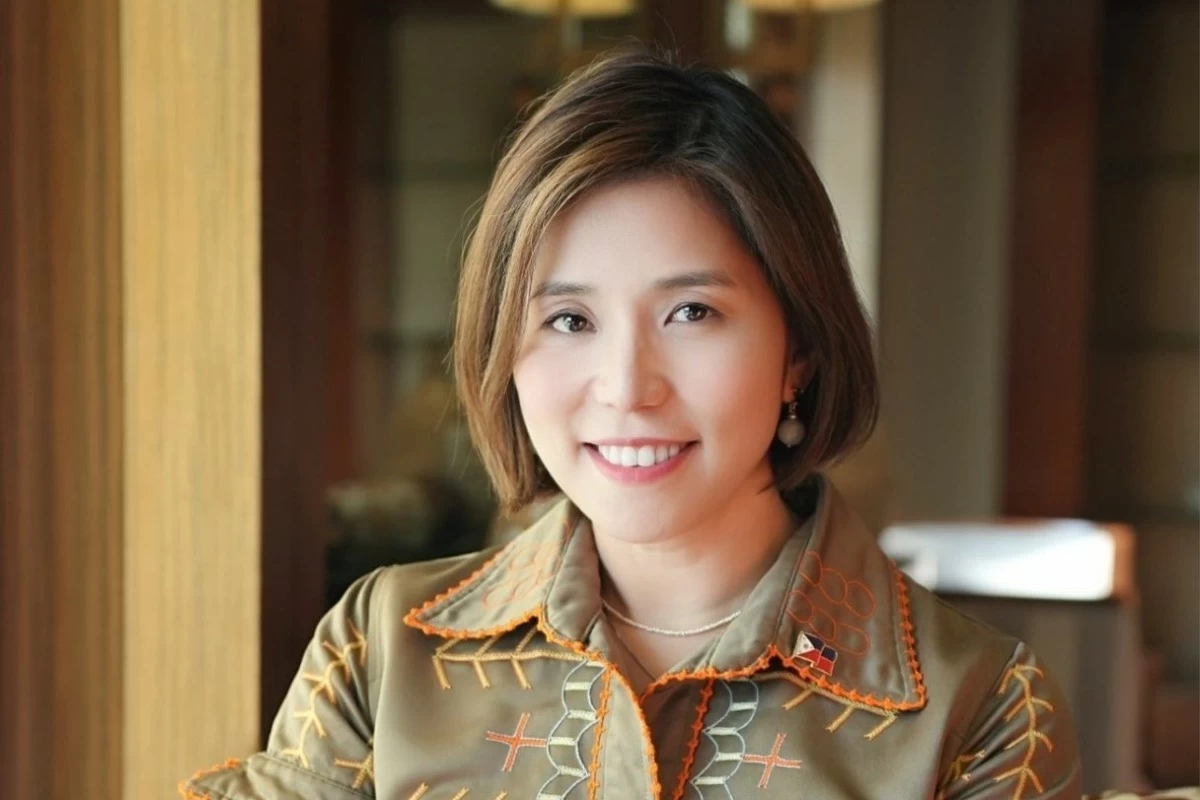
(Amenah F. Pangandaman is the former Secretary of the Department of Budget and Management.)