






Manila Bulletin
 Philippines
National
'Para laging handa!' PH, US troops train for modern war in Exercise 'Salaknib'
Philippines
National
'Para laging handa!' PH, US troops train for modern war in Exercise 'Salaknib'
Philippines
National
'Para laging handa!' PH, US troops train for modern war in Exercise 'Salaknib'
'Para laging handa!' PH, US troops train for modern war in Exercise 'Salaknib'
Published Apr 15, 2026 01:43 pm


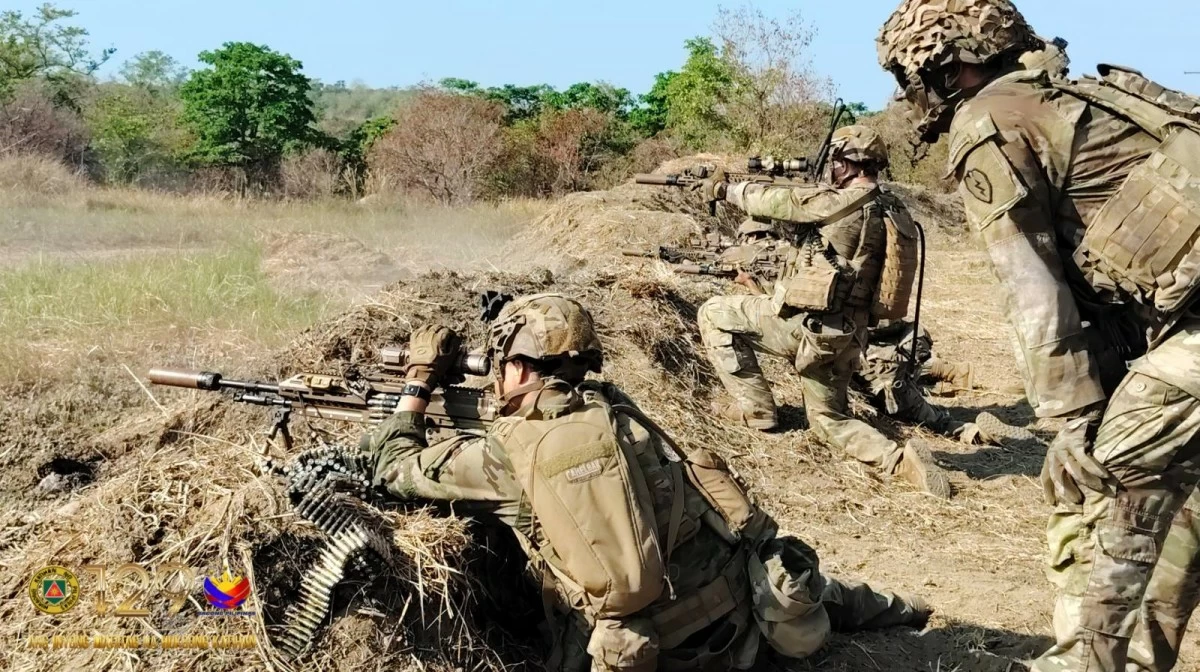
Troops from the United States Army Pacific (USARPAC) test their marksmanship skills against foreign terrain during the squad live fire exercise as part of Exercise Salaknib with the Philippine Army (PA) at Fort Ramon Magsaysay in Nueva Ecija on April 14, 2026. (Photo: PA)
Filipino and American soldiers trained together for the full spectrum of modern combat as part of the Exercise “Salaknib” which spanned live fire, drone warfare, electronic warfare, and survival in resource-scarce environments.
Troops from the Philippine Army (PA) and the United States Army Pacific (USARPAC) carried out a series of exercises under Phase 1 of Exercise Salaknib at Fort Magsaysay in Nueva Ecija from April 10 to April 14.
Salaknib is an annual bilateral exercise aimed at enhancing the combined capabilities of the PA and US Army, strengthening Manila and Washington’s alliance, and reinforcing a shared commitment to a free and open Indo-Pacific. It complements larger drills, such as the Exercise “Balikatan,” while emphasizing ground tactics and emerging threats.
During the squad live fire exercise, the troops pushed their marksmanship and small-unit coordination to the limit. Troops moved through combat lanes with live ammunition and engaged targets under pressure as the drills tested accuracy and discipline, and reinforced trust within squads.
“The squad live fire aims to evaluate the combat abilities of troops moving as one unit, responding to realistic battle environments with live ammunition and firepower. Squad leaders, in turn, must direct their teams towards victory anchored on precision and mastery,” PA spokesperson Col. Louie Dema-ala said Wednesday, April 15.
The participants also conducted bilateral infantry squad drills where both forces shared common tactics and procedures needed in combined readiness and interoperability before conducting live-fire training.
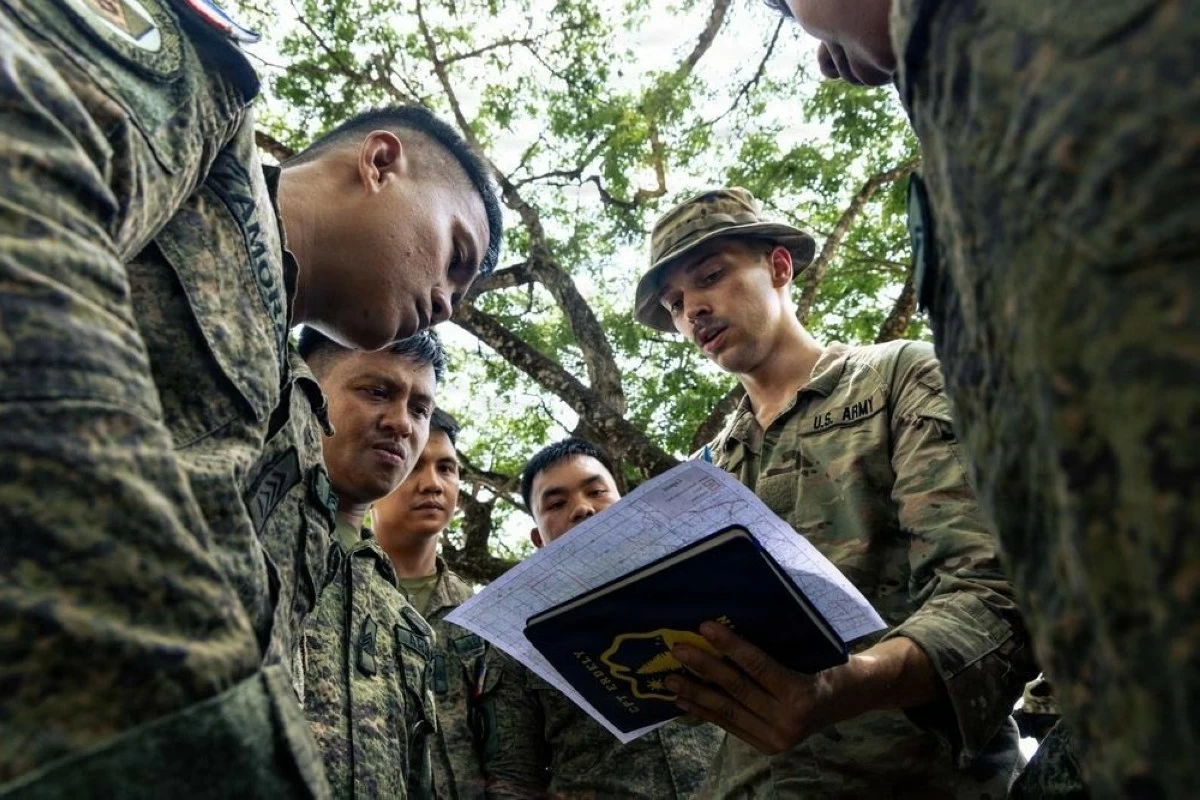
A forward observer from the US Army Pacific 25th Infantry Division demonstrates how to plot grid coordinates during foundational training activities as part of the ongoing Exercise Salaknib Phase 1 at Fort Magsaysay in Nueva Ecija. (Photo: Philippine Army)
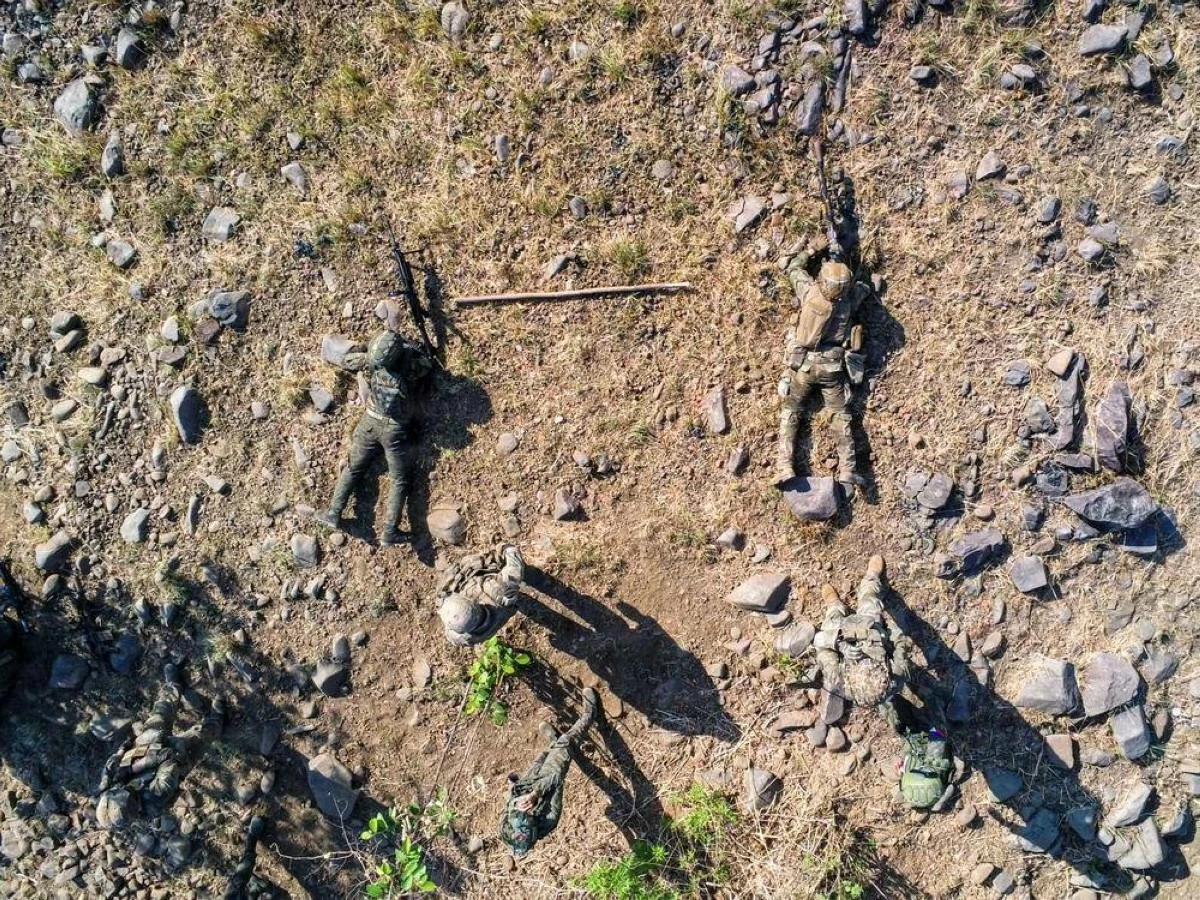
Philippine Army and US Army Pacific 25th Infantry Division infantrymen engage targets during a bilateral live-fire as part of the ongoing Exercise Salaknib Phase 1 at Fort Magsaysay in Nueva Ecija. (Photo: Philippine Army)
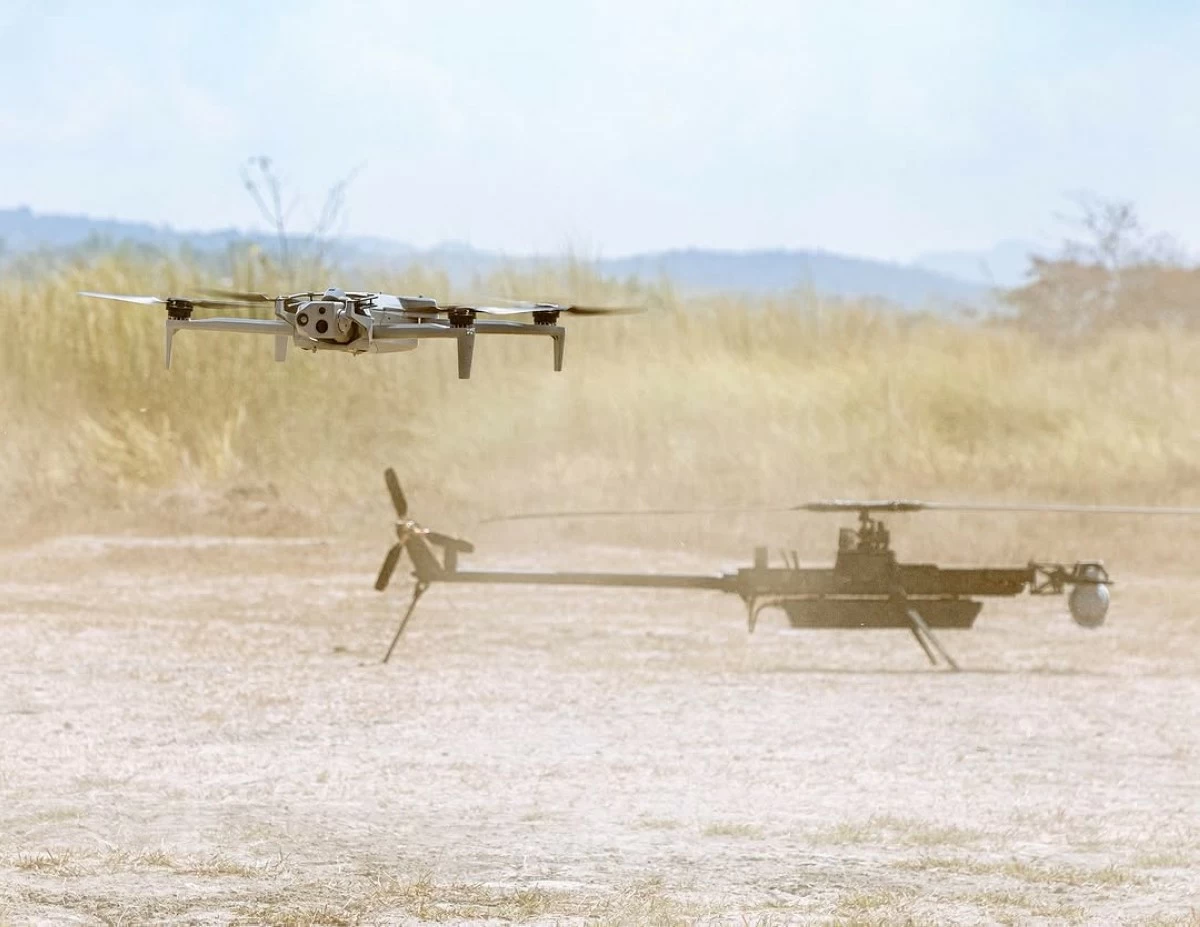
Philippine Army and US Army Pacific's 25th Infantry Division soldiers train together on Small Unmanned Aircraft System (SUAS) operations, a key component in operationalizing the Philippine Army’s support to the Comprehensive Archipelagic Defense Operations to protect the nation's territorial integrity. (Photo: US Army Pacific)
Electronic shields, water scarcity
Electronic warfare also formed part of the training as the soldiers worked on maintaining communications under pressure.
“Troops from both armies also conducted electronic warfare training that focused on foundational proficiency, individual skills, and team integration that ensured tactical signature management and communication resiliency in contested environments,” Dema-ala said.
The troops also trained to sustain operations in remote areas and water access was treated as a critical concern in prolonged missions.
“On sustainment training, Filipino and American ground troops trained together on water filtration operations to ensure partner forces have critical resources to enhance expeditionary sustainment,” Dema-ala noted.
Drones and ‘distributed lethality’
Drone operations marked another key area as troops focused on Small Unmanned Aircraft System (SUAS) operations to improve surveillance and targeting. The training supports Manila’s shift toward archipelagic defense as military planners want to secure vast coastlines using modern surveillance and strike capabilities.
“The combined training, which highlights the Philippine Army’s ongoing Land Domain Transformation, featured hands-on instruction on state-of-the-art platforms to ensure distributed lethality in contested environments,” Dema-ala explained.
Troops operated First-Person View (FPV) platforms and vertical take-off and landing aircraft. Filipino soldiers even demonstrated their homegrown control systems to US instructors.
“This exchange of technical expertise aligns with the PA’s push for a Self-Reliant Defense Posture (SRDP), ensuring our troops are masters of modern, homegrown, and integrated technologies,” Dema-ala said.
Integrated operations
The PA said the training reflected a broader shift in military planning where the focus is now on integrated operations across land, air, and electronic domains.
“Integration of new assets and capabilities ensures that these systems work for the organization’s greatest power – its personnel,” Dema-ala said.