







Cotabato readies for El Niño
Published Apr 15, 2026 02:20 pm


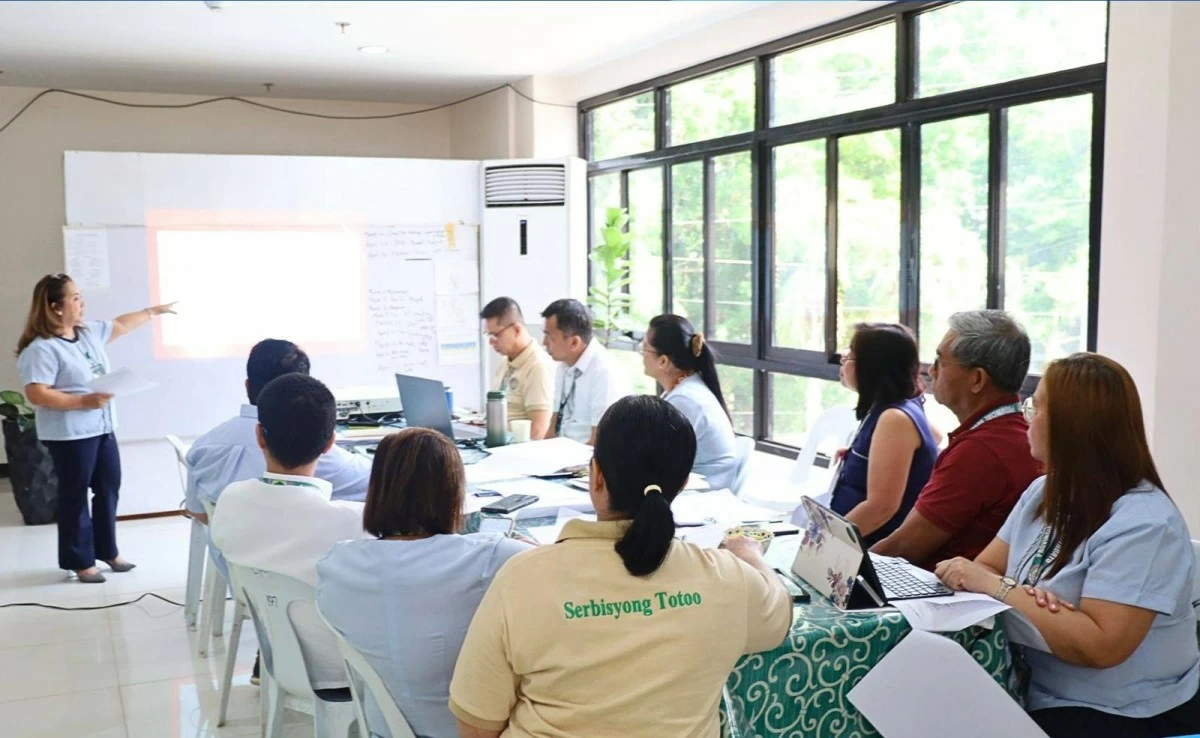
THE provincial government of Cotabato discusses measures against El Niño in a meeting. (Provincial Government of Cotabato photo)
DAVAO CITY – The provincial government of Cotabato is strengthening its efforts to prepare for the possible adverse impacts of El Niño which is expected to hit the country starting July.
Gov. Emmylou Taliño-Mendoza is eyeing to form a Task Force El Niño to monitor the implementation of preparations and programs to cushion the impact of the expected dry spell on the agriculture sector, water supply, and livelihood of communities in the province.
Mendoza has yet to issue an executive order to formally form the body but she has directed concerned agencies, including the Provincial Disaster Risk Reduction and Management Office (PDRRMO), to conduct an inventory of existing water impounding projects in the province.
She urged agencies to intensify their information, education, and communication (IEC) campaign.
We should be holistic in our approach, ensuring that all concerned offices are aligned and proactive in implementing measures that will mitigate the adverse effects of El Niño on agriculture, water supply, and the general welfare of our constituents, Mendoza said.
The governor issued the directive as the Philippine Atmospheric, Geophysical, and Astronomical Services Administration said that the El Niño Southern Oscillation (ENSO) is in the tropical Pacific.
Following the end of the recent La Niña event last March, ENSO-neutral prevails and is most likely to persist until the June-July-August 2026 season.
“However, model forecasts suggest an increasing probability of El Niño conditions as early as the July-August-September (JAS) season of 2026,” PAGASA said in a statement.
According to the State weather bureau, El Niño is a warm phase of ENSO characterized by warmer-than-average sea surface temperatures in the Central and Eastern Equatorial Pacific.
During this period, PAGASA said that El Niño increases the likelihood of below-normal rainfall conditions, which could bring negative impacts (such as dry spells and droughts) in some areas of the country.
Mendoza has ordered the repositioning of resources as part of the provincial government’s measures on El Niño.
The provincial government is crafting a provincial food security plan not just in preparation for the dry spell but also for impact of the oil crisis due to the Middle East conflict.
The provincial government has convened the agriculture-fishery sector, municipal agriculturists, Provincial Agriculture and Fisheries Council (PAFC), and project leaders of the Office of the Provincial Agriculturist to beef up initiatives in ensuring food security in the province.
Among the initiatives that will be undertaken is the distribution of vegetable seeds, establishment of community gardens, strengthening of the rice revolution program, fingerlings dispersal, distribution of ready-to-lay hens, and other programs that could boost the food production in the province.
Mendoza reminded her constituents amid the oil crisis and the threat of El Niño. “We are facing a crisis that we think it’s just simple, but it’s not. We have to reposition our resources to ensure that nobody will die because of this crisis.”