






Manila Bulletin
 Lifestyle
Food
CCA Manila internship program prepares students for real kitchen work
Lifestyle
Food
CCA Manila internship program prepares students for real kitchen work
Lifestyle
Food
CCA Manila internship program prepares students for real kitchen work
CCA Manila internship program prepares students for real kitchen work
CCA Manila internship program prepares students for real kitchen work
Published Apr 15, 2026 07:39 am
|
Updated Apr 15, 2026 03:36 pm


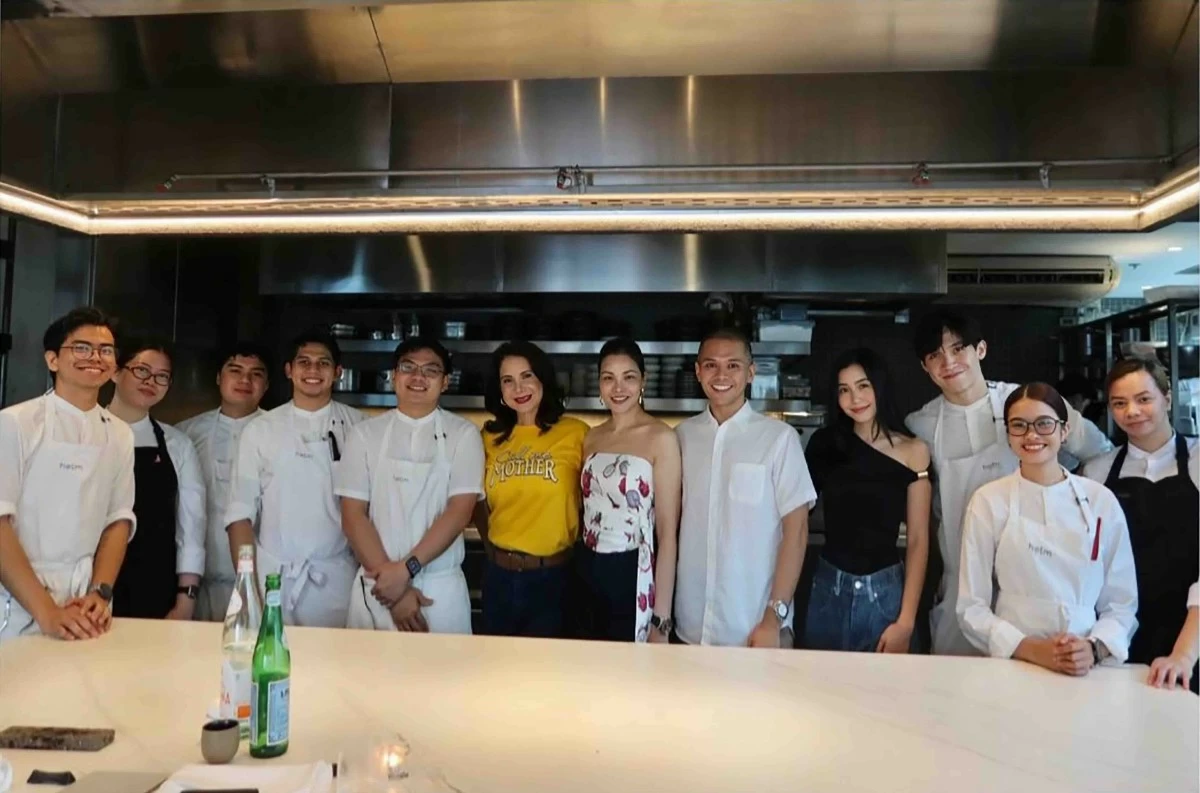
Krysta Clyde Batisla-on (far right) with Helm chefs and guests (Photo courtesy of CCA Manila)
There is a point in every culinary student’s training when practice shifts into something more demanding. Not a classroom exercise, but a working kitchen, where pace, pressure, and precision come together.
At CCA Manila, that transition is built into the program. Its Diploma in Culinary Arts and Technology Management, or DCATM, includes structured internships designed to place students in professional kitchens across the city.
For nearly three decades, the school has positioned itself around that idea of readiness. The internship is not treated as an add-on, but as part of the training, placing students in kitchens where consistency and discipline are expected from day one.
Preparation begins before students step into those spaces. Training covers classical techniques, sanitation, mise en place, and kitchen systems, forming the base that students carry into their placements. By the time they report for internship, they are expected to take on roles, not just observe.
For Andrei Xavier Lorenz B. Factora, that shift became clear during his time at Hapag, and later at Ayà. Moving across stations, he encountered a level of discipline that went beyond what he had seen in school, but the adjustment was not as difficult as expected. The standards were higher, but familiar.
Krysta Clyde Batisla-on had a similar experience at Helm by Josh Boutwood, where precision and timing shaped each station. “In school, we had time to refine our movements,” she said. “In the kitchen, you have to get it right the first time.”
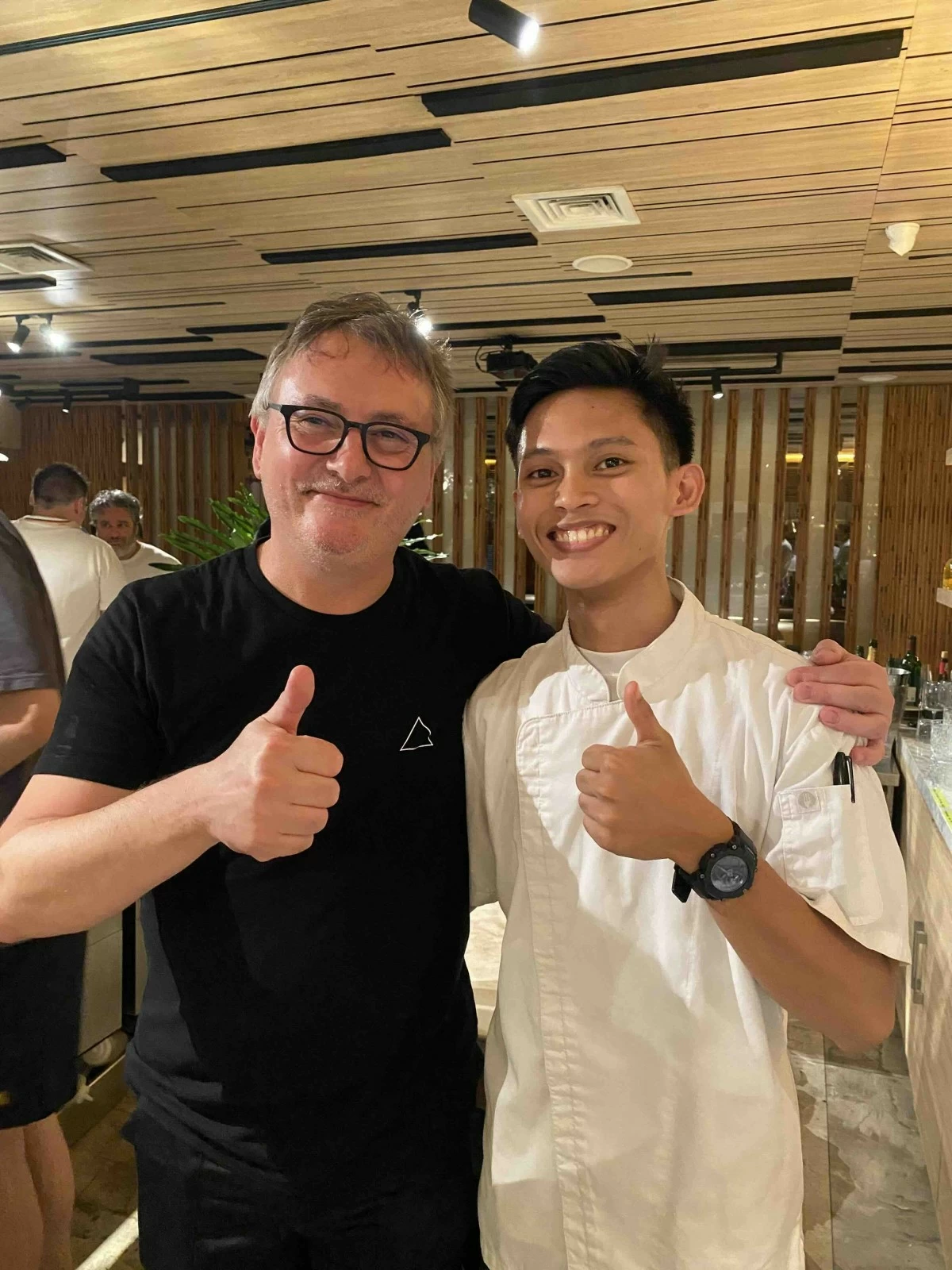
Rhey John A. Villamor worked as an intern at Gallery by Chele. With him is Spanish chef Andoni Luis Aduriz, one of the restaurant's esteemed guest chef collaborators. (Photo courtesy of CCA Manila)
At Kasa Palma, Mardean Roque found himself adapting quickly across stations, drawing from the fundamentals he had learned. The experience pushed him beyond technique, into areas such as leadership and awareness of how a kitchen moves as a whole.
Ryanne Louise C. Casuga, also assigned at Kasa Palma, pointed to the importance of efficiency and respect for ingredients, noting how little is wasted in a professional setup. The pace required adjustment, but the emphasis on teamwork and accountability carried over from training.
For Rhey John A. Villamor, his time at Gallery by Chele expanded the scope of what he understood about kitchen work. Production, coordination, and communication became as important as cooking itself.
“Across these varied internship placements, one theme emerges consistently: CCA students arrive prepared. They understand kitchen hierarchy, respect sanitation protocols. They grasp mise en place not as theory but as operational necessity, and most of all, they show up ready to work,” said Chef Kerwin Funtanilla, program manager of the Academic Department. “Internship, therefore, is not an add-on feature of the DCATM program. It is its proving ground.”
That consistency is part of why partner restaurants continue to take in interns from the school. The expectation is already set, not just in skill, but in work ethic and conduct.
In an industry where pace leaves little room for adjustment, that preparation matters. For students, the internship becomes less about stepping into something unfamiliar, and more about applying what they have already been trained to do.
For more information on the DCATM program, visit cca-manila.edu.ph.
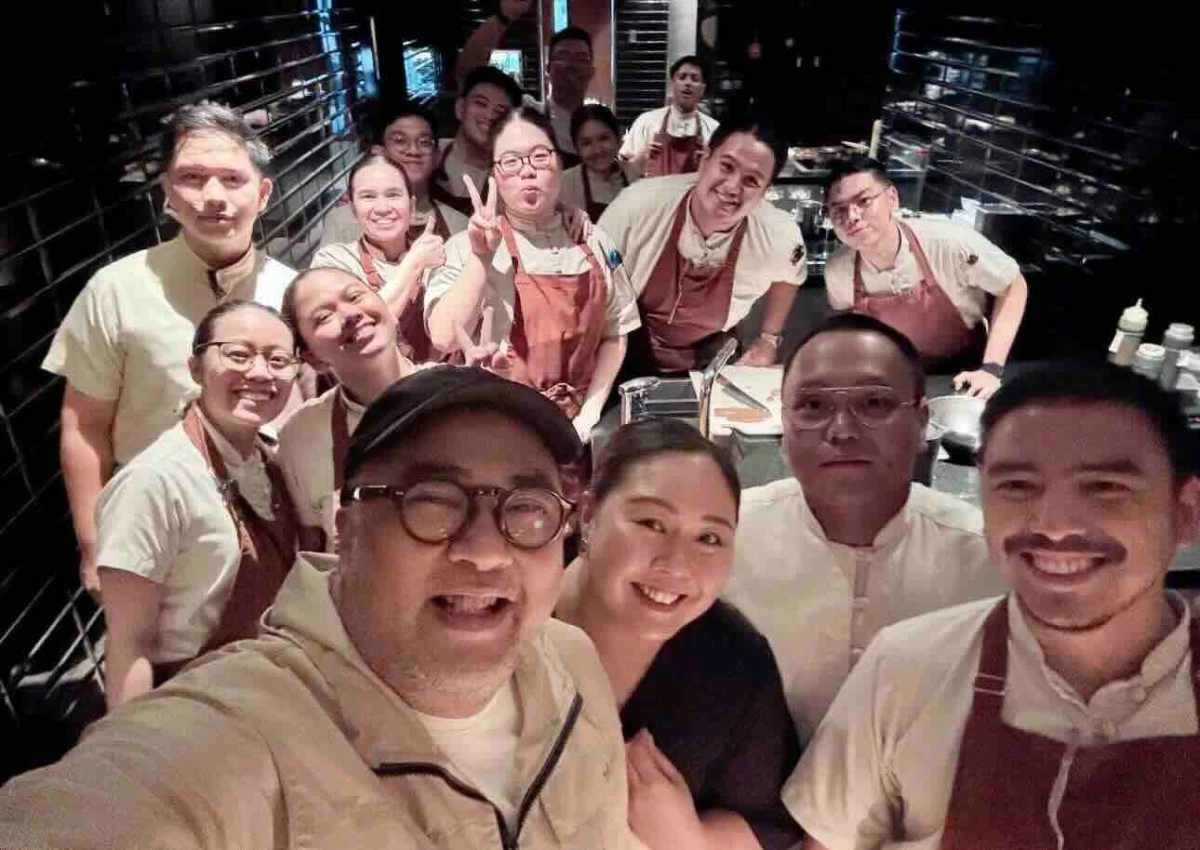
Andrei Xavier Lorenz B. Factora (middle row, second from right) worked as an intern in a professional kitchen in Hapag. (Photo courtesy of CCA Manila)