






 Business
The Economy
BOC orders ports to fast-track essential shipments amid energy emergency
Business
The Economy
BOC orders ports to fast-track essential shipments amid energy emergency
BOC orders ports to fast-track essential shipments amid energy emergency
By Derco Rosal


At A Glance
- As energy, transport, and trade departments have been mandated to streamline their operations, the Bureau of Customs (BOC) has also been ordered to fast-track shipments of essential goods to avoid additional costs under a state of national energy emergency.
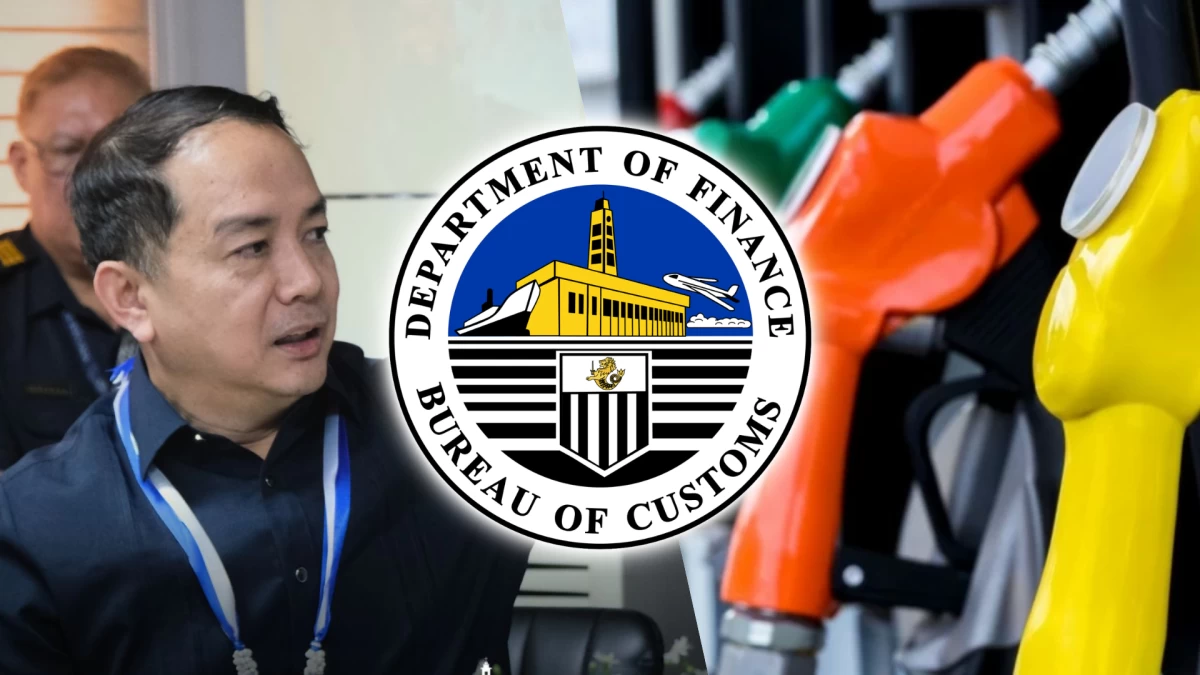
The Bureau of Customs (BOC) is fast-tracking shipments of essential goods to prevent additional costs under a state of national energy emergency.
Responding to an April 8 Presidential directive from the Office of the Executive Secretary (ES), Customs Commissioner Ariel F. Nepomuceno mobilized all district and port collectors and directed them to address “port congestion, such as by adopting swift clearance procedures at ports, to avoid significant delays in delivery and increases in logistics costs of goods.”
“Review the existing shipping line fee structure and provide recommendations to address unabated increases in shipping charges,” Nepomuceno said in the latest memorandum he issued last Tuesday, April 14.
Nepomuceno’s mandate follows the Unified Package for Livelihoods, Industry, Food, and Transport (UPLIFT) framework, a whole-of-government strategy to respond to the demands of the energy emergency declared by President Ferdinand R. Marcos Jr. last month under Executive Order (EO) No. 110.
This approach requires all agencies to prioritize “bureaucratic efficiency, the unhampered movement of essential goods, people, and services, and the application of necessary and proportionate compliance mechanisms.”
For the BOC, this means faster processing of permits, licenses, and other necessary approvals.
Further, the framework targets market stability and consumer protection, as the government is also “taking action against hoarding, profiteering, and supply manipulation, including measures to address sudden or extraordinary increases in petroleum product prices arising from such acts.”
To aid those most affected by rising costs, the Department of Transportation (DOTr) will extend support to the public transport sector through assistance programs, including fuel subsidies and commuter fare subsidies.
Given the surging prices of fuel and other petroleum products, all ports have been directed to submit a status report within five days and provide updates every five days thereafter until full compliance is achieved.
Marcos’ energy emergency declaration is intended to shield national interests by ensuring the stability of the domestic energy supply and sustaining economic activity amid threats stemming from recent military hostilities between the United States (US) and Iran.
This declaration “shall remain in force and effect for one year from issuance hereof, unless otherwise extended or lifted by the President,” the memo read.
These tensions, which prompted a blockade in the Strait of Hormuz, have caused significant volatility and triggered successive spikes in global oil prices. Around one-fifth of the world’s oil supply, and the majority of Philippine supply, passes through the critical waterway.