






Manila Bulletin
 Business
Banking & Finance
BSP moves to protect banks, borrowers from high oil prices
Business
Banking & Finance
BSP moves to protect banks, borrowers from high oil prices
Business
Banking & Finance
BSP moves to protect banks, borrowers from high oil prices
BSP moves to protect banks, borrowers from high oil prices
By Derco Rosal
Published Apr 14, 2026 09:18 pm


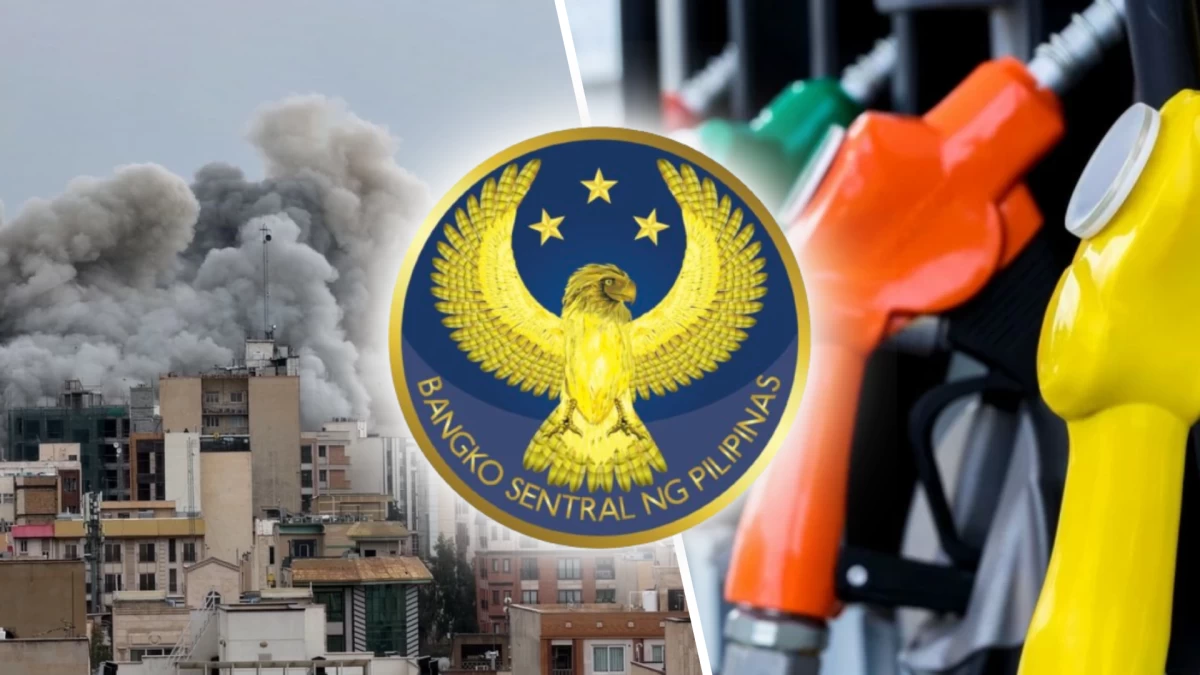
The Bangko Sentral ng Pilipinas (BSP) is opening the door for banks to seek regulatory relief as the government scrambles to cushion the economy from energy supply shocks and surging fuel costs sparked by escalating Middle East tensions.
This announcement, approved under Monetary Board Resolution No. 296 on April 8, comes in direct response to President Ferdinand Marcos Jr.’s recent declaration of a state of national energy emergency.
According to BSP Memorandum No. 2026-014, signed by Governor Eli M. Remolona Jr., BSP-supervised financial institutions (BSFIs) could apply for regulatory relief measures “to support banks and their clients in sustaining economic activity during the period of the energy emergency.”
Such relief measures include those outlined in Section 1151 of the Manual of Regulations for Banks (MORB).
Last month, Marcos made the energy emergency declaration in response to developments triggered by heightened tensions in the Middle East. “The crisis resulted in, among others, rising oil prices and disruptions in energy supply,” the BSP said.
Given the challenging environment, the BSP has moved to establish a framework that supports both banks and their clients, helping ensure the broader economy remains resilient amid energy-linked pressures.
According to the memo, the official inception date for these relief measures is retroactively set to March 24—nearly a month after the flare-up of the war.
BSFIs have a one-year window from this date to apply for relief, provided they meet the necessary notification, documentation, and reporting standards.
However, the BSP is urging prudence and targeted application of these measures.
“Applicable relief is extended only where there is evidence of financial pressure or deterioration in the borrower’s repayment capacity attributable to the energy emergency, based on a reasonable and adequately supported assessment,” the BSP said.
These assessments must be reasonable and adequately supported to remain consistent with safe and sound banking practices.
Further, any specific relief terms must be mutually agreed upon by the lender and the affected borrower.
Beyond credit measures, the BSP is strongly encouraging banks “to temporarily suspend fees and charges imposed on the use of online banking platforms or electronic money services, including InstaPay or PESONet electronic fund transfers.”
This initiative is intended to facilitate financial transactions and ensure that the public maintains uninterrupted access to essential banking services throughout the energy crisis.