






Manila Bulletin
 Philippines
National
'Araw-araw sipag lang!' Returning OFWs turn to TESDA training for green jobs, side incomes
Philippines
National
'Araw-araw sipag lang!' Returning OFWs turn to TESDA training for green jobs, side incomes
Philippines
National
'Araw-araw sipag lang!' Returning OFWs turn to TESDA training for green jobs, side incomes
'Araw-araw sipag lang!' Returning OFWs turn to TESDA training for green jobs, side incomes
Published Apr 14, 2026 12:09 pm


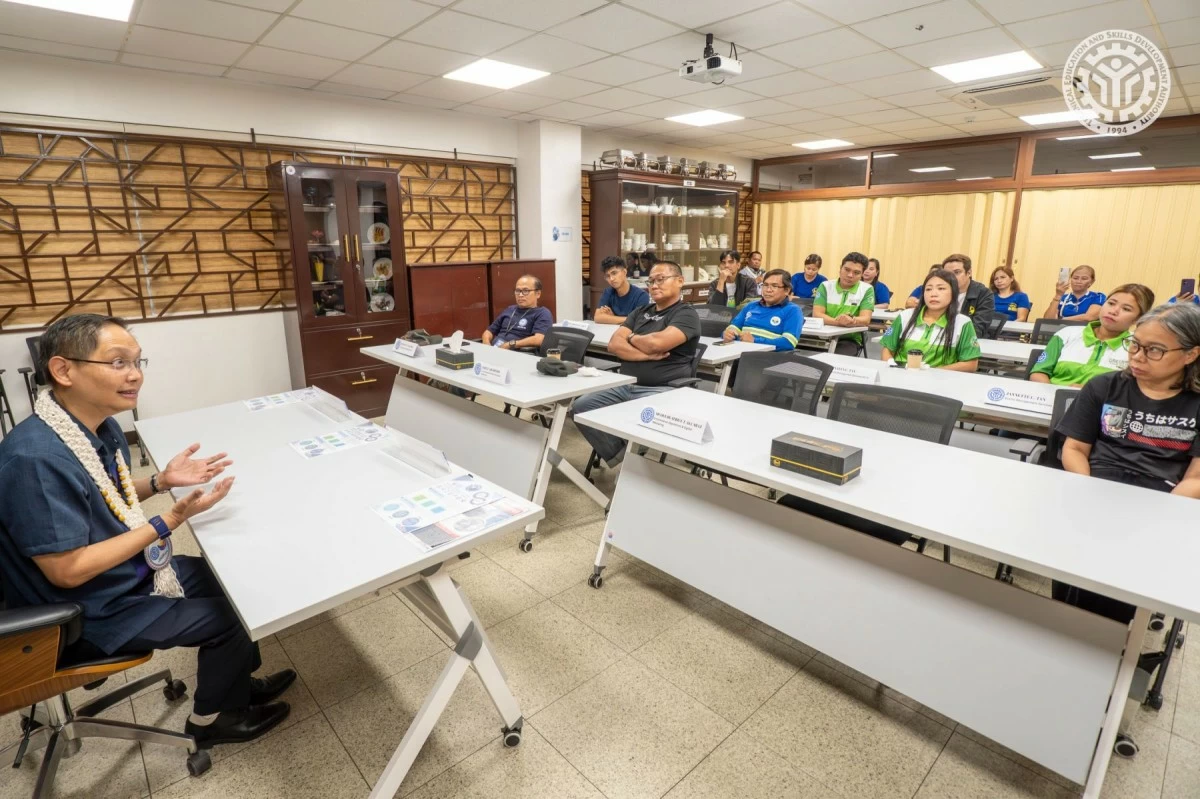
Technical Education and Skills Development Authority (TESDA) Director-General Jose Francisco “Kiko” B. Benitez (left) engages with trainees of technical-vocation education and training (TVET) at the TESDA regional training center in Central Luzon. (Photo: TESDA)
Amid global tensions that resulted in the displacement of Filipino laborers, returning overseas workers are increasingly turning to technical-vocational education and training (TVET) as they rebuild their careers in the country, with many of them now enrolling in skills programs tied to renewable energy and service industries under the Technical Education and Skills Development Authority (TESDA).
TESDA Director-General Jose Francisco “Kiko” B. Benitez said the agency continues to strengthen its programs for Overseas Filipino Workers (OFWs), their dependents, and other displaced workers by providing pathways to sustainable careers.
During a recent visit to TESDA’s regional training center in Central Luzon, Benitez engaged directly with trainees and assessed the delivery of training programs, facilities, and support services, including employment and entrepreneurship pathways.
“TESDA remains committed to equipping every Filipino, especially our OFWs, with the right skills and opportunities to rebuild their lives and secure a more stable future,” Benitez said.
TESDA announced recently that 8,000 repatriated OFWs from the Middle East will receive free skills training amid the tensions there, further expanding opportunities for returning workers to gain new competencies and secure employment locally or abroad.
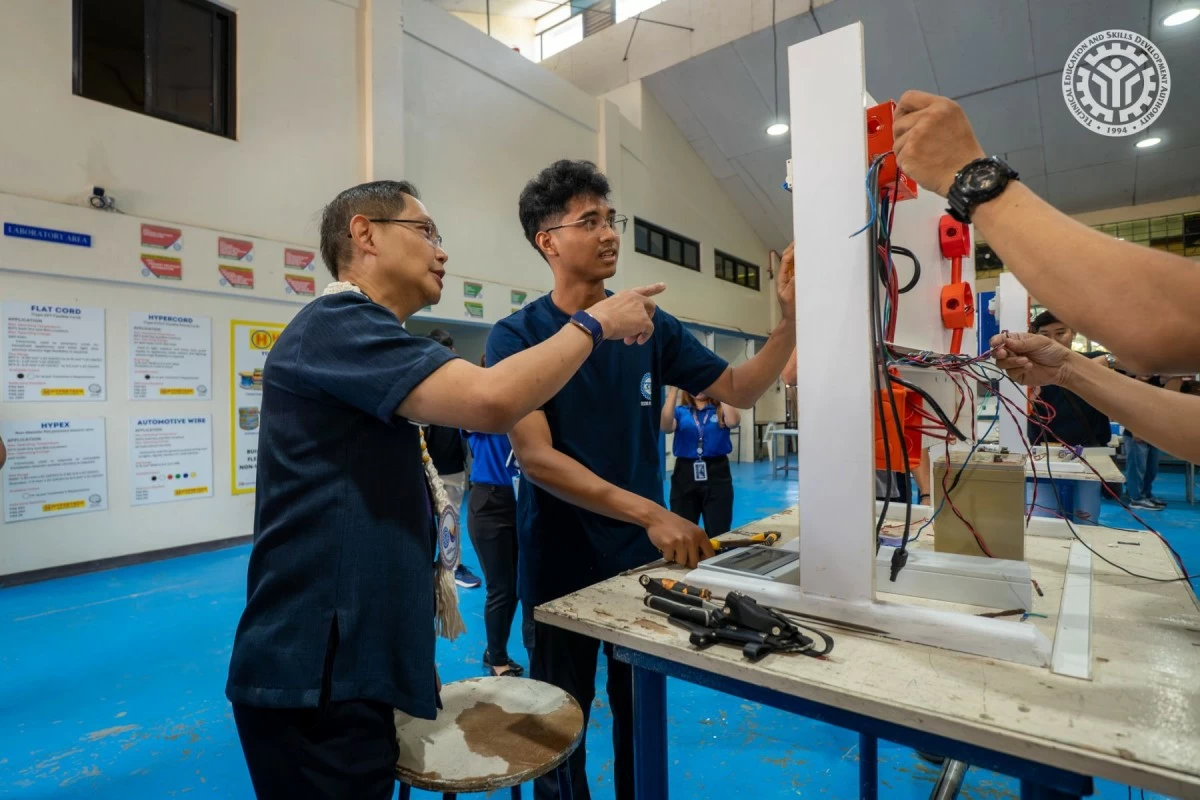
Technical Education and Skills Development Authority (TESDA) Director-General Jose Francisco “Kiko” B. Benitez (left) engages with trainees of technical-vocation education and training (TVET) at the TESDA regional training center in Central Luzon. (Photo: TESDA)
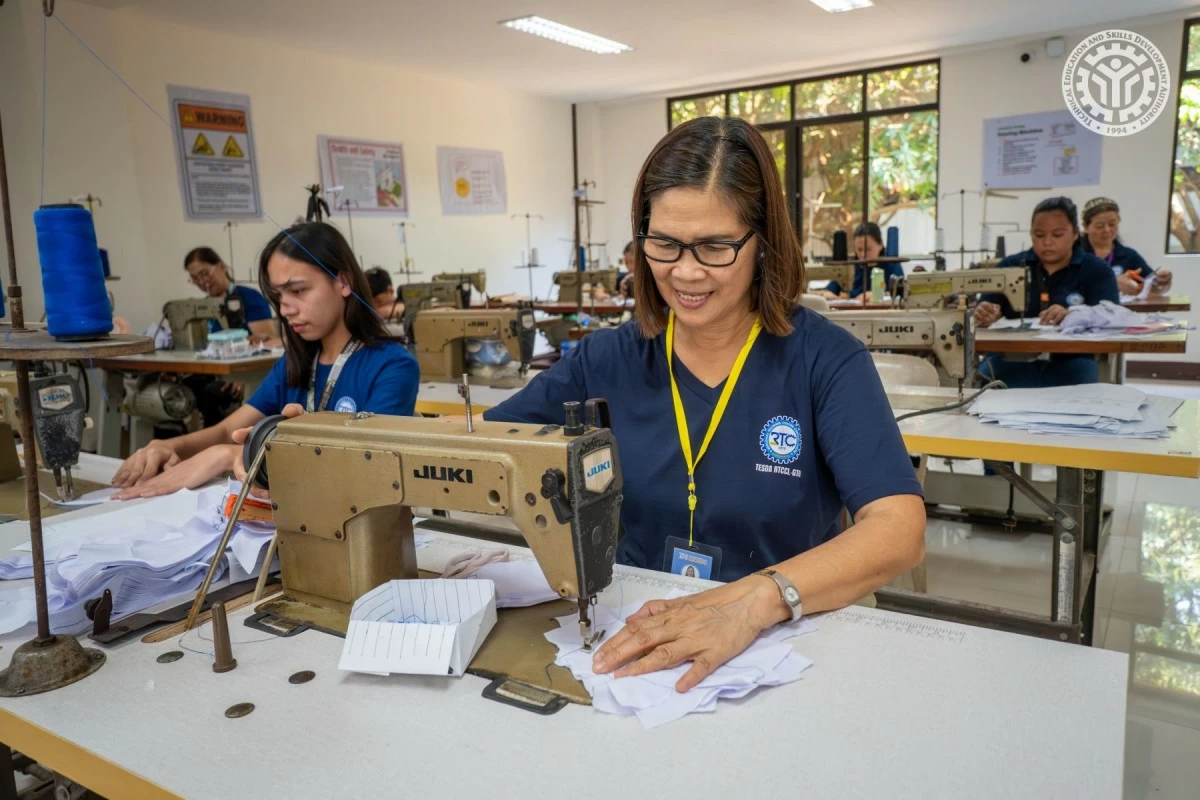
Technical Education and Skills Development Authority (TESDA) Director-General Jose Francisco “Kiko” B. Benitez (left) engages with trainees of technical-vocation education and training (TVET) at the TESDA regional training center in Central Luzon. (Photo: TESDA)
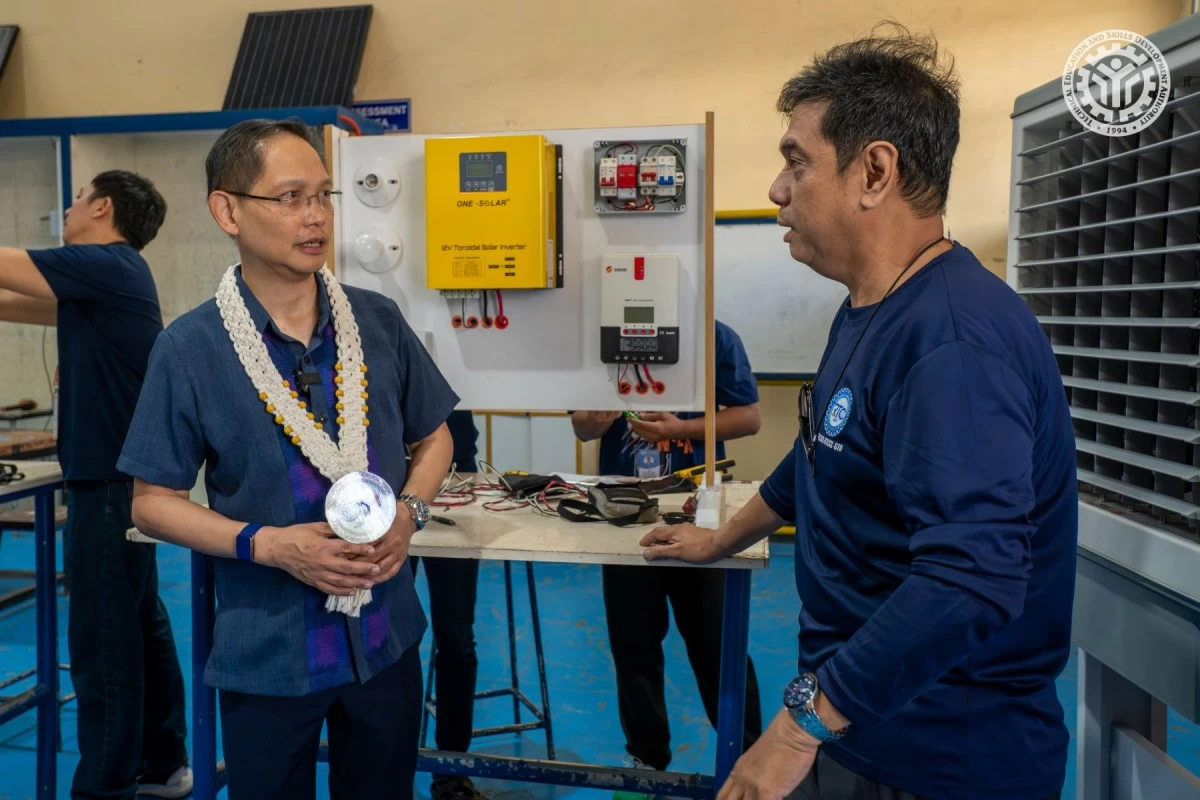
Technical Education and Skills Development Authority (TESDA) Director-General Jose Francisco “Kiko” B. Benitez (left) engages with trainees of technical-vocation education and training (TVET) at the TESDA regional training center in Central Luzon. (Photo: TESDA)
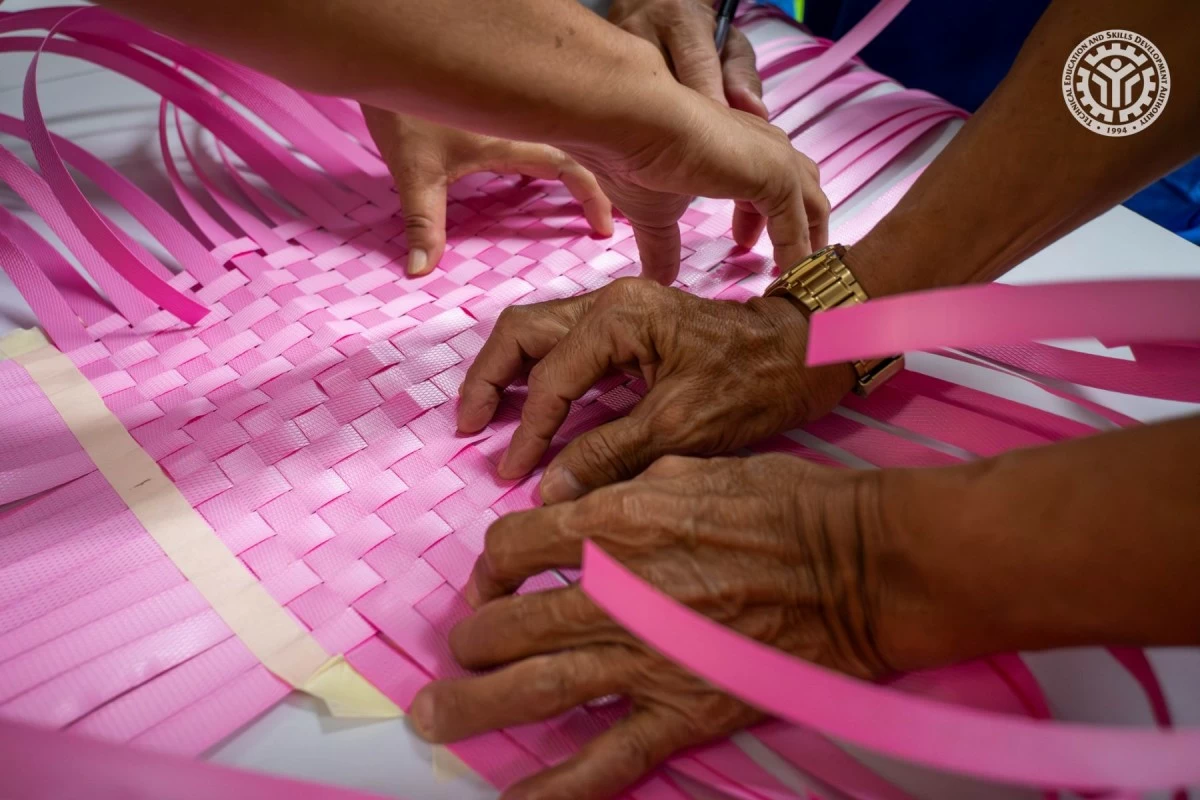
Technical Education and Skills Development Authority (TESDA) Director-General Jose Francisco “Kiko” B. Benitez (left) engages with trainees of technical-vocation education and training (TVET) at the TESDA regional training center in Central Luzon. (Photo: TESDA)
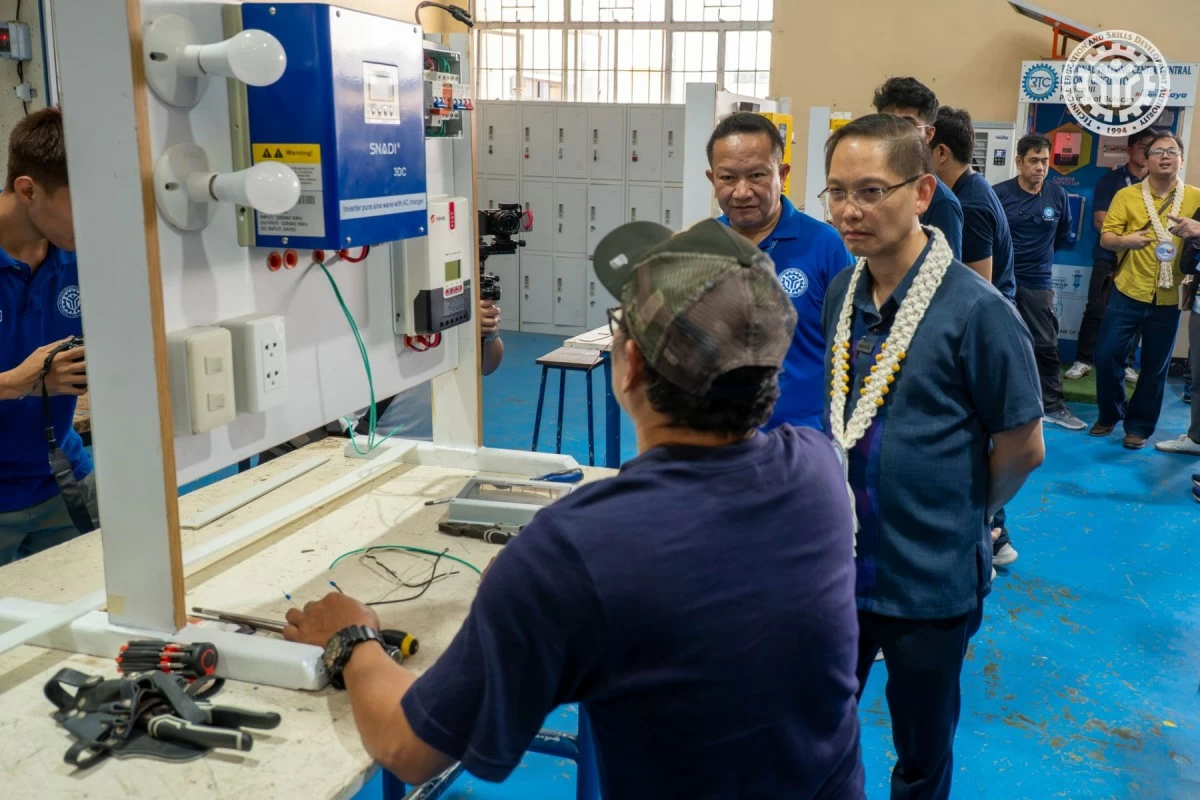
Technical Education and Skills Development Authority (TESDA) Director-General Jose Francisco “Kiko” B. Benitez (left) engages with trainees of technical-vocation education and training (TVET) at the TESDA regional training center in Central Luzon. (Photo: TESDA)
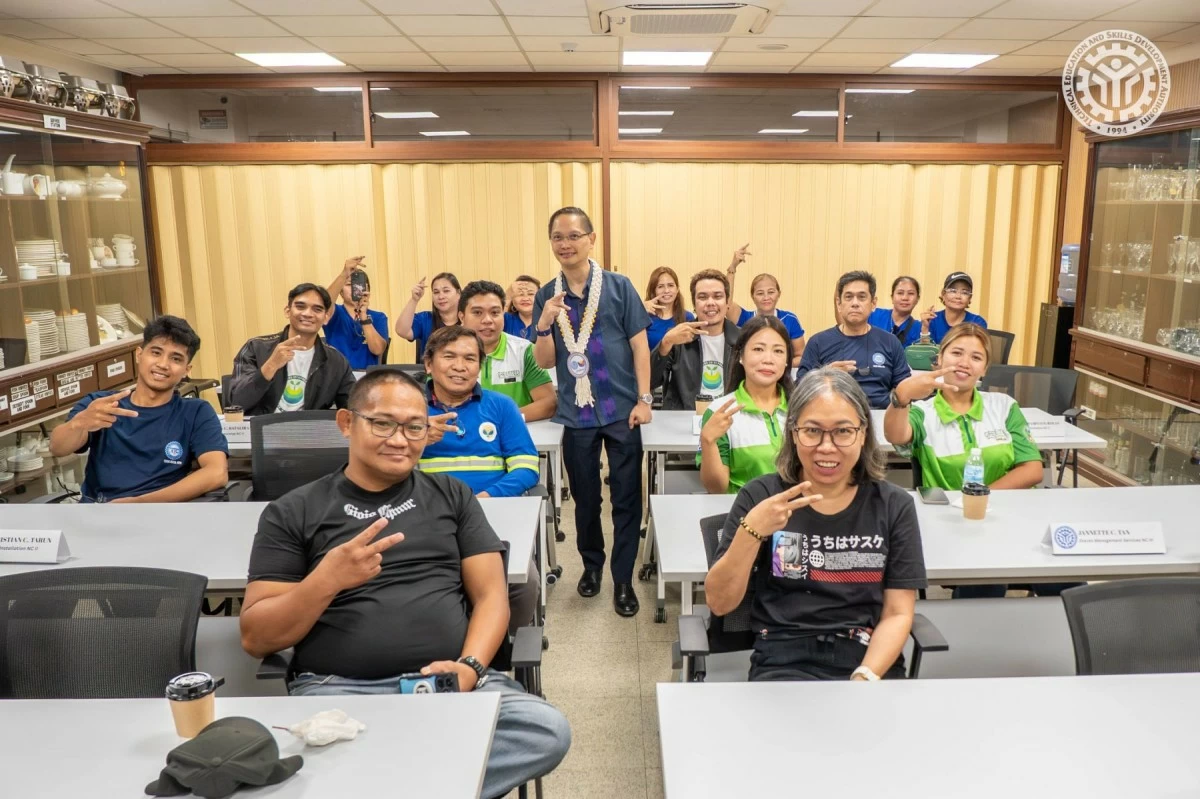
Technical Education and Skills Development Authority (TESDA) Director-General Jose Francisco “Kiko” B. Benitez (left) engages with trainees of technical-vocation education and training (TVET) at the TESDA regional training center in Central Luzon. (Photo: TESDA)
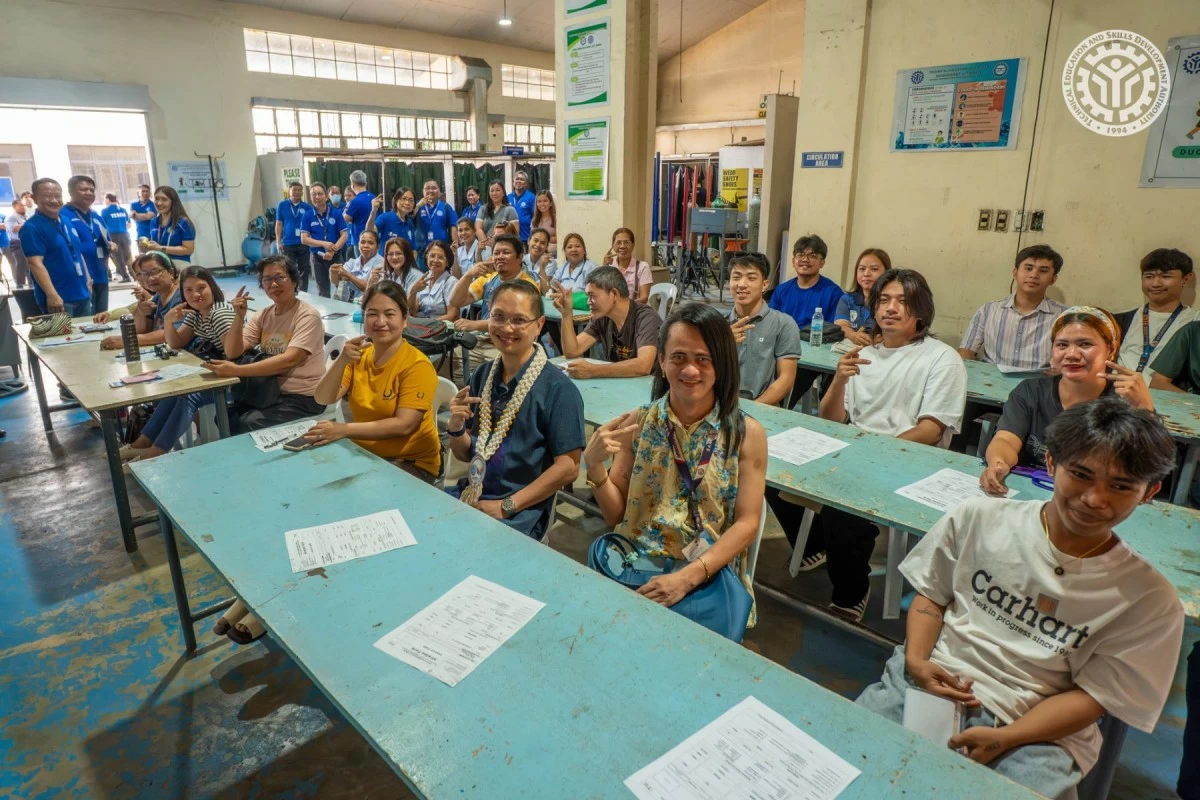
Technical Education and Skills Development Authority (TESDA) Director-General Jose Francisco “Kiko” B. Benitez (left) engages with trainees of technical-vocation education and training (TVET) at the TESDA regional training center in Central Luzon. (Photo: TESDA)
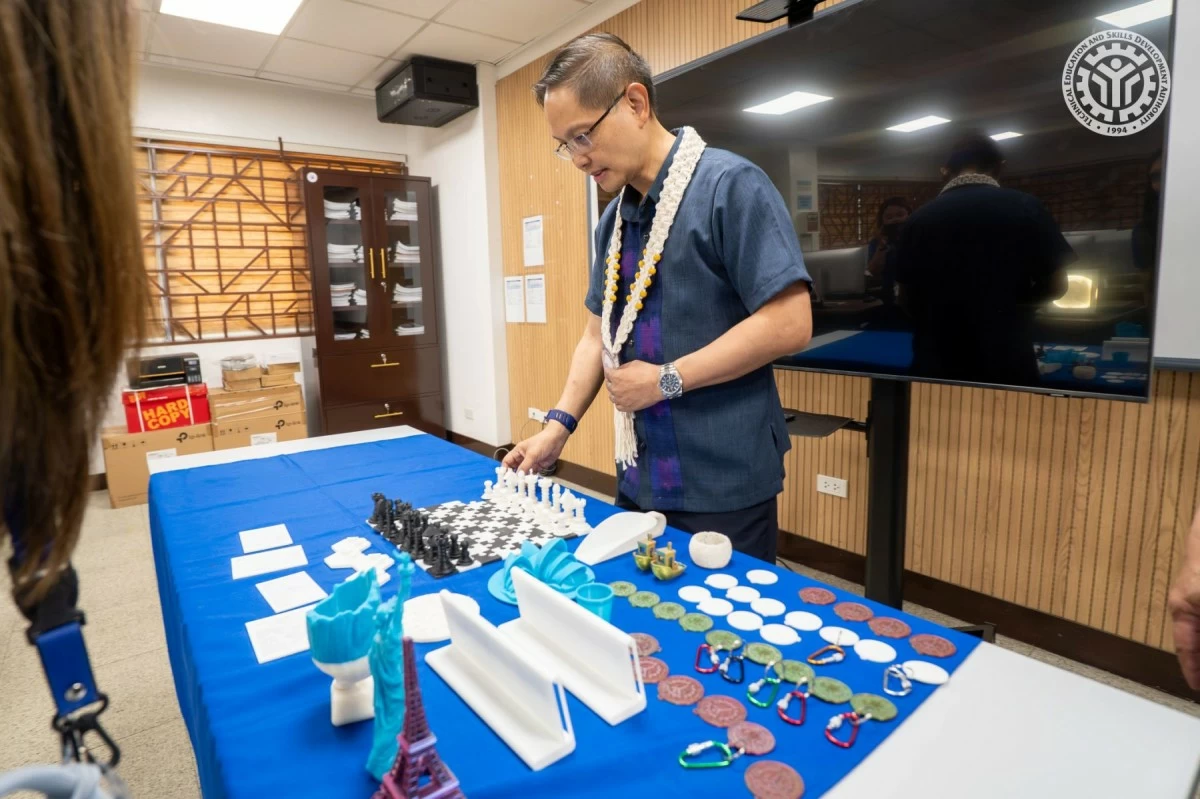
Technical Education and Skills Development Authority (TESDA) Director-General Jose Francisco “Kiko” B. Benitez (left) engages with trainees of technical-vocation education and training (TVET) at the TESDA regional training center in Central Luzon. (Photo: TESDA)
At the regional training center, former overseas workers are among those training under the Photovoltaic Systems Installation NC (National Certificate) II program, which is part of the government’s expanded push to link returning workers to new livelihood opportunities.
Photovoltaic systems installation is the process of setting up solar power systems that convert sunlight into electricity. It involves installing solar panels (also called photovoltaic or PV panels), wiring them properly, and connecting them to an inverter and electrical system so the generated power can be used in homes, buildings, or businesses.
Francis Ramelo Roxas, a former field engineer in Singapore, said he is using the training to shift careers and prepare for business.
“I plan to use the skills training to start a business and also upgrade my skills since I came from a different field in communications,” he shared.
TESDA said Roxas' enrollment reflects the broader direction set by Benitez under the administration of President Marcos Jr., who has ordered wider access to “Training to Trabaho” programs for OFWs returning home and seeking reintegration support.
Pol Christian Tarun, a seafarer working in Australia, is also taking the same photovoltaic course while between contracts. He said the TESDA training helps him stay productive and competitive.
“I encourage people to try TESDA training because here we can upskill since they offer a lot of training programs,” he said.
Not all returning workers are shifting to technical fields as some are moving into service-based skills to generate local income. Janette Tan, a former early childhood educator in Canada, is now enrolled in Events Management NC II. She said her goal is practical and focused on local opportunities.
“I want a part-time job and extra income,” Tan shared.
With more OFWs returning and seeking alternative livelihoods, Benitez said TESDA’s training pipeline is being positioned as both a reintegration tool and a pathway to new income sources.
“Through these efforts, TESDA continues to make world-class skills training more accessible, empowering OFWs and their families to turn their experiences into new beginnings and long-term success,” he noted.