







Women take the lead in cybersecurity at Israel–PH brunch
Published Apr 13, 2026 11:38 am



Dana Kursh, Ambassador of Israel to the Philippines, at InnovateHer, highlights the need to expand access and opportunities for women in emerging industries.
In industries often defined by speed, innovation, and risk, representation has not always kept pace. In cybersecurity—a field critical to both national security and economic growth—women remain underrepresented, even as their role becomes increasingly essential. According to the World Economic Forum, women make up only about 25 percent of the global cybersecurity workforce, despite growing demand for talent in the sector.
This gap framed the discussions at “InnovateHer: Israel–Philippines Cybersecurity Brunch,” hosted by Israeli Ambassador Dana Kursh at her residence in Manila as part of Women’s Month. The gathering brought together women leaders from technology, cybersecurity, business, medicine, and media, creating a space for dialogue on leadership, innovation, and access in a rapidly evolving field.
Organized in partnership with the Israel Economic and Trade Mission, the Philippine Chief Information Officer Association, and the Women in Security Alliance Philippines, the event focused on how collaboration and networks can shape opportunities in emerging industries.

Advocate of female empowerment in business and industry, Chiqui Escareal-Go, delivered the keynote address titled “She Already Knew the Password".
“Today is about partnership, about creating a space where women leaders can openly share knowledge, insights, and opportunities,” Ambassador Kursh said, emphasizing that professional networks remain key to advancing in the field.
She also addressed a persistent perception about the industry.
“Cybersecurity is often seen as male-dominated, but the real barriers are not about ability. They are about access and opportunity,” she said.
A sector defined by growth and gaps
Globally, the cybersecurity workforce gap continues to widen. A report by ISC2 estimates a shortage of nearly 4 million cybersecurity professionals worldwide, underscoring both the urgency and opportunity for greater inclusion.
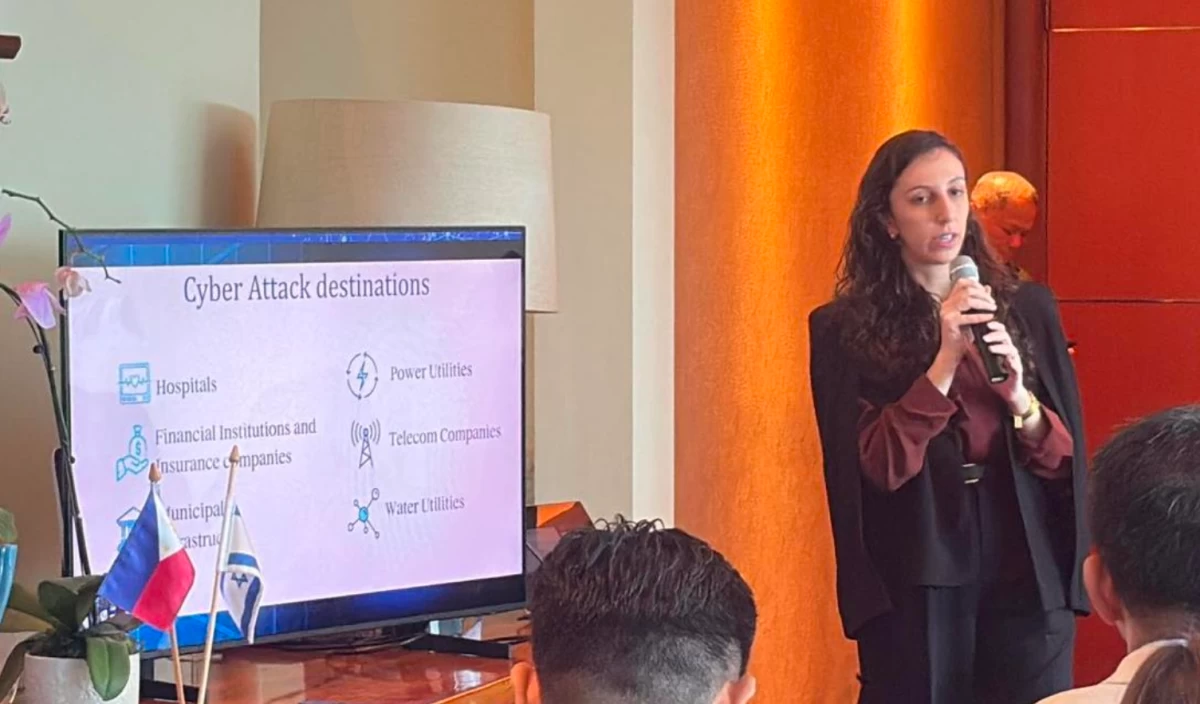
Ofek Venecianer, Economic Counsellor and Head of TradeIL at the Embassy of Israel, presented an overview of Israel’s cybersecurity ecosystem
For countries like the Philippines, where digital transformation is accelerating across sectors, cybersecurity has become a strategic priority. The country’s growing digital economy—projected to reach over $35 billion by 2025 according to Google, Temasek, and Bain & Company—has further increased demand for secure systems and skilled professionals.
Within this context, increasing women’s participation is not only a question of representation, but of capacity.
The program featured keynote insights from industry leaders, including Chiqui Escareal-Go, who spoke on leadership and innovation, and Liat Azulay, who shared her experience navigating the technology sector as a woman.
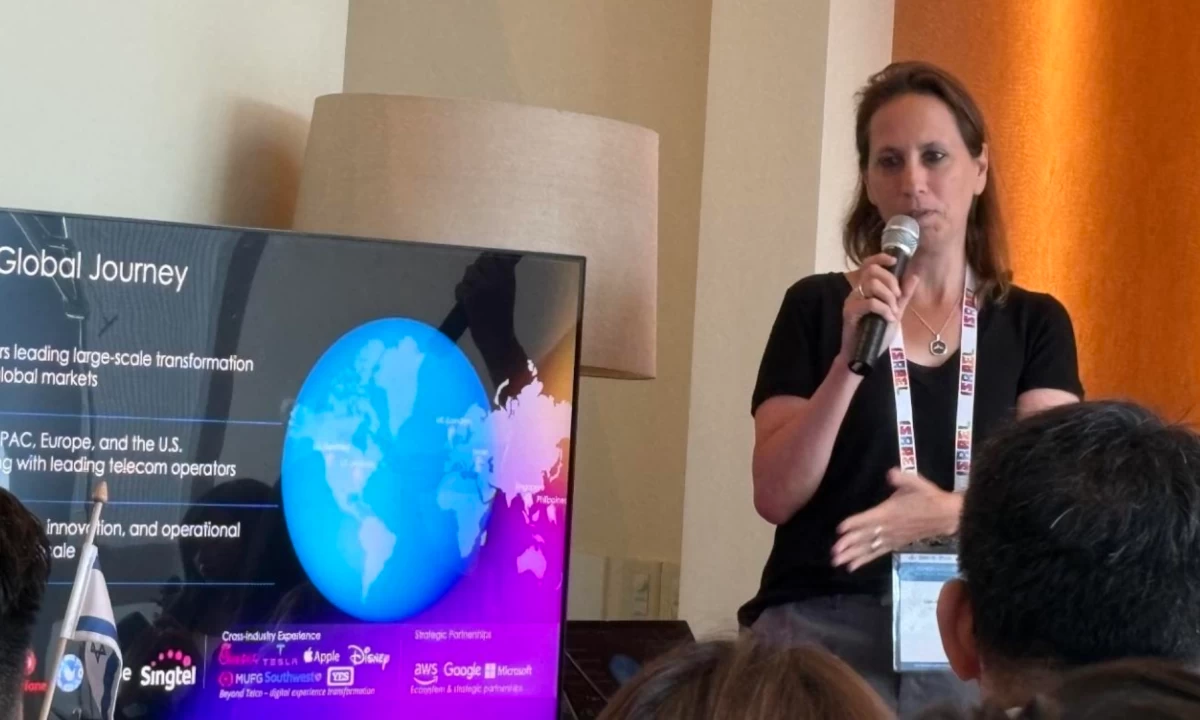
Liat Azulay of AMDOCS delivered the keynote address, “From Israel to the Philippines: Cyber Innovation in the Age of AI"
Ofek Venecianer, Economic Counsellor and Head of TradeIL Philippines, presented an overview of Israel’s cybersecurity ecosystem, noting its potential for deeper collaboration with the Philippines.
Israel remains one of the world’s leading cybersecurity hubs, with more than 550 cybersecurity companies and approximately $14 billion in annual cyber exports, reflecting the scale of its innovation ecosystem.
Israeli firms, including Amdocs, Check Point Software Technologies, and DeviceTotal, presented their solutions during the event, highlighting areas for potential partnerships in the Philippine market.
Dr. Carmit Yadin also shared her perspective as a founder, adding to the discussion on innovation and leadership in the field.
While the event focused on cybersecurity, the broader conversation reflected a global shift in how women’s participation in the workforce is understood.
Data from UN Women shows that increasing women’s participation in the labor force could add up to $28 trillion to global GDP by 2025, highlighting the economic impact of gender inclusion.
In technology sectors in particular, closing the gender gap is increasingly seen as essential to sustaining innovation.
The discussions at the brunch reflected this shift, moving beyond the question of whether women belong in cybersecurity, to how systems can better support their participation and leadership.