







Palace: Nuclear energy not yet revisited amid oil crisis


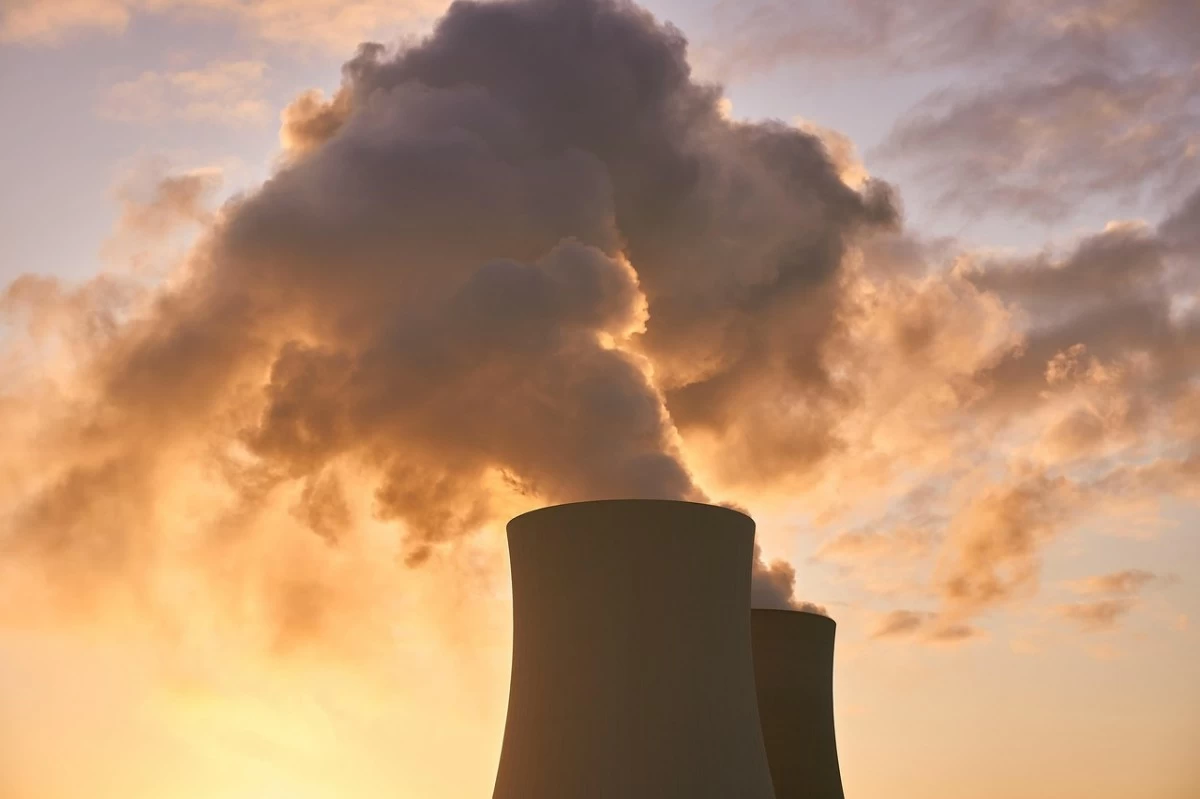
Malacañang said the government has yet to revisit plans on nuclear energy even as the country faces rising fuel prices driven by global tensions.
In her press briefing on Monday, April 13, Presidential Communications Office (PCO) Undersecretary Claire Castro said there are currently no discussions on fast-tracking nuclear energy as an alternative power source.
“Wala pa pong napag-uusapan patungkol po doon (There have been no discussions on that yet),” she said when asked about nuclear energy proposals.
Instead, the Palace official said the government continues to prioritize renewable energy to reduce dependence on imported fuel.
“Dapat nating palawakin, palakasin ang renewable energy (We need to expand and strengthen renewable energy),” she said, citing an earlier statement by Department of Energy (DOE) Secretary Sharon Garin.
According to Castro, the government has been discussing long-term solutions to address fuel price volatility.
“Matagal na po itong pinag-uusapan, lalo na po noong nangyari itong sigalot sa Middle East (This has long been discussed, especially since the conflict in the Middle East),” she said.
The DOE had said that fuel prices may no longer return to pre-crisis levels.
The Philippines remains heavily reliant on imported oil, making it vulnerable to global price shocks.
Nuclear option in policy discussions
While not currently under active discussion, nuclear energy has previously been explored as a potential long-term solution to the country’s energy needs.
The government earlier adopted a policy framework to study the possible inclusion of nuclear power in the country’s energy mix.
Central to these discussions is the long-idled Bataan Nuclear Power Plant, which was completed in the 1980s but never operated due to safety concerns and political issues.
Various administrations have studied the possibility of rehabilitating or repurposing the facility.
In September last year, President Marcos signed into law Republic Act (RA) No. 12305, or the Philippine National Nuclear Energy Safety Act, establishing a national framework for the peaceful and secure use of nuclear energy in the country.
The law creates the Philippine Atomic Energy Regulatory Authority (PhilATOM), an independent and quasi-judicial body tasked to oversee all nuclear and radiation activities nationwide.
The measure underscores the government’s policy to “harness the peaceful, safe, and secure use of atomic energy to provide benefits to the Philippines in the fields of energy production, health and medicine, scientific research, agriculture, industry, education, and others.”
At the same time, it strictly bans military or non-civilian applications, stating that nuclear energy shall only be used for peaceful purposes, and that all facilities and activities related to the acquisition or development of nuclear explosives, radiological dispersal devices, and other non-peaceful uses are strictly prohibited.