







Manufacturers see relief from diesel price rollback


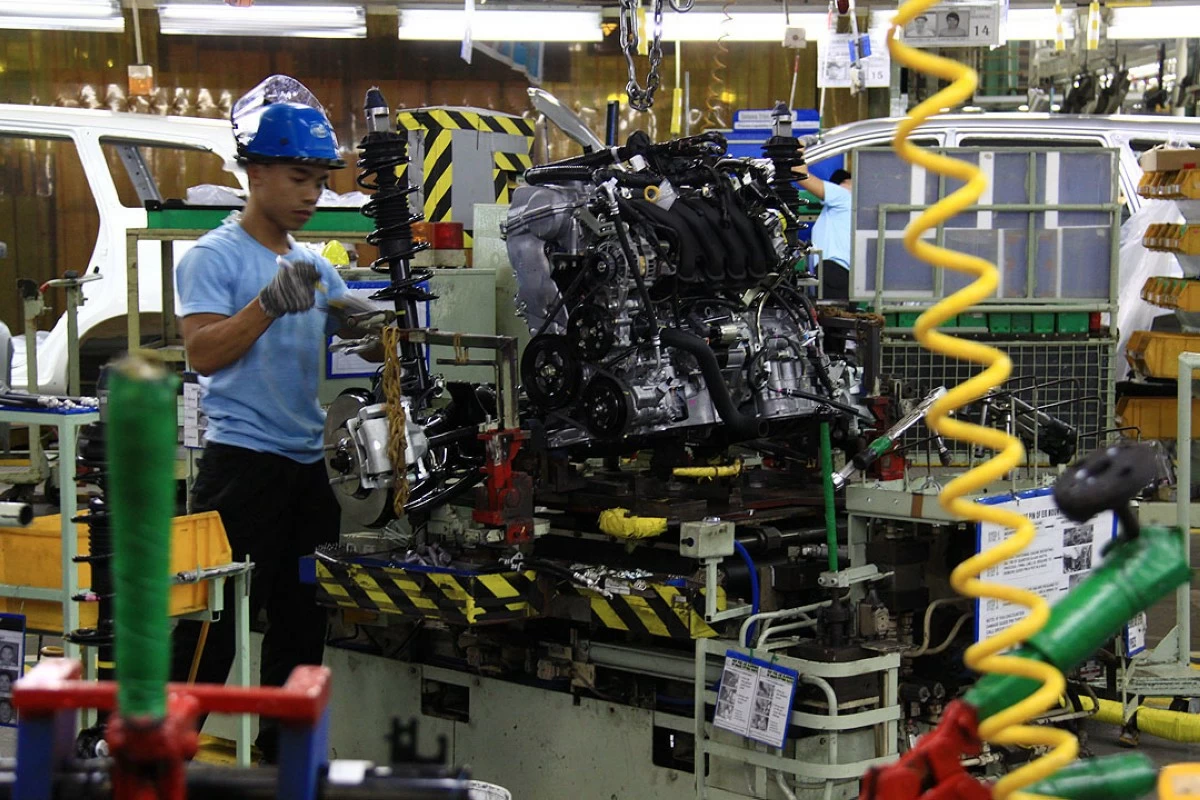
Local manufacturers are expected to see immediate relief from high operating costs as diesel prices are projected to drop by nearly ₱21 per liter following consecutive weeks of price hikes, according to the Federation of Philippine Industries (FPI).
In a statement on Monday, April 13, FPI said the ₱20.89-per-liter reduction in diesel prices this week will provide “immediate operational relief” for manufacturers that have been burdened by rising costs since the latest conflict in the Middle East erupted in late February.
For more than a month, the group said the country’s manufacturing base has faced higher expenses at every stage of the value chain, spanning the procurement of raw materials, factory operations, and last-mile distribution.
“The series of price hikes is an extraordinary cost burden that compressed margins across food processing, chemicals, packaging, textiles, construction materials, and virtually every energy-intensive sub-sector,” said FPI chairperson Elizabeth Lee.
While describing the rollback as “good news” for the industry, Lee said prices are only expected to fall due to “geopolitical circumstances, not structural reform.”
Lower diesel prices are expected this week following the announcement of a ceasefire between Iran and the United States (US), which includes the reopening of the Strait of Hormuz, a narrow maritime route that carries much of the Philippines’ oil supply.
The standoff over the waterway had pushed diesel prices to over ₱140 per liter, as oil shipments were unable to reach refineries, tightening global inventories.
It remains to be seen what will happen to the Strait of Hormuz after the US and Iran were unable to reach a deal to end the war. As a result, the US is threatening to blockade the route in a bid to wrest control from Iran.
FPI warned that these developments could turn the temporary respite in diesel prices into yet another cycle of relentless increases.
“Philippine industry cannot plan around geopolitical windfalls—we need a durable energy policy,” said Lee.
FPI is urging the government to strengthen policies favoring local products to cushion the impact of higher logistics costs on consumers while sustaining local employment and retaining value within the economy.
In addition, FPI recommended the institutionalization of a fuel subsidy program, specifically targeting micro, small, and medium manufacturers whose competitiveness has been severely eroded in recent weeks.
Last week, the industry group also called for support measures in the form of subsidies and incentives to ease operating costs for local industries.
Lee said manufacturers are likely to see a sustained decline in operating costs only once the Middle East conflict is fully resolved.
“If and when the conflict is resolved resulting in lower fuel prices, we may see reduced freight and logistics costs filter through supply chains down the line, perhaps within weeks from the positive resolution of the conflict, with downstream effects on input prices, inventory carrying costs, and potentially, retail price stabilization for consumer goods,” she said.