







Can you get sick in outer space?
Learning why astronauts undergo quarantine before and after leaving the planet
Published Apr 13, 2026 08:44 pm


At A Glance
- When Neil Armstrong first walked on the moon, the bacteria on his skin and on his gut came along with him.
Last week, we saw the successful launch of the Artemis II spacecraft en route to the moon and back. It has been a long time since humans made a trip to the moon, the last one being the Apollo 17 mission in 1972. It is hopefully just a prelude to future moon landings and the establishment of a moon base. This long-delayed return is another remarkable milestone for humanity and should be celebrated by everyone. In addition, as an infectious disease doctor, I think about the tiny little stowaways in the astronauts’ bodies that are also making a comeback to space. These are, of course, the bacteria, viruses, and fungi that call our bodies home, collectively known as our microbiome.
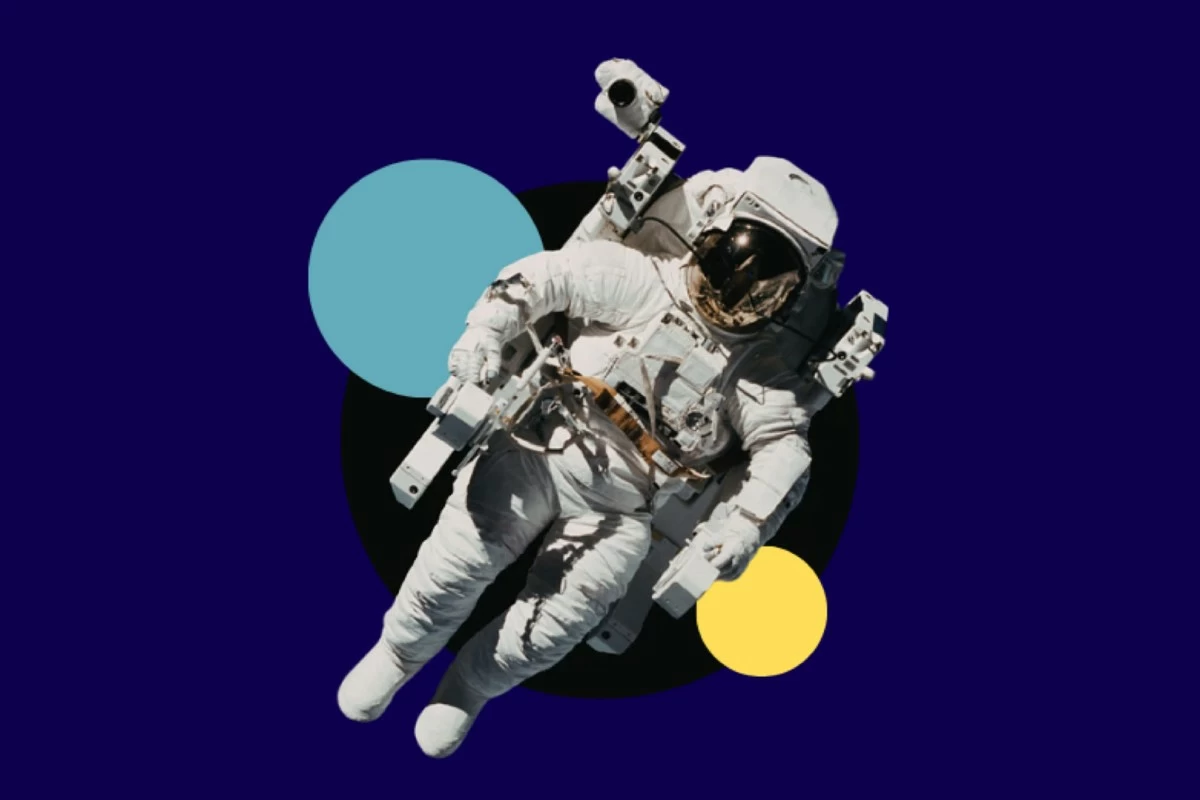
When humans first conquered space, astronauts and cosmonauts were routinely subjected to quarantine to make sure alien bacteria and other pathogens hadn’t hitched a ride on their bodies and followed them home. Many science fiction stories have been written about alien pathogens infecting space travelers and subsequently spreading to humans on Earth with devastating consequences. This was concerning enough to the space pioneers that Neil Armstrong and his team of astronauts spent 21 days in quarantine after returning from the moon to make sure they didn’t pick up any lunar “bugs.” There was a mobile quarantine facility (MQF) onboard the ship that picked them up from their splashdown. The MQF was a converted Airstream trailer on the deck of the USS Hornet, where they spent the first 65 hours until they were transferred to the Lunar Receiving Laboratory in Houston for the rest of the quarantine duration. In fact, he ended up spending his 39th birthday in quarantine.
While this may sound ridiculous in hindsight, there are numerous historical examples here on Earth of unknown pathogens making their way to a non-immune population and causing death and devastation. When the European settlers arrived in the Americas, they brought along smallpox, which decimated the Native American population. Travelers from Europe to the Americas in the early 1900s were subjected to a 40-day quarantine (the word is derived from the Venetian-Italian phrase for 40 days) to make sure they did not carry infectious diseases into the New World.
Prior to launch, a 14-day pre-mission quarantine was also instituted to make sure that none of the prospective space travelers were incubating any infectious diseases that could spread to others on the mission. This was observed especially for visitors to the International Space Station, where an infectious disease outbreak could be catastrophic since the inhabitants were living in close quarters for extended periods of time. Although the pre-launch quarantine has been kept for current space flights, the post-mission quarantine was scrapped starting with Apollo 15, since it was determined that no space bugs had come back with the astronauts on the previous missions.
While there have thankfully been no alien bacteria or viruses, the effect of space on the microscopic stowaways on our bodies has been extensively studied and documented. The human microbiome is an integral part of a healthy body, with a good mix of microorganisms being essential to good health. Some research studies have suggested a link between the overabundance of specific kinds of bacteria in the intestines and obesity. The proportions of certain bacteria types in the gut can determine the risk of a person developing inflammatory bowel disease and chronic diarrhea. Bacteria in our digestive system produce and process important metabolites, including vitamins, amino acids, short-chain fatty acids, bile salts, and metabolically active substances, which help regulate our immune system and endocrine function.
The stress of space travel can affect the diversity and proportions of organisms in the gut, mouth, skin, and other non-sterile areas of the human body. The microgravity of space is a unique factor that can accelerate the growth of certain pathogens and potentially make them more virulent. Add to this the effects of radiation and cosmic rays, which can decrease the immune response and increase susceptibility to infection. Interestingly, the International Space Station has developed its own signature microbiome not just on human body surfaces but on the surfaces of instruments and walls. New arrivals who spend weeks to months in the space station get “infected” with this microbiome while contributing their own bacteria to the mix. Understanding all these processes and how they impact health is important for the long-term wellbeing of space travelers.
Corollary to all this is the relatively new field of space medicine, which studies the impact of space travel on the human body. Prolonged exposure to microgravity can cause bone loss and muscle atrophy, and specialized exercise programs have been developed to prevent wasting. The Artemis II astronauts had an exercise resistance trainer, which they took turns using to make sure their muscles and bones didn’t deteriorate even for the relatively short mission time. Exposure to space radiation increases the risk of many kinds of cancer, particularly cancers like leukemia and solid tumors. The longer an astronaut or cosmonaut spends in space, the higher the exposure. It is estimated that a mission to Mars will take up to three years in space, and so the health risks are quite significant. Medical emergencies in space are much more difficult to deal with due to the lack of facilities, and the supply of medications and other consumables is limited. In addition, specialized surgical techniques will need to be developed since the dynamics of operations will be very different in microgravity. Anticipating mental health problems and changes in behavior due to spending prolonged stretches of time in close quarters and with the same group of people is also important in ensuring the success of the mission. Finally, if a space colony on Mars and other planets is the dream, the effect of space on pregnancy will need to be properly assessed. No one has ever been pregnant in space yet, but studies on mice and rats have revealed increased mortality and higher chances of genetic abnormalities.
When Neil Armstrong first walked on the moon, the bacteria on his skin and on his gut came along with him. Certainly, one small step for (a) man, but he neglected to mention that many other creatures were keeping him company. If we do end up going to Mars, we will also bring our microbiome with us. Even if we don’t find aliens, we know that we won’t ever be truly alone in the universe.