ADVERTISEMENT

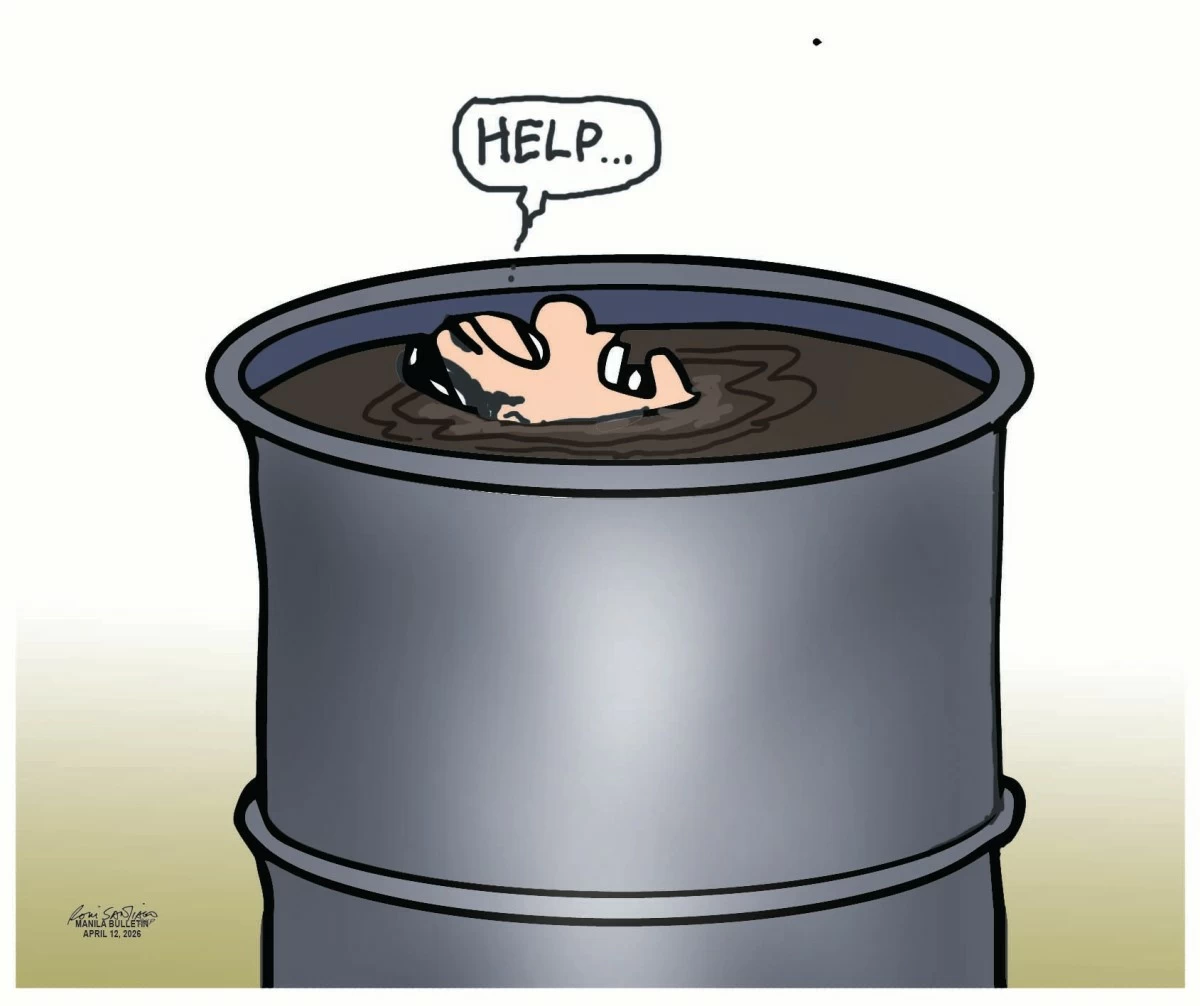
Why the PCC must act on oil prices now

Published Apr 12, 2026 12:05 am  |  Updated Apr 11, 2026 04:30 pm
At a time when global instability is driving fuel prices upward and ordinary Filipinos are forced to stretch already thin budgets, the warning from Economic Secretary Arsenio Balisacan should not be ignored. His candid invocation of “Economics 101” during a House hearing cut through layers of technical language and political caution: In markets dominated by only a few major players, coordination, implicit or explicit, becomes dangerously easy. And where coordination thrives, the line between competition and collusion can blur.
The Philippine oil industry, governed by the Downstream Oil Deregulation Law of 1998, was built on the promise that deregulation would unleash competition and deliver lower prices. Decades later, that promise rings hollow. Weekly price adjustments move almost in lockstep across companies, creating the widespread perception, fair or not, that competition is more illusion than reality.
Balisacan stopped short of making a definitive accusation, but his logic was unmistakable, something that was not lost on House Legislative Energy Action Development (LEAD) Council presiding officer Marikina City Rep. Miro Quimbo, who had asked him to repeat it for clarity. A highly concentrated market structure creates fertile ground for cartel-like behavior, Balisacan explained. He even pointed to the Organization of the Petroleum Exporting Countries as an example of how coordination among a few dominant players can shape outcomes. The implication for the Philippines is troubling. If similar dynamics are at play locally, then the burden of proof, and action, falls squarely on regulators.
Yet the Department of Energy is structurally limited. Its mandate under deregulation prevents it from directly controlling prices. It can monitor, it can explain, it can appeal—but it cannot intervene decisively when market behavior raises red flags. This leaves a dangerous gap at a time when decisive oversight is most needed.
That gap must be filled by the Philippine Competition Commission (PCC).
The PCC was created precisely for moments like this—to ensure that markets remain fair, competitive, and free from abuse. It has the legal authority, investigative tools, and independence to determine whether parallel pricing behavior is the natural outcome of global cost pressures or the product of anti-competitive coordination. And if violations are found, it has the power to prosecute and penalize those responsible.
We should not dismiss this simply as a technical or economic issue. This is a moral one. Every peso added to fuel costs ripples through the economy, raising transport fares, inflating food prices, and eroding the purchasing power of millions. For jeepney drivers, delivery workers, and minimum-wage earners, these increases are existential. To exploit such vulnerability, whether deliberately or through indifference, is to deepen inequality and hardship. So, let’s not widen the economic and social gaps.
The oil industry, for its part, must also reflect. Profit is not inherently unjust, but profit divorced from social responsibility, especially during a crisis, invites public outrage and regulatory backlash. These companies do not operate in a vacuum; they exist because of the very consumers now bearing the brunt of rising costs. Moderation, transparency, and genuine competition are not acts of charity, they are social obligations.
The moment calls for vigilance and courage. The PCC must act swiftly to investigate patterns, scrutinize pricing behavior, and, if warranted, bring cases forward without hesitation. At the same time, oil companies must recognize that public trust is as vital as profit margins. Social responsibility must always be paramount.
When markets fail to protect the people, institutions must rise to the occasion. The Filipino public deserves nothing less.
ADVERTISEMENT
.most-popular .layout-ratio{ padding-bottom: 79.13%; } @media (min-width: 768px) and (max-width: 1024px) { .widget-title { font-size: 15px !important; } }

{{ articles_filter_1561_widget.title }}

.most-popular .layout-ratio{ padding-bottom: 79.13%; } @media (min-width: 768px) and (max-width: 1024px) { .widget-title { font-size: 15px !important; } }

{{ articles_filter_1562_widget.title }}

.most-popular .layout-ratio{ padding-bottom: 79.13%; } @media (min-width: 768px) and (max-width: 1024px) { .widget-title { font-size: 15px !important; } }

{{ articles_filter_1563_widget.title }}

{{ articles_filter_1564_widget.title }}

.mb-article-details { position: relative; } .mb-article-details .article-body-preview, .mb-article-details .article-body-summary{ font-size: 17px; line-height: 30px; font-family: "Libre Caslon Text", serif; color: #000; } .mb-article-details .article-body-preview iframe , .mb-article-details .article-body-summary iframe{ width: 100%; margin: auto; } .read-more-background { background: linear-gradient(180deg, color(display-p3 1.000 1.000 1.000 / 0) 13.75%, color(display-p3 1.000 1.000 1.000 / 0.8) 30.79%, color(display-p3 1.000 1.000 1.000) 72.5%); position: absolute; height: 200px; width: 100%; bottom: 0; display: flex; justify-content: center; align-items: center; padding: 0; } .read-more-background a{ color: #000; } .read-more-btn { padding: 17px 45px; font-family: Inter; font-weight: 700; font-size: 18px; line-height: 16px; text-align: center; vertical-align: middle; border: 1px solid black; background-color: white; } .hidden { display: none; }
function initializeAllSwipers() { // Get all hidden inputs with cms_article_id document.querySelectorAll('[id^="cms_article_id_"]').forEach(function (input) { const cmsArticleId = input.value; const articleSelector = '#article-' + cmsArticleId + ' .body_images'; const swiperElement = document.querySelector(articleSelector); if (swiperElement && !swiperElement.classList.contains('swiper-initialized')) { new Swiper(articleSelector, { loop: true, pagination: false, navigation: { nextEl: '#article-' + cmsArticleId + ' .swiper-button-next', prevEl: '#article-' + cmsArticleId + ' .swiper-button-prev', }, }); } }); } setTimeout(initializeAllSwipers, 3000); const intersectionObserver = new IntersectionObserver( (entries) => { entries.forEach((entry) => { if (entry.isIntersecting) { const newUrl = entry.target.getAttribute("data-url"); if (newUrl) { history.pushState(null, null, newUrl); let article = entry.target; // Extract metadata const author = article.querySelector('.author-section').textContent.replace('By', '').trim(); const section = article.querySelector('.section-info ').textContent.replace(' ', ' '); const title = article.querySelector('.article-title h1').textContent; // Parse URL for Chartbeat path format const parsedUrl = new URL(newUrl, window.location.origin); const cleanUrl = parsedUrl.host + parsedUrl.pathname; // Update Chartbeat configuration if (typeof window._sf_async_config !== 'undefined') { window._sf_async_config.path = cleanUrl; window._sf_async_config.sections = section; window._sf_async_config.authors = author; } // Track virtual page view with Chartbeat if (typeof pSUPERFLY !== 'undefined' && typeof pSUPERFLY.virtualPage === 'function') { try { pSUPERFLY.virtualPage({ path: cleanUrl, title: title, sections: section, authors: author }); } catch (error) { console.error('ping error', error); } } // Optional: Update document title if (title && title !== document.title) { document.title = title; } } } }); }, { threshold: 0.1 } ); function showArticleBody(button) { const article = button.closest("article"); const summary = article.querySelector(".article-body-summary"); const body = article.querySelector(".article-body-preview"); const readMoreSection = article.querySelector(".read-more-background"); // Hide summary and read-more section summary.style.display = "none"; readMoreSection.style.display = "none"; // Show the full article body body.classList.remove("hidden"); } document.addEventListener("DOMContentLoaded", () => { let loadCount = 0; // Track how many times articles are loaded const offset = [1, 2, 3, 4, 5, 6, 7, 8, 9, 10]; // Offset values const currentUrl = window.location.pathname.substring(1); let isLoading = false; // Prevent multiple calls if (!currentUrl) { console.log("Current URL is invalid."); return; } const sentinel = document.getElementById("load-more-sentinel"); if (!sentinel) { console.log("Sentinel element not found."); return; } function isSentinelVisible() { const rect = sentinel.getBoundingClientRect(); return ( rect.top < window.innerHeight && rect.bottom >= 0 ); } function onScroll() { if (isLoading) return; if (isSentinelVisible()) { if (loadCount >= offset.length) { console.log("Maximum load attempts reached."); window.removeEventListener("scroll", onScroll); return; } isLoading = true; const currentOffset = offset[loadCount]; window.loadMoreItems().then(() => { let article = document.querySelector('#widget_1690 > div:nth-last-of-type(2) article'); intersectionObserver.observe(article) loadCount++; }).catch(error => { console.error("Error loading more items:", error); }).finally(() => { isLoading = false; }); } } window.addEventListener("scroll", onScroll); });

Sign up by email to receive news.