






Manila Bulletin
 Environment and Sustainability
Sustainable tourism takes root in boutique hospitality sector
Environment and Sustainability
Sustainable tourism takes root in boutique hospitality sector
Environment and Sustainability
Sustainable tourism takes root in boutique hospitality sector
Sustainable tourism takes root in boutique hospitality sector
Published Apr 11, 2026 09:59 am


As the tourism industry continues to rebound, a growing number of boutique hospitality players are redefining success not just through expansion, but also through sustainability, community engagement, and responsible destination development.
At the forefront of this shift is Approche Hospitality Management (AHM), a young, fast-growing company that is quietly building a portfolio of boutique hotels while promoting a more sustainable approach to tourism.
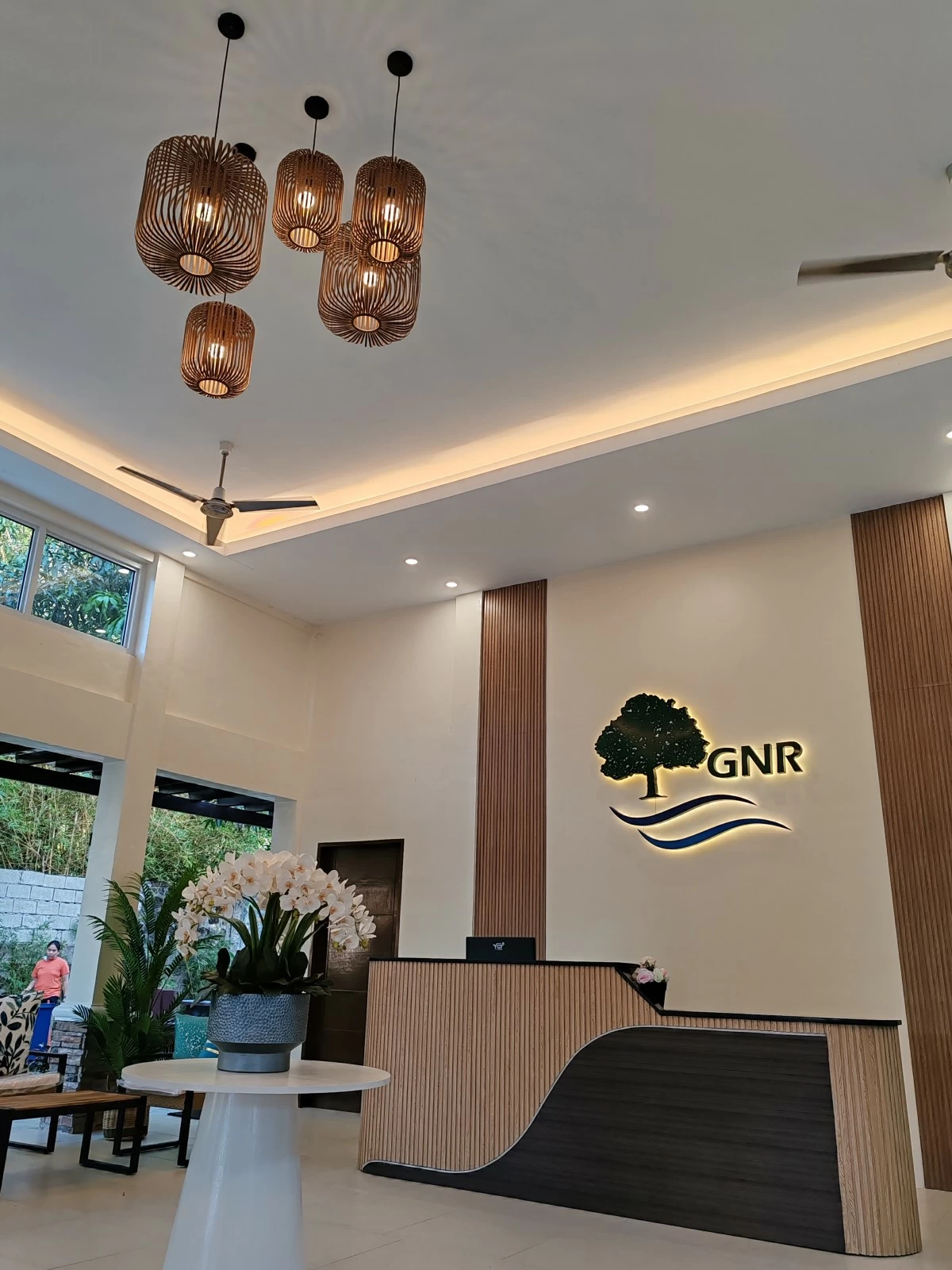
Green Nature Resort & Leisure Park in Nagcarlan, Laguna, is one of the 11 properties managed by AHM.
Founded just two years ago, the company focuses on small- to mid-sized properties, many with fewer than 50 rooms, which are usually overlooked by larger players. Beyond filling a market gap, however, its model emphasizes preserving each property's identity while integrating it into the local environment and community.
“We want the property to stand out on its own,” said Christian Guballa, AHM’s managing director. “It’s not about attaching our brand everywhere—it’s about helping each destination grow in a way that reflects its own character.”
Sustainability through localization
Rather than imposing a uniform standard, AHM adopts a “white label management” approach, allowing hotels to maintain their unique identity, an important factor in sustainable tourism, where authenticity and local culture play a key role.
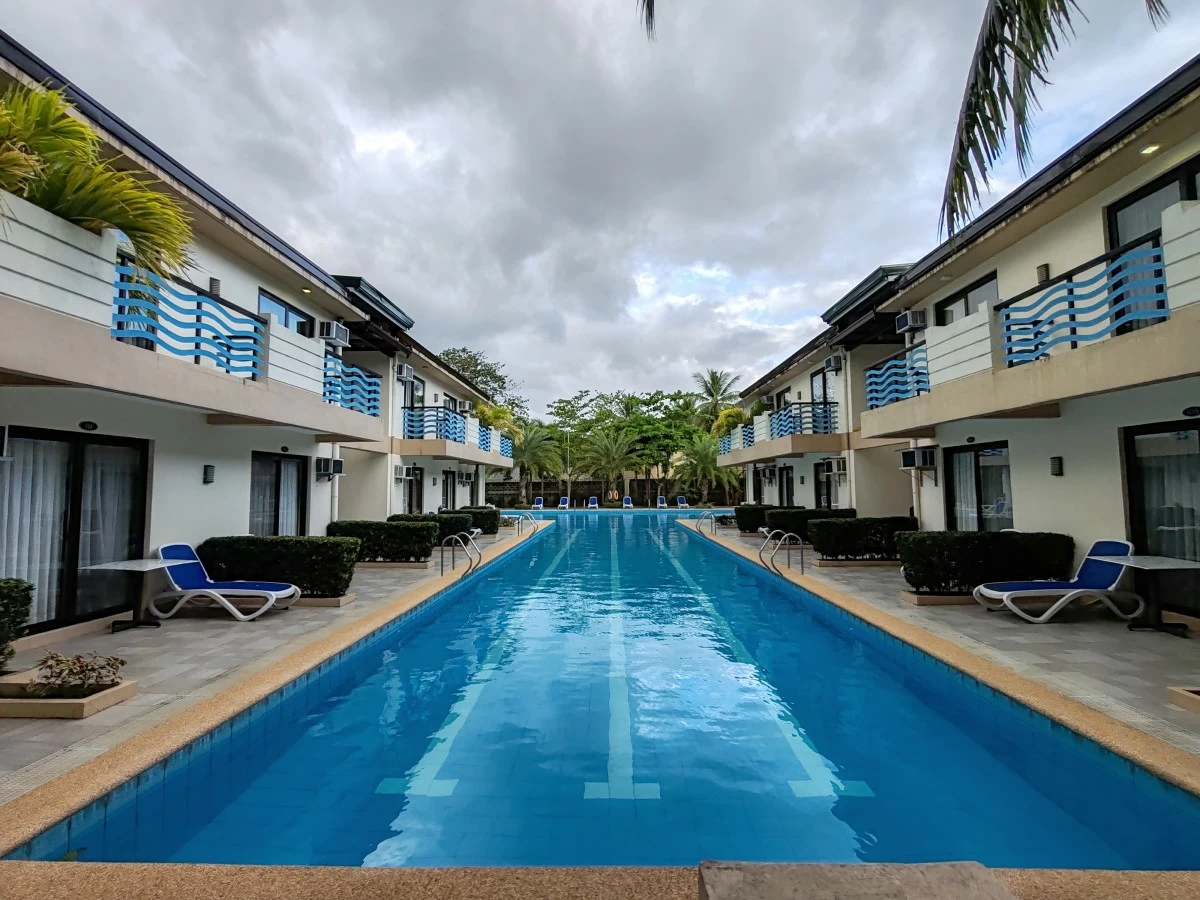
The exclusive pool area for hotel guests.
This philosophy extends to how properties are operated and promoted. Many of the hotels under the company’s management highlight local traditions, cuisine, and experiences, ensuring that tourism benefits surrounding communities.
At Green Nature Resort & Leisure Park in Nagcarlan, Laguna, for example, the culinary experience is rooted in local flavors. The kitchen is led by a Laguna-based chef, with dishes such as menudong gulay, a staple in local celebrations, featured prominently.
By showcasing regional cuisine and traditions, the resort not only enhances the guest experience but also helps preserve cultural heritage.
Strengthening local economies
Sustainability also means investing in people. AHM places strong emphasis on hiring and developing local talent, particularly in provincial areas where tourism can serve as a vital economic driver.
Contrary to the perception that workforce development is more challenging outside urban centers, the company sees it as an opportunity.
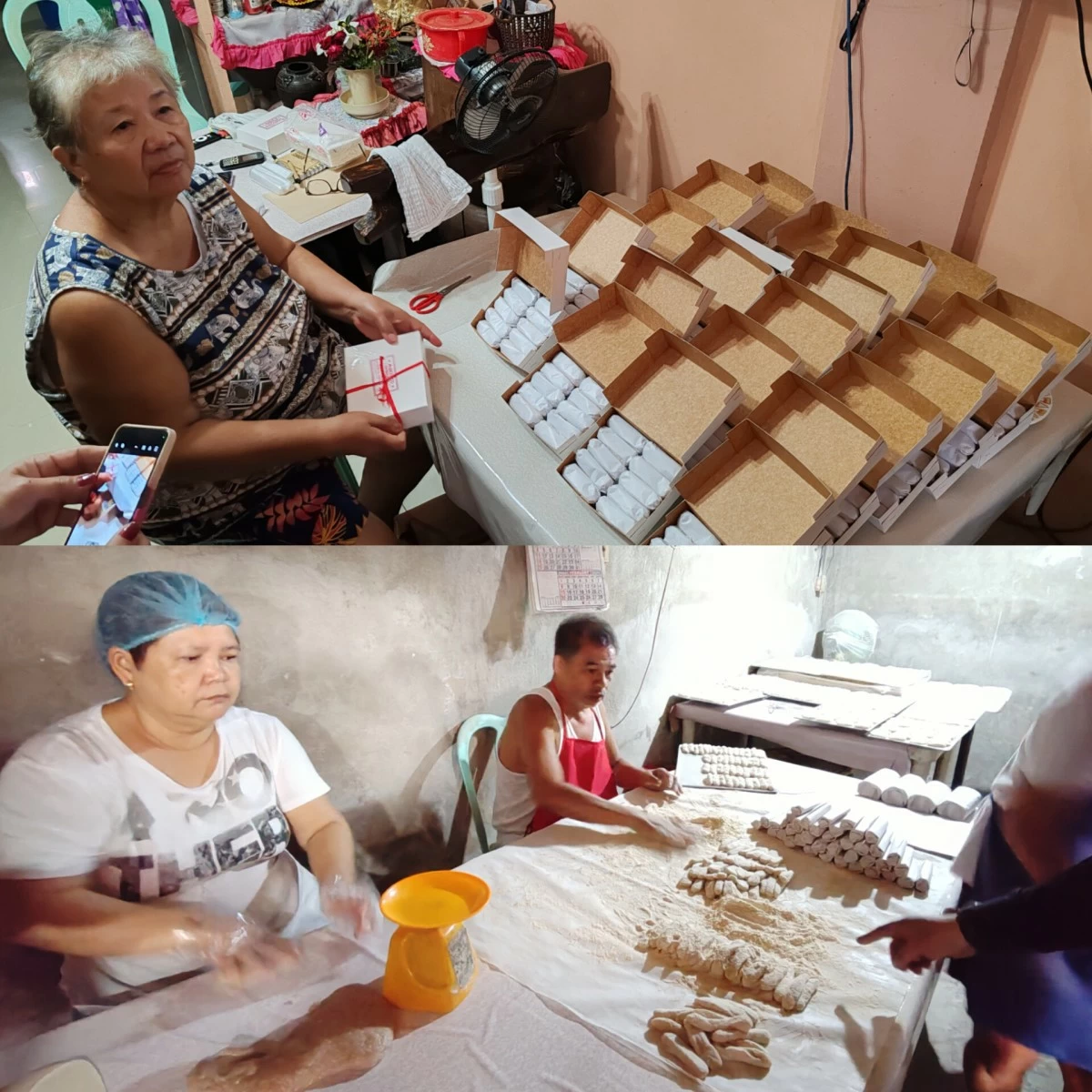
Sustainable tourism keeps traditional sources of livelihood, such as espasol making in Laguna, alive.
“When you connect with people and understand their culture, you can empower them,” Guballa said. “There’s a strong sense of community in the provinces, and that’s something we embrace.”
The company actively recruits fresh graduates and provides training to prepare them for long-term careers in hospitality, helping build a more resilient and future-ready workforce.
Collaboration for responsible tourism
Sustainability is also being pursued through close collaboration with government agencies and tourism stakeholders.
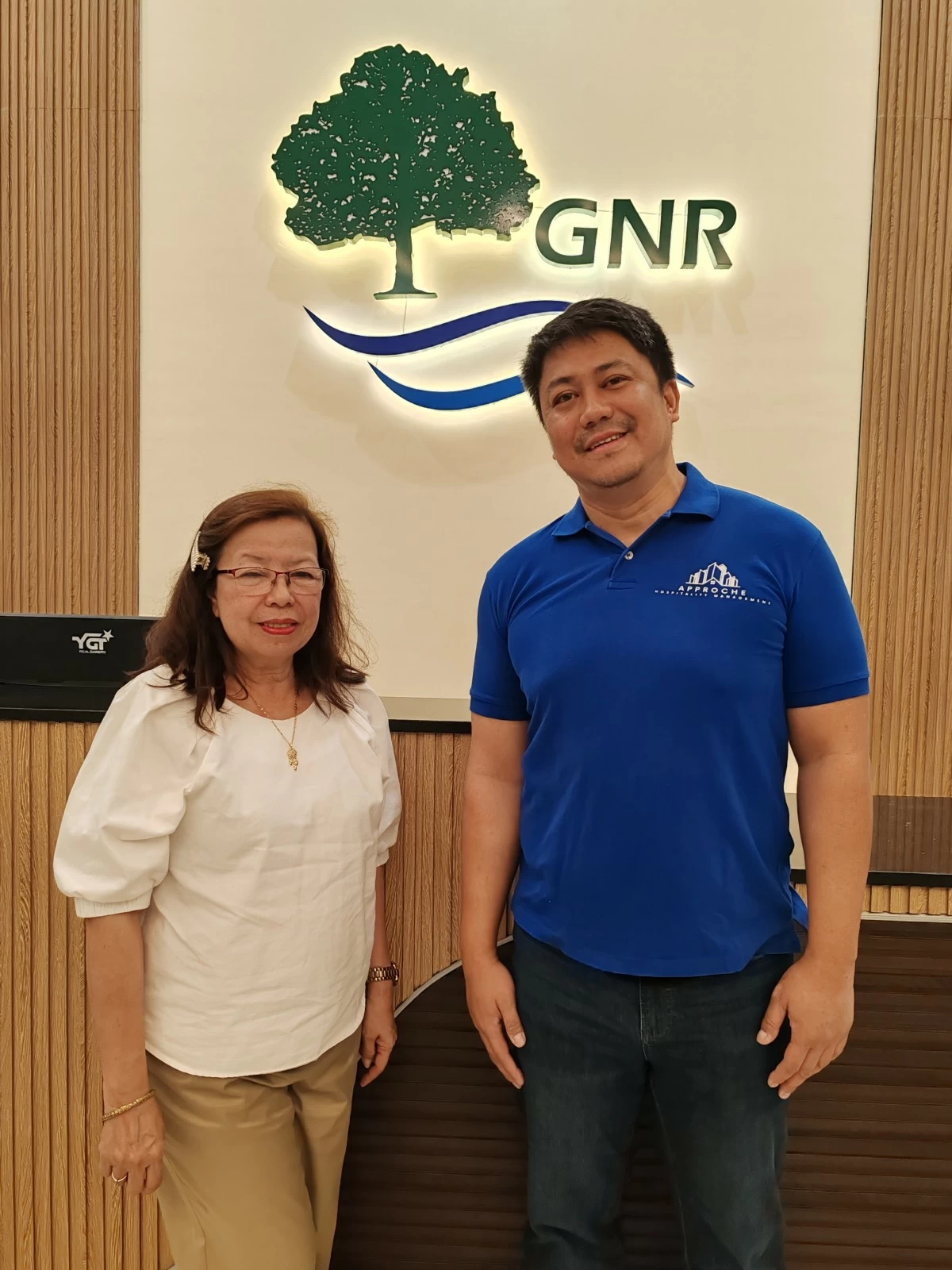
Christian Guballa, AHM managing director, with Marites Castro, DOT Region IV-A regional director.
AHM works with the Department of Tourism (DOT) and local government units to design experiences that go beyond the hotel itself, encouraging guests to explore nearby heritage sites, natural attractions, and local industries.
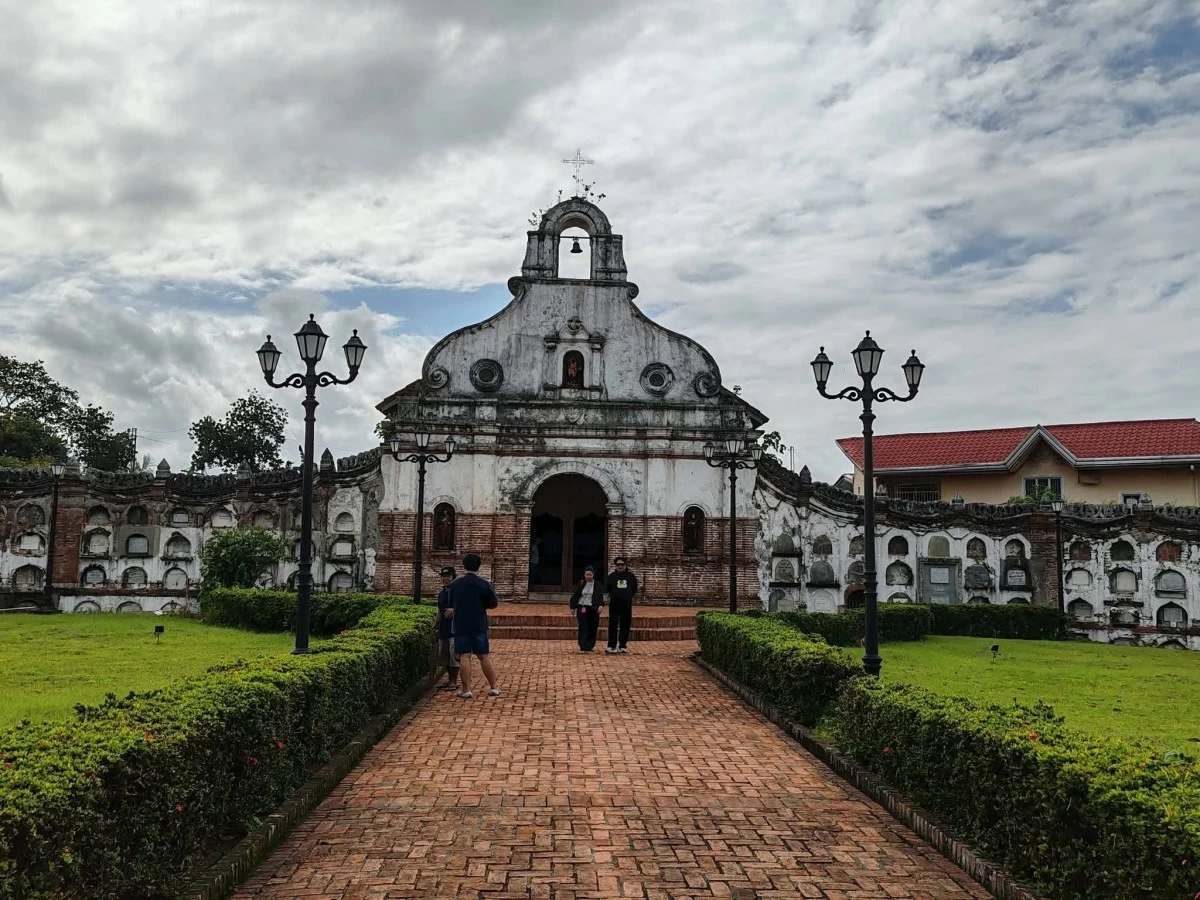
Nagcarlan Underground Cemetery
From guided tours in historic places like Nagcarlan Underground Cemetery and San Bartolome Apostol Church to visits to protected areas like Yambo Lake, as well as food producers and artisan communities, these efforts aim to distribute tourism benefits more evenly across destinations.
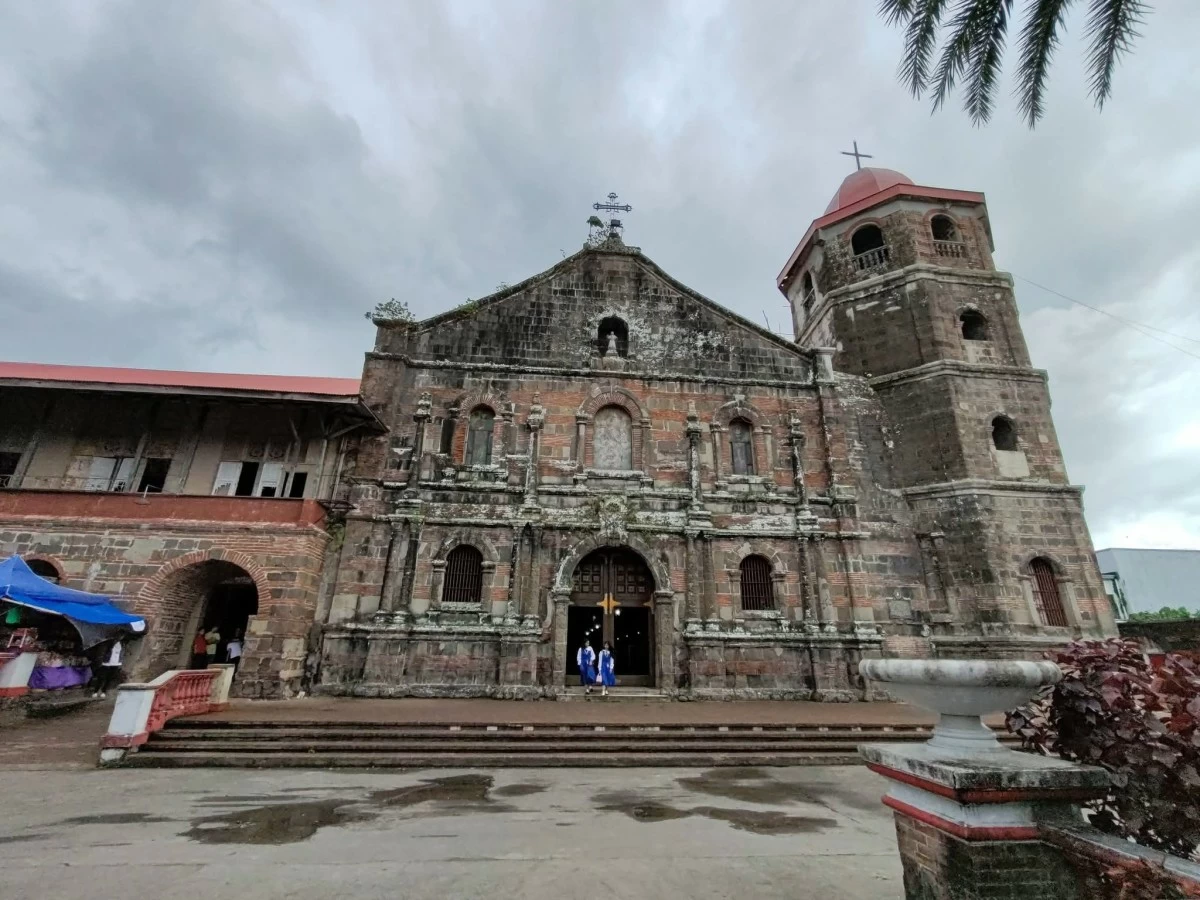
San Bartolome Apostol Church
Tourism officials note that this integrated approach is key to long-term growth.
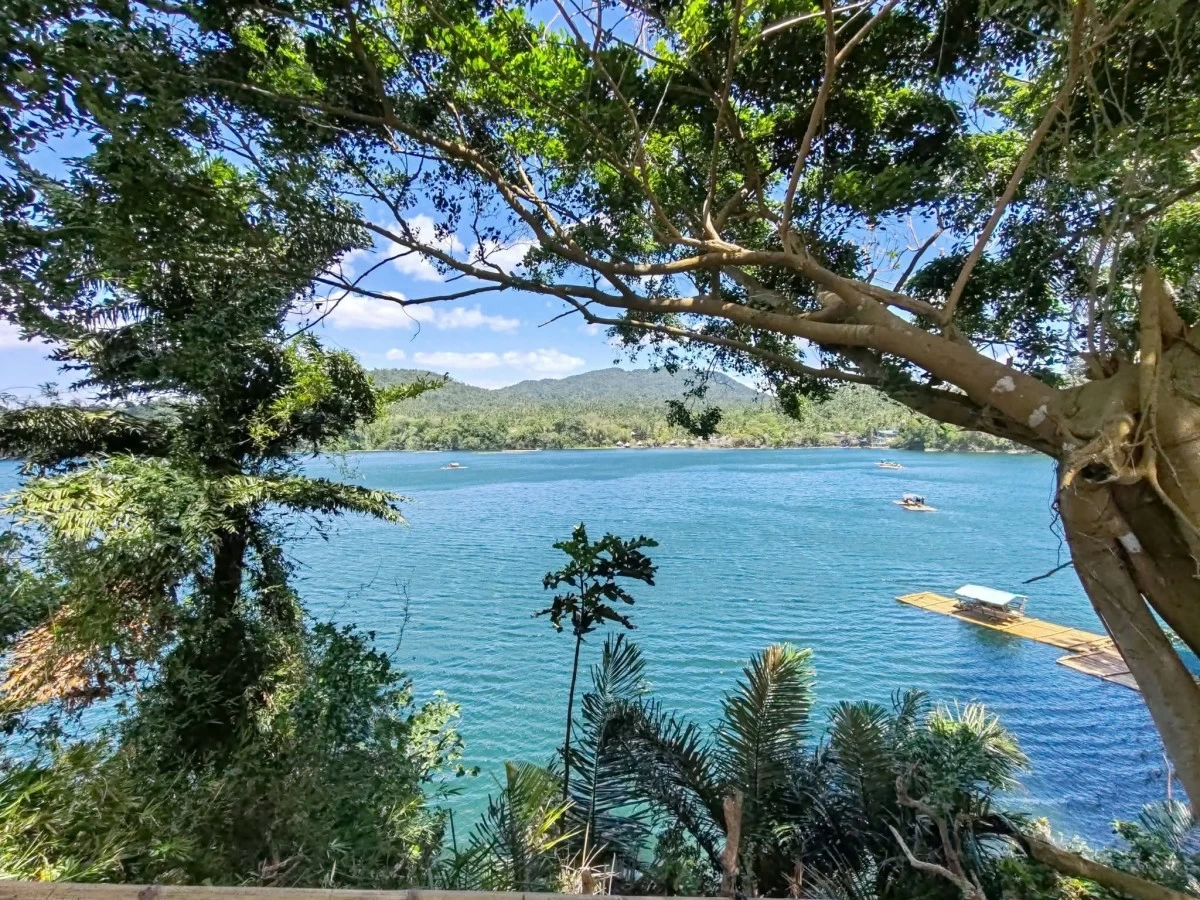
Yambo Lake
CALABARZON, which ranks first in domestic tourist arrivals, is increasingly promoting not just destinations, but complete experiences that combine culture, food, and nature. Initiatives such as the Central Philippines Travel Expo and ongoing workforce training programs reflect a broader push toward sustainable and inclusive tourism development.
“It’s about a complete experience that includes food and other attractions. Tour operators are already working on packages that reflect this,” said Marites Castro, DOT Region IV-A regional director. “We are continuously promoting our destinations while also investing in workforce development.”
Rethinking destination development
Green Nature Resort & Leisure Park itself reflects this evolving mindset.
Set on a five-hectare property in Laguna, the resort was redeveloped with a focus on creating a balanced destination, one that offers leisure, events, and nature-based experiences without overwhelming the surrounding environment.
Facilities such as a newly renovated events pavilion, which can accommodate up to 200 guests, and a large water park cater to both personal and group activities, while the property’s location offers a quieter alternative to more crowded tourist hotspots.
Even as visitor numbers increase, particularly during peak summer months, when the water park draws up to 1,000 guests daily, the goal is to manage growth responsibly and maintain a relaxed, nature-oriented atmosphere.
“Our vision is to make this a destination where people can unwind, connect with nature, and experience local culture,” Guballa added.
A growing movement
AHM now manages 11 properties across the Philippines, with projects spanning Bicol, Tagaytay, Boracay, and Metro Manila, as well as upcoming developments in El Nido and Siargao.
While expansion remains part of its strategy, the company underscores that growth must be guided by sustainability principles, ensuring that development benefits both travelers and host communities.
As the tourism sector evolves, boutique hospitality operators like AHM are showing that smaller-scale developments can play a significant role in shaping a more sustainable future.
By focusing on local identity, community engagement, and responsible growth, they are helping redefine what it means to build destinations—not just for today, but for generations to come.