







Real Estate Outlook 2026: The next growth frontiers
Published Apr 11, 2026 01:24 pm




As we enter 2026, the Philippine real estate sector is no longer in recovery mode—it is undergoing a strategic recalibration. With the economy projected to grow within the 5.5 to six percent range, property decisions today are less about prime addresses and more about connectivity, sustainability, and long-term yield resilience.
Buyers are becoming more selective and shifting toward transit-oriented developments and integrated townships that offer a true live-work-play environment, particularly those aligned with major infrastructure such as the Metro Manila Subway and the North–South Commuter Railway.
Growth is no longer Metro Manila–centric. Cities such as Cebu, Davao, Iloilo, and Bacolod are emerging as viable investment and employment hubs, creating a more balanced and inclusive real estate landscape.
Sustainability has moved from advocacy to asset strategy. As global capital flows normalize, ESG-aligned developments are increasingly favored by institutional investors.
The next phase of Philippine real estate will be defined by infrastructure-led growth, data- driven planning, and inclusive urbanization. The future of Philippine real estate will belong to markets that are planned with intent—where infrastructure, data, and sustainability work together to create lasting value.
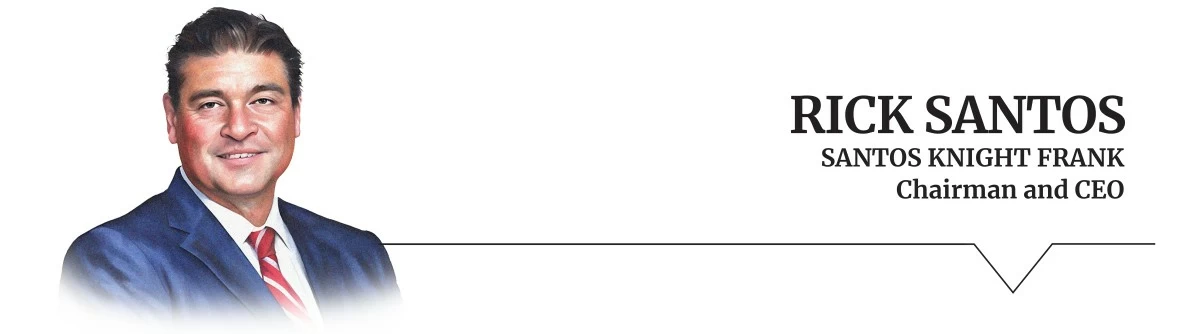
As the Philippine real estate sector enters its next phase of growth, long-term value creation will be driven by emerging asset classes, progressive reforms, and the continued rise of regional markets. The data center sector continues to gain momentum, with more players locating in the country to support a rapidly expanding digital economy. The office sector remains resilient, led by sustained demand from the continued expansion of BPOs, even amid the rise of AI.
At the same time, landmark reforms are fundamentally strengthening the investment environment. The 99-year land lease framework is a meaningful catalyst for large-scale and long-gestation projects, while progressive enhancements to the REIT ecosystem are unlocking deeper pools of long-term capital. Developers are already expanding aggressively into regional growth hubs such as Cebu, Davao, Pampanga, and New Clark City—locations that offer scale, infrastructure, and long-term competitiveness.
We are likewise seeing renewed tourism momentum, which is poised to support a stronger hospitality sector.
These fundamentals underscore a clear reality: despite recent geopolitical tensions, Philippine real estate continues to stand out as a safe haven for investors and remains one of the most compelling and resilient long-term investment markets in the region.

It remains a mixed bag for the Philippine property. The office segment was able to breach our initial estimate as outsourcing firms and traditional occupants took up massive space the past 12 months. The Metro Manila condominium market surprised a lot of stakeholders—with net take-up rebounding significantly in Q3 2025 due to attractive promos offered by developers despite elevated bank mortgage rates. The retail sector has been the most resilient, backed by brisk take-up from foreign brands and mall developers’ aggressive refurbishment of retail spaces. International tourist arrivals YTD are subpar, with much of the recovery in hotel rates and occupancies due to a strong local market. Meanwhile, we remain optimistic for the industrial sector, with Philippine exporters projecting decent growth next year and as more foreign investment pledges materialize in 2026.
We expect 2026 to present a mix of headwinds and tailwinds, a normal occurrence for a cyclical Philippine property market. Developers need to future-proof their businesses to remain relevant in a constantly evolving real estate market.

What will define real estate growth going forward is how thoughtful developers build for real life.
We are already seeing strong momentum not only in major cities but also in surrounding growth areas, as more people look for better balance, stronger communities, and developments that genuinely improve everyday living.
Projects that will stand out are integrated communities that bring together residential, commercial, lifestyle, and hospitality in one ecosystem that’s built thoughtfully with sustainability and long-term resilience in mind. How a development uses space and energy shapes how people live in it and how it holds value over time.
From a hospitality perspective, we also see how experience, service, and consistency shape how people feel about a place. When these principles are embedded into a development, they elevate not just the quality of the hotel component but the entire community.
Ultimately, growth moving forward will favor projects that are built with long-term relevance in mind and developments that create lasting value for the people who live, work, and invest in them.
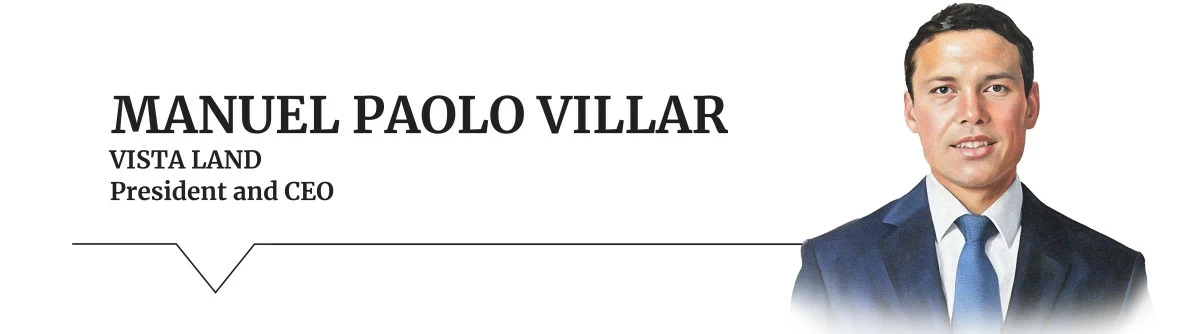
Central to this next phase is the continued evolution of integrated estates. These master-planned developments bring together residential communities, business districts, commercial centers, and lifestyle destinations within a cohesive and automated framework, ensuring self-sustaining growth is determined and deliberate. Within these built environments, house-and-lot communities remain the foundation of Filipino homeownership, providing potential and permanence for multigenerational living. Landed housing will anchor economic stability, community life, and a legacy of value, particularly as Filipinos plan, purchase, and pass on homes.
Complementing this are condominium properties that address the needs of urban communities. Situated within transportation networks and university clusters, they will soon rise in emerging locations across the country to improve efficiency for enterprises and employment.
National real estate over the next 25 years will no longer be just about opportunity; it will be about ownership that is complete and considered. It is about places that are finely planned, communities that are well lived in, and investments that deliver not only returns but also relevance. In continuing to build integrated estates, house-and-lot communities, and condominium properties, the future finds its fullness: where growth arrives not in fragments, but in finished lifescapes.