






Manila Bulletin
 Philippines
National
Lawyer-solon pokes holes into SC petitions challenging VP Sara impeachment
Philippines
National
Lawyer-solon pokes holes into SC petitions challenging VP Sara impeachment
Philippines
National
Lawyer-solon pokes holes into SC petitions challenging VP Sara impeachment
Lawyer-solon pokes holes into SC petitions challenging VP Sara impeachment
Published Apr 11, 2026 11:55 pm


At A Glance
- Lawyer-legislator Bicol Saro Party-list Rep. Terry Ridon argued on Saturday, April 11 that the claims of anti-impeachment petitions filed before the Supreme Court (SC) by both the legal team and the supporters of Vice President Sara Duterte simply do not hold water.
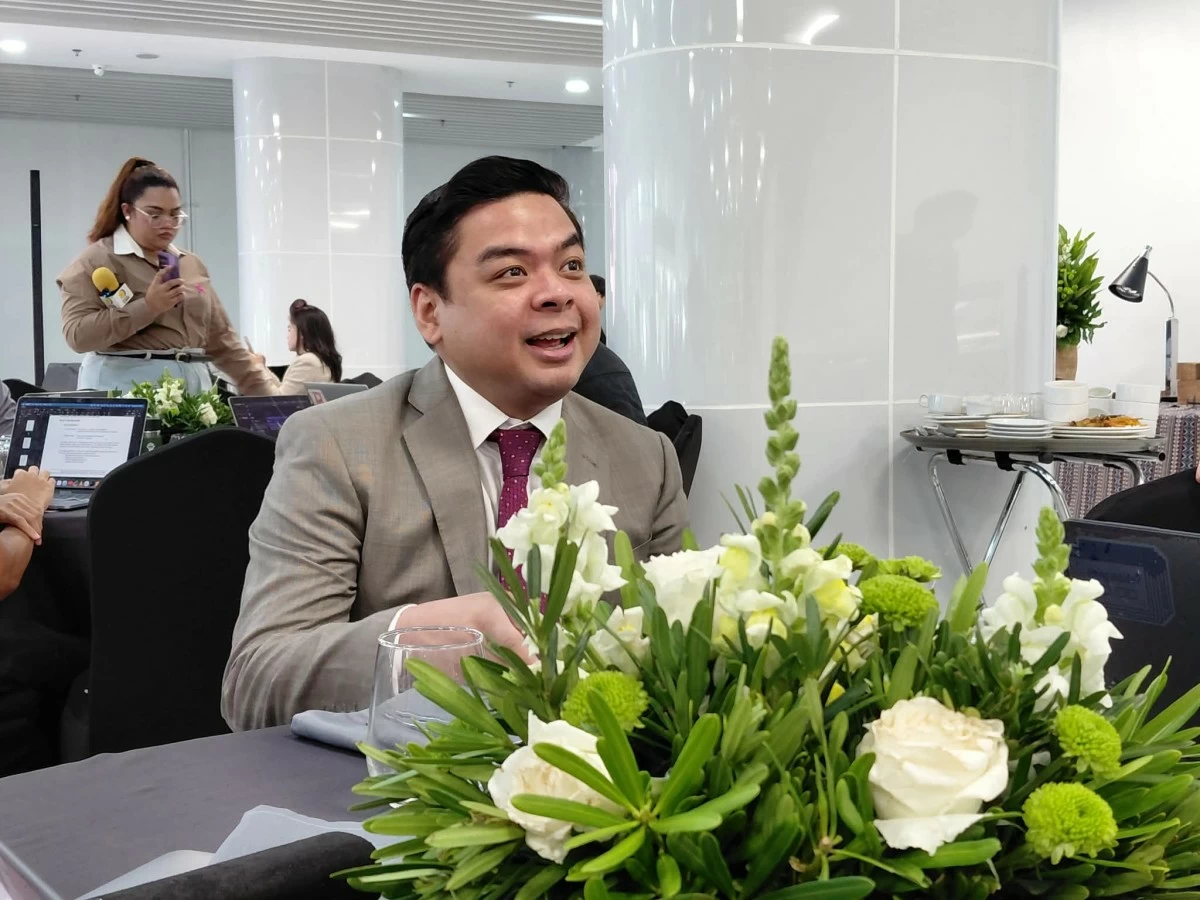
Bicol Saro Party-list Rep. Terry Ridon (Ellson Quismorio/ MANILA BULLETIN)
Lawyer-legislator Bicol Saro Party-list Rep. Terry Ridon argued on Saturday, April 11 that the claims of anti-impeachment petitions filed before the Supreme Court (SC) by both the legal team and the supporters of Vice President Sara Duterte simply do not hold water.
Ridon, a member of the House Committee on Justice, maintained that the panel has been carrying out the impeachment proceedings against the Vice President within the bounds of the Constitution.
"Tingin ko walang grave abuse. Kahit nga not grave abuse, tingin ko walang ganoon (I don’t think there’s grave abuse. Even if not grave abuse, I don’t think there’s any),” the outspoken congressman said.
Ridon added that the panel’s actions rest on a clear constitutional mandate to proceed once the complaints have been found sufficient in form and substance. The panel is set to resume its hearings on April 14, this time on the determination of probable cause.
“Kasi nga (It's because) everything that the House Committee on Justice has been undertaking is within the mandate of the Constitution. We are mandated to conduct a hearing after determination of sufficiency in form and substance, yun po yung una (that's the first one),” he explained.
He says that, contrary to the SC petitioners' claims, the committee’s authority under House rules does not stop at receiving the pleadings; rather, it extends to conducting hearings and drawing out additional material through compulsory processes.
“Pangalawa, within the House rules may karapatan to conduct a hearing ang ating House Committee on Justice after determination of sufficiency in form, substance and grounds at makapag-elicit ng mga additional evidence through compulsory processes like subpoenas,” Ridon pointed out.
(Second, within the House rules, our House Committee on Justice has the right to conduct a hearing after determining sufficiency in form, substance, and grounds, and can elicit additional evidence through compulsory processes like subpoenas.)
Ridon then underscored that even in the Duterte v. House ruling, wherein the SC ultimately junked the 2025 impeachment complaint against the same respondent, the high court recognized the justice committee’s power to receive evidence in the course of the proceedings.
“At kasama po doon sa reception of evidence ay ibang mga klase ng evidence katulad ng documentary and testimonials (Included in the reception of evidence are other types such as documentary and testimonial)," he noted.
“Kaya hindi totoo ang sinasabi nila na hindi puwedeng mag-elicit ng additional evidence ang House Justice Committee. Hindi tayo nakatali doon sa mga ebidensya na ipinasa at time of filing,” Ridon added.
(That’s why it’s not true when they say the House Justice Committee cannot elicit additional evidence. We are not bound only to the evidence submitted at the time of filing.)
He went on to draw a comparison to the rules governing preliminary investigations, where subpoena power may likewise be used to gather more evidence before deciding whether a case should move forward.
“And again, the purpose of this is justice para makaalaman talaga at the level of preliminary investigation at sa bahagi po namin at the level of hearing proper kung dapat ba talagang tumawid, tumuloy o tumigil ang proceedings po natin batay sa mga umiiral na ebidensya,” Ridon stated.
(And again, the purpose of this is justice—to truly find out at the level of preliminary investigation, and for us at the level of the proper hearing, whether the proceedings should cross over, continue, or stop based on the existing evidence.)
Ridon also reiterated that the SC--despite the filings there--haven't issued a temporary restraining order (TRO) against the House panel.
“Ang inaasahan na natin sa darating pong Martes, April 14 ay una, wala na hong makakapigil sa pagdinig ito (What we expect this coming Tuesday, April 14, first, is that nothing will stop this hearing),” said the party-list congressman.