






Manila Bulletin
 Philippines
National
House LEAD Council to present legislative answer to fuel price crisis by May 4
Philippines
National
House LEAD Council to present legislative answer to fuel price crisis by May 4
Philippines
National
House LEAD Council to present legislative answer to fuel price crisis by May 4
House LEAD Council to present legislative answer to fuel price crisis by May 4
Published Apr 11, 2026 12:56 pm


At A Glance
- The House of Representatives is fast-tracking its legislative response to the problem of elevated fuel costs, with the all-encompassing measure expected to be ready once Congress resumes session on May 4.
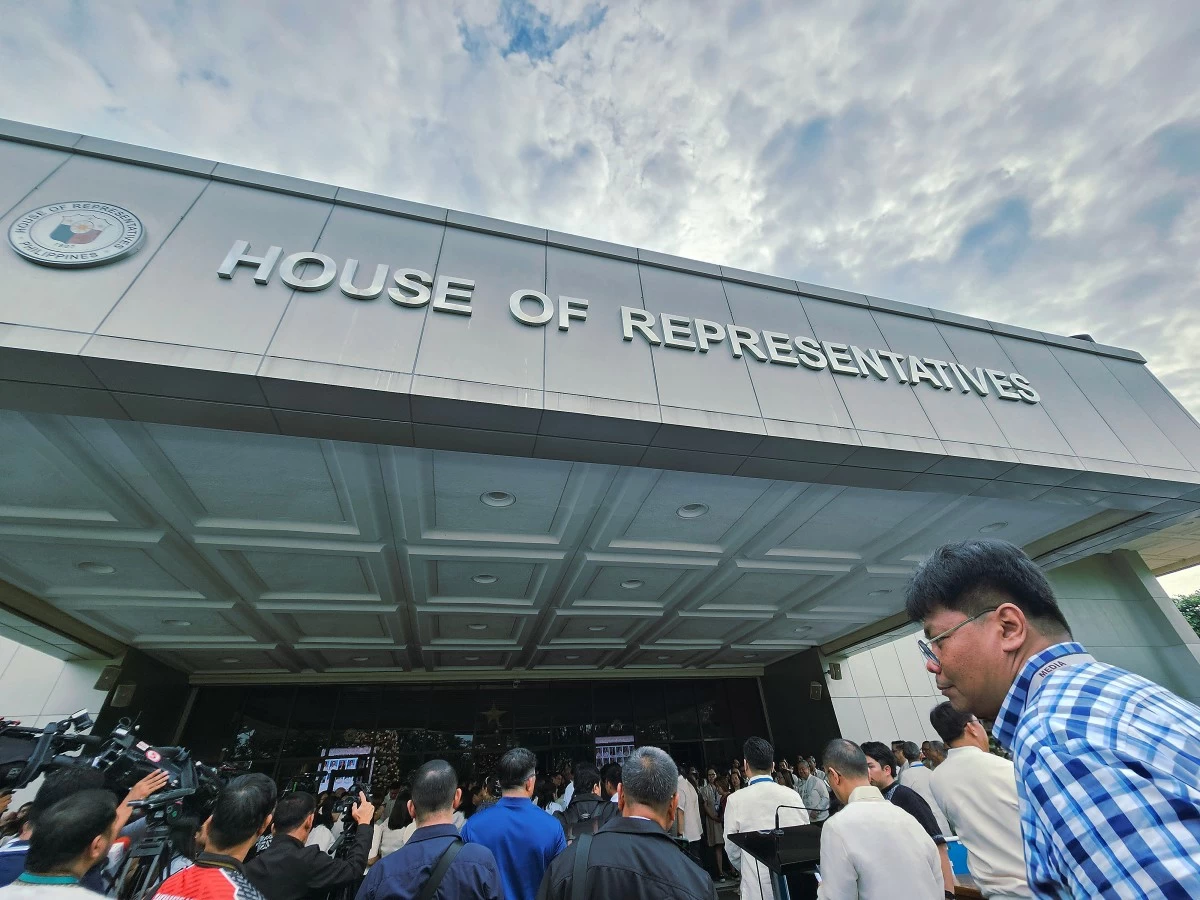
The House of Representatives (Ellson Quismorio/ MANILA BULLETIN)
The House of Representatives is fast-tracking its legislative response to the problem of elevated fuel costs, with the all-encompassing measure expected to be ready once Congress resumes session on May 4.
Such was the commitment of the Legislative Energy Action Development (LEAD) Council, a multi-committee body tasked by no less than House Speaker Faustino "Bojie" Dy III to draw up both immediate relief and long-term reforms to the burdensome fuel price crisis even during the summer recess.
Marikina City 2nd district Rep. Miro Quimbo, presiding officer of the LEAD Council, says lawmakers are working through the break to ensure that concrete measures are in place once plenary session resumes.
“By the end of the month, ‘pag nag-start na kami ng formal session natin ng first week of May, is meron na kaming nabuong batas that will address ‘yung urgent needs natin today (When we start our formal session in the first week of May, we will already have a law that addresses our urgent needs today)," Quimbo said in a radio interview.
Congress (House of Representatives and Senate) began its current legislative recess on March 21.
Quimbo said the planned legislation--which he initially said would be dubbed "Bayanihan 3"--will tackle both immediate relief from the oil price shock and structural reforms to reduce the country’s vulnerability to global price swings.
“Ito talaga ang pinamamadali ni Speaker Bojie Dy. Sinabi niya, huwag na tayong maghintay, kahit tayo naka-break lahat (This is what Speaker Bojie Dy is really rushing. He said, let’s not wait, even if we are all on break). 'I want to start moving,” the veteran solon quoted Dy.
Among the reforms being considered are incentives to promote cleaner and more sustainable transport, including support for electric vehicles and related industries.
“Kasama diyan ang pagbibigay ng incentives para makabuo tayo ng isang panibagong cars program na magpo-promote ng electric vehicle use. Hindi lang sa gobyerno, pero pati pagbibigay ng tax incentives at saka iba’t ibang insentibo na hindi nagre-require ng gobyerno na magbigay ng pera,” Quimbo said.
(Included in this is the granting of incentives to establish a new cars program that will promote the use of electric vehicles. Not only in government, but also through tax incentives and other benefits that do not require the government to spend money.)
He says the goal is to create a policy environment that encourages private sector investment in emerging industries such as electric vehicles, battery production, and other alternatives to fossil fuels.
“Pwede tayong mag-create lang ng environment such that we are encouraging people para magtayo ng mga ganito, whether it is a battery o anong industriya (We can simply create an environment that encourages people to set up such ventures, whether it’s batteries or any industry),” he added.
Composed of 13 House committees, the LEAD Council is serving as the central platform for the House’s coordinated response to the Middle East conflict-triggered fuel price crisis. It held its first marathon hearing last April 8.
Quimbo said the energy crisis council will hold another three hearings next week.