






Manila Bulletin
 Philippines
National
DOH unveils localized MISP training module with UNFPA and Australia to protect women and girls during emergencies
Philippines
National
DOH unveils localized MISP training module with UNFPA and Australia to protect women and girls during emergencies
Philippines
National
DOH unveils localized MISP training module with UNFPA and Australia to protect women and girls during emergencies
DOH unveils localized MISP training module with UNFPA and Australia to protect women and girls during emergencies
By Dhel Nazario
Published Apr 11, 2026 04:59 pm


The Philippine MISP Training Module on Sexual and Reproductive Health (SRH) in Emergencies was officially launched by the Department of Health (DOH), in partnership with the United Nations Population Fund (UNFPA) and theAustralian Government, during a ceremonial unveiling marking a major step in strengthening the country’s capacity to deliver life-saving SRH services during crises.
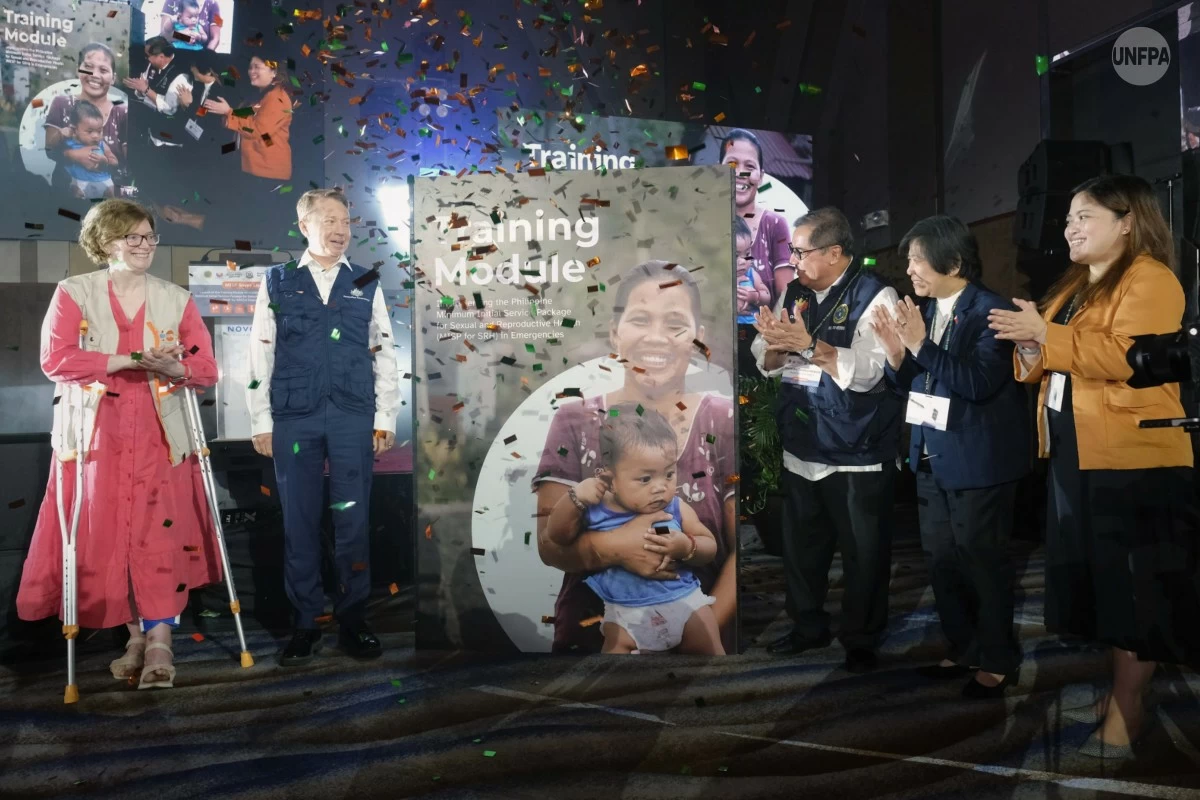
From left to right: UNFPA Country Representative, Neus Bernabeu, Australia's Ambassador to the Philippines, H.E. Marc Innes-Brown, DOH Secretary Teodoro Herbosa, Undersecretary Gloria Balboa, Health Emergency Management Bureau Director Dr. Bernadette Velasco.
In a country frequently affected by typhoons, floods, and other disasters, ensuring continuous access to SRH services is critical especially for women, girls, and disadvantaged populations. The MISP outlines priority interventions to prevent maternal and newborn deaths, address sexual violence, reduce HIV transmission, and ensure that life-saving SRH services are available from the earliest stages of an emergency.
Department of Health Secretary Teodoro Herbosa reflected on his experience as an emergency physician, recalling firsthand the realities faced in crisis settings and the urgent need for timely, coordinated care.
“Aligned with the Department’s 8-Point Action Agenda, specifically Action Agenda 4: Handa sa Krisis, the MISP-SRH embodies our dedication to enhancing well-being and ensuring quality SRH services to Filipinas during crises. As we celebrate this milestone, we reaffirm our commitment to leave no woman behind, ensuring that she receives the care and support she needs even in emergencies.”
“Communities face typhoons, floods, and other crises every year, disrupting lives and placing immense strain on already fragile systems,” said UNFPA Philippines Country Representative Neus Bernabeu. “In these moments, access to sexual and reproductive health services is often among the first to be compromised, yet it remains one of the most critical. Women continue to give birth. Adolescents face heightened risks of unintended pregnancy. Survivors of violence need immediate, confidential, and life-saving care. This is why the MISP is so important. It is not just a technical guideline; it is a commitment— a commitment that even in the most difficult circumstances, we will act quickly.”
Australia’s Ambassador to the Philippines, His Excellency Marc Innes-Brown said: “As we mark 80 years of diplomatic relations between Australia and the Philippines, our Strategic Partnership continues to demonstrate a strong shared commitment to gender equality, preparedness, and resilience. Australia is pleased to support the development of this training module, which advances gender‑equitable humanitarian and climate action and helps ensure that emergency responses effectively address the local needs of Filipino women and girls.”
The training module equips healthcare providers, emergency responders, and local government units with the knowledge and tools needed to maintain SRH services during disasters. It represents a localized adaptation of the global MISP, developed through consultations, workshops, and collaborative discussions with national and local stakeholders to reflect the country’s policies, systems, and on-the-ground realities.
The launch brought together representatives from government agencies, development partners, and humanitarian organizations, emphasizing a shared commitment to building resilient health systems and advancing equitable access to essential services in emergencies.
As the Philippines continues to face increasing disaster risks, initiatives like the MISP training module, championed by DOH, UNFPA, and the Australian Government, play a vital role in ensuring that no one is left behind— especially when it matters most.