






Manila Bulletin
 Philippines
National
Villanueva backs BSP's draft circular on flexible repayment terms for salary loans
Philippines
National
Villanueva backs BSP's draft circular on flexible repayment terms for salary loans
Philippines
National
Villanueva backs BSP's draft circular on flexible repayment terms for salary loans
Villanueva backs BSP's draft circular on flexible repayment terms for salary loans
Published Apr 10, 2026 05:15 pm


At A Glance
- Senator Joel Villanueva on Friday, April 10, welcomed the Bangko Sentral ng Pilipinas' (BSP) proposal to depend on principles-based framework for salary-based personal loans as doing so actually puts borrowers' actual capacity to pay as consideration in their lending decisions.
Senator Joel Villanueva on Friday, April 10, welcomed the Bangko Sentral ng Pilipinas' (BSP) proposal to depend on principles-based framework for salary-based personal loans as doing so actually puts borrowers' actual capacity to pay as consideration in their lending decisions.
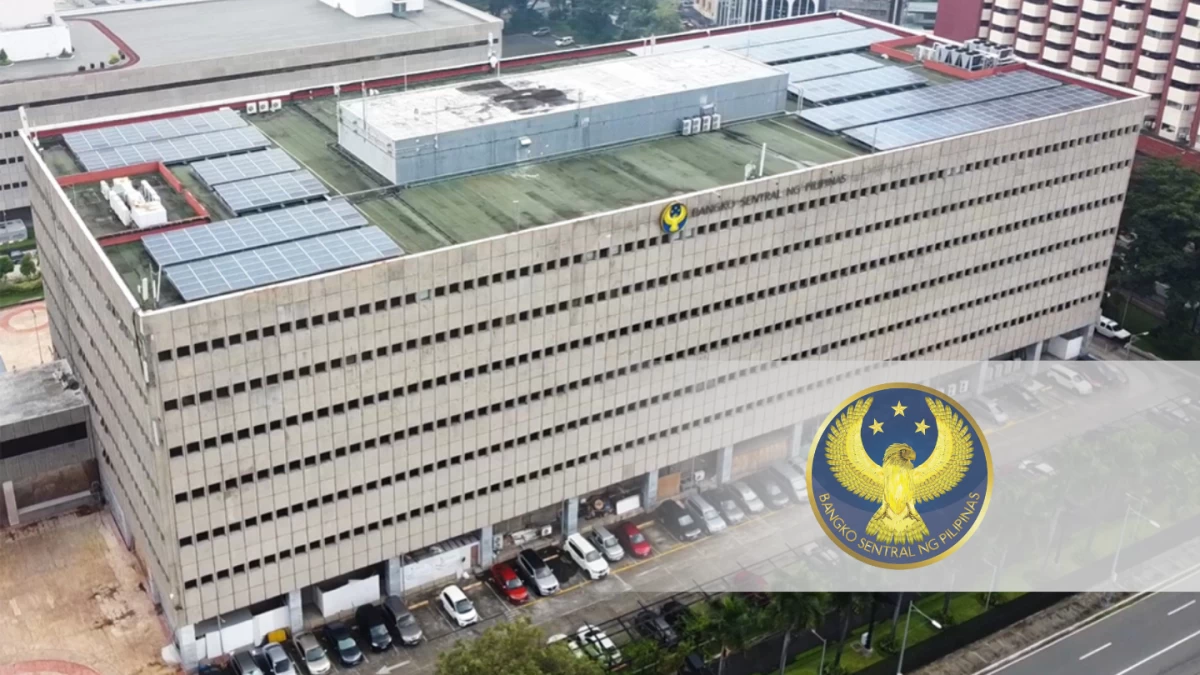
Villanueva said the Bangko Sentral ng Pilipinas (BSP)'s draft circular which proposes to know the status of the borrower, to know their capacity to pay and to implement restructuring of their payment terms are what "we are expecting" from the country's central bank.
"Masasabi po natin na patas ang ganitong hakbang, at matagal na rin po ang ating hinintay para ipatupad ito ng BSP," Villanueva, chair of the Senate committee on banks, said.
The central bank's draft circular primarily proposes moving away from prescriptive limits on loan tenor toward an approach that allows BSP-supervised financial institutions to set repayment terms based on a borrower's creditworthiness, repayment history, and loan purpose—with terms open to mutual agreement between lender and borrower, subject to sound credit risk management standards.
Consequently, this removes the existing BSP directive on setting the original loan term for education, hospitalization, emergency, travel, household, and other personal consumption needs to three years and extendible up to a maximum of five years in meritorious circumstances.
Villanueva said he supports the proposal as it aligns with Congress' drive to protect Filipino borrowers from debt-servicing arrangements that bear no relation to their actual financial situation.
He added that that the Senate committee on banks is prepared to exercise its oversight function to ensure the smooth implementation of the policy change.
"We are seeing the same distress signal coming from multiple directions at once. The BSP is proposing flexibility for private borrowers. The GSIS (Government Service Insurance System) moratorium is now in effect for government workers. And now the SSS (Social Security System) is saying it is studying a loan moratorium and penalty condonation for its own members and employers,” Villanueva said.
“These are not isolated decisions. They are all pointing to the same reality on the ground," he added.