ADVERTISEMENT

Tindi ng init?: PhilHealth covers heat-related illnesses amid rising temperatures

Published Apr 10, 2026 04:59 pm
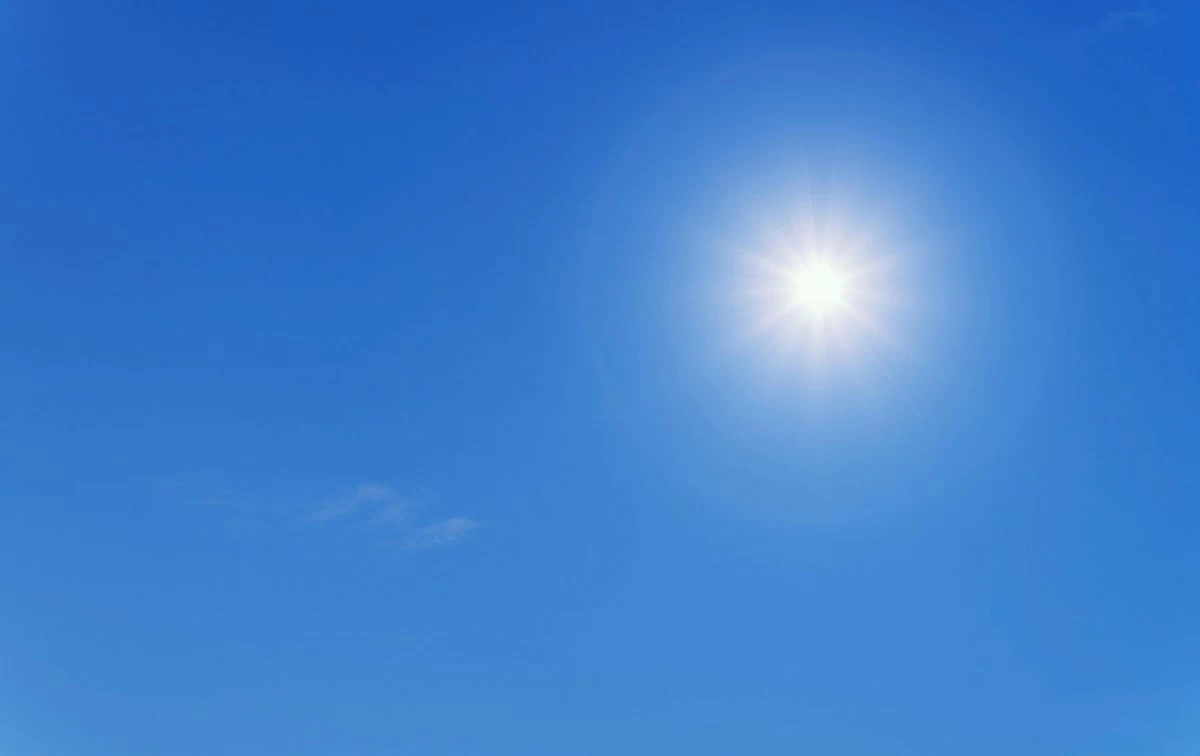
(PHOTO: PIXABAY)
(PHOTO: PIXABAY)
As temperatures rise during the dry season, the Philippine Health Insurance Corporation (PhilHealth) assured its members that coverage for heat-related illnesses is in place.
In a statement on Friday, April 10, the health state insurer reminded members that inpatient benefit packages for common summer- and heat-related illnesses may be availed of in any PhilHealth-accredited hospitals nationwide to help reduce out-of-pocket expenses.
These include coverage for heat stroke, heat exhaustion, heat collapse, heat cramp and sunstroke amounting to P12,675; heat fatigue and other effects of heat and light at P18,135; and moderate to severe dehydration at P7,800.
The agency other covered conditions include varicella or chickenpox without complication (P7,800), typhoid fever (P19,500), sore eyes or conjunctivitis (P16,575), infectious diarrhea or acute gastroenteritis (P11,700), and toxic effects of contact with fish and other marine animals such as jellyfish, sea anemone, shellfish, and starfish (P11,115).
As such, the PhilHealth reiterated that emergency health care needs, including heat-related cases, are covered under the Outpatient Emergency Care Benefit (OECB) package, which is available in accredited Level 1 to 3 hospitals.
This, it said, ensures that members can access immediate care for urgent conditions, strengthening financial protection during emergencies.
“PhilHealth stands ready to protect every Filipino. We want all members to know that coverage is available to help ensure their safety, wherever they are and regardless of the season,” PhilHealth CEO and President Edwin M. Mercado said.
Earlier, the Department of Health (DOH) warned that the risk of heat exhaustion and heat stroke increases during the dry season, noting that these conditions can become severe and even fatal if not immediately addressed.
The health department said symptoms of heat stroke include fever, dizziness, fatigue, loss of consciousness, and flushed skin.
To prevent heat-related illnesses, the DOH advised the public to stay hydrated by drinking at least seven to eight glasses of water daily, avoid strenuous outdoor activities from 9 a.m. to 4 p.m., and use protective gear such as umbrellas, hats, or fans when going outdoors.
The agency encouraged wearing light and loose clothing to help regulate body temperature during periods of extreme heat.

Related Tags

Init May coverage Heat-related illnesses covered temperatures rise PhilHealth
ADVERTISEMENT
.most-popular .layout-ratio{ padding-bottom: 79.13%; } @media (min-width: 768px) and (max-width: 1024px) { .widget-title { font-size: 15px !important; } }

{{ articles_filter_1561_widget.title }}

.most-popular .layout-ratio{ padding-bottom: 79.13%; } @media (min-width: 768px) and (max-width: 1024px) { .widget-title { font-size: 15px !important; } }

{{ articles_filter_1562_widget.title }}

.most-popular .layout-ratio{ padding-bottom: 79.13%; } @media (min-width: 768px) and (max-width: 1024px) { .widget-title { font-size: 15px !important; } }

{{ articles_filter_1563_widget.title }}

{{ articles_filter_1564_widget.title }}

.mb-article-details { position: relative; } .mb-article-details .article-body-preview, .mb-article-details .article-body-summary{ font-size: 17px; line-height: 30px; font-family: "Libre Caslon Text", serif; color: #000; } .mb-article-details .article-body-preview iframe , .mb-article-details .article-body-summary iframe{ width: 100%; margin: auto; } .read-more-background { background: linear-gradient(180deg, color(display-p3 1.000 1.000 1.000 / 0) 13.75%, color(display-p3 1.000 1.000 1.000 / 0.8) 30.79%, color(display-p3 1.000 1.000 1.000) 72.5%); position: absolute; height: 200px; width: 100%; bottom: 0; display: flex; justify-content: center; align-items: center; padding: 0; } .read-more-background a{ color: #000; } .read-more-btn { padding: 17px 45px; font-family: Inter; font-weight: 700; font-size: 18px; line-height: 16px; text-align: center; vertical-align: middle; border: 1px solid black; background-color: white; } .hidden { display: none; }
function initializeAllSwipers() { // Get all hidden inputs with cms_article_id document.querySelectorAll('[id^="cms_article_id_"]').forEach(function (input) { const cmsArticleId = input.value; const articleSelector = '#article-' + cmsArticleId + ' .body_images'; const swiperElement = document.querySelector(articleSelector); if (swiperElement && !swiperElement.classList.contains('swiper-initialized')) { new Swiper(articleSelector, { loop: true, pagination: false, navigation: { nextEl: '#article-' + cmsArticleId + ' .swiper-button-next', prevEl: '#article-' + cmsArticleId + ' .swiper-button-prev', }, }); } }); } setTimeout(initializeAllSwipers, 3000); const intersectionObserver = new IntersectionObserver( (entries) => { entries.forEach((entry) => { if (entry.isIntersecting) { const newUrl = entry.target.getAttribute("data-url"); if (newUrl) { history.pushState(null, null, newUrl); let article = entry.target; // Extract metadata const author = article.querySelector('.author-section').textContent.replace('By', '').trim(); const section = article.querySelector('.section-info ').textContent.replace(' ', ' '); const title = article.querySelector('.article-title h1').textContent; // Parse URL for Chartbeat path format const parsedUrl = new URL(newUrl, window.location.origin); const cleanUrl = parsedUrl.host + parsedUrl.pathname; // Update Chartbeat configuration if (typeof window._sf_async_config !== 'undefined') { window._sf_async_config.path = cleanUrl; window._sf_async_config.sections = section; window._sf_async_config.authors = author; } // Track virtual page view with Chartbeat if (typeof pSUPERFLY !== 'undefined' && typeof pSUPERFLY.virtualPage === 'function') { try { pSUPERFLY.virtualPage({ path: cleanUrl, title: title, sections: section, authors: author }); } catch (error) { console.error('ping error', error); } } // Optional: Update document title if (title && title !== document.title) { document.title = title; } } } }); }, { threshold: 0.1 } ); function showArticleBody(button) { const article = button.closest("article"); const summary = article.querySelector(".article-body-summary"); const body = article.querySelector(".article-body-preview"); const readMoreSection = article.querySelector(".read-more-background"); // Hide summary and read-more section summary.style.display = "none"; readMoreSection.style.display = "none"; // Show the full article body body.classList.remove("hidden"); } document.addEventListener("DOMContentLoaded", () => { let loadCount = 0; // Track how many times articles are loaded const offset = [1, 2, 3, 4, 5, 6, 7, 8, 9, 10]; // Offset values const currentUrl = window.location.pathname.substring(1); let isLoading = false; // Prevent multiple calls if (!currentUrl) { console.log("Current URL is invalid."); return; } const sentinel = document.getElementById("load-more-sentinel"); if (!sentinel) { console.log("Sentinel element not found."); return; } function isSentinelVisible() { const rect = sentinel.getBoundingClientRect(); return ( rect.top < window.innerHeight && rect.bottom >= 0 ); } function onScroll() { if (isLoading) return; if (isSentinelVisible()) { if (loadCount >= offset.length) { console.log("Maximum load attempts reached."); window.removeEventListener("scroll", onScroll); return; } isLoading = true; const currentOffset = offset[loadCount]; window.loadMoreItems().then(() => { let article = document.querySelector('#widget_1690 > div:nth-last-of-type(2) article'); intersectionObserver.observe(article) loadCount++; }).catch(error => { console.error("Error loading more items:", error); }).finally(() => { isLoading = false; }); } } window.addEventListener("scroll", onScroll); });

Sign up by email to receive news.