






Manila Bulletin
 World
Korea War memories: Student-soldier who died fighting for country, heart-wrenching recordings
World
Korea War memories: Student-soldier who died fighting for country, heart-wrenching recordings
World
Korea War memories: Student-soldier who died fighting for country, heart-wrenching recordings
Korea War memories: Student-soldier who died fighting for country, heart-wrenching recordings
Published Apr 10, 2026 08:54 am


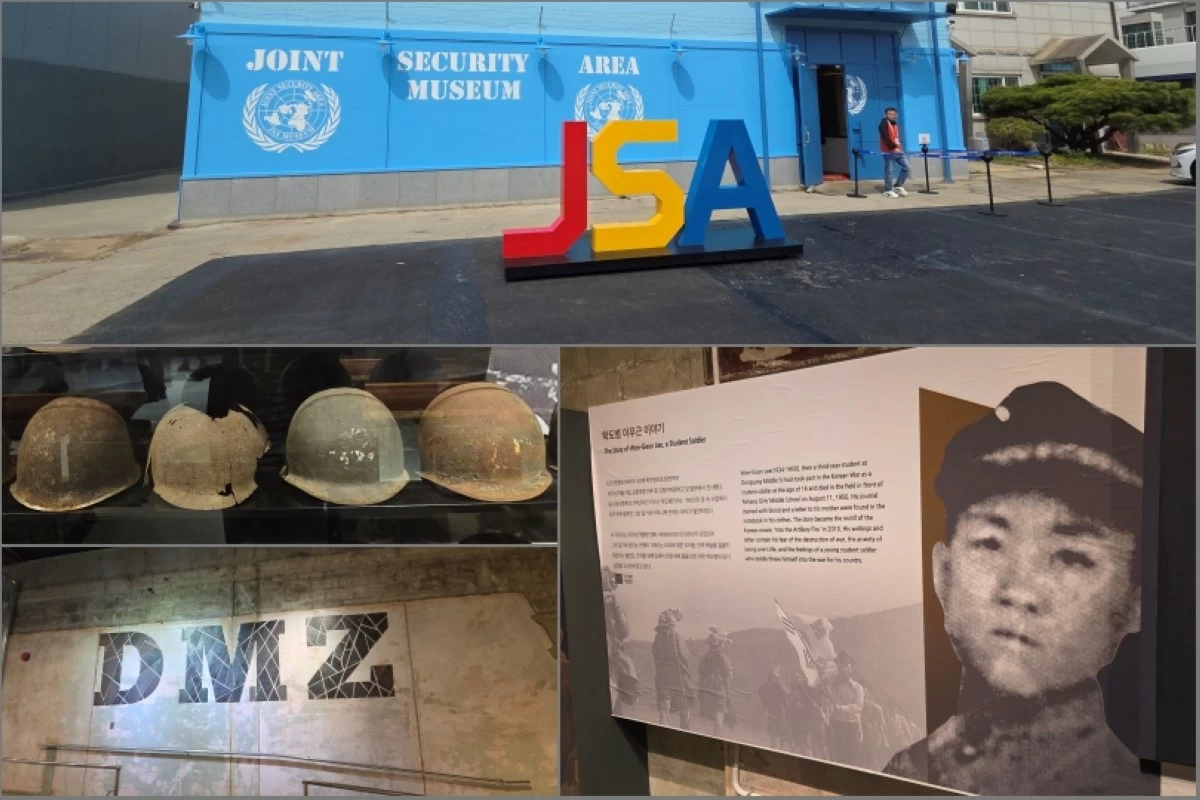
(From the top) The Joint Security Area (JSA) Museum, student-soldier Lee Woo-geun and Camp Greaves (Jonatnan Hicap)
SEOUL, South Korea - South Korea’s 20th-century history was reshaped by the Korean War, which devastated the nation, claimed countless lives, and tore families apart.
At the Korean Demilitarized Zone (DMZ), the memories of the Korean War, which lasted from 1950 to 1953, remain permanently etched, while the dream of reunification between the two Koreas continues to live on.
A total of 41 journalists from 30 countries, including the Manila Bulletin from the Philippines, visited areas around the DMZ as part of the recent World Journalists Conference (WJC) 2026 held in South Korea.
The sites they toured included the Odusan Unification Tower, Camp Greaves, and the newly opened Joint Security Area (JSA) Museum, all located in Paju, South Korea.
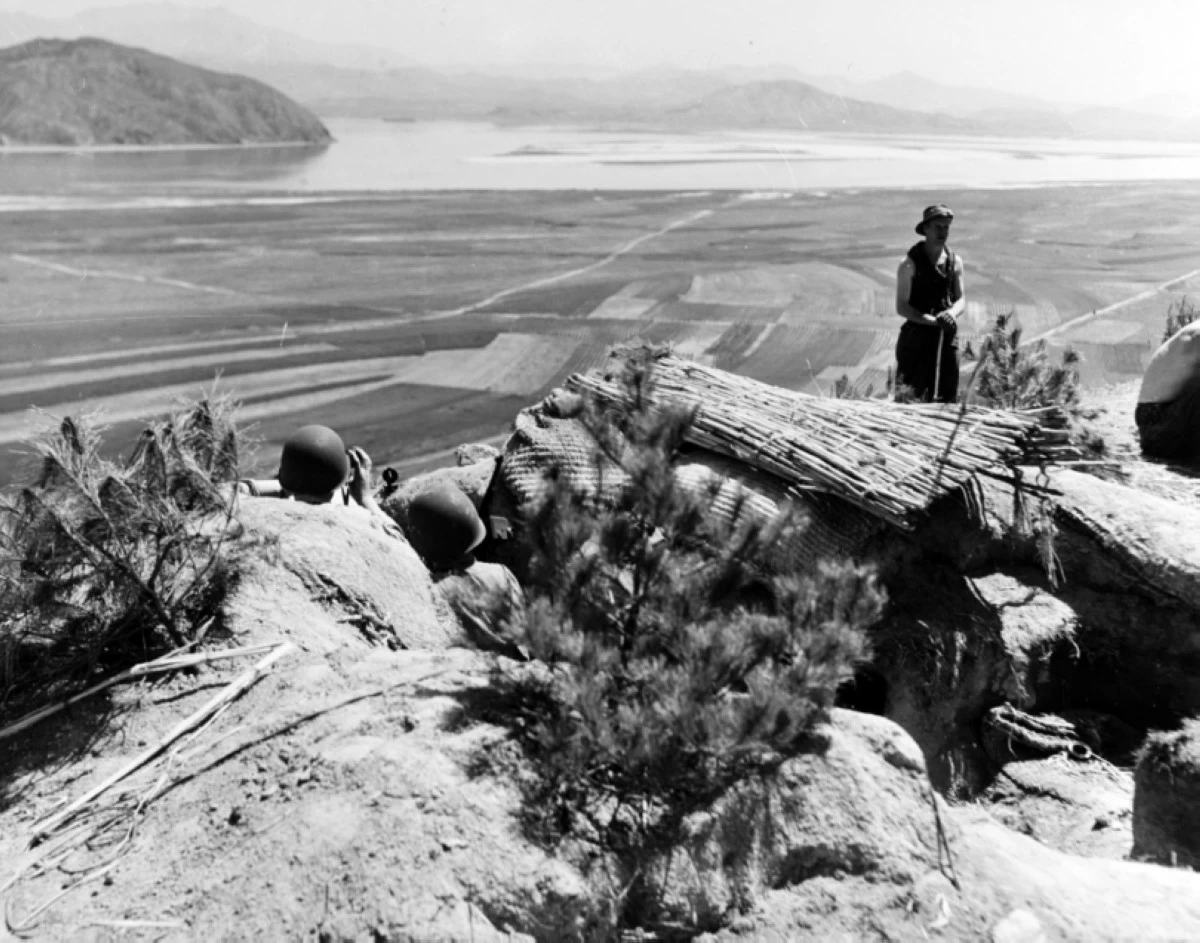
Shore fire control party from Toledo in an observation post overlooking the Han River, Korea, circa late April or May 1951. They are ready to spot and correct the cruiser's gunfire should the enemy appear (Photo: US Navy / National Archives)
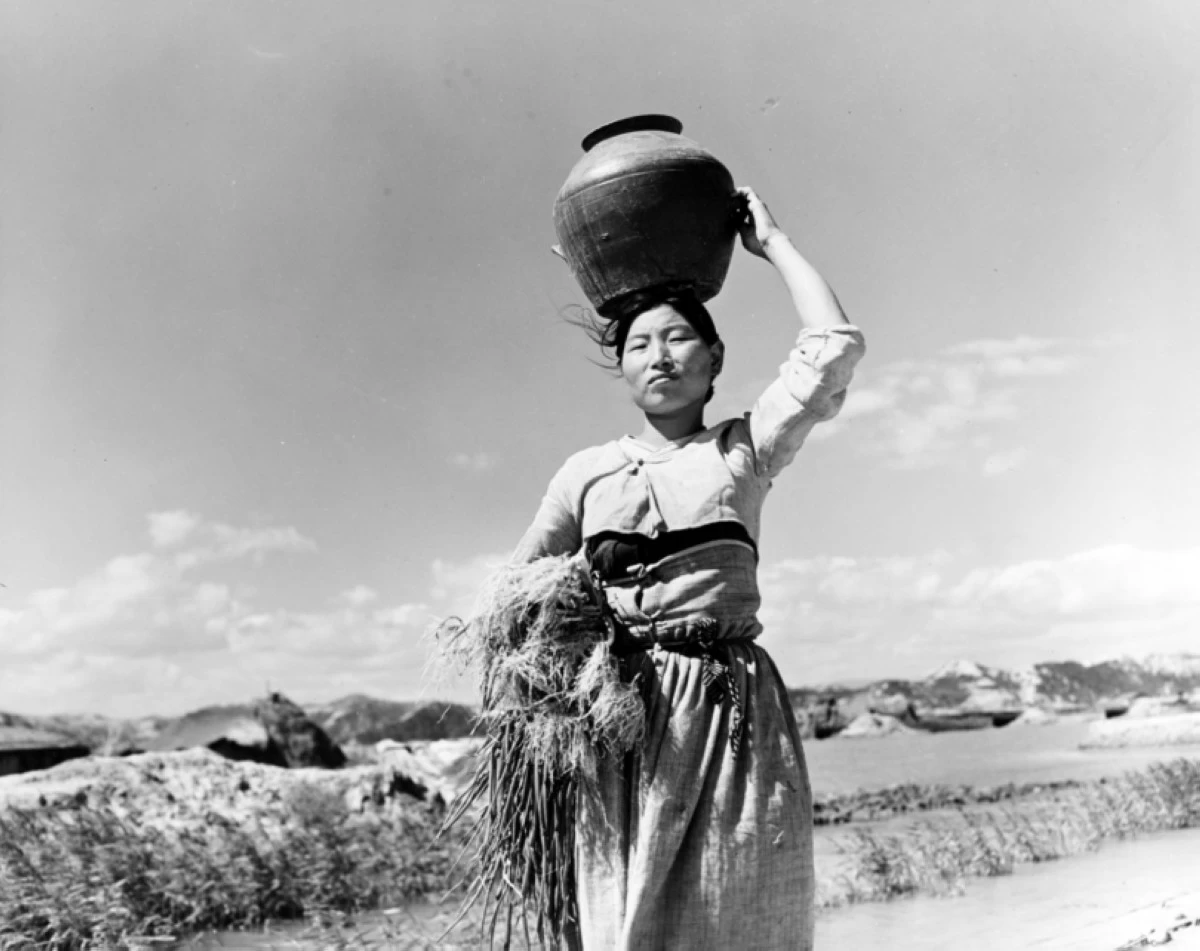
A Korean woman carries her belongings in a jug on her head, while fleeing from Pohang, South Korea. Original photo is dated Oct. 17, 1950. (Photo: US Navy Photograph, now in the collections of the National Archives)
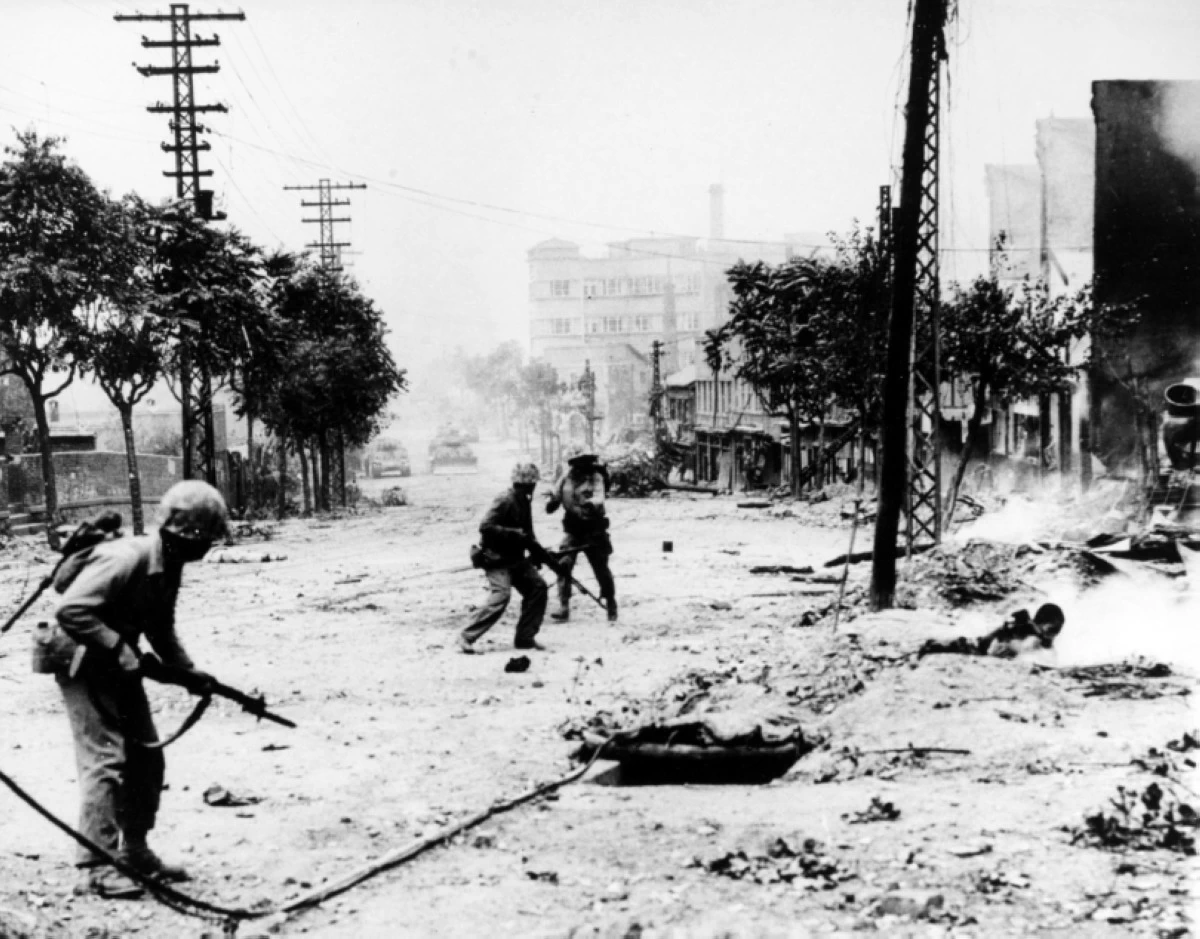
US Marines engaging in street fighting during the liberation of Seoul, circa late September 1950. Note M-1 rifles and Browning Automatic Rifles carried by the Marines, dead Koreans in the street, and M-4 Sherman tanks in the distance (Photo: US Naval History and Heritage Command)
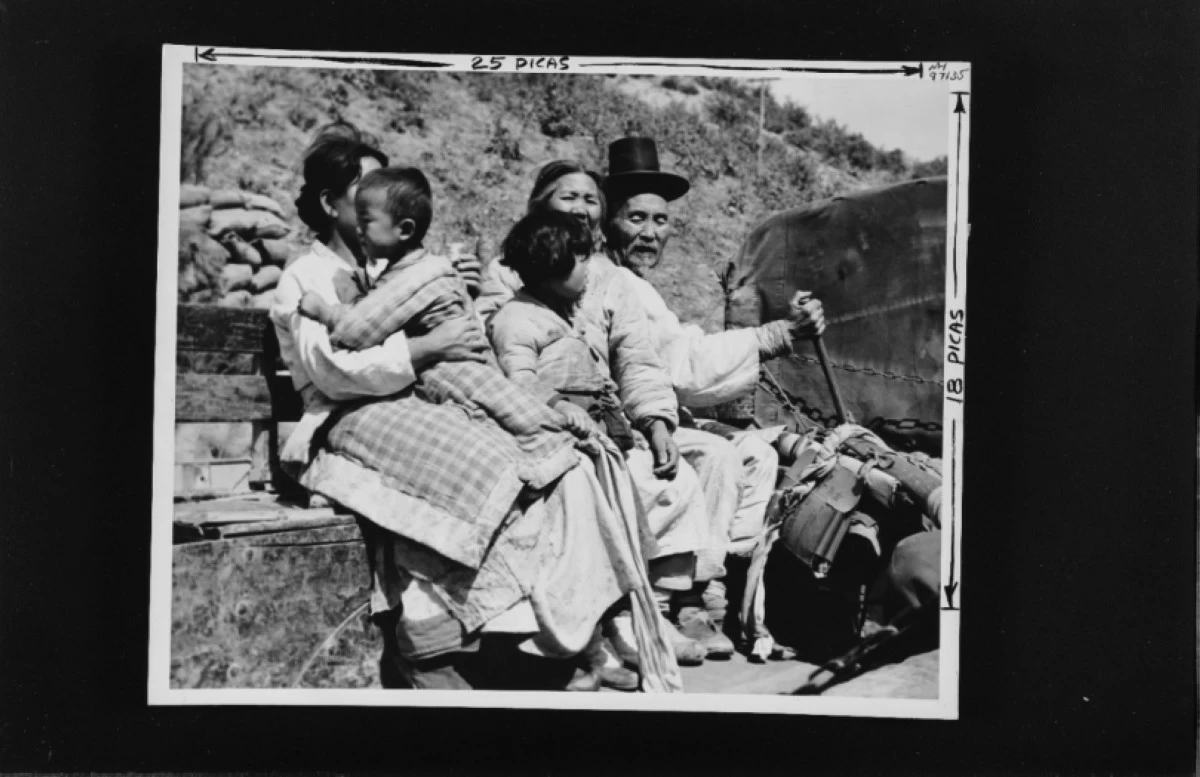
Trip out of danger, aged and young, this family of Koreans are evacuated out of possible danger areas near the front lines by a US Marine transport truck. Photograph and caption released by Commander Naval Forces, Far East, under date of 10 April 1952. (Photo: US Navy, from the All Hands collection at the Naval History and Heritage Command)
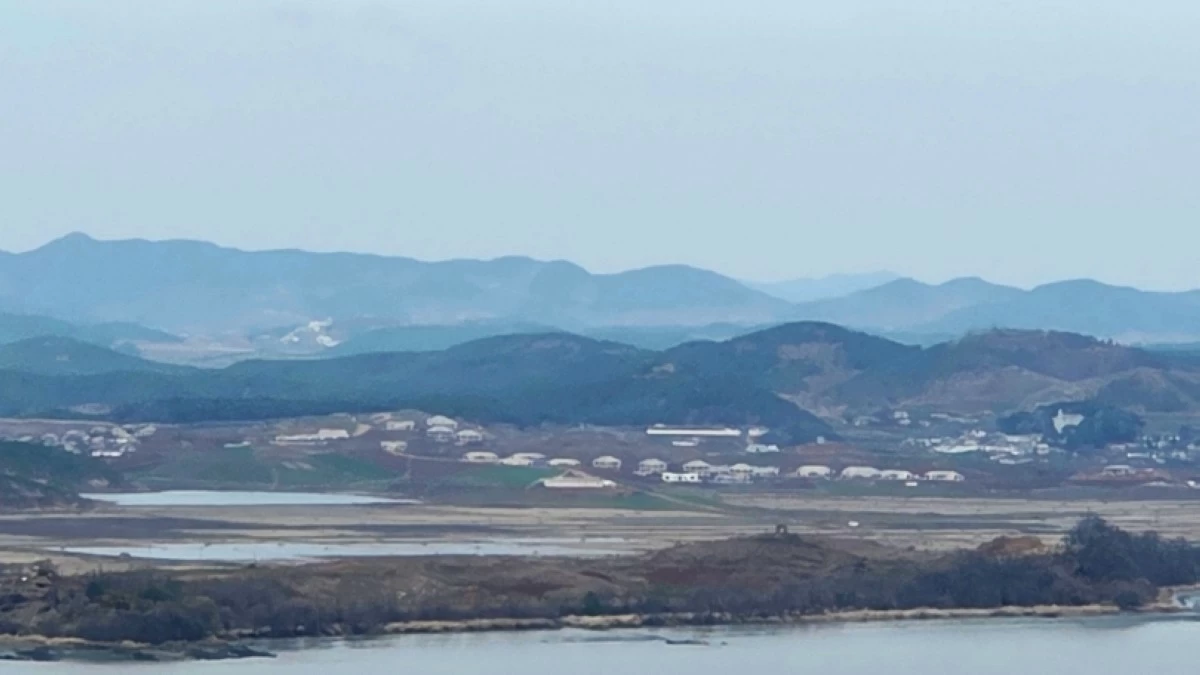
North Korea as seen from the Odusan Unification Tower in Paju City, South Korea (Jonathan Hicap)
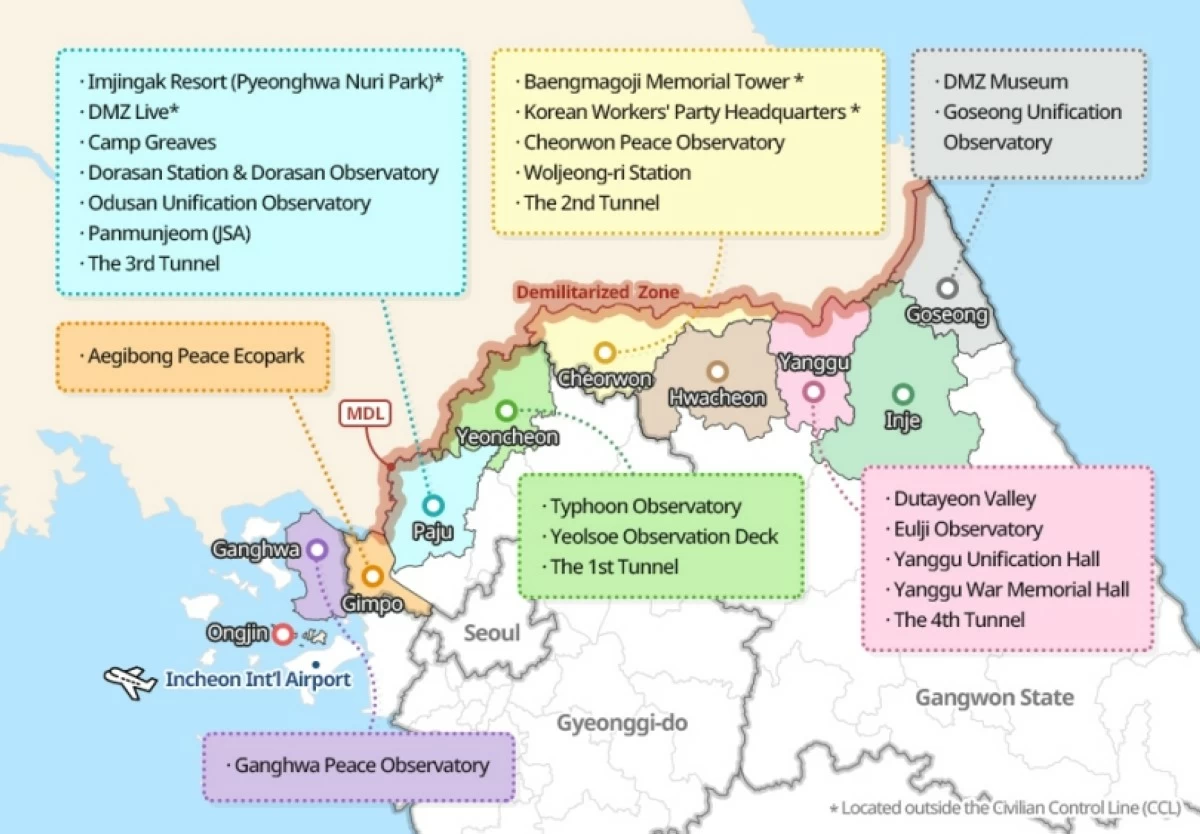
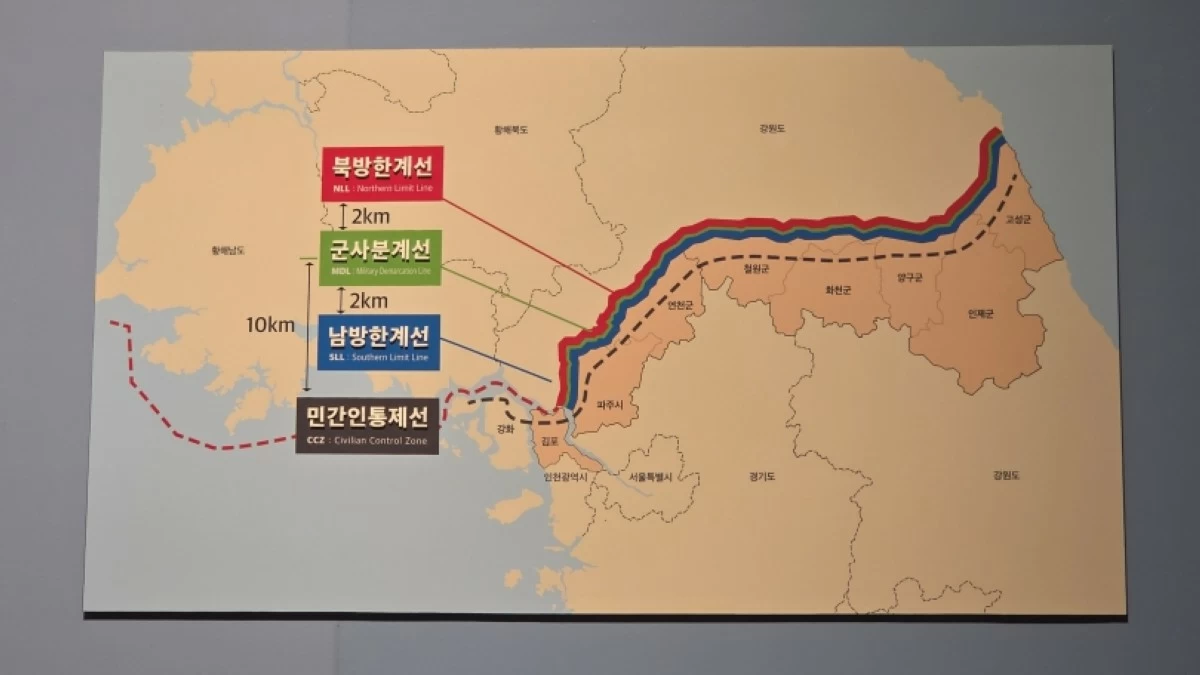
A map of the DMZ and surrounding areas (Photo from the Visit Korea website)
“The DMZ crosses the Korean Peninsula at midpoint from east to west along the 38th parallel line, reaching a total length of 248 kilometers. The buffer zone is 4 kilometers wide with the military demarcation line running at the center, allotting a 2-kilometer-wide strip of land to each side of the country,” according to the Visit Korea website.
It added, “Reference to the DMZ usually includes the 5- to 20-kilometer-wide strip of land that lies between the actual DMZ border and the Civilian Control Line (CCL), a security border separating the areas along the DMZ from the civilian areas.”
Strict security measures are implemented in the DMZ areas. Before entering the place, the Korean military gathered the passports of the foreign journalists and returned them after the tour was over.
It was on June 25, 1950 when North Korea invaded South Korea by crossing the 38th parallel, the boundary that divided South and North Korea. The Korean War is known in South Korea as 6·25 War.
The Korean War killed scores of soldiers and civilian people, and separated families into South and North Korea.
The Philippines sent troops to help South Korea during the Korean War. A total of 7,420 soldiers under the Philippine Expeditionary Forces to Korea (PEFTOK) were sent to South Korea under the UN Command.
A peek of North Korea from the Odusan Unification Tower
Since its opening in 1992, the Odusan Unification Tower has received more than 20 million visitors.
The tower offers a clear view of North Korea. From its vantage point, South and North Korea are separated only by a river two kilometers wide.
The third and fourth levels of the tower are observation decks where visitors can use viewers to see North Korea.
From the deck, visitors can see places in North Korea, including a cultural hall, the Imhan Elementary School, Kim Il-sung Memorial Hall, a North Korean guard post, a reservoir, and a mountain.
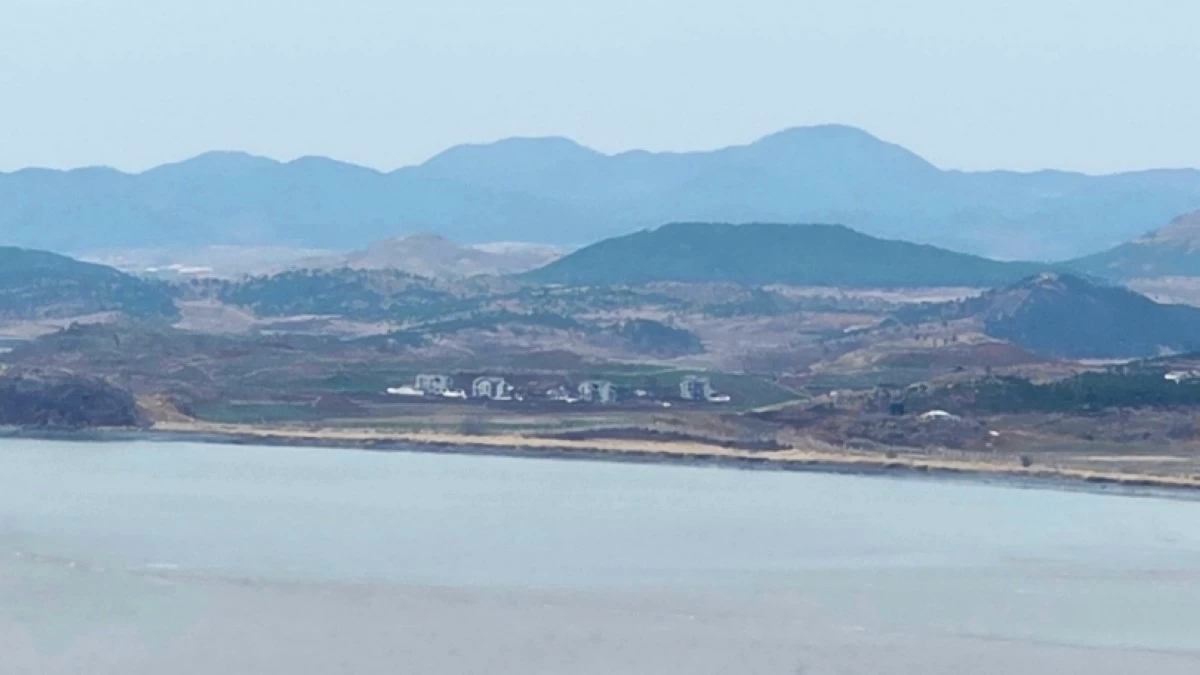
North Korea as seen from the Odusan Unification Tower in Paju City, South Korea (Jonathan Hicap)
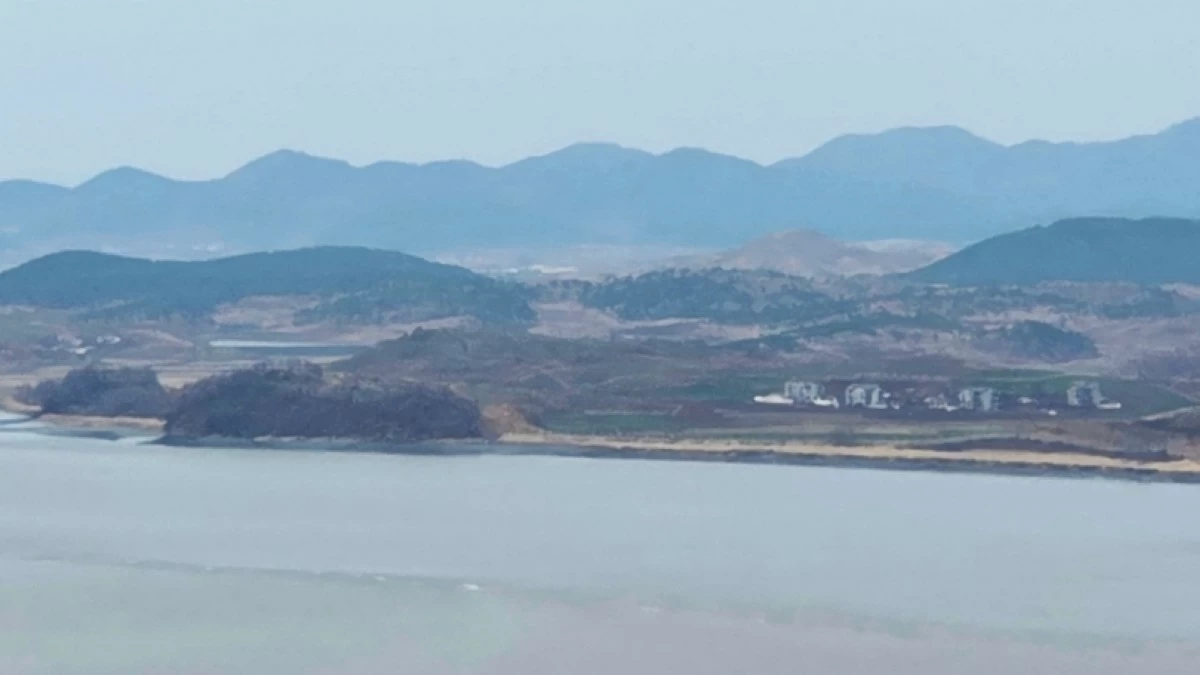
North Korea as seen from the Odusan Unification Tower in Paju City, South Korea (Jonathan Hicap)
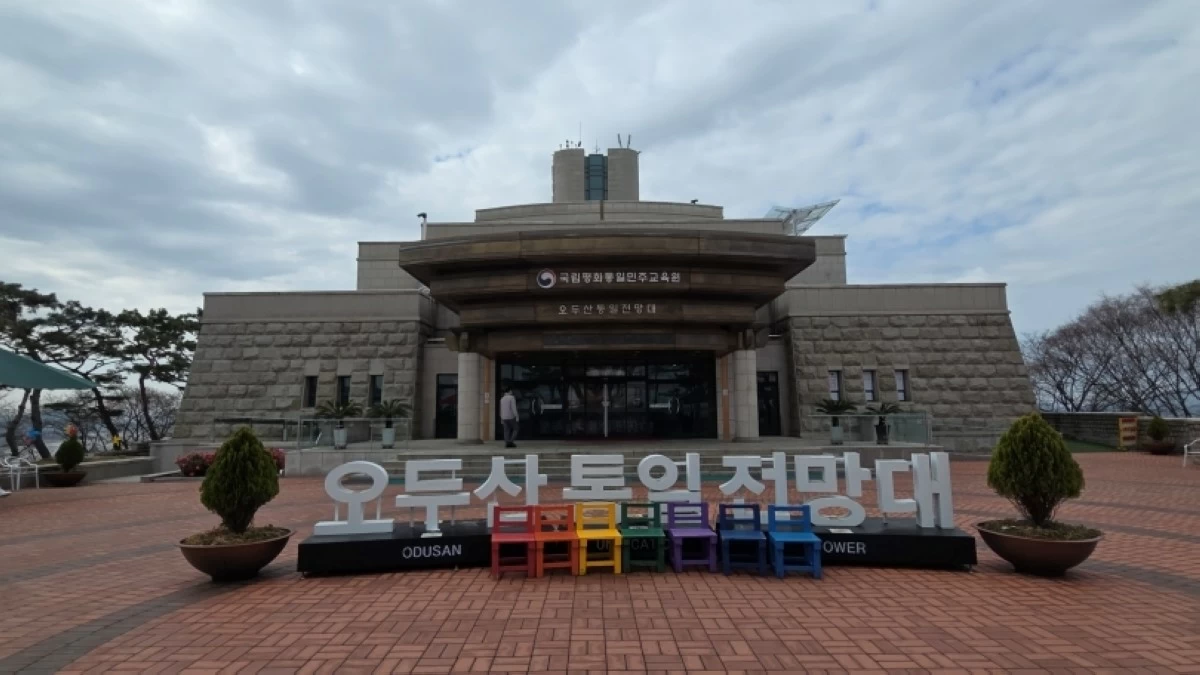
The Odusan Unification Tower in Paju City, South Korea (Jonathan Hicap)
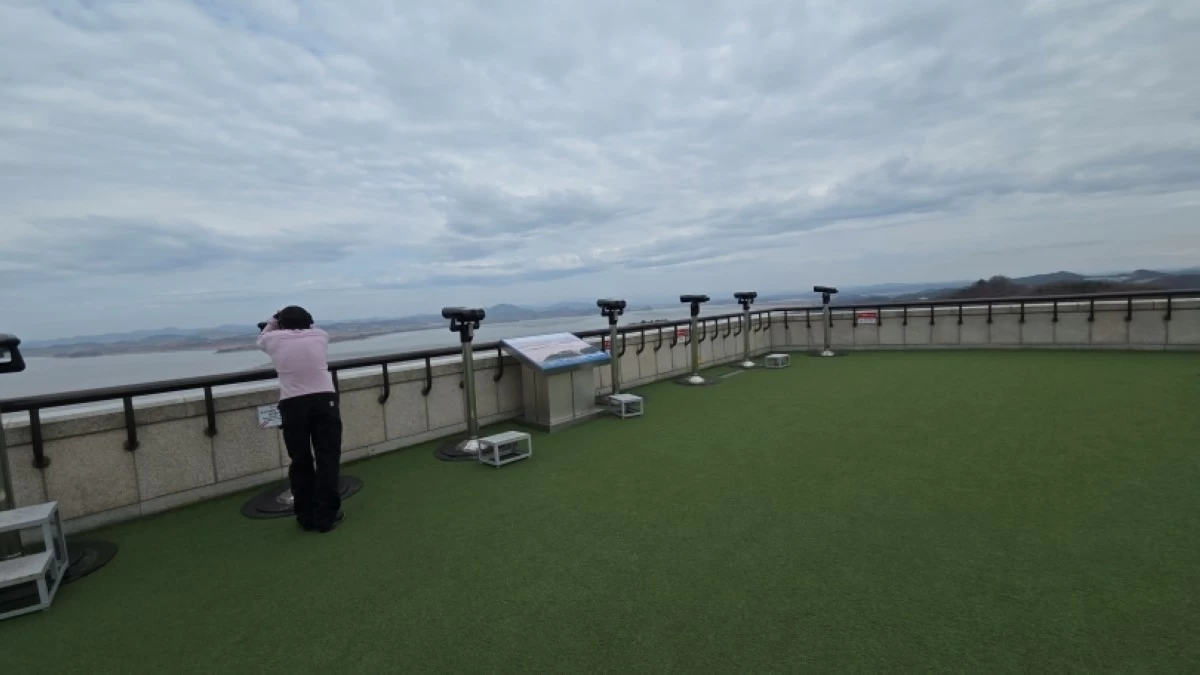
The Odusan Unification Tower observation deck in Paju City, South Korea (Jonathan Hicap)
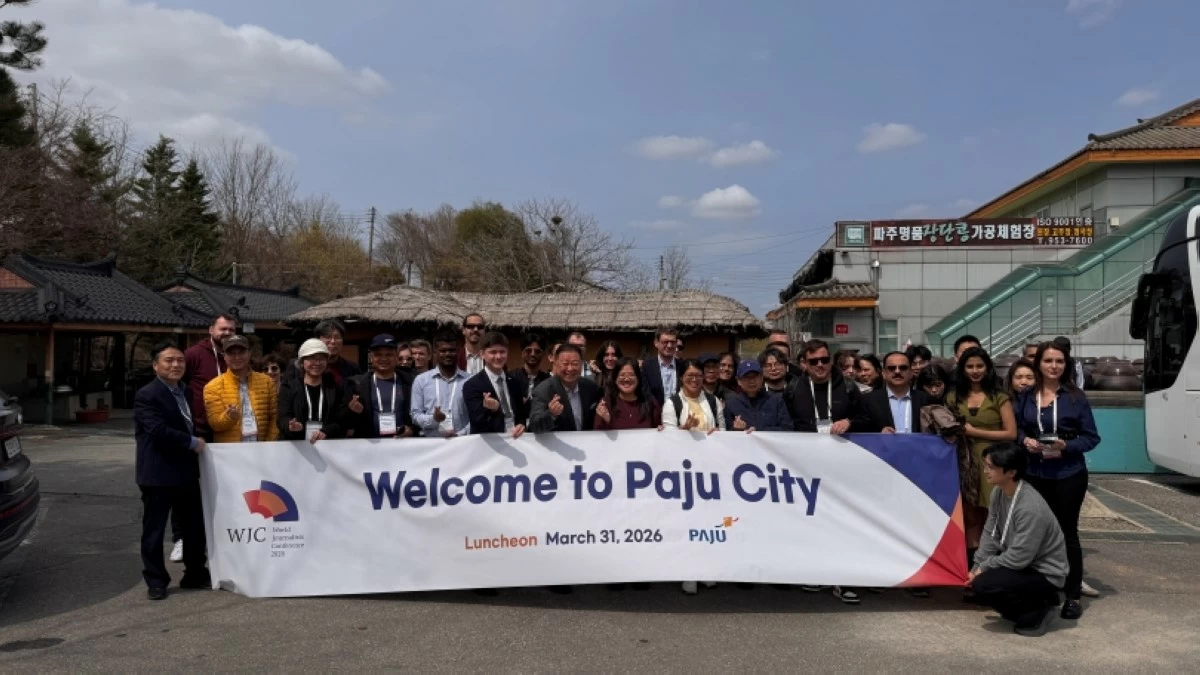
The participants of the World Journalists Conference 2026 with Paju Mayor Kim Kyung-il (JAK)
The Odusan Unification Tower in Paju City, South Korea (Jonathan Hicap)
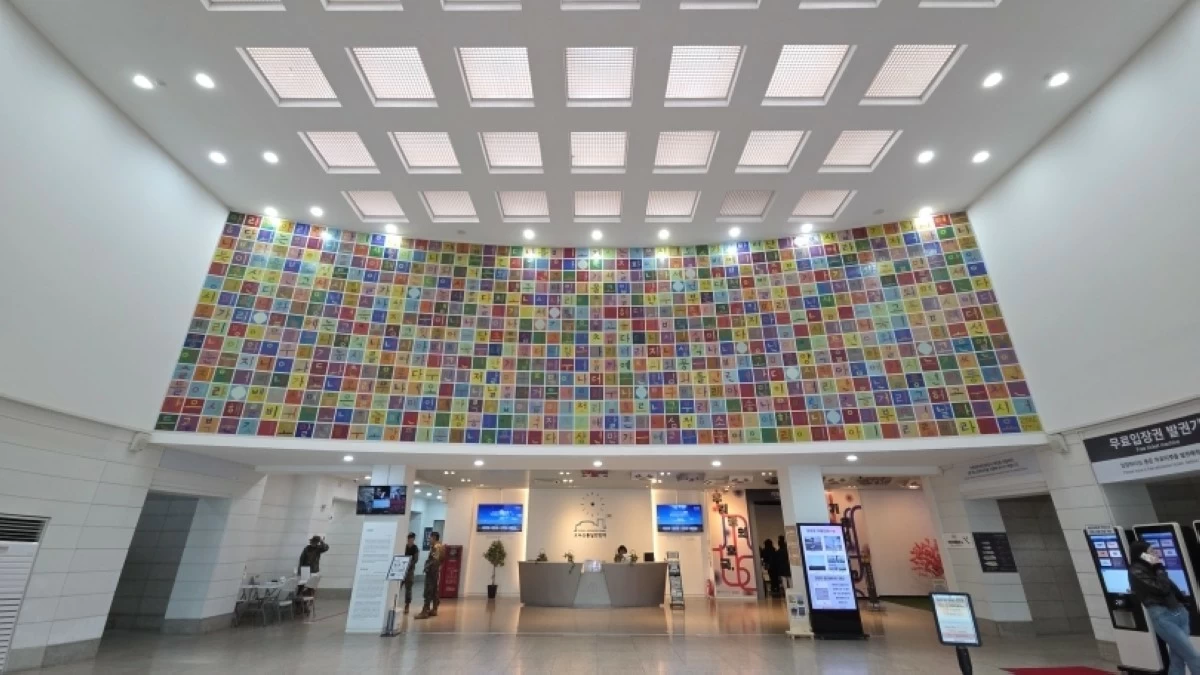
The Odusan Unification Tower in Paju City, South Korea (Jonathan Hicap)
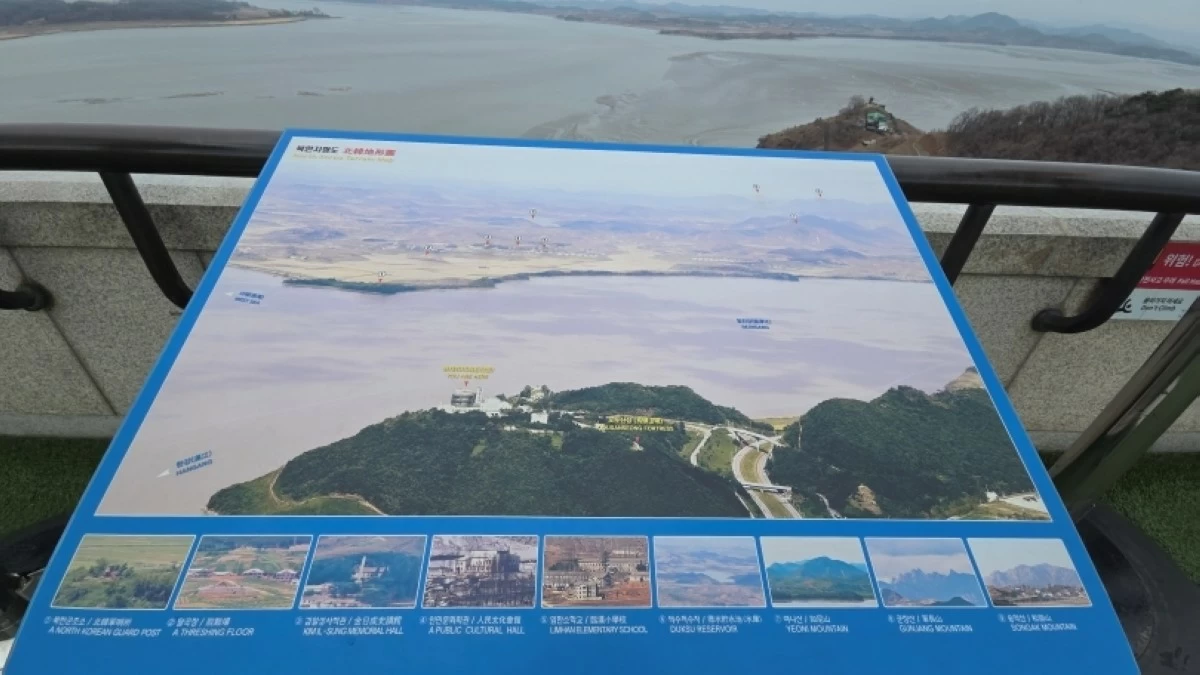
Odusan Unification Tower in Paju City, South Korea (Jonathan Hicap)
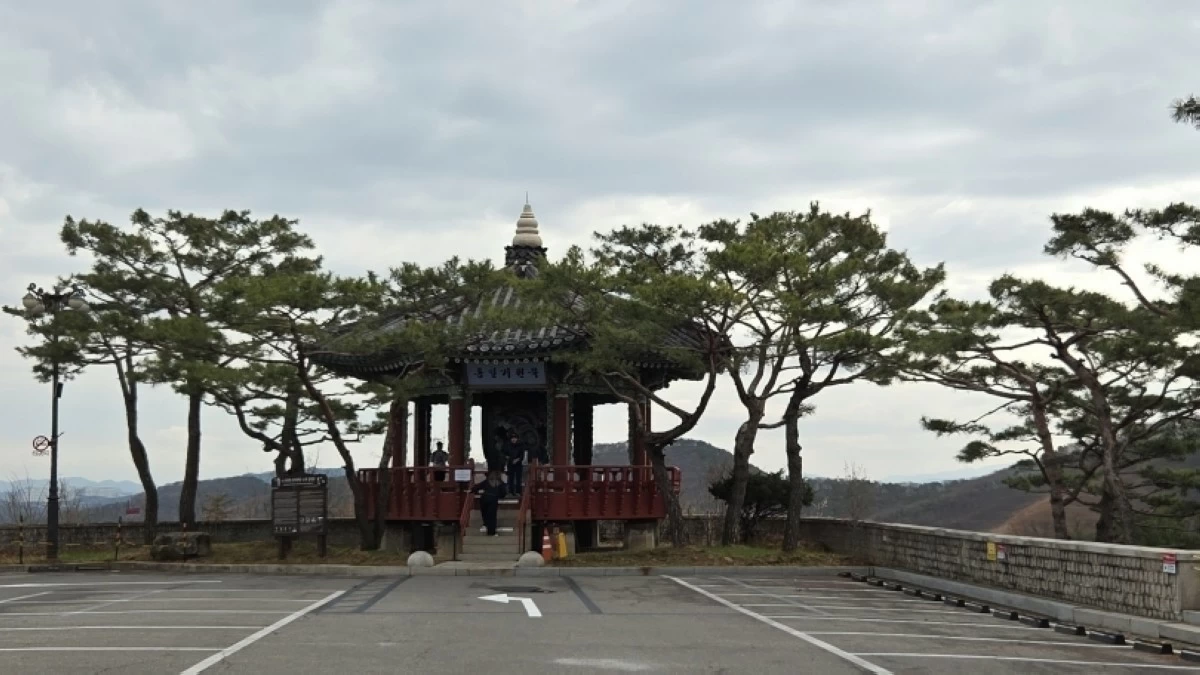
Odusan Unification Tower in Paju City, South Korea (Jonathan Hicap)
Camp Greaves: Memories of war
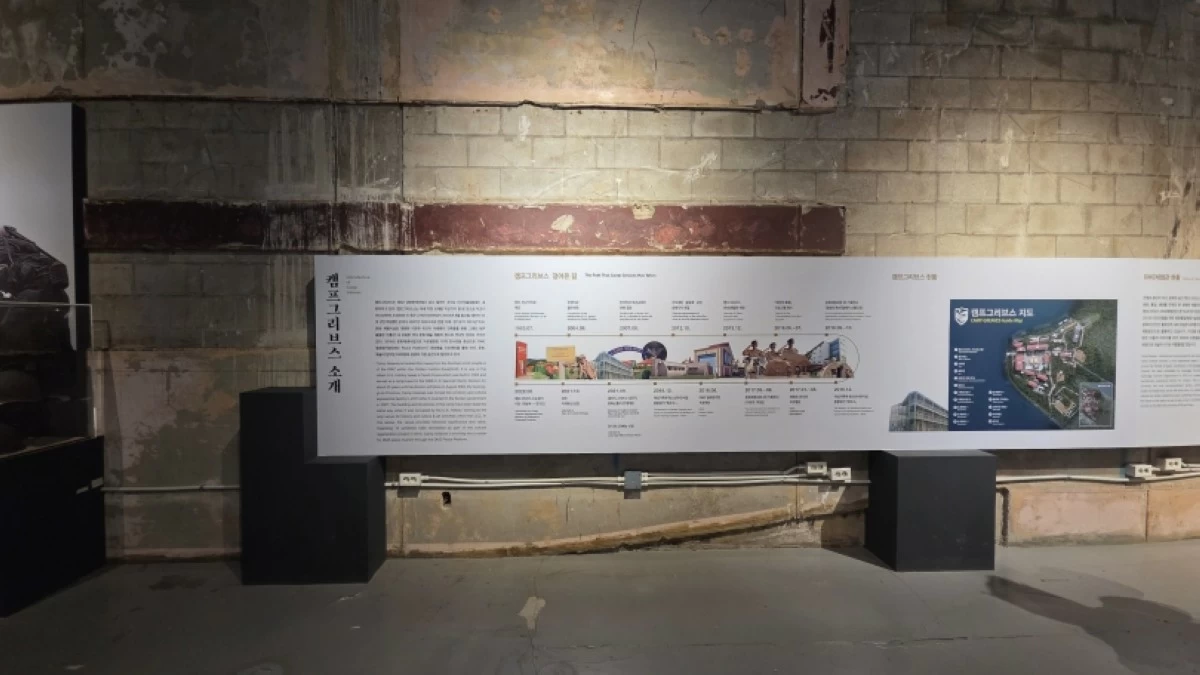
Camp Greaves was a former US military base located in Paju, South Korea, which became a filming site for the K-drama "Descendants of the Sun."
After it was turned over to the Korean government, it became a tourist site featuring an exhibition hall.
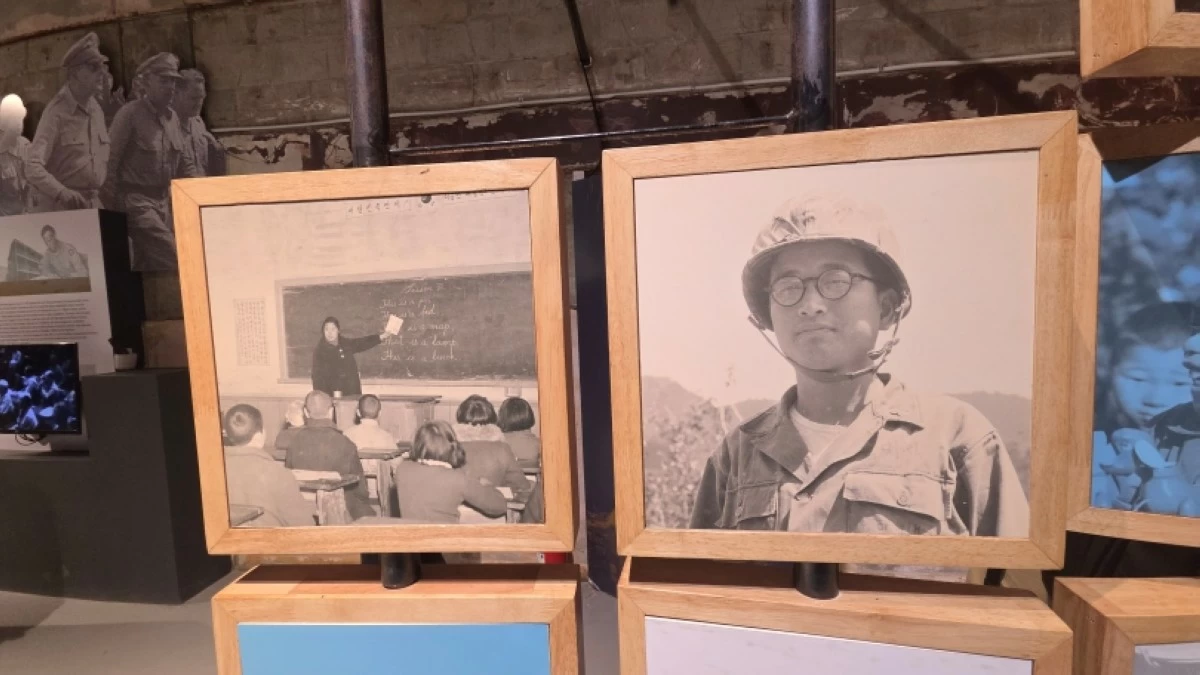
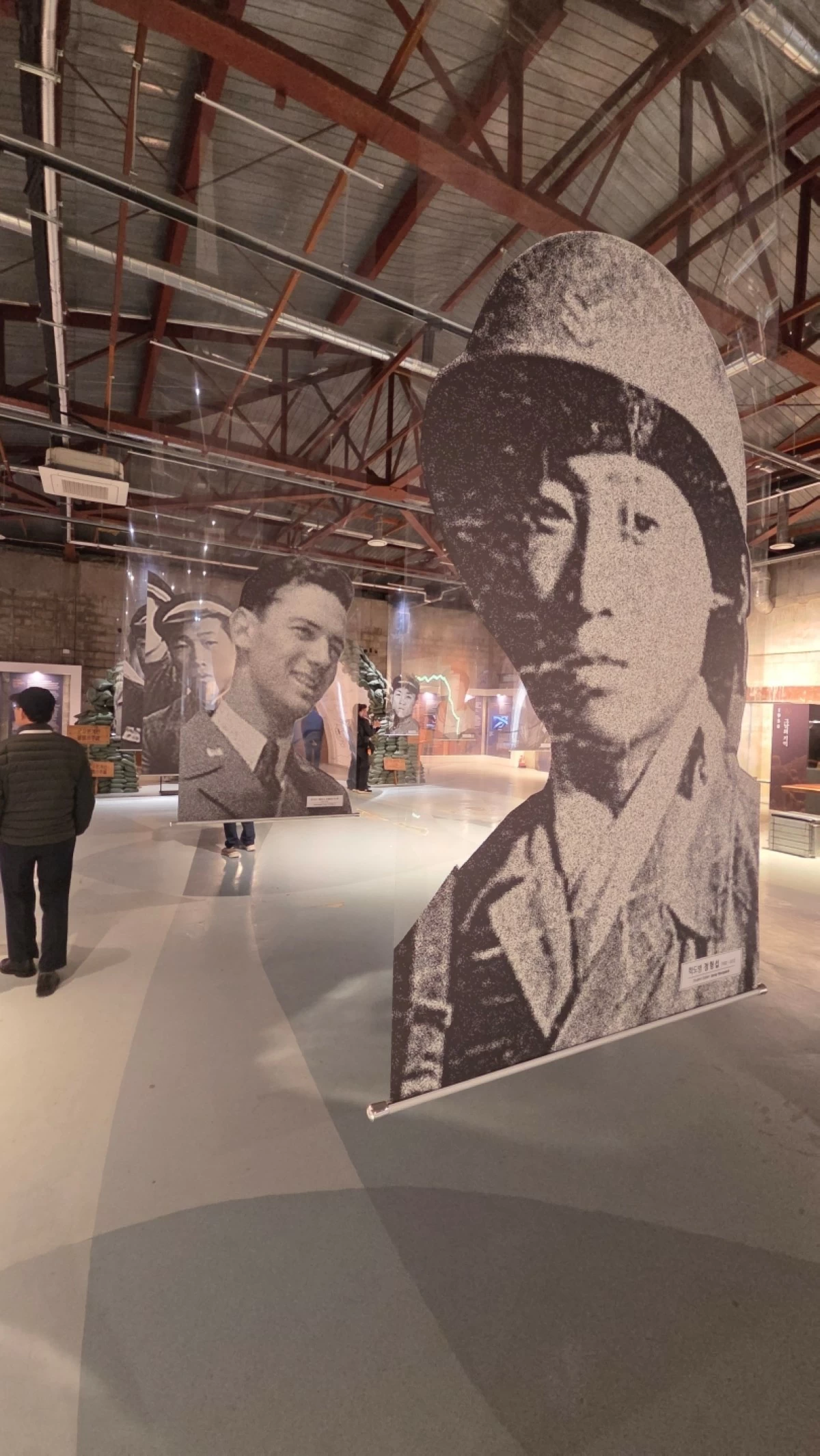
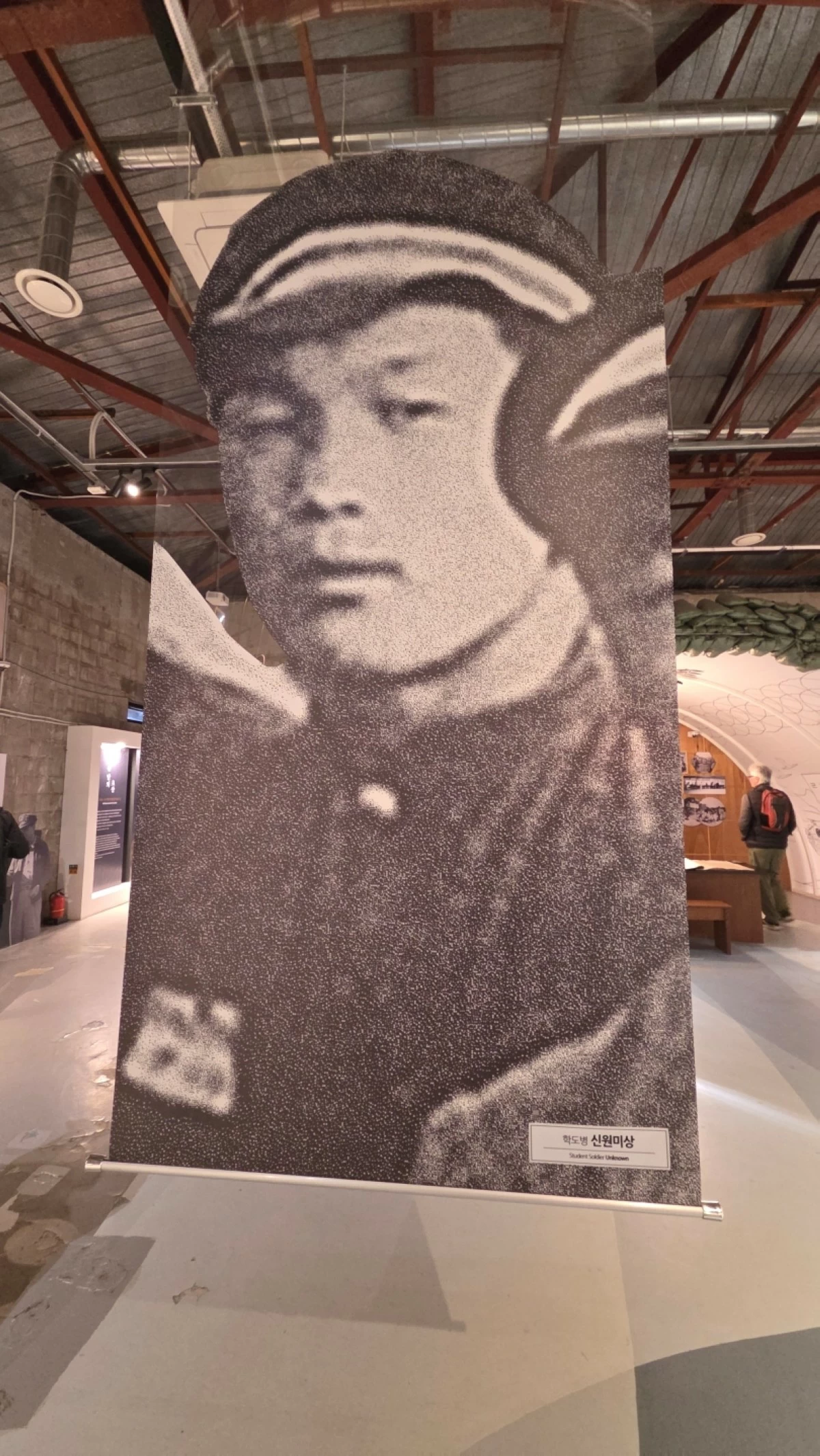
One of the most important sections at the camp is the Gallery Greaves Special Exhibition, where one can see the pictures of UN forces and young Korean soldiers who fought and died in the Korean War.
“They were young men with many dreams just like us, and also they were precious children of the family just like us,” the description read.
The Theme Hall features a letter from Lee Woo-geun, a 16-year-old Korean student-soldier who fought and died in the war.
He was a third year student at Dongsung Middle School when he fought in the Korean War “and died in the field in front of Pohang Girls' Middle School on August 11, 1950.”
“His journal stained with blood and a letter to his mother were found in the notebook in his clothes,” the description read.
The story became a basis for the 2010 Korean movie “71: Into the Fire” starring Cha Seung-won, Kim Seung-woo, Kwon Sang-woo, and Choi Seung-hyun.
The text of Lee Woo-geun’s letter to his mother he wrote on Aug. 10, 1950, or a day before he died, is featured in the exhibition.
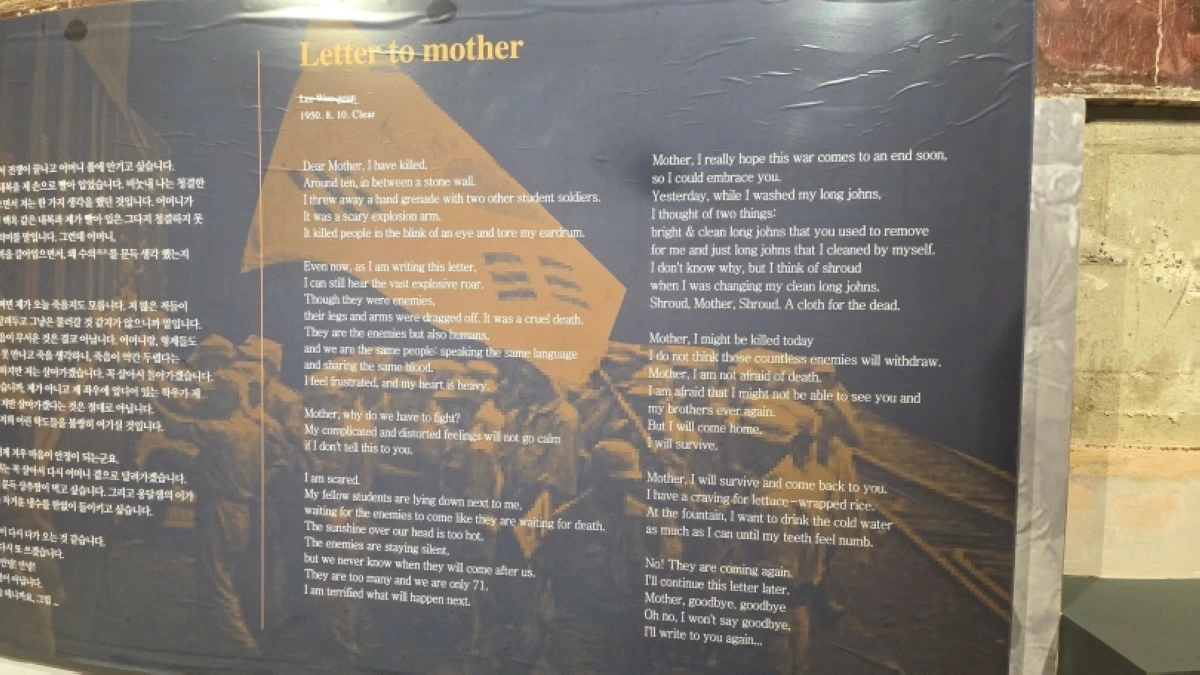
The letter of South Korean student-soldier Lee Woo-geun, 16, to his mother on Aug. 10, 1950 (Jonathan Hicap)
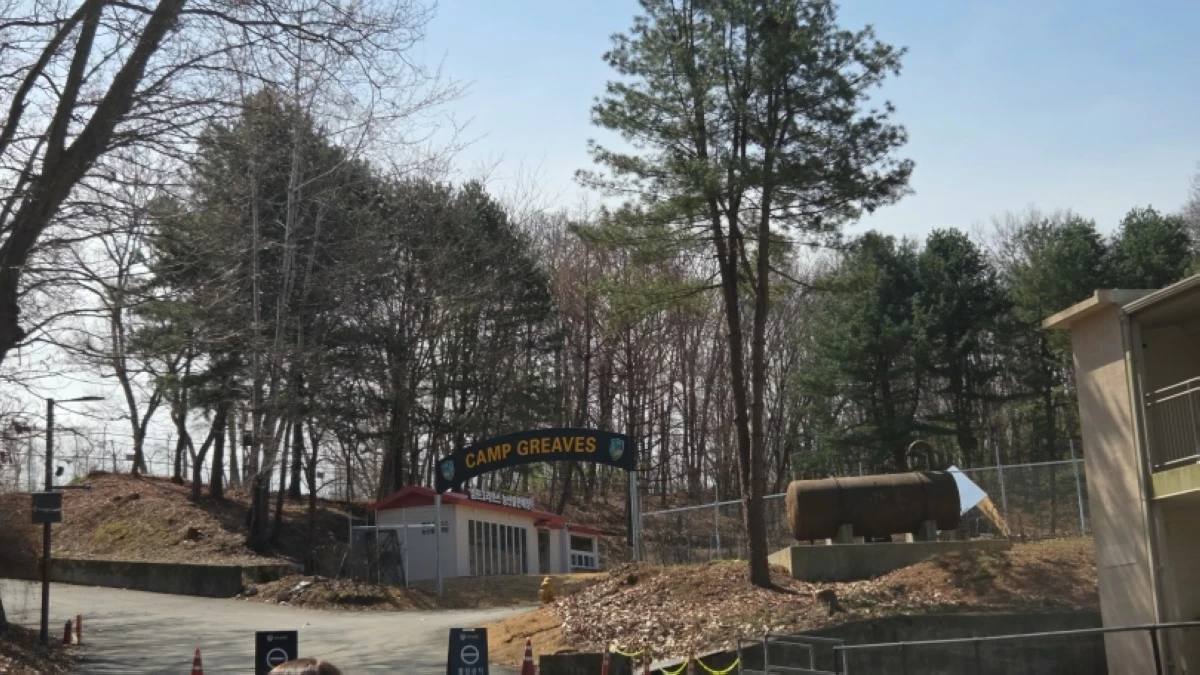
Camp Greaves in Paju City, South Korea (Jonathan Hicap)
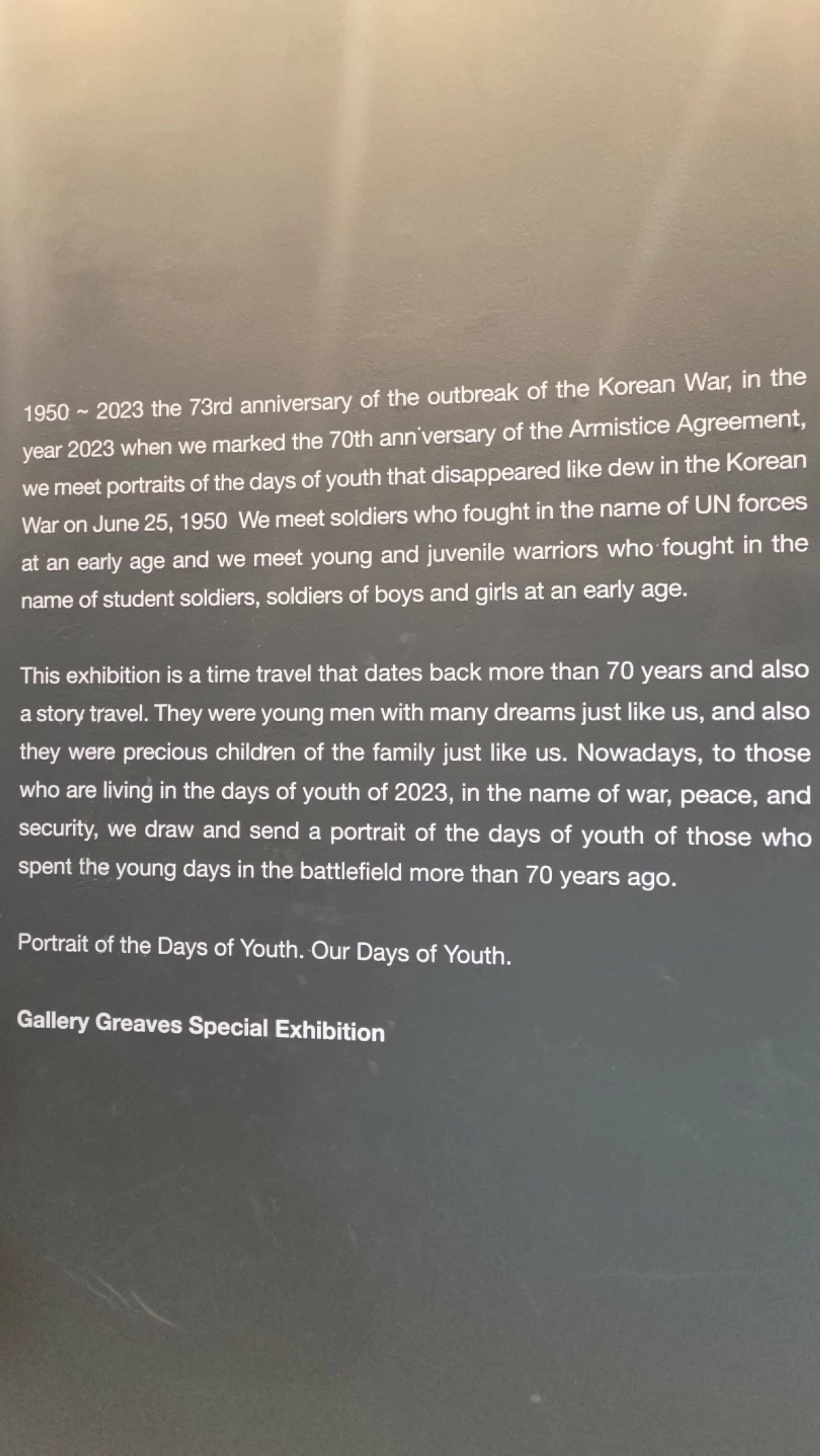
Camp Greaves in Paju City, South Korea (Jonathan Hicap)
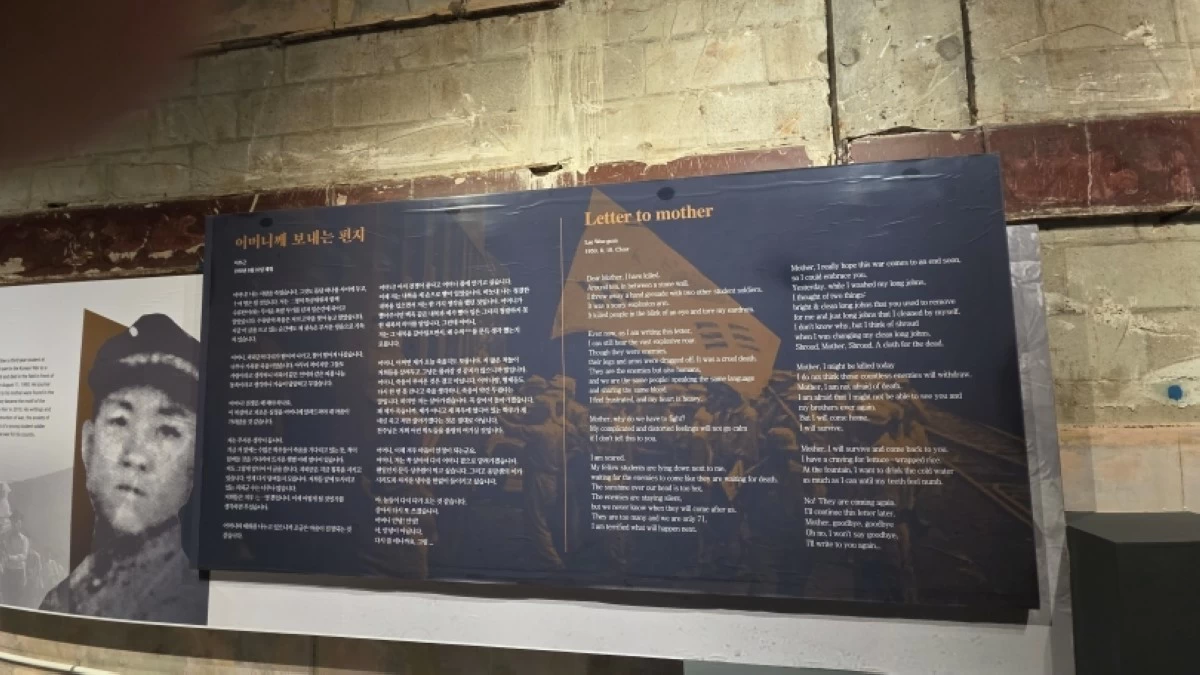
The letter of South Korean student-soldier Lee Woo-geun, 16, to his mother on Aug. 10, 1950 (Jonathan Hicap)
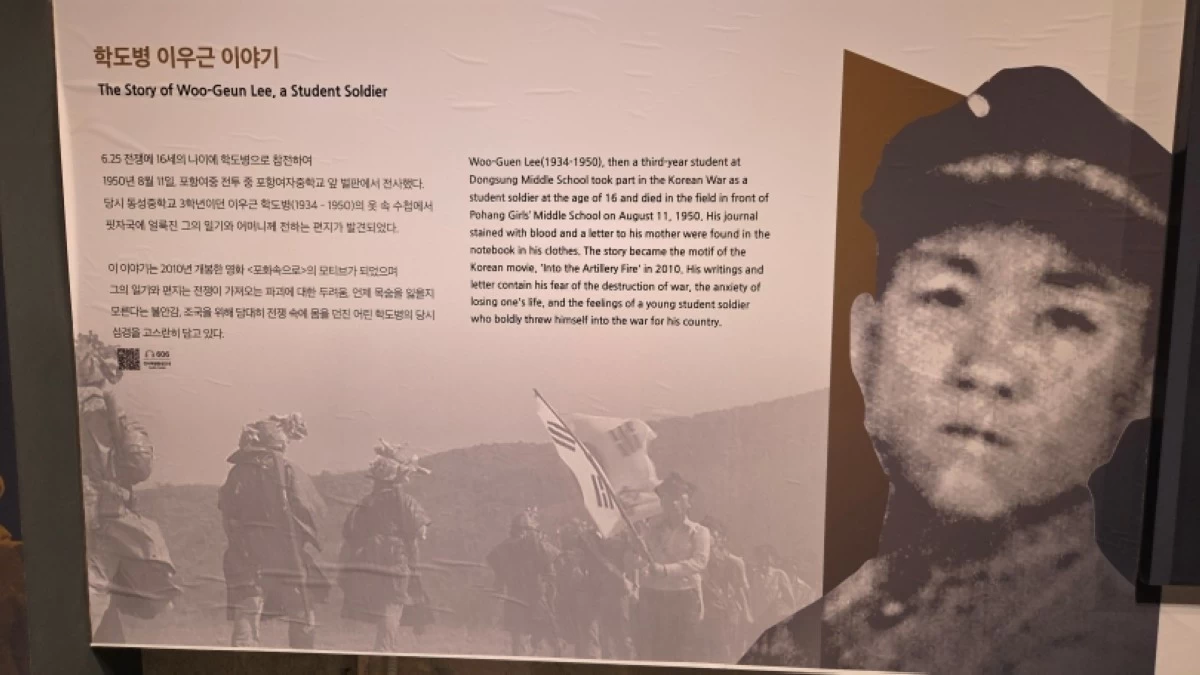
South Korean student-soldier Lee Woo-geun, 16, who died in the Korean War on Aug. 11, 1950 (Jonathan Hicap)
Here is the letter:
Letter to Mother
Lee Woo-geun
1950.8.10
“Dear Mother, I have killed. Around ten, in between a stone wall. I threw away a hand grenade with two other student soldiers. It was a scary explosion arm. It killed people in the blink of an eye and tore my eardrum.
“Even now, as I am writing this letter, I can still hear the vast explosive roar. Though they were enemies, their legs and arms were dragged off. It was a cruel death. They are the enemies but also humans, and we are the same people: speaking the same language and sharing the same blood. I feel frustrated, and my heart is heavy.
“Mother, why do we have to fight? My complicated and distorted feelings will not go calm if I don't tell this to you. I am scared. My fellow students are lying down next to me, waiting for the enemies to come like they are waiting for death. The sunshine over our head is too hot. The enemies are staying silent, but we never know when they will come after us. They are too many and we are only 71. I am terrified what will happen next.
“Mother, I really hope this war comes to an end soon, so I could embrace you. Yesterday, while I washed my long johns, I thought of two things: bright & clean long johns that you used to remove for me and just long johns that I cleaned by myself. I don't know why, but I think of shroud when I was changing my clean long johns. Shroud, Mother, Shroud. A cloth for the dead.
“Mother, I might be killed today. I do not think those countless enemies will withdraw. Mother, I am not afraid of death. I am afraid that I might not be able to see you and my brothers ever again. But I will come home. I will survive.
“Mother, I will survive and come back to you. I have a craving for lettuce-wrapped rice. At the fountain, I want to drink the cold water as much as I can until my teeth feel numb.
“No! They are coming again. I'll continue this letter later. Mother, goodbye, goodbye. Oh no, I won't say goodbye, I'll write to you again…”
Pick up the phone at Joint Security Area (JSA) Museum
The Joint Security Area (JSA) Museum is a new tourist facility which emphasizes that “this is not a museum about war. It is a museum about what war leaves behind - the traces of people, not the movements of armies. Here, we do not speak of victory or defeat. We speak of choices that were never easy, of fear, silence, waiting, and the fragile courage that lived between them.”
The museum showcases videos and photos after the Korean War.
One important section of the museum is a room with rotary phones. When one picks up a phone, they can hear heartbreaking messages of Korean War veterans.
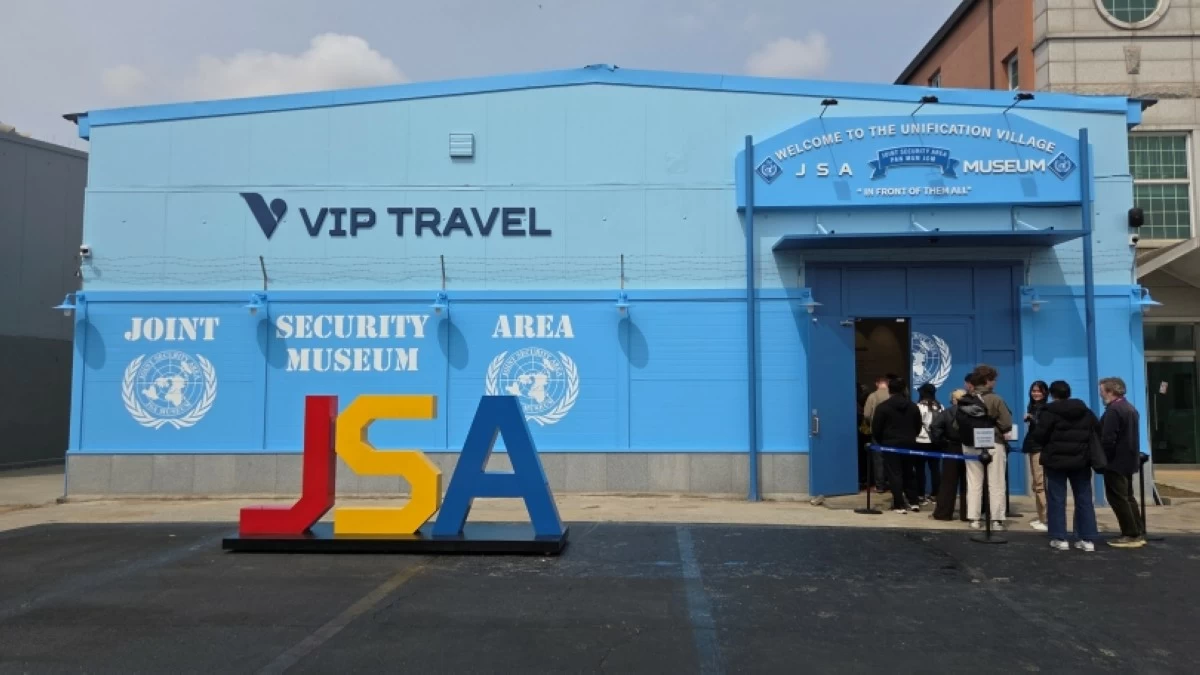
Joint Security Area (JSA) Museum in Paju City, South Korea (Jonathan Hicap)
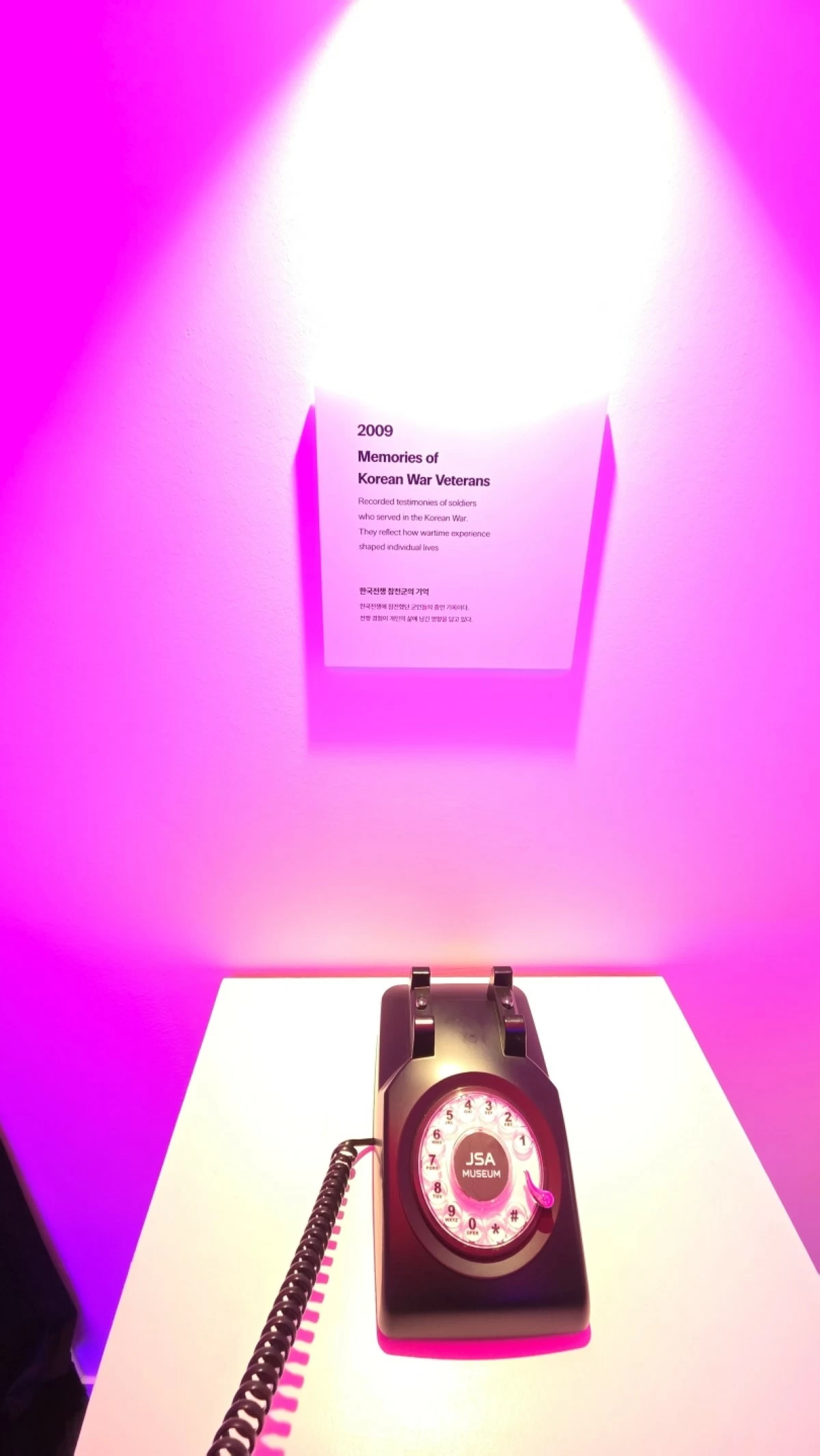
Joint Security Area (JSA) Museum in Paju City, South Korea (Jonathan Hicap)
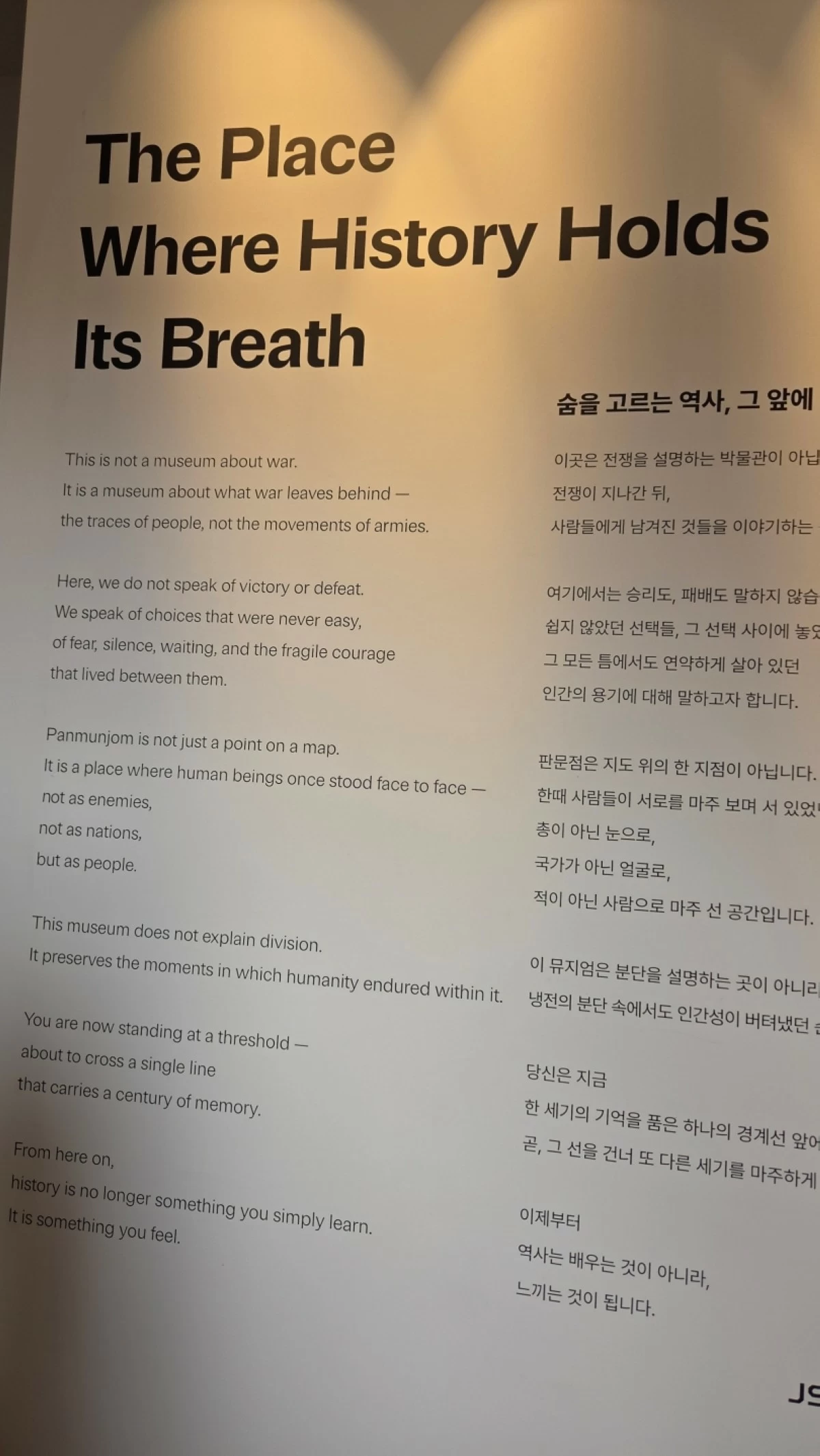
Joint Security Area (JSA) Museum in Paju City, South Korea (Jonathan Hicap)
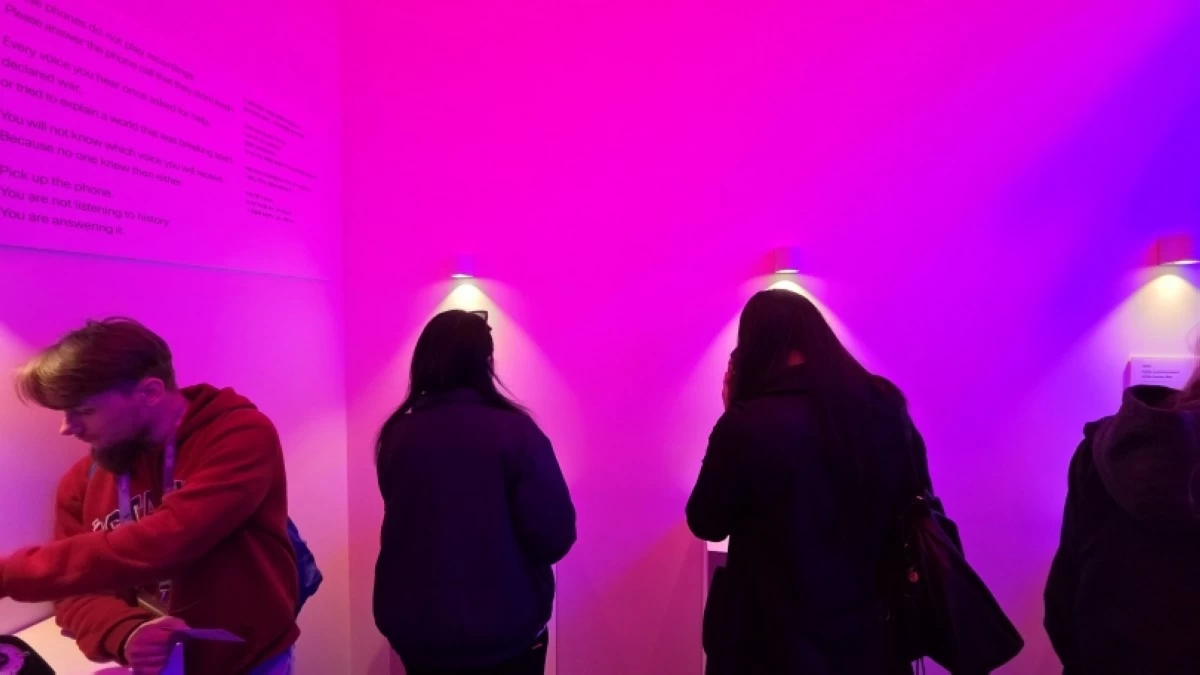
Joint Security Area (JSA) Museum in Paju City, South Korea (Jonathan Hicap)
“These phones do not play recordings. Please answer the phone call that they didn't finish. Every voice you hear once asked for help, declared war, or tried to explain a world that was breaking apart. You will not know which voice you will receive. Because no one knew then either. Pick up the phone. You are not listening to history. You are answering it,” according to the sign in the room.
Each phone has the notice, “The phones are recorded testimonies of soldiers who served in the Korean War. They reflect how wartime experience shaped individual lives.”
There is also the United Nations Command Military Armistice Commission (UNCMAC) Conference Building where visitors can see a copy of the Armistice Agreement signed in 1953 that established the DMZ.
The three tourist attractions not only provide the history of the Korean War but also symbolize that the quest for peace between the two Koreas is a continuing effort.
Quest for peace
Paju City Mayor Kim Kyung-il said the city is fostering peace between South and North Korea through different activities.
“The reality of the division of the Korean Peninsula that you are facing today makes us reflect once again on the preciousness of peace. In particular, the Odusan Unification Observatory and Camp Greaves, which you visited today, are symbolic places that allow us to feel the history of division and the tensions of the times up close. Your experience here will serve as a valuable opportunity to reflect on peace on the Korean Peninsula and in the world,” he said.
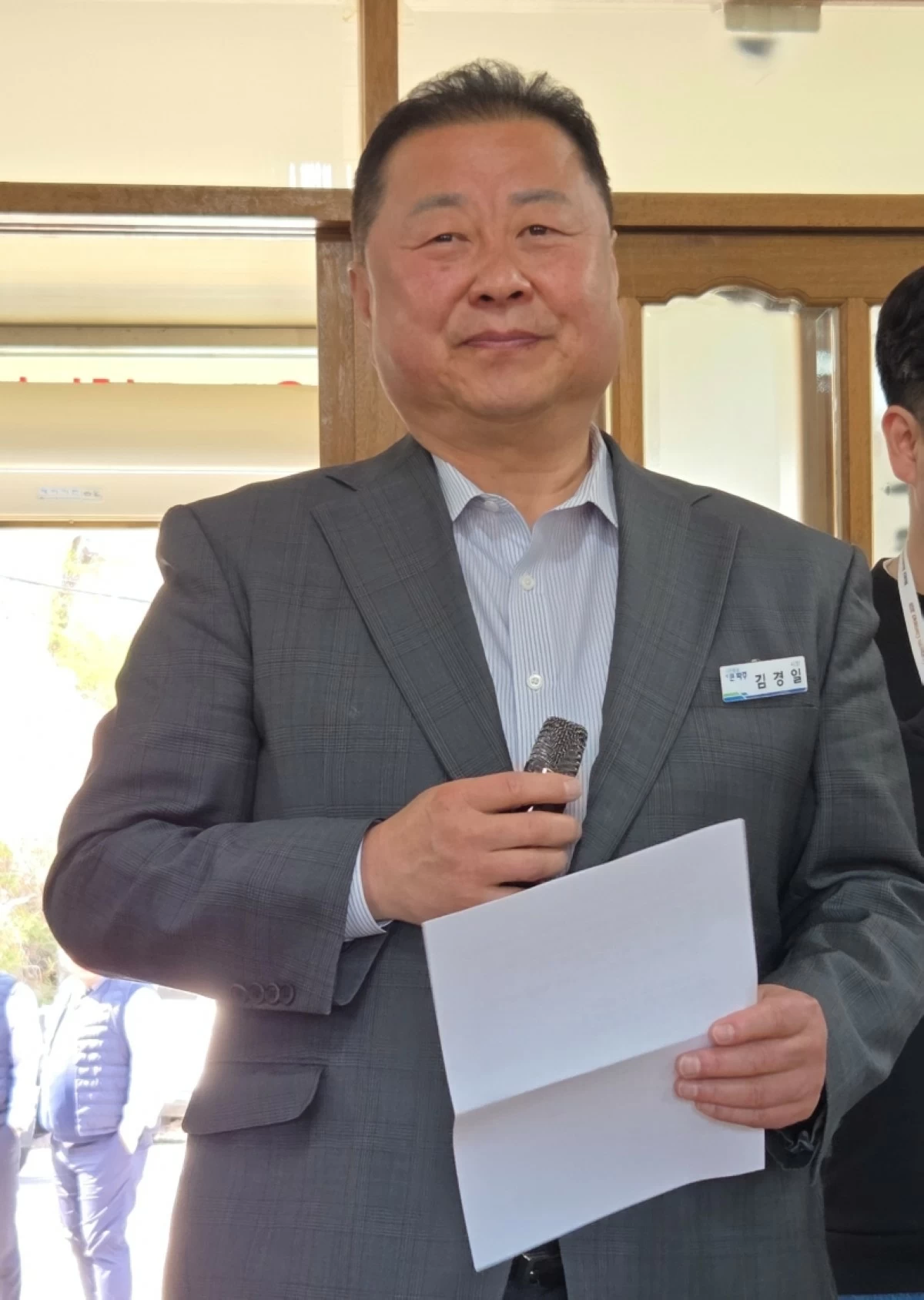
Paju City Mayor Kim Kyung-il (Jonathan Hicap)
Kim said, “As you know, peace is always right. Bearing this in mind, Paju City is also doing its utmost to ease tensions and foster cooperation between the South and North by promoting the Paju-Kaesong DMZ International Peace Marathon and establishing a foothold for inter-Korean economic cooperation through the Peace Economy Special Zone.”
“However, unfortunately, wars and conflicts continue in various parts of the world, including the recent conflicts in the Middle East. I hope that today’s visit to Paju will be a meaningful time to broaden your understanding of the reality of the division of the Korean Peninsula and, furthermore, to reflect together on the role you, as journalists, should play in promoting world peace,” he said.
He added, “I believe your time in Paju today is important simply for the sake of understanding the reality of Paju and the reality of division. It will also be significant as it provides an opportunity to symbolize Paju’s future and world peace.”
The WJC 2026 was organized by the Journalists Association of Korea (JAK) headed by its president, Park Jong-hyun, with the support of Korea’s Ministry of Culture, Sports and Tourism, Ministry of Foreign Affairs, and the Korea Press Foundation.
Camp Greaves
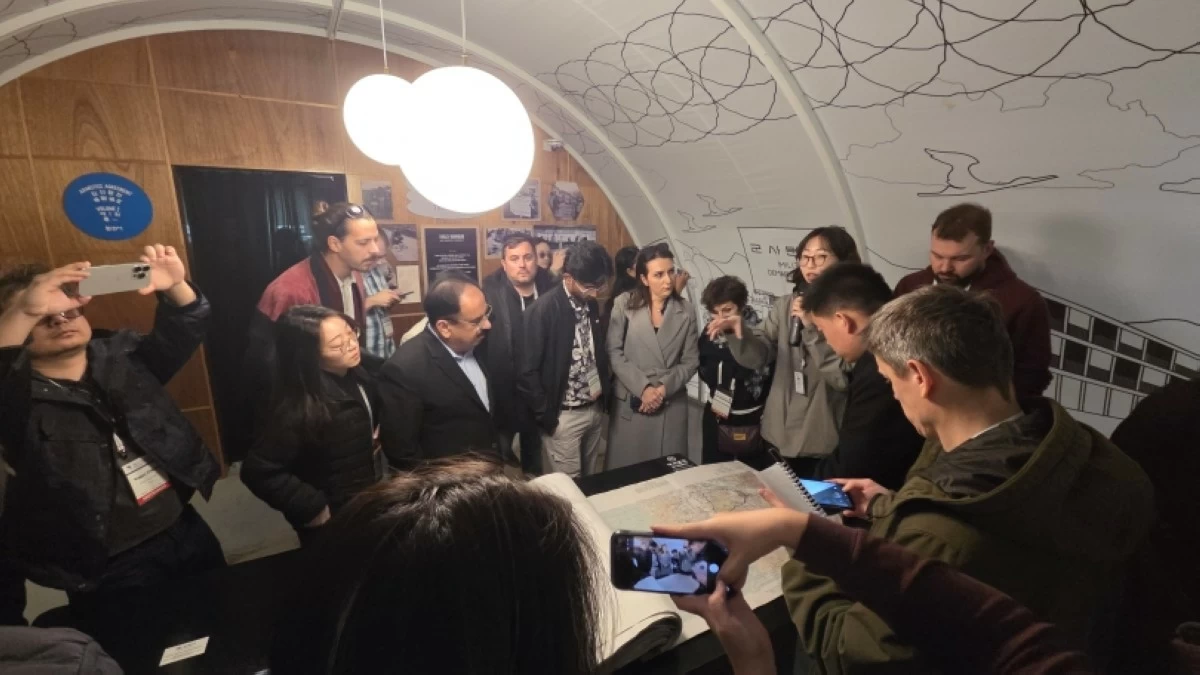
Camp Greaves in Paju City, South Korea (Jonathan Hicap)
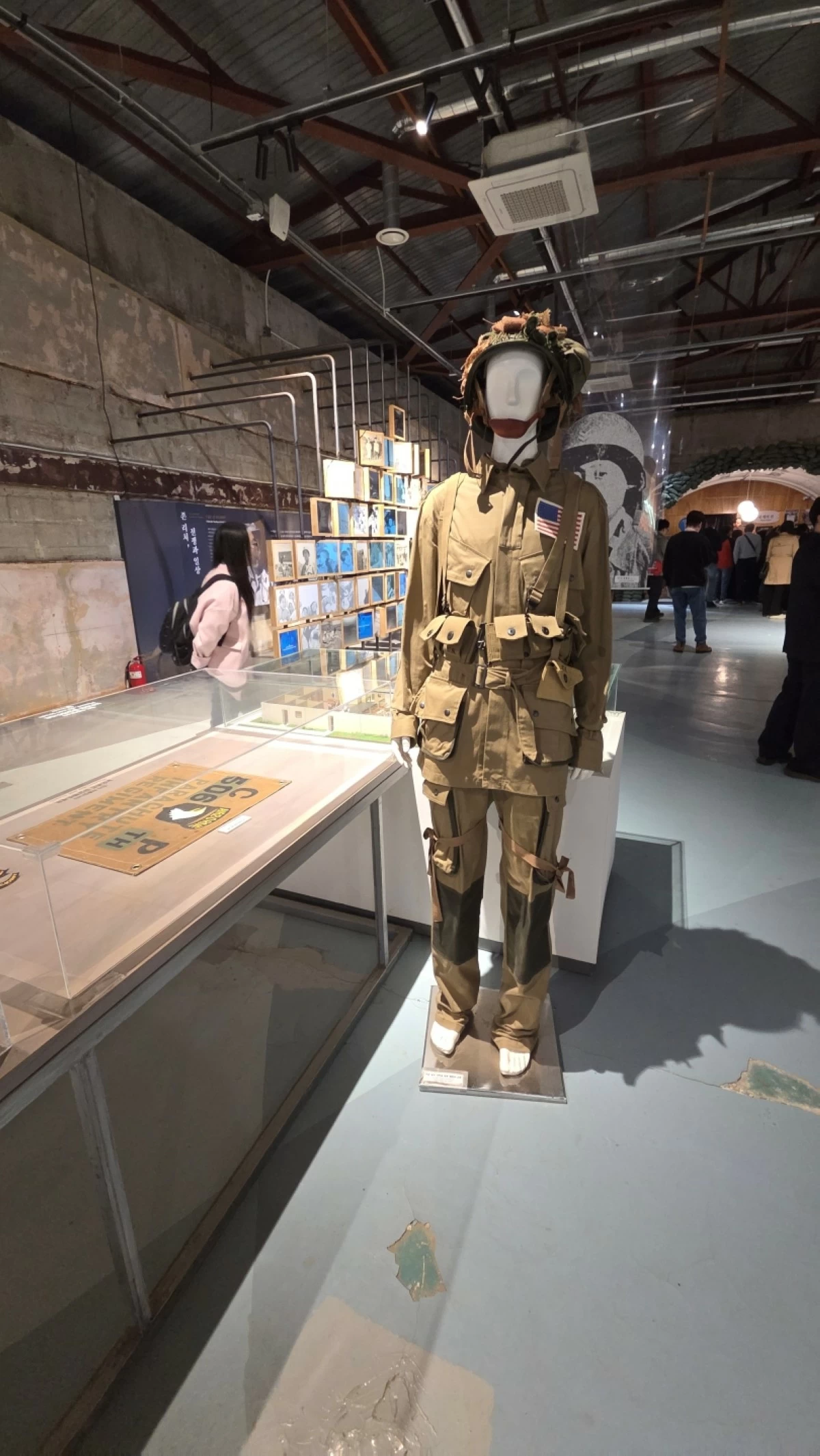
Camp Greaves in Paju City, South Korea (Jonathan Hicap)
Camp Greaves in Paju City, South Korea (Jonathan Hicap)
Camp Greaves in Paju City, South Korea (Jonathan Hicap)
Camp Greaves in Paju City, South Korea (Jonathan Hicap)
Camp Greaves in Paju City, South Korea (Jonathan Hicap)
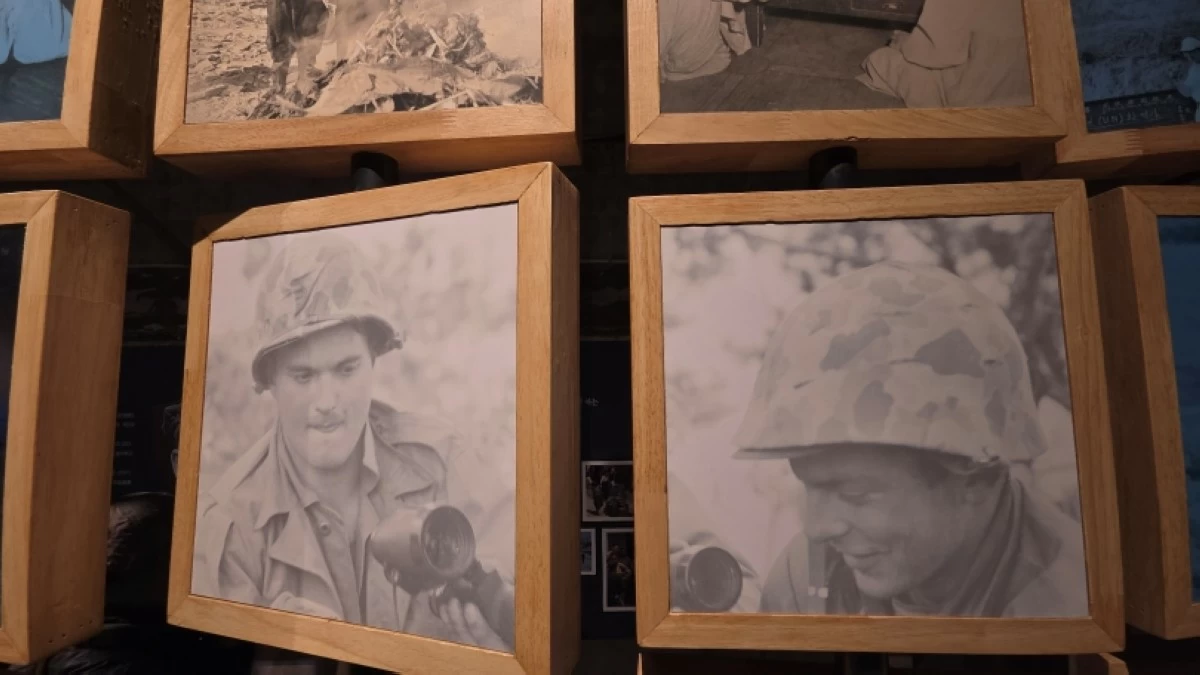
Camp Greaves in Paju City, South Korea (Jonathan Hicap)
Camp Greaves in Paju City, South Korea (Jonathan Hicap)
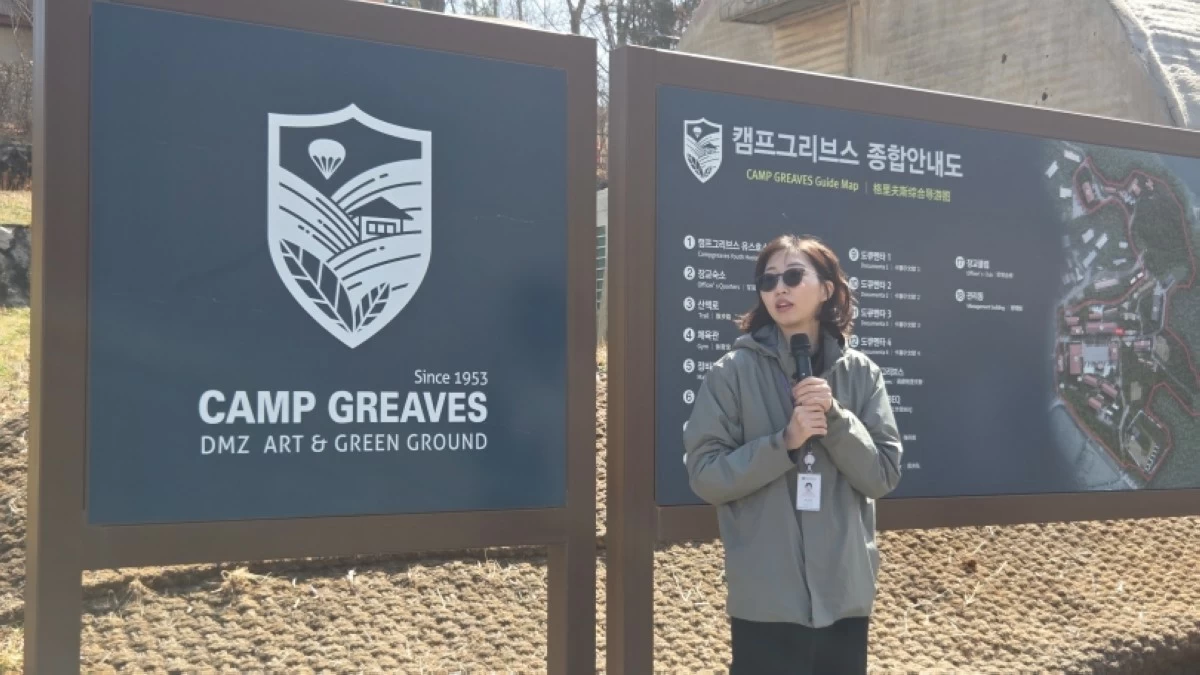
Camp Greaves in Paju City, South Korea (Jonathan Hicap)
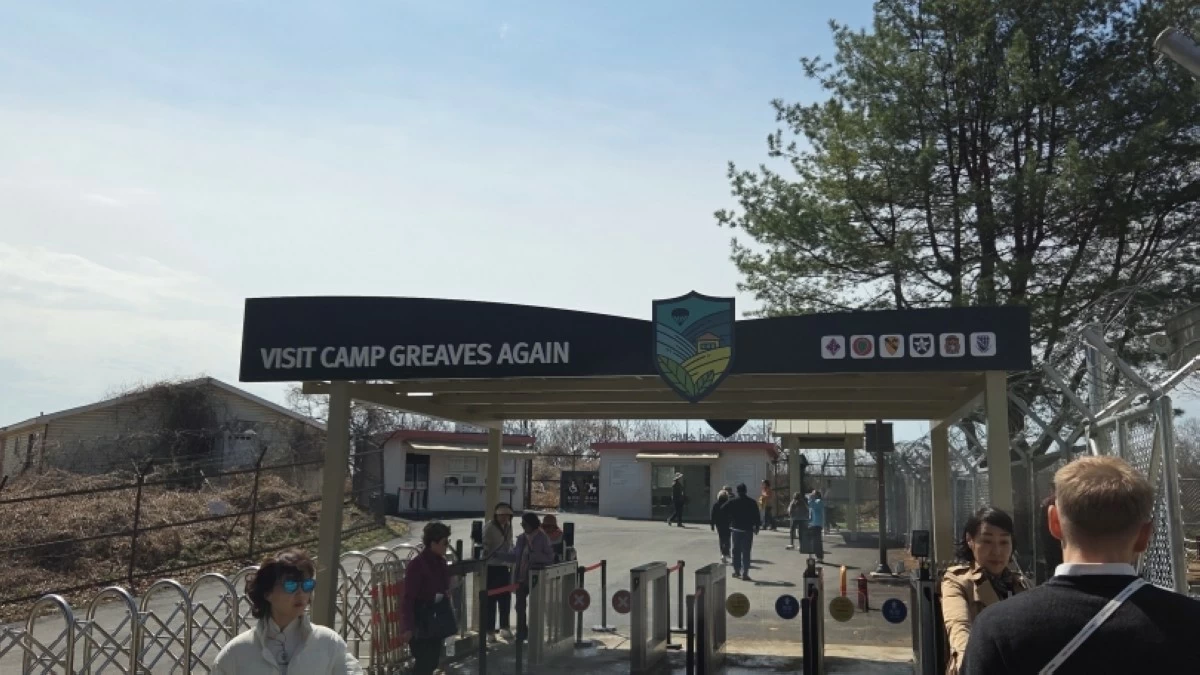
Camp Greaves in Paju City, South Korea (Jonathan Hicap)
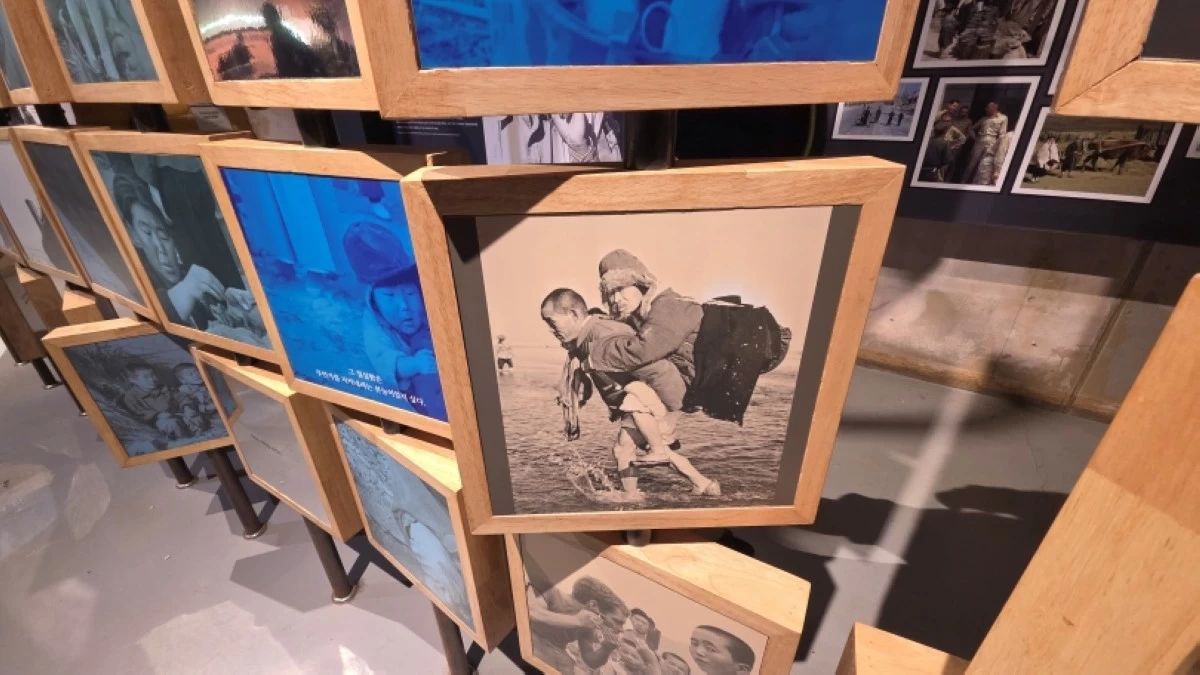
Camp Greaves in Paju City, South Korea (Jonathan Hicap)
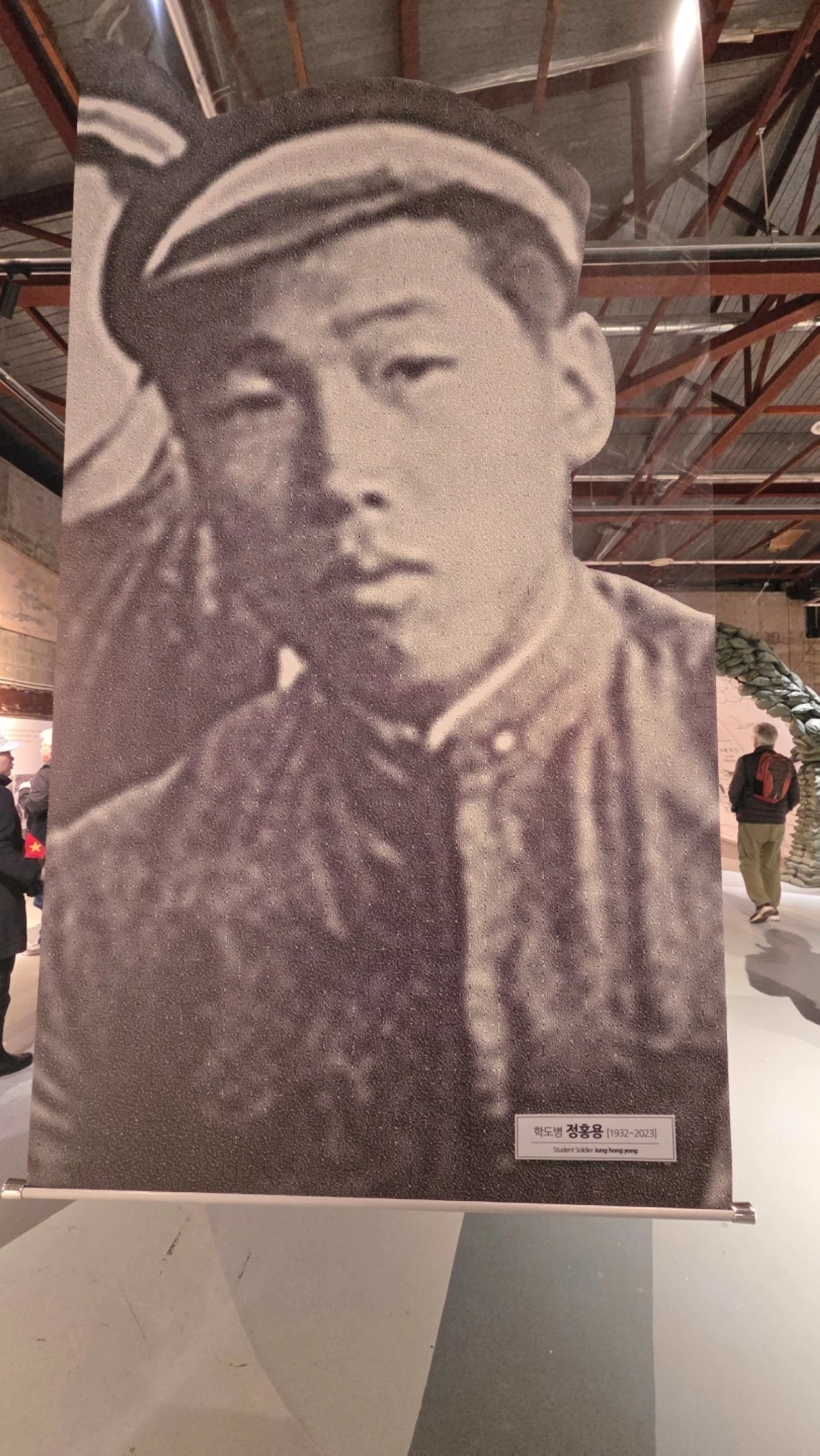
Camp Greaves in Paju City, South Korea (Jonathan Hicap)
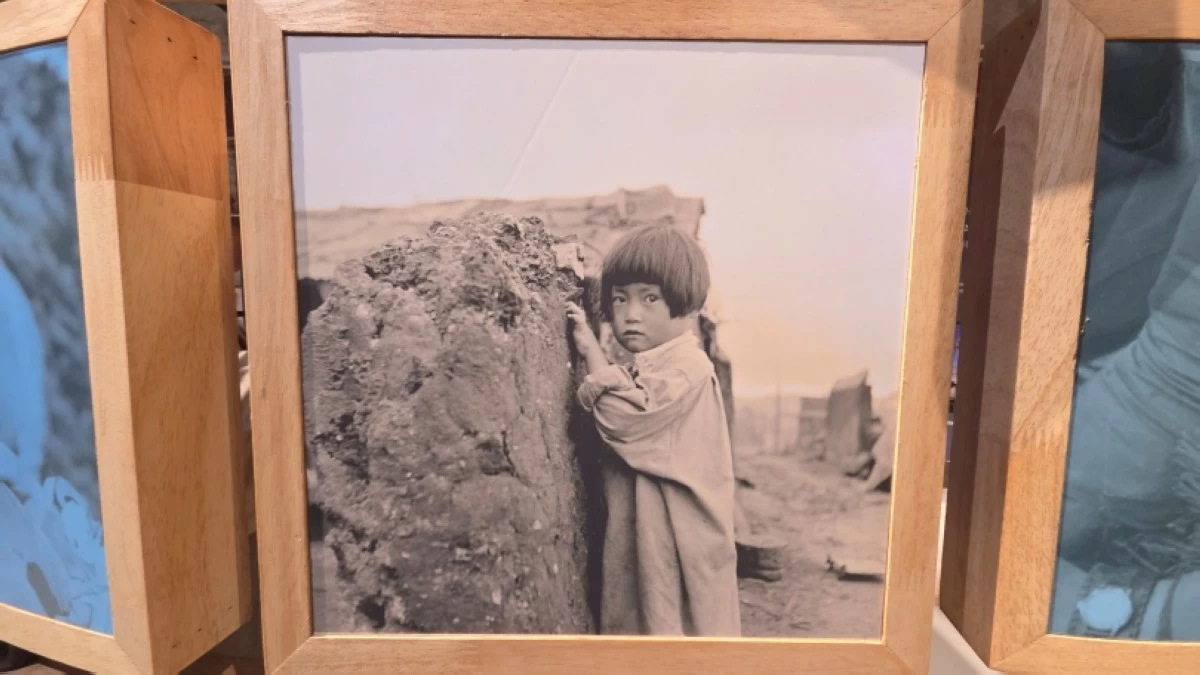
Camp Greaves in Paju City, South Korea (Jonathan Hicap)
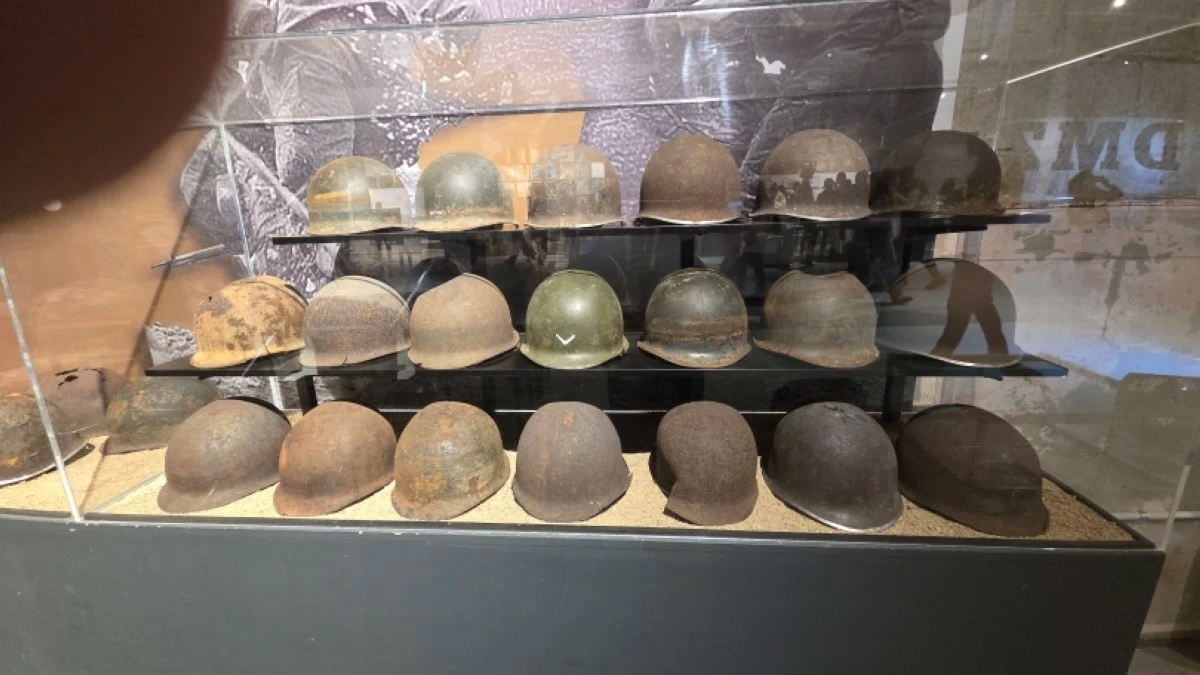
Camp Greaves in Paju City, South Korea (Jonathan Hicap)
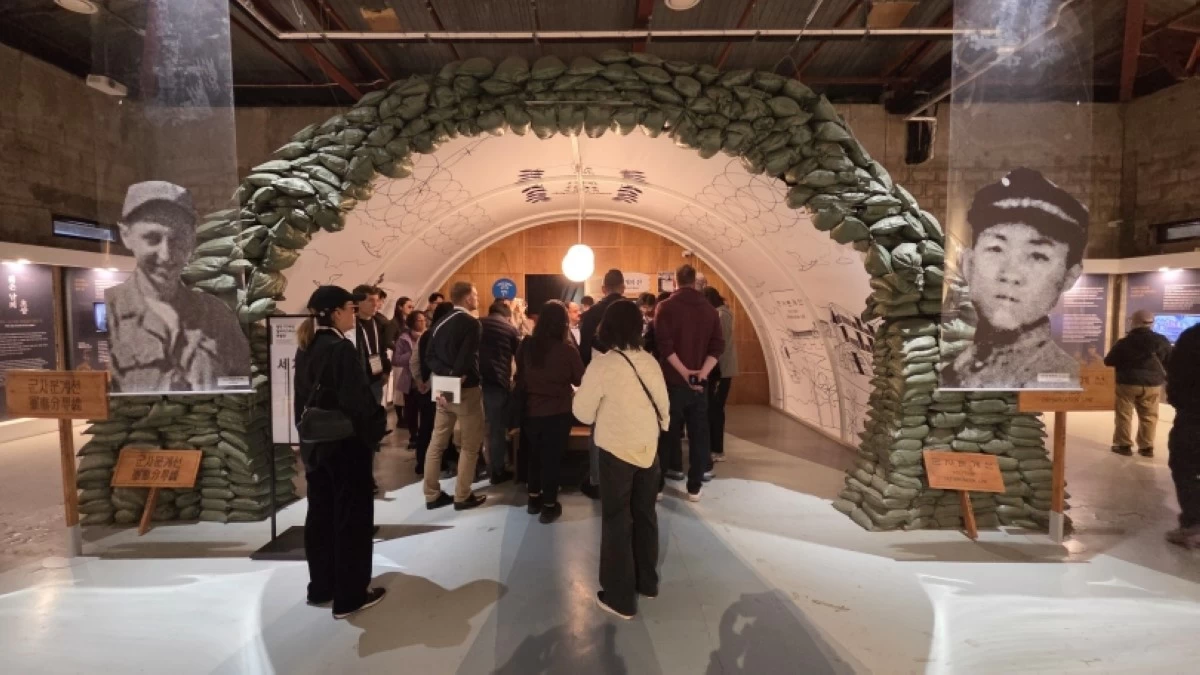
Camp Greaves in Paju City, South Korea (Jonathan Hicap)
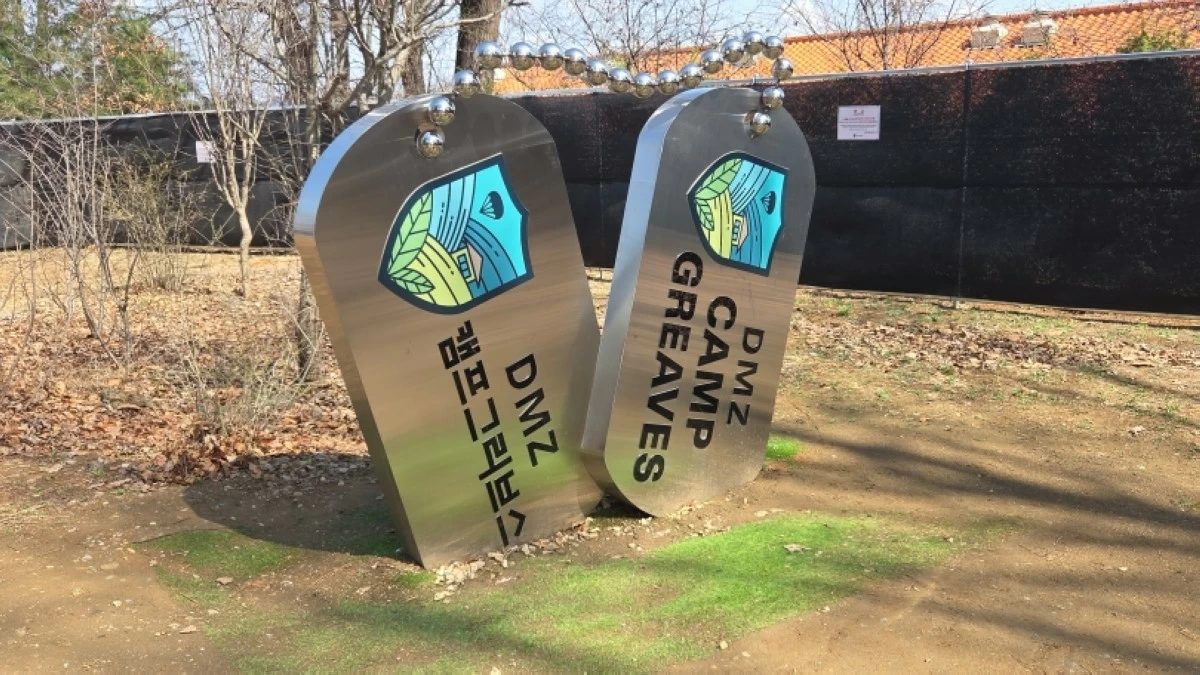
Camp Greaves in Paju City, South Korea (Jonathan Hicap)
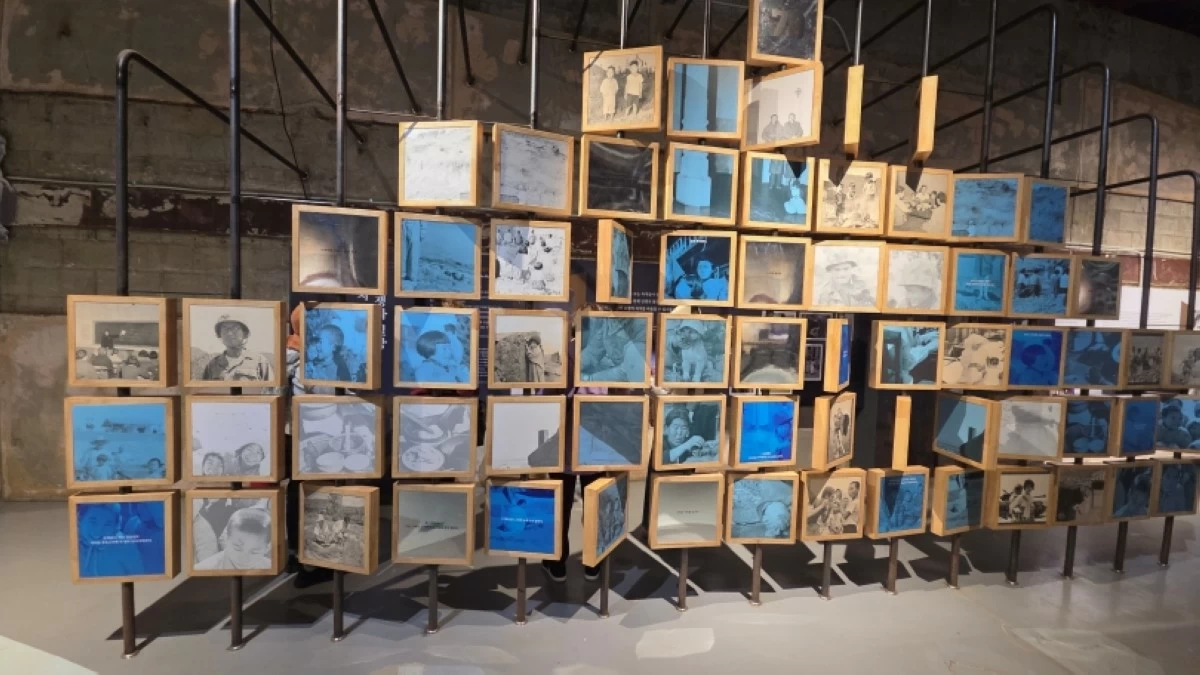
Camp Greaves in Paju City, South Korea (Jonathan Hicap)
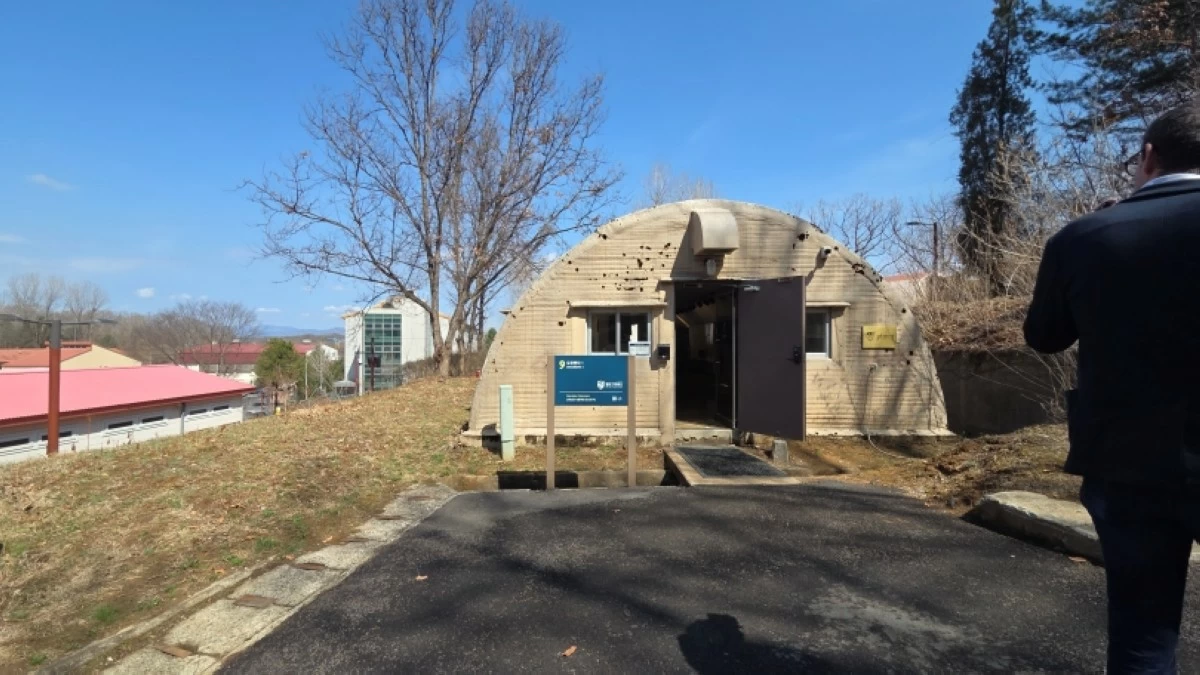
Camp Greaves in Paju City, South Korea (Jonathan Hicap)
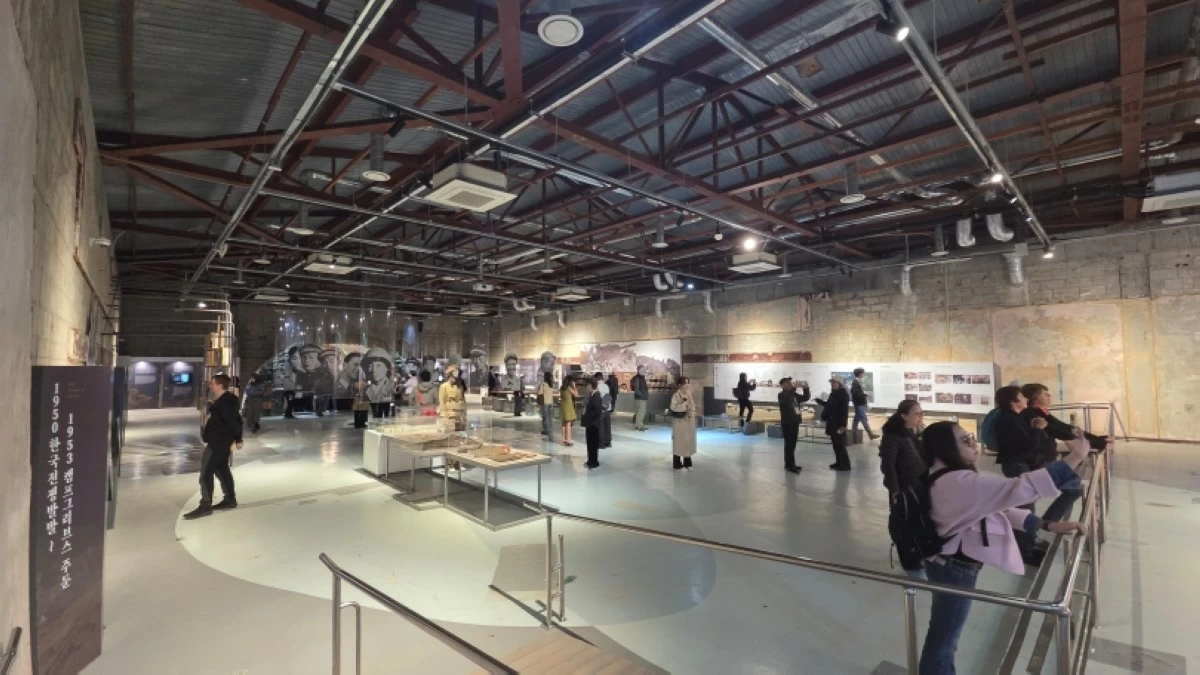
Camp Greaves in Paju City, South Korea (Jonathan Hicap)
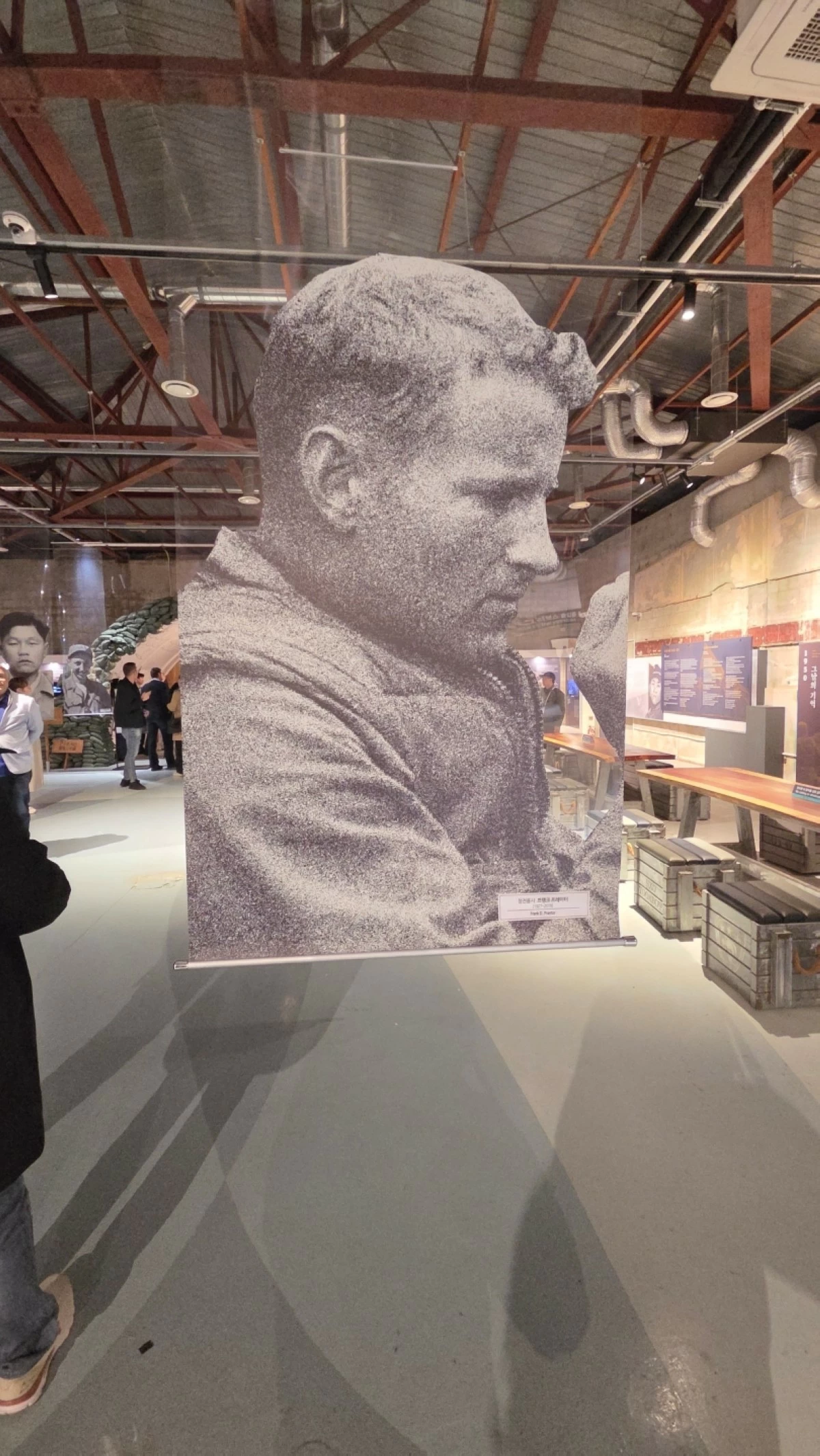
Camp Greaves in Paju City, South Korea (Jonathan Hicap)
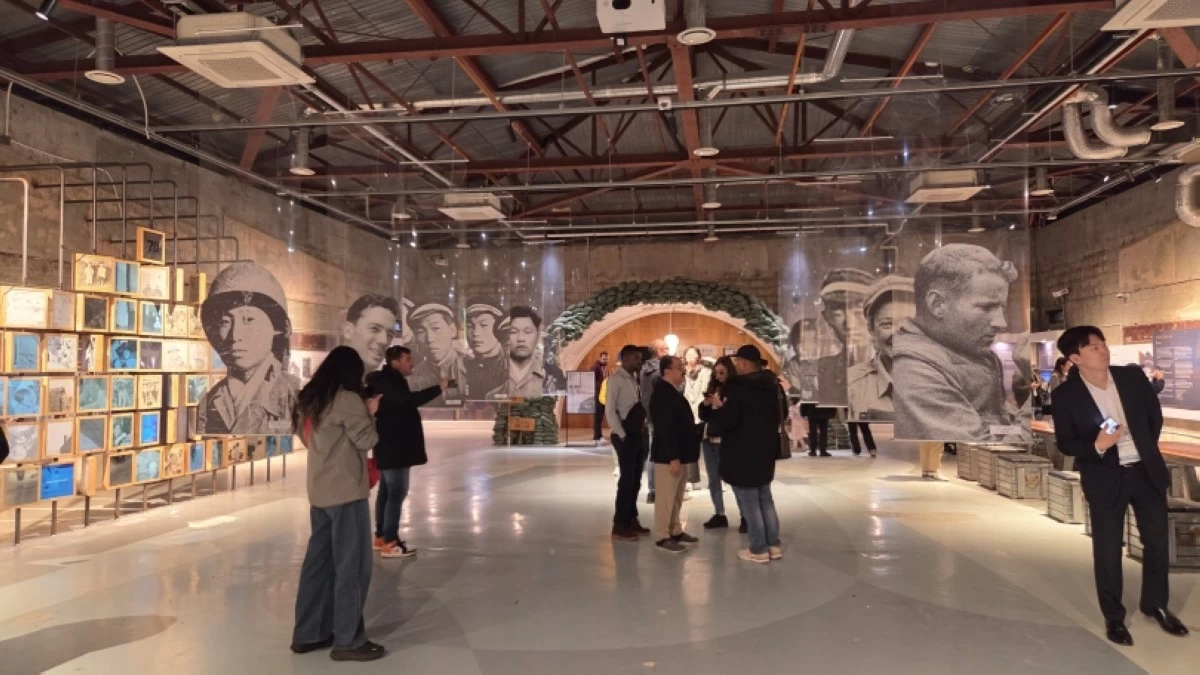
Camp Greaves in Paju City, South Korea (Jonathan Hicap)
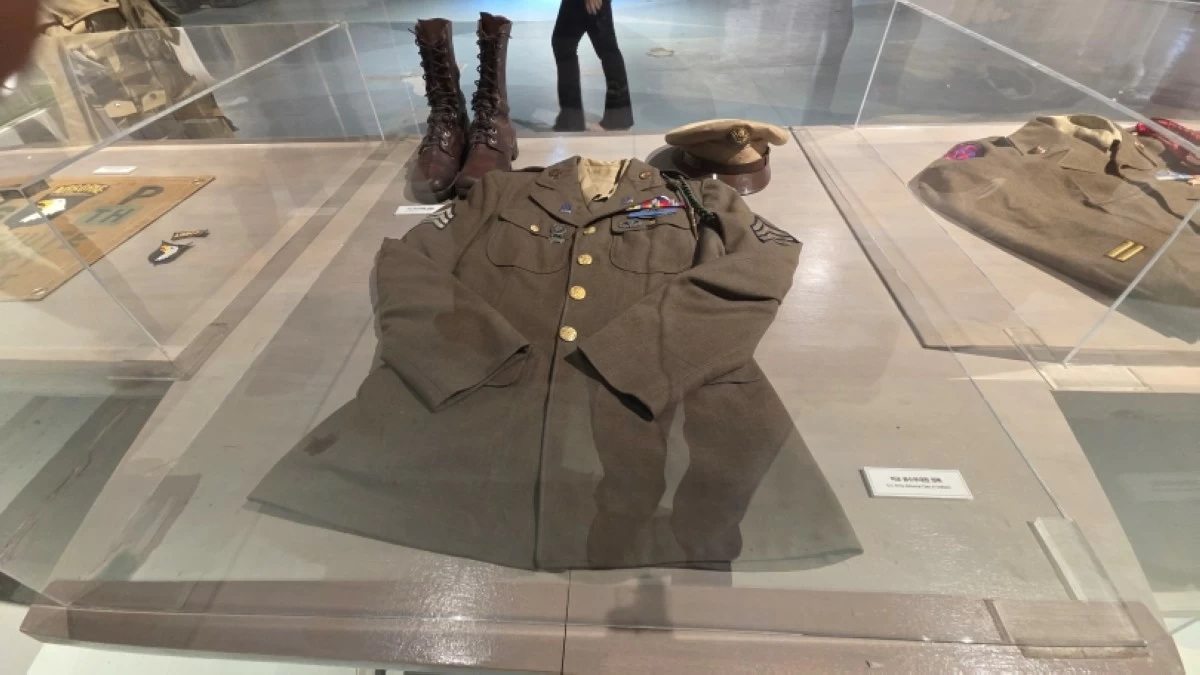
Camp Greaves in Paju City, South Korea (Jonathan Hicap)
Joint Security Area (JSA) Museum

Joint Security Area (JSA) Museum in Paju City, South Korea (Jonathan Hicap)
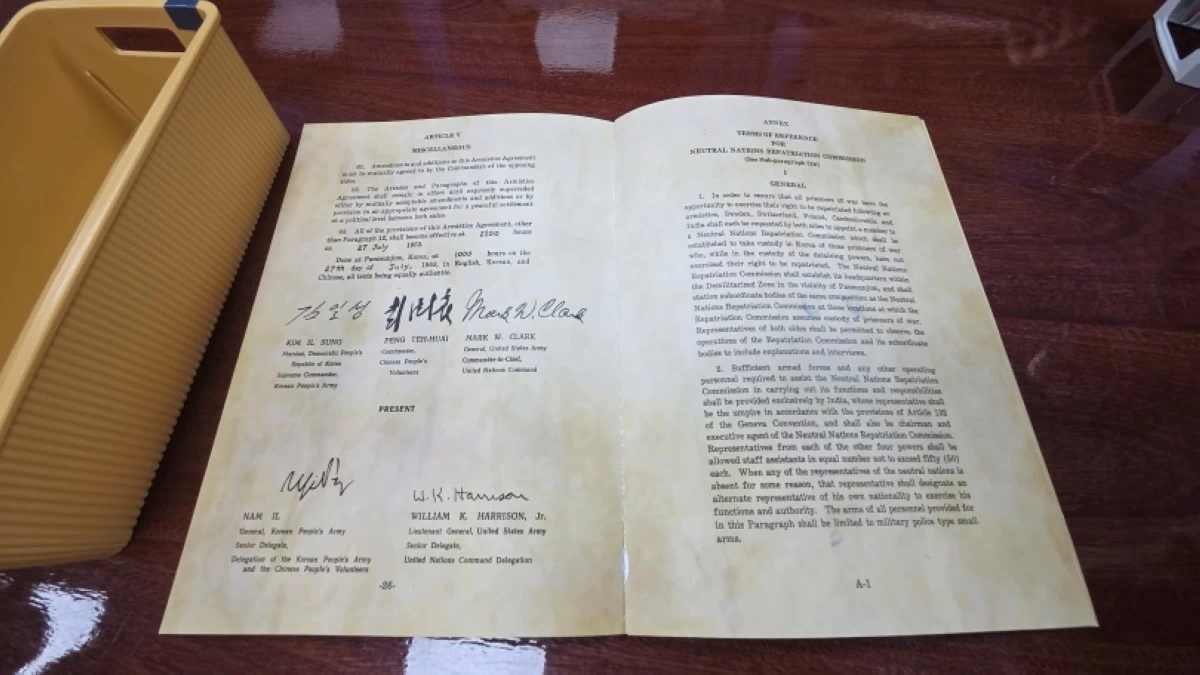
Joint Security Area (JSA) Museum in Paju City, South Korea (Jonathan Hicap)
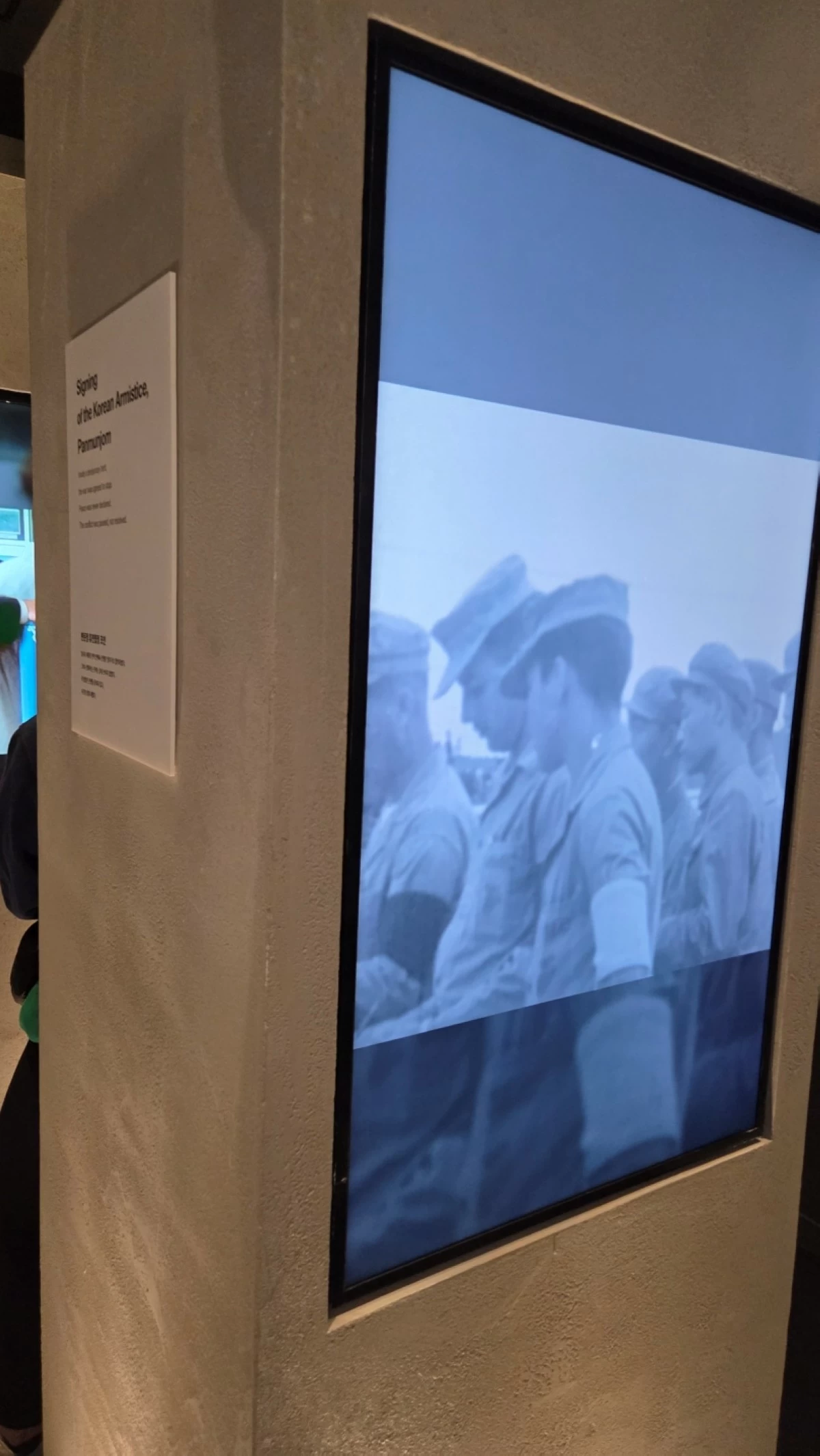
Joint Security Area (JSA) Museum in Paju City, South Korea (Jonathan Hicap)
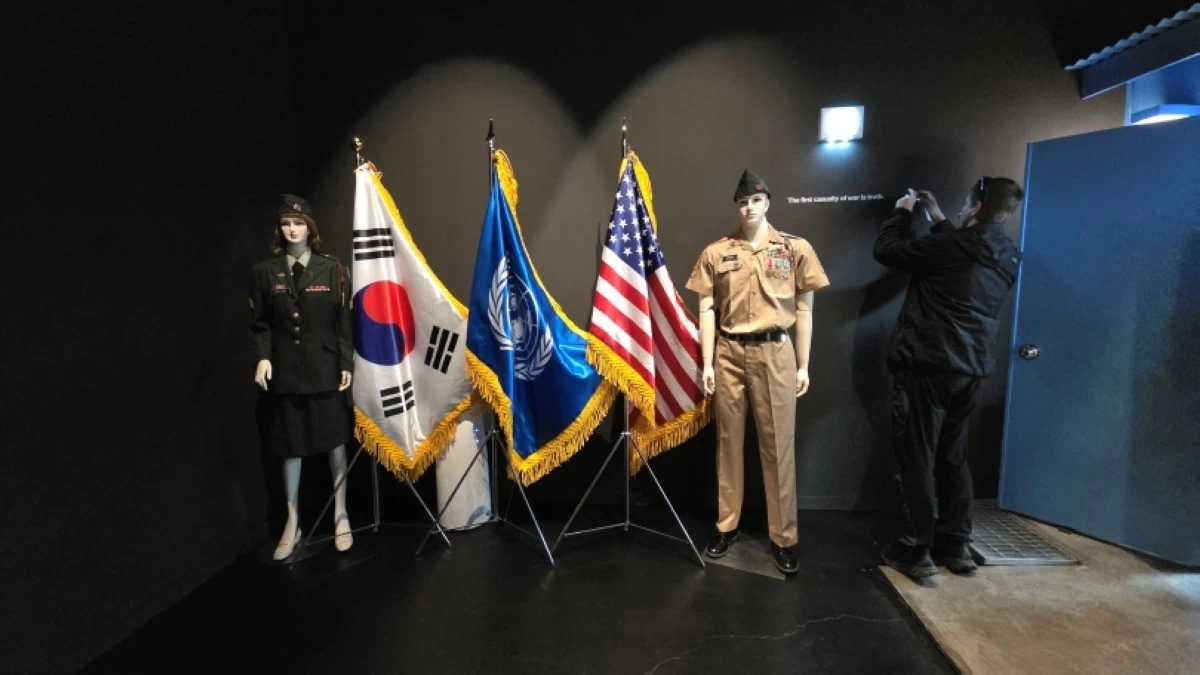
Joint Security Area (JSA) Museum in Paju City, South Korea (Jonathan Hicap)
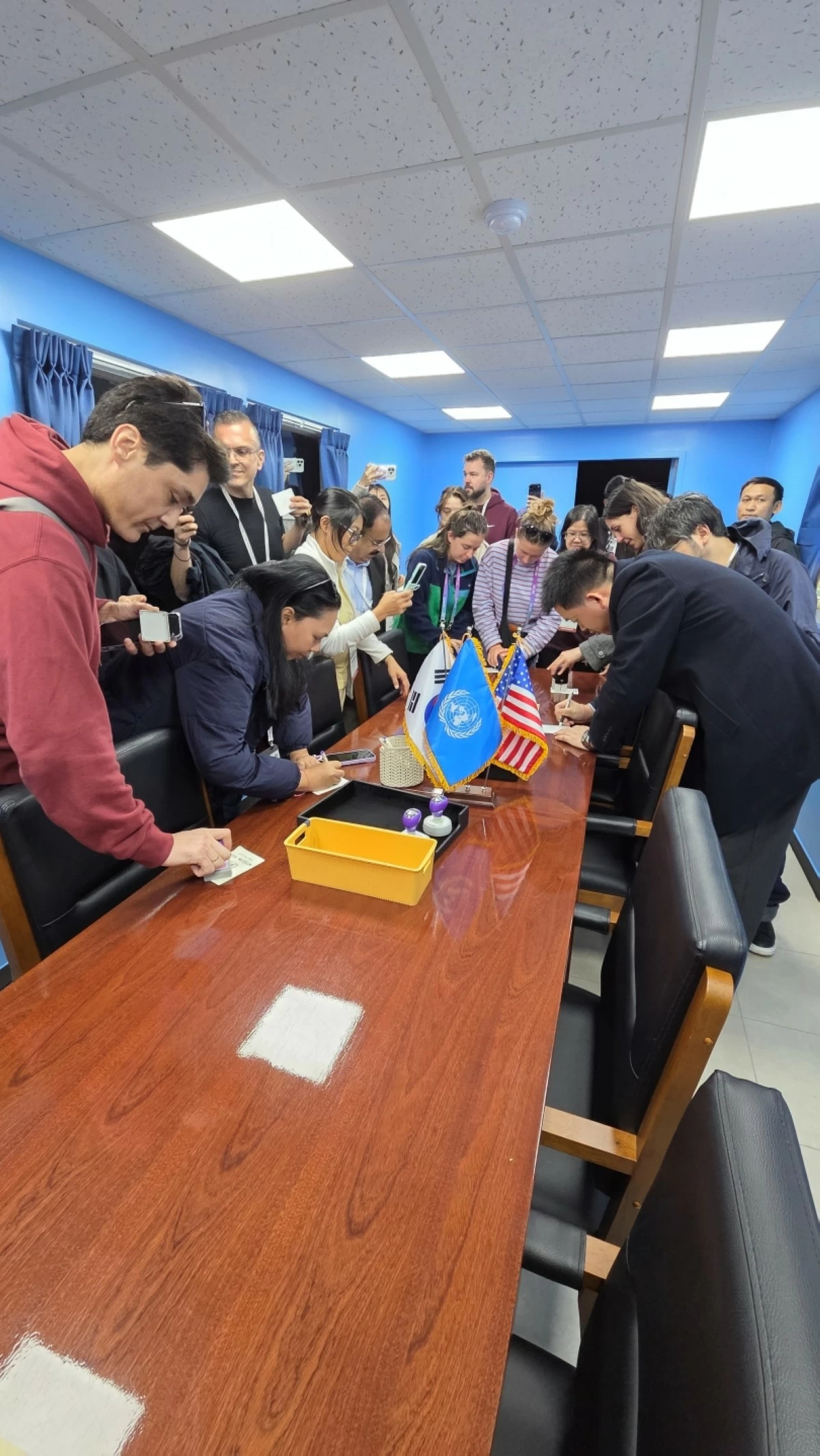
Joint Security Area (JSA) Museum in Paju City, South Korea (Jonathan Hicap)
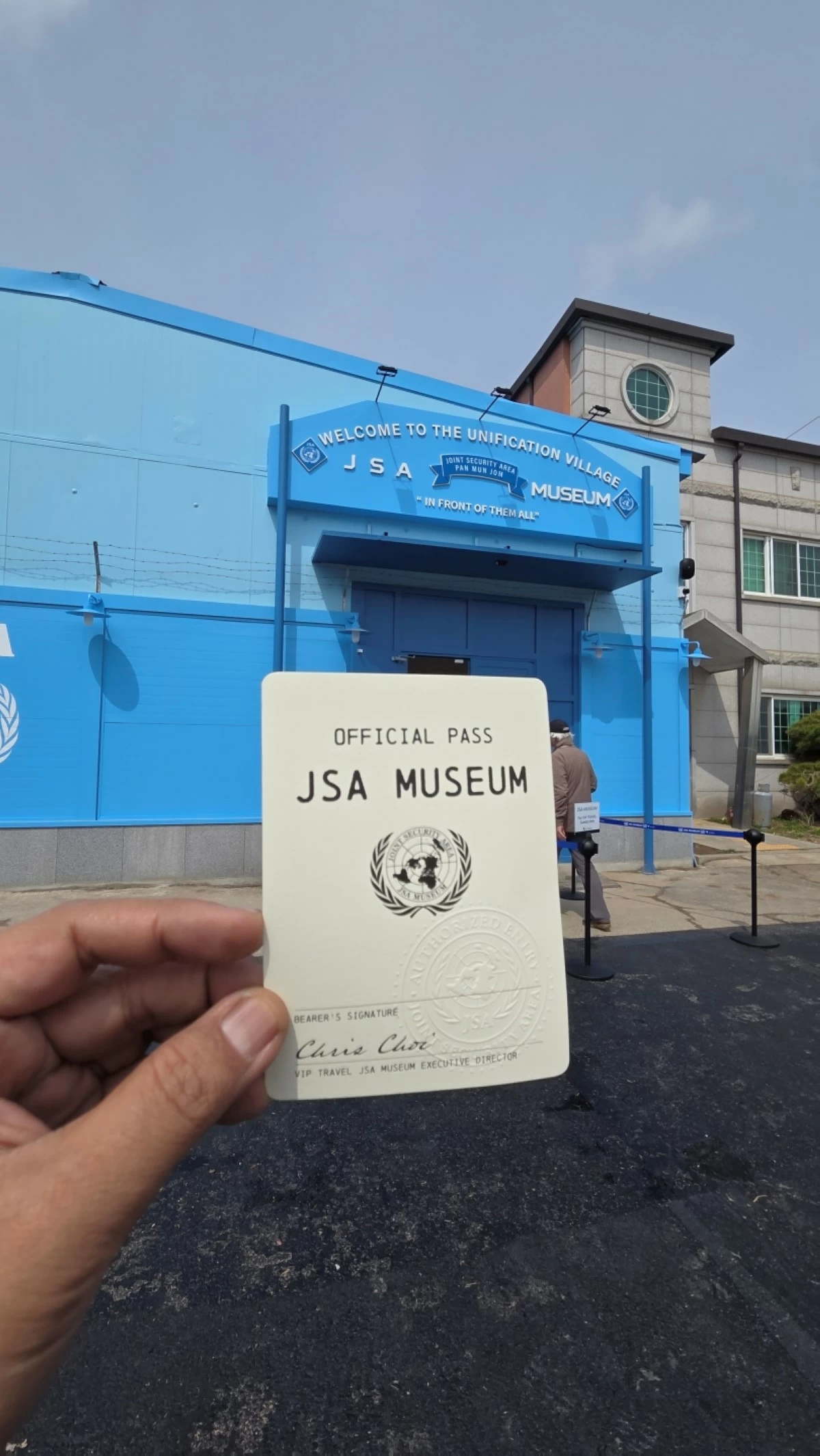
Joint Security Area (JSA) Museum in Paju City, South Korea (Jonathan Hicap)
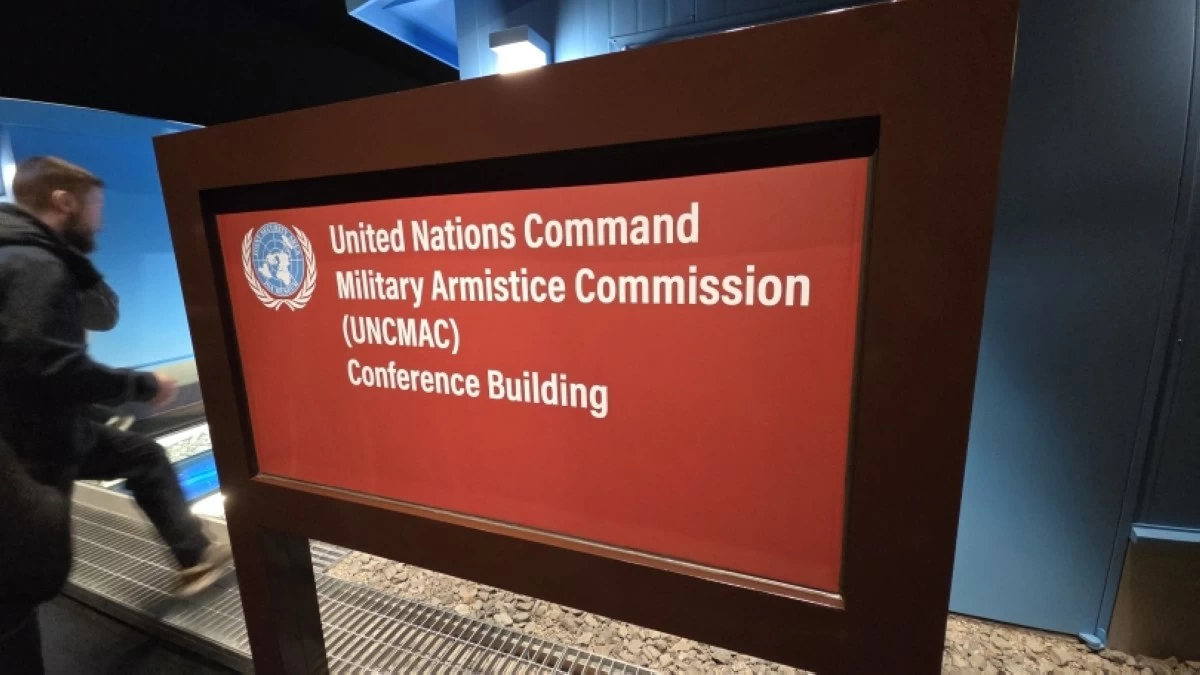
Joint Security Area (JSA) Museum in Paju City, South Korea (Jonathan Hicap)
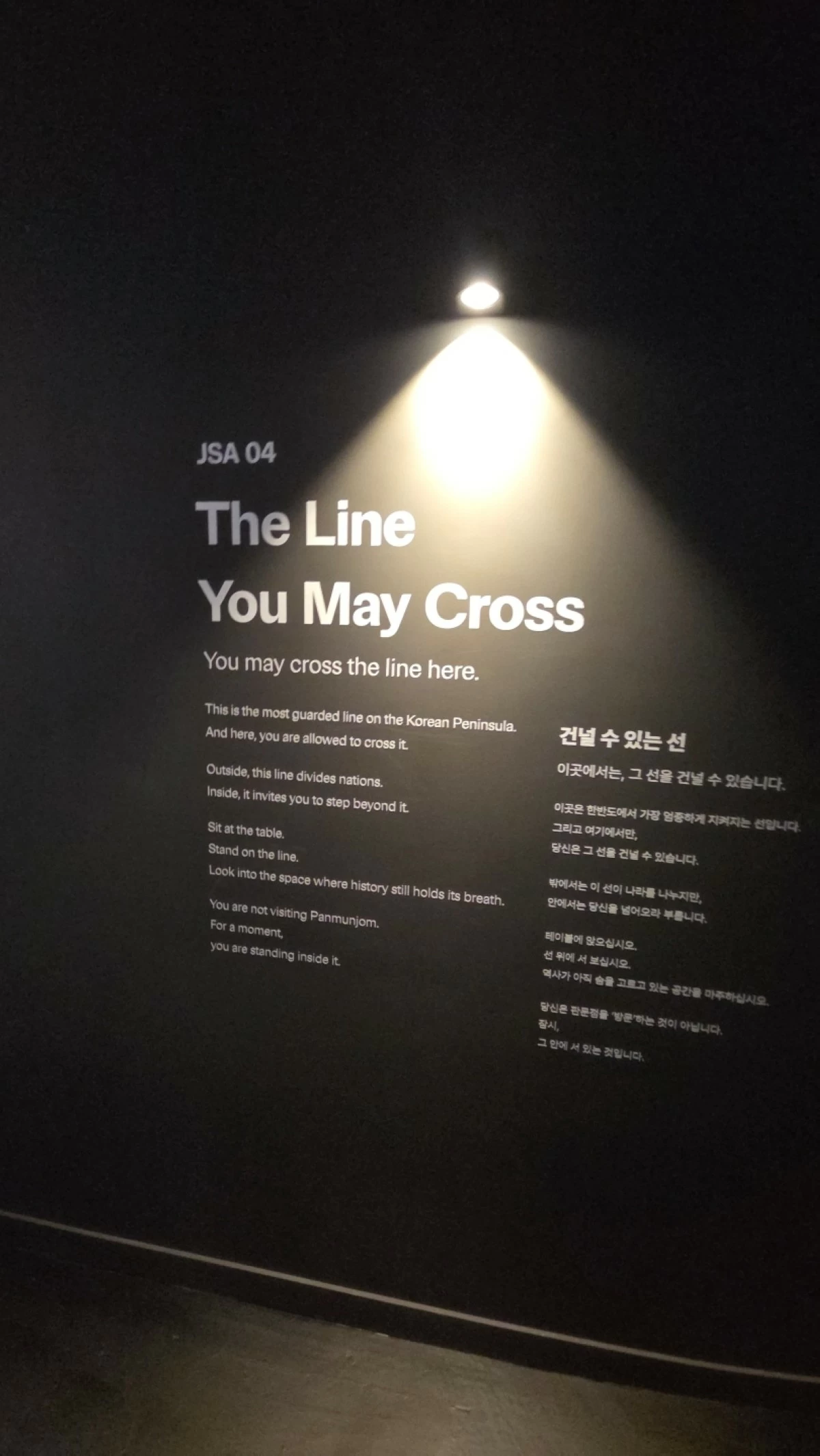
Joint Security Area (JSA) Museum in Paju City, South Korea (Jonathan Hicap)
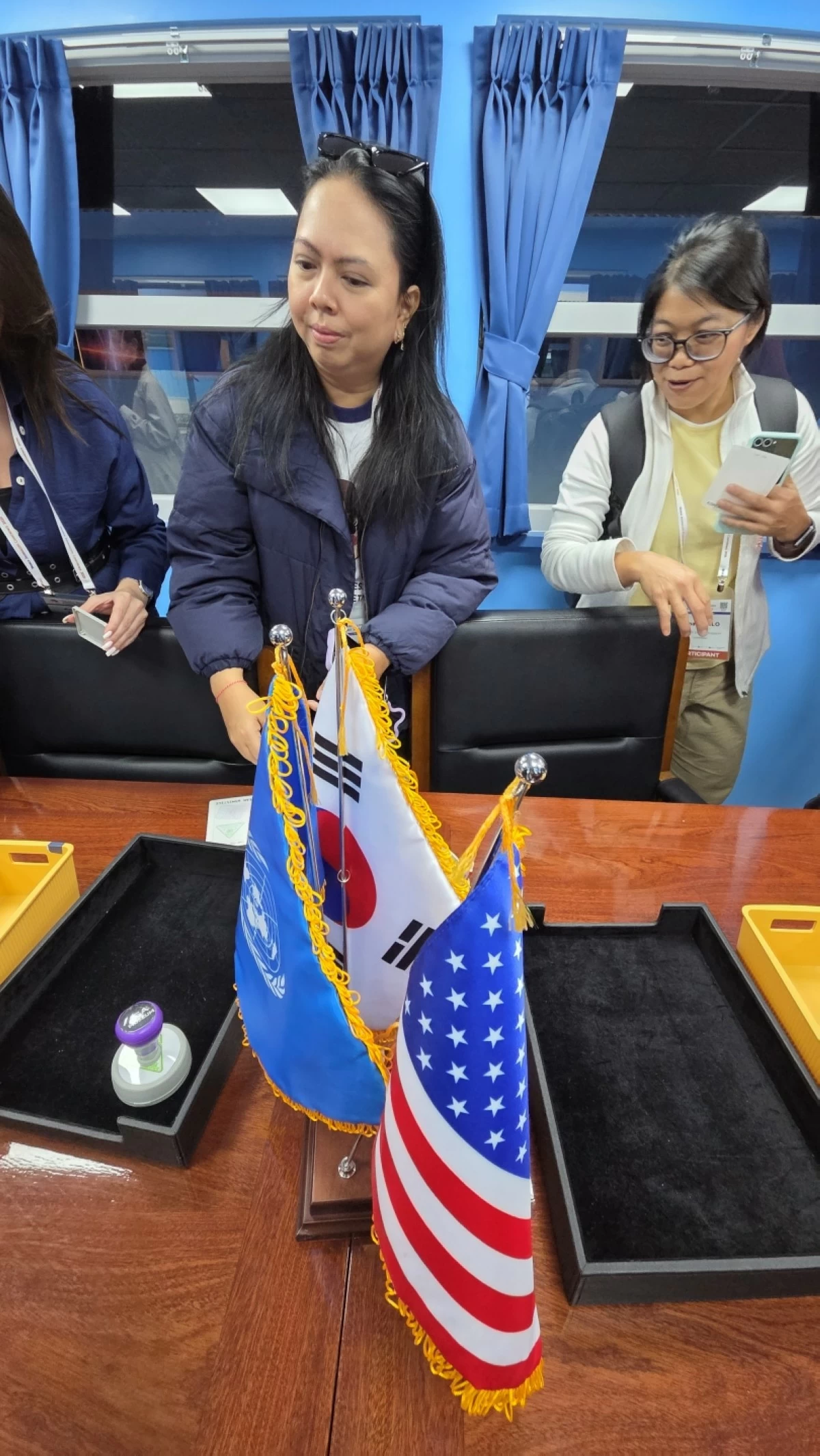
Joint Security Area (JSA) Museum in Paju City, South Korea (Jonathan Hicap)
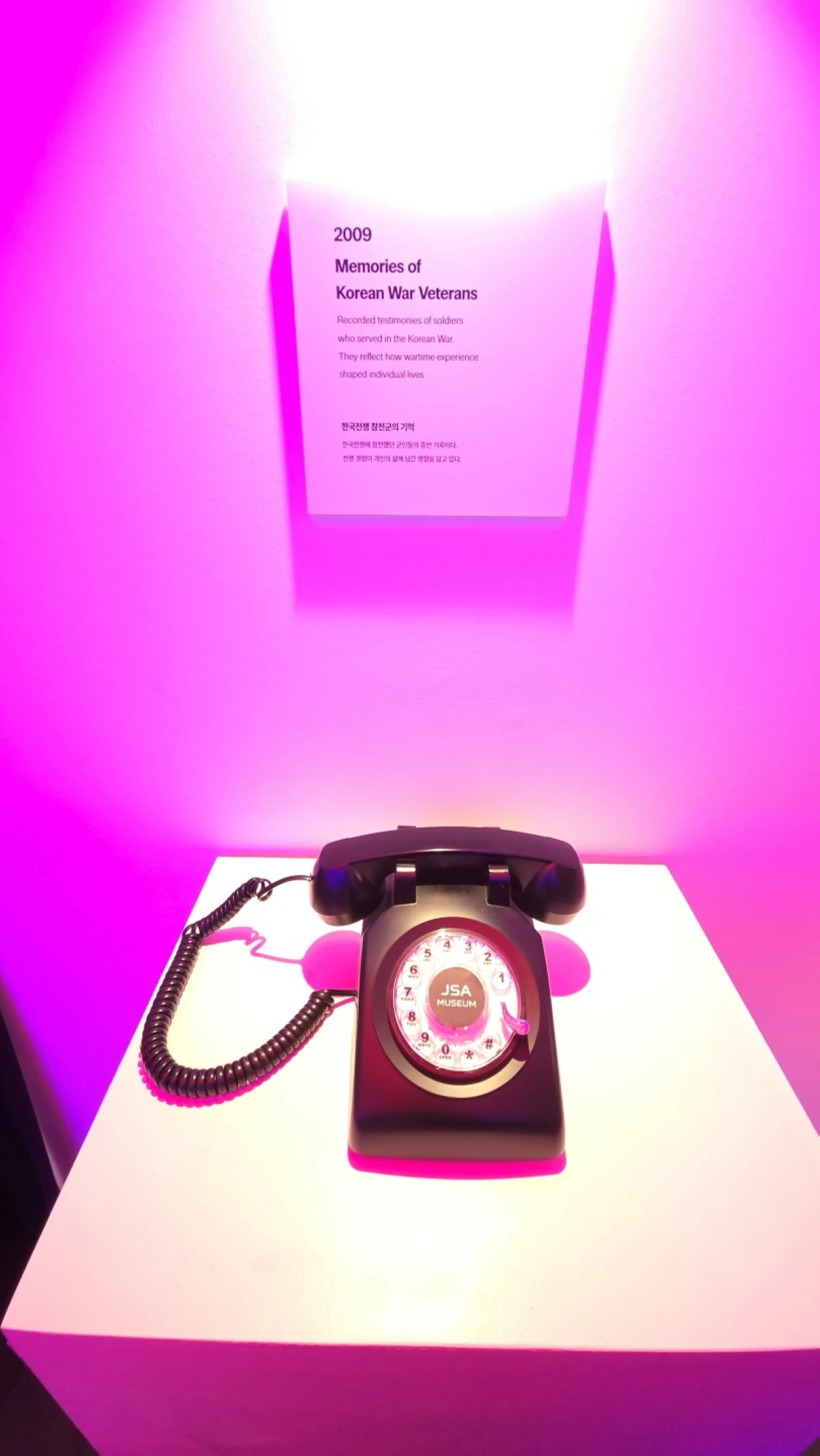
Joint Security Area (JSA) Museum in Paju City, South Korea (Jonathan Hicap)