






Manila Bulletin
 Philippines
National
Constitutional stress test? New petition raises stakes in Sara Duterte impeachment case
Philippines
National
Constitutional stress test? New petition raises stakes in Sara Duterte impeachment case
Philippines
National
Constitutional stress test? New petition raises stakes in Sara Duterte impeachment case
Constitutional stress test? New petition raises stakes in Sara Duterte impeachment case
Lawyers, Mindanao leaders explain petition-in-intervention filed before the Supreme Court; decry 'political harassment' and 'fishing expedition'
Published Apr 10, 2026 02:52 pm


At A Glance
- A new petition filed before the Supreme Court of the Philippines raises constitutional and due process issues in the impeachment case against VP Sara Duterte
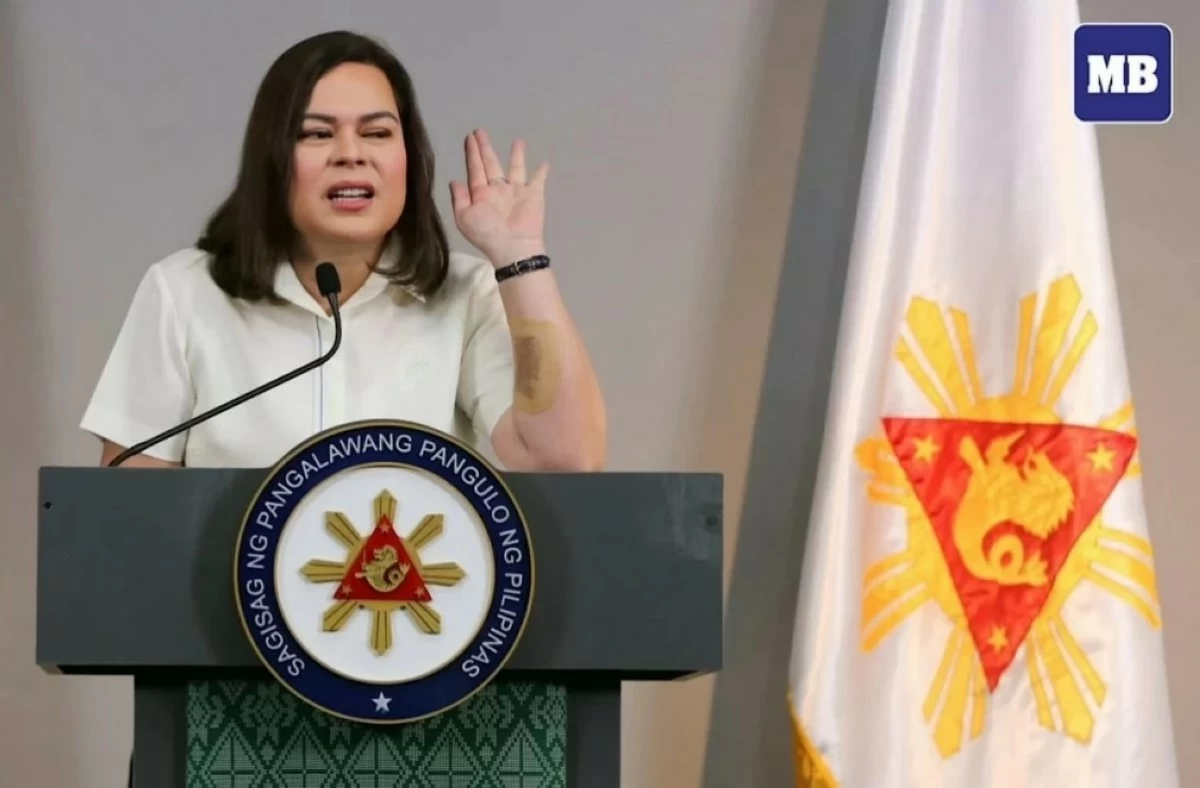
SUPPORT FOR VP SARA. Lawyers and Mindanao leaders filed a petition in intervention before the Supreme Court, raising constitutional issues and due-process concerns regarding the impeachment proceedings against Vice President Sara Duterte. (Manila Bulletin/file)
The impeachment proceedings against Vice President Sara Duterte are increasingly being framed not just as a political battle, but as a defining constitutional test, following a new petition-in-intervention filed before the Supreme Court of the Philippines.
Lawyers and Mindanao-based leaders formally announced the petition in a press conference on Friday, April 10, saying their move seeks to support earlier legal challenges while introducing new arguments and evidence—particularly on the legality of subpoenas issued during the proceedings.
The petitioners, led by lawyers Jerryl C. Rondez-Layog and James Reserva, along with former Commission on Higher Education (CHED) commissioner Ronald Adamat and representatives of the One Bangsamoro Movement led by Maulana “Alan” Balangi, said their intervention aims to raise additional constitutional issues and present evidence not included in the original filings.
“This is not about politics, this is not about personalities… this is about upholding the Constitution,” Rondez-Layog said.
From political process to constitutional contest
What distinguishes the latest petition is its deliberate shift in framing—from a personality-driven political dispute to a broader constitutional controversy.
“This case is no longer about one public official alone… it has become a constitutional controversy,” lawyer Maher Centi said.
The intervenors are effectively asking the High Court to define the limits of impeachment powers, including the procedural boundaries of the House Committee on Justice and the extent of congressional investigative authority.
This reframing raises a central question: when does political discretion in impeachment cross into constitutional overreach?
Subpoenas under scrutiny: Oversight or overreach?
A key issue raised in the petition involves subpoenas issued after the House panel had already declared the impeachment complaints “sufficient in form and substance.”
“Our petition-in-intervention not only supports the principal petitions but also presents additional arguments and evidence, such as the subpoenas issued by the House Committee on Justice,” lawyer-intervenor John Rey Codilla said.
The group is asking the Court to determine whether these subpoenas are “facially overbroad” or constitutionally infirm, arguing that continued evidence-gathering may amount to a “fishing expedition.”
For the petitioners, this creates a procedural paradox: if sufficiency has already been established, why expand the evidentiary process?
Due process, bias, and political optics
Beyond procedural questions, the petition raises concerns about fairness and possible bias in the proceedings.
Former Commission on Higher Education (CHED) commissioner Ronald Adamat alleged that the House panel may have committed “grave abuse of discretion,” citing due-process concerns and claims of “premature” conclusions.
Petitioners also pointed to statements suggesting lawmakers had already secured enough votes to proceed—fueling concerns about predetermined outcomes.
“I believe that the leaders we elect should not be removed from office through mere political machinations of a majority opposition,” said lawyer and co-petitioner Hilary Olga M. Reserva.
Mindanao voices widen national implications
The involvement of Mindanao-based leaders, including representatives from the One Bangsamoro Movement, adds a broader political dimension to the case—signaling that the impeachment battle carries national implications beyond Manila.
“It is my way of asserting that the rule of law must prevail—not only in theory, but in practice; not only when it is convenient, but especially when it is difficult,” Reserva argued.
Not about immunity—but process integrity
Despite backing petitions linked to Duterte, the intervenors stressed that their move is not intended to shield any official from accountability.
“This is not about avoiding the process. This is about ensuring that the process itself complies with the Constitution,” Rondez-Layog emphasized.
They warned that weakening constitutional safeguards—even in a single case—could erode public trust in democratic institutions.
“The Constitution must govern impeachment—not the other way around,” the group said.
A defining test for the High Court
The burden now shifts to the Supreme Court, which is being asked to clarify key constitutional questions, including the scope of impeachment powers, the timing and validity of evidentiary findings, and the enforcement of due process in political proceedings.
Whether the Court intervenes decisively or exercises restraint, its ruling is expected to shape not only the trajectory of Duterte’s impeachment but also the constitutional boundaries governing future cases.
“The legal standards we defend today will define the strength of our institutions tomorrow,” Reserva said. “If we allow constitutional guardrails to be disregarded, we risk normalizing a system where process is secondary to politics,” she added.