







Private sector pushes restart of infra projects


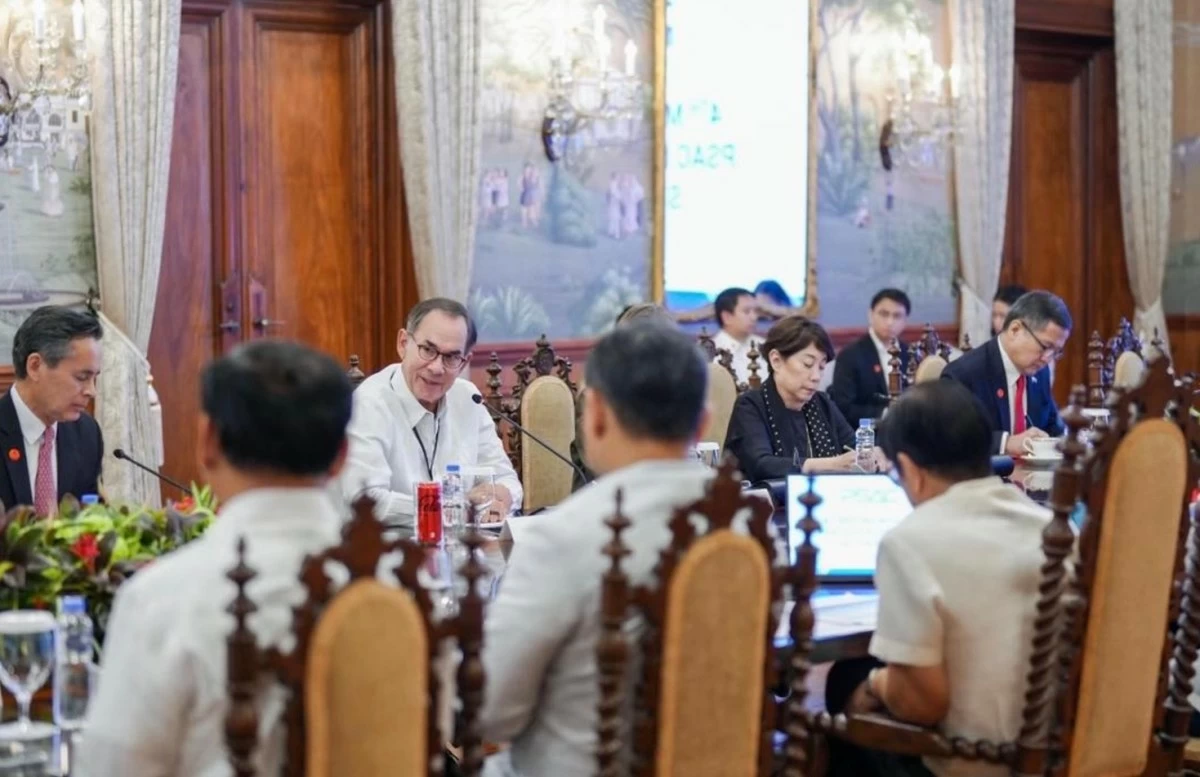
The Private Sector Advisory Council (PSAC) is recommending the restart of temporarily shelved infrastructure projects and other measures to help cushion the impact of the Middle East crisis on the economy.
PSAC said it is critical that the government implement measures to protect jobs and sustain economic activity, as the conflict continues to put pressure on fuel prices.
Aboitiz Group President and Chief Executive Officer (CEO) Sabin Aboitiz, who is the lead convener of PSAC, said such measures should focus on “immediate job preservation and long-term workforce transformation.”
“By investing in skills, accelerating job matching, and supporting enterprises, we can help ensure that Filipinos remain productive and competitive despite global headwinds,” Aboitiz said in a statement on Thursday, April 9.
To boost economic productivity at a time of global uncertainty, PSAC is recommending the immediate restart of infrastructure and school construction projects.
Many of these projects were put on hold last year as part of the government’s transparency measures following the multibillion-peso corruption scandal in flood-control projects.
This directly led to a decline in government spending, which contributed to the subpar economic growth last year.
Bringing these projects back to life could revitalize the construction sector and supporting industries in its supply chain, creating new jobs and economic opportunities in the process.
In support of this, PSAC is urging the government to expand nationwide job fairs and expedite hiring across both the government and private sectors.
For overseas Filipino workers (OFWs) who were displaced due to the conflict and have since returned to the country, the council is proposing a streamlined redeployment process.
This would be complemented by micro-credential training across key industries and expanded support for entrepreneurship and micro, small, and medium enterprises (MSMEs).
In addition, PSAC is pushing for the rollout of an upskilling program designed to transition workers into digital and remote roles within weeks, called Artificial Intelligence (AI) Upskilling para sa Digital Asenso (AIUDA).
Through tiered pathways, the program aims to open employment prospects in areas such as data annotation, virtual assistance, analytics, and online entrepreneurship.
At the same time, PSAC called for the accelerated rollout of digital infrastructure to enable remote work and reduce dependence on physical mobility as fuel prices soar.
It also proposed targeted subsidies delivered through digital platforms, as well as the possible extension of tax incentives for export-oriented companies.
PSAC said these policy recommendations were presented during the meeting of the council’s education and jobs sector group with President Ferdinand R. Marcos Jr. last Wednesday, April 8.
For his part, Marcos said the government is “very much in agreement” with PSAC on these measures to mitigate the impact of the ongoing conflict in the Middle East.
“We are on the same page,” he said.