







20% MOOE cut floated in House energy crisis council hearing
Published Apr 9, 2026 02:34 pm


At A Glance
- Economic managers have suggested before congressmen a 20 percent reduction in non-essential maintenance and operating expenses (MOOE) as part of a calibrated response to elevated fuel costs that may lead to faster inflation and slower economic growth.
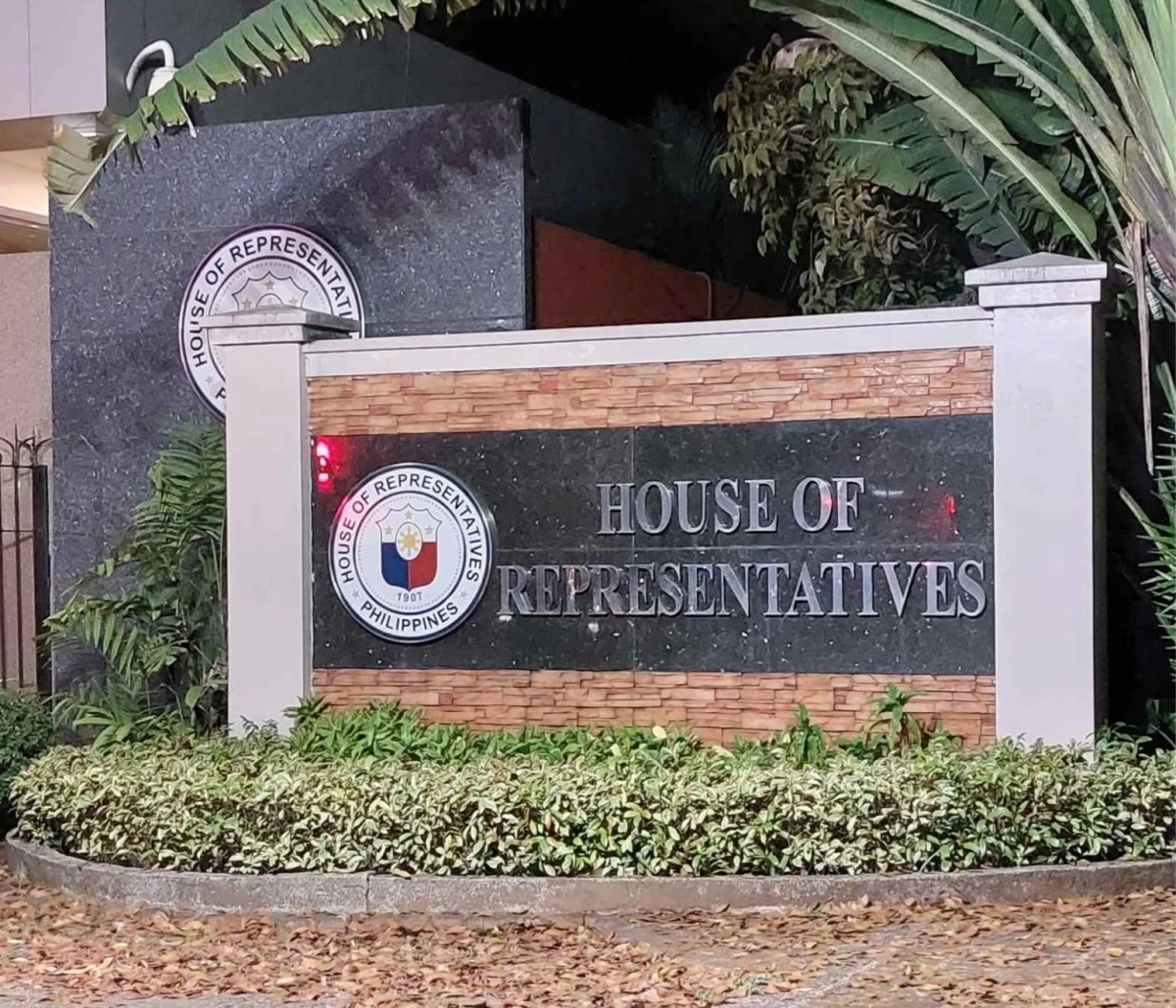
The House of Representatives (Ellson Quismorio/ MANILA BULLETIN)
Economic managers have suggested before congressmen a 20 percent reduction in non-essential maintenance and operating expenses (MOOE) as part of a calibrated response to elevated fuel costs that may lead to faster inflation and slower economic growth.
This was floated during the first hearing of the 13-committee House Legislative Energy Action Development (LEAD) Council Wednesday, April 8, which lasted from 10 a.m. to 9 p.m. Marikina City 2nd district Rep. Miro Quimbo presided over the marathon hearing.
Attending officials from the Department of Finance (DOF), Department of Budget and Management (DBM), and Department of Economy, Planning and Development (DEPDev) said the administration’s response is anchored on a whole-of-government approach that combines targeted interventions, tax policy tools, and cost-reduction measures to protect households and critical sectors.
DOF Undersecretary Karlo Fermin Adriano said the government is prioritizing calibrated support over broad subsidies.
“The government must balance the urgent need to provide support to the most vulnerable sectors with the equally critical responsibility of maintaining fiscal discipline,” Adriano said.
He noted that efforts were also focused on limiting the secondary impact of rising fuel prices by reducing logistics and transaction costs and on supporting key sectors such as agriculture and transport.
Acting DBM Secretary Rolando Toledo said agencies are being directed to realign spending to support these measures.
“In support of the objectives of Memorandum Circular (MC) No.114 and Executive Order (EO) No.110, the DBM recommends mandating all departments and agencies to save at least 20 percent from non-essential MOOE,” Toledo said.
EO No.110 declares a national energy emergency and establishes the Unified Package for Livelihoods, Industry, Food, and Transport (UPLIFT), a framework to ensure the steady supply of essential goods while coordinating government and private sector response and balancing short-term relief with long-term energy security.
Meanwhile, MC No.114, directs agencies to adopt strict energy conservation measures, including reducing electricity and fuel use and limiting non-essential spending to free up resources for priority programs.
DEPDev Secretary Arsenio Balisacan warned of mounting risks if oil prices remain elevated.
“In the worst scenario, inflation could be as high as 6 to 7 percent if oil prices would stay at $150 per barrel. And that’s quite high. It’s just like going back to the high inflation of the early 2023 when inflation was hitting at 6 to 8 percent,” he told the LEAD Council.
“These assumptions may be a little bit scary, but I think they’ll be more tempered,” he added.
Balisacan says the oil price shock might also slow down economic growth from earlier projections of 5 to 6 percent, as higher fuel costs could dampen demand and raise production and transport expenses.
He says the projections are meant to guide policy decisions, particularly in protecting domestic demand and cushioning vulnerable sectors.
Organized by House Speaker Faustino "Bojie" Dy III and Majority Leader Sandro Marcos, the energy crisis council sought to equip lawmakers with concrete policy options in prder to respond decisively to the crisis.
The House is moving to align legislative measures with the executive branch’s response, focusing on targeted relief, market interventions, and structural reforms to protect Filipinos while sustaining economic stability.
The LEAD Council is scheduled to hold three more hearings next week, before breaking up into smaller clusters in the bid to craft a detailed response measure.