






Manila Bulletin
 Philippines
Metro Manila
'Tiyaga lang': Malabon jeepney drivers keep rolling despite lower earnings
Philippines
Metro Manila
'Tiyaga lang': Malabon jeepney drivers keep rolling despite lower earnings
Philippines
Metro Manila
'Tiyaga lang': Malabon jeepney drivers keep rolling despite lower earnings
'Tiyaga lang': Malabon jeepney drivers keep rolling despite lower earnings
Published Apr 8, 2026 09:17 am


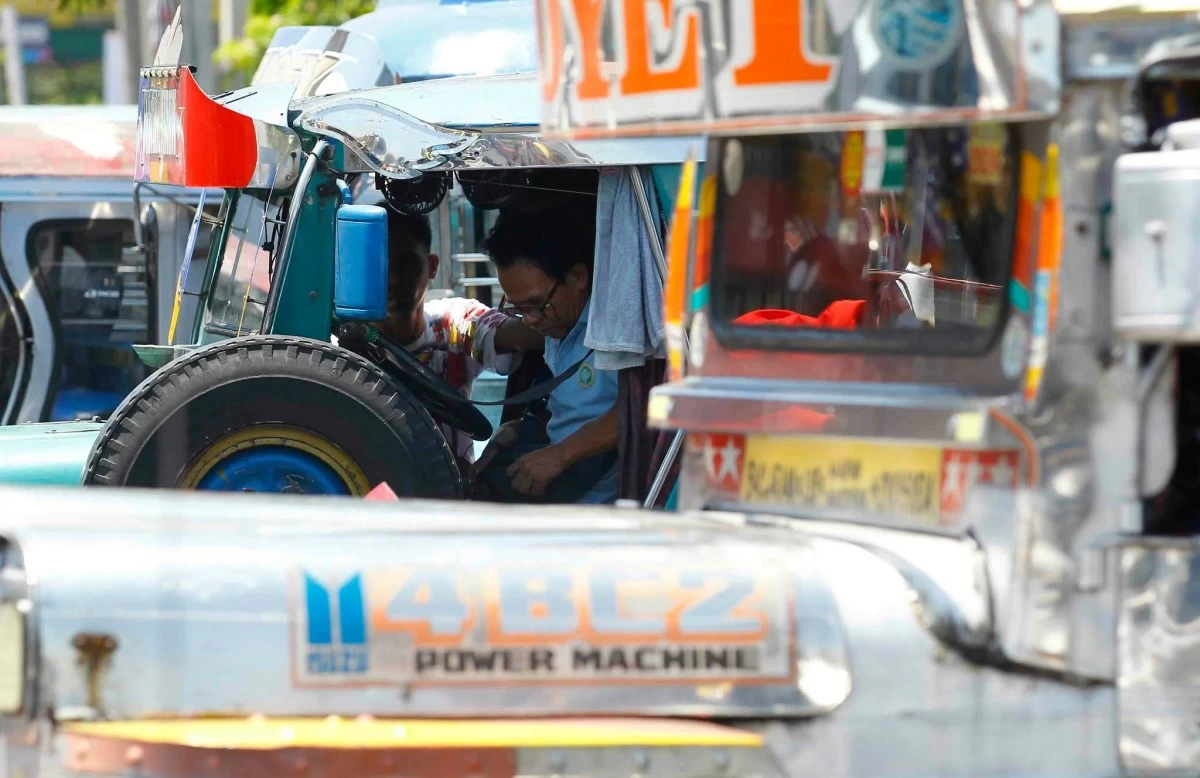
File photo by Mark Balmores
What used to be a day’s earnings for some public utility jeepney drivers is now barely enough to cover fuel costs and keep their vehicles on the road. The small amount left after refueling leaves them with almost nothing to bring home after a long day on the road, yet they continue to endure to keep serving passengers and provide for their families.
While many drivers in different parts of Metro Manila have temporarily chosen to halt operations, some in Malabon continue to brave the roads, holding on to two words: “T’yaga lang.”
They keep on driving not just for their families, but also for the countless passengers who depend on them each day: workers rushing to their jobs, students on their way to school, and ordinary commuters relying on them to reach their destinations.
In some ways, these drivers have become the quiet heroes of the daily commute, carrying not just passengers, but the weight of their everyday lives.
Jeffrey Chica, 48, has been a driver for 25 years. His current route is Malabon–Acacia–Monumento. Like many others, he has thought about taking a break from driving, but with a child still studying, he continues to endure despite the small amount of money he brings home.
“Dahil sa pamilya ko kaya ‘ko bumabyahe. May pinag-aaral pa na anak. [Para na rin sa] pang araw-araw na gastos sa bahay (I keep driving for my family. I have a child who still studies, and I need to provide for our daily household expenses),” Chica said.
With the ongoing surge in fuel costs, he said the increase in oil prices hits drivers hard, as their earnings are directly tied to it.
“Pag malaki babayaran [sa] krudo, liliit kita naming mga driver kasi napupunta lang sa krudo (The more we have to spend on fuel, the smaller our take-home pay becomes, since most of it goes just to refueling),” he added.
Juanito Gabriel, 58, who has been driving for almost 25 years and also plies the same route, said the ongoing issues have greatly affected them, noting that much of their earnings go straight to fuel.
However, despite earning only a small amount, Gabriel said it never crossed his mind to stop driving, as it is the only way he can put food on the table each day.
“Kung titigil kami sa pamamasada, mahihirapan ang mga tao na pumasok sa kanilang trabaho, pumasok sa paaralan, bumili ng pangangailangan at iba (If we stop driving, people will have a hard time getting to work, going to school, buying necessities, and more),” he also said.
Joneil Barandino, 56, who has been driving for 26 years, said that their earnings nowadays are only enough to buy food, which still does not cover a full day, noting that other needs can no longer be met.
Like many others, Barandino also considered temporarily stopping driving to look for another daily-paying job to cover his family’s basic needs. Yet he continues driving in Malabon, knowing that even a small income is certain, unlike trying another job where there is no guarantee he would earn anything right away.
“Kailangan ko rin kumita sa pang-araw-araw para may panggastos. Kahit papaano, kahit kakaunti may maiuuwi para maitaguyod mo lang 'yong pamilya (I still need to earn something for our day-to-day expenses. At least, even if it is only a small amount, there is still something I can bring home to help support my family),” he said.
He is also concerned that students would be among those who would suffer the most if drivers stop operating.
“Mahihirapan… kasi maglalakad sila. Ma la-late sila sa mga papasukan nila. Mas maaga na silang dapat gumising kasi mahihirapan sila sumakay (They will have a hard time because they may be forced to walk. They could arrive late to school, and they would need to wake up earlier because it would be difficult for them to get a ride).”
Meanwhile, Darwin, 21, who has been driving for only two years, also admitted feeling the urge to look for another job, saying that from earning P1,500 to P2,000, his income has now dropped to around P300, and he considers it lucky if he can bring home as much as P500.
“Wala na talaga halos kinikita sa pamamasada, pero wala eh, t'yaga-t'yaga na lang talaga (There is barely any income left from driving anymore, but there is nothing we can do, we just have to keep going and endure),” he said.
“Sa bawat piso na dinadagdag ng mga pasahero, laking tulong din talaga nito lalo na sa mga pamilyadong drivers na kailangan talagang kumayod nang husto para may pangtustos sa mga kani-kanila nilang pamilya (Every peso added by the passengers is already a big help, especially for drivers with families who really need to work hard to provide for their households),” he added.
While drivers appreciate commuters who are kind enough to give extra fare, they said it would not make a significant difference compared with the crisis they are facing, especially as the prices of basic goods also rose, affecting not only them but the public as a whole.
“Sakaling itaas naman kasi ang pamasahe kahit sabihin nating magtaas ng 2 to 3 pesos, samin pabor ‘yun pero paano naman ang mga pasahero namin na minimum lang din ang kinikita (If fares are raised, even by just 2 to 3 pesos, it would certainly help us, but what about our passengers who are also earning only the minimum wage?),” Darwin said.
Drivers understand that the government cannot directly bring down fuel prices. Still, they said that ordinary people like them deserve to be heard and given fair, practical solutions—ones that ensure neither drivers nor the public are left weighed down.
In the end, this is not just about prices—drivers are fighting for their future and the future of their families.