ADVERTISEMENT

Stop unscrupulous actors from exploiting fuel crisis

Published Apr 8, 2026 12:05 am  |  Updated Apr 7, 2026 06:05 pm
The ongoing surge in fuel prices, driven by instability in the Middle East, has placed immense pressure on economies and households alike. For fuel-importing nations such as the Philippines, the consequences are immediate and far-reaching. In fact, the majority of Filipinos are already feeling the pinch. Transportation costs escalate, the price of basic goods rises, and ordinary citizens are forced to stretch already limited resources. This is a crisis that demands resilience, discipline, and collective responsibility.
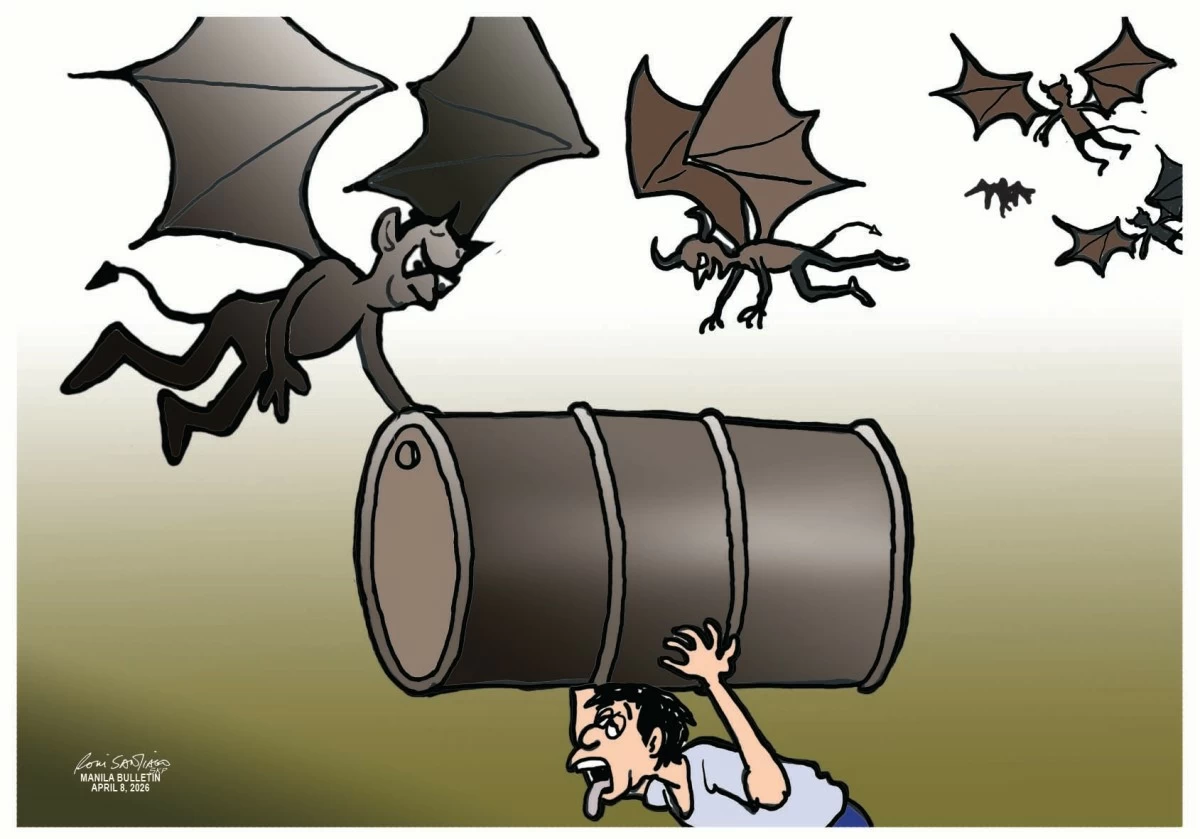
Yet amid this shared hardship, the same disturbing pattern has once again emerged. Scammers and unscrupulous actors are deliberately exploiting public vulnerability. At a time when citizens are struggling to cope, these individuals and groups seek to profit through deception, manipulation, and illegal gain. Their actions are criminal and are an affront to basic decency.
Various forms of fraud have surfaced in response to the current energy crisis. Fake fuel discount promotions circulate on social media, luring consumers into providing personal information or making advance payments. Bogus investment schemes promise quick returns tied to oil markets, preying on those desperate to offset rising expenses. Fraudulent messages, often disguised as government aid announcements, attempt to harvest sensitive data from unsuspecting recipients. Meanwhile, illegal practices such as fuel hoarding, price gouging, and the sale of adulterated fuel further distort supply and exploit public need.
These schemes thrive on urgency and misinformation. They capitalize on fear, encouraging individuals to act hastily without proper verification. In doing so, they deepen the suffering of those already burdened by economic strain. The crisis is severe enough; to be victimized within it is an injustice that must not be tolerated.
The public must exercise heightened vigilance. All claims of fuel discounts, subsidies, or investment opportunities should be verified through official and credible sources. Transactions that require upfront payments, particularly through informal channels, should be treated with caution. Personal and financial information must never be shared without certainty of legitimacy. Suspicious activities should be reported promptly to the appropriate authorities. Awareness and prudence remain the most effective safeguards against deception.
However, the responsibility to address this problem does not rest on citizens alone. Law enforcement agencies must take a firm and uncompromising stance against those who exploit the crisis. A passive or reactive approach is insufficient. What is required is a sustained, coordinated, and highly visible campaign that targets both traditional and digital forms of fraud.
Authorities must intensify monitoring of fuel distribution channels to prevent hoarding and price manipulation. Cybercrime units should actively track and dismantle online scam networks. Regulatory bodies must ensure strict compliance with pricing and quality standards. Equally important is the swift prosecution of offenders. Legal consequences must be clear, decisive, and publicized to deter further violations.
The full force of the law must be applied without hesitation. Exploiting a national or global crisis for personal gain is a serious violation that compounds public suffering. Those found guilty must be held fully accountable.
Periods of crisis test not only economic systems but also societal values. While many respond with solidarity and integrity, others reveal a willingness to take advantage of uncertainty and fear. This divergence underscores the need for both moral clarity and institutional strength.
The current fuel crisis is already a significant burden. It must not be allowed to evolve into a broader environment of exploitation and lawlessness. Scammers must cease their activities immediately, and authorities must ensure that they do. In times of difficulty, the protection of the public must remain paramount, and justice must be unwavering.

Related Tags

Editorial OIL CRISIS fuel crisis Philippines
ADVERTISEMENT
.most-popular .layout-ratio{ padding-bottom: 79.13%; } @media (min-width: 768px) and (max-width: 1024px) { .widget-title { font-size: 15px !important; } }

{{ articles_filter_1561_widget.title }}

.most-popular .layout-ratio{ padding-bottom: 79.13%; } @media (min-width: 768px) and (max-width: 1024px) { .widget-title { font-size: 15px !important; } }

{{ articles_filter_1562_widget.title }}

.most-popular .layout-ratio{ padding-bottom: 79.13%; } @media (min-width: 768px) and (max-width: 1024px) { .widget-title { font-size: 15px !important; } }

{{ articles_filter_1563_widget.title }}

{{ articles_filter_1564_widget.title }}

.mb-article-details { position: relative; } .mb-article-details .article-body-preview, .mb-article-details .article-body-summary{ font-size: 17px; line-height: 30px; font-family: "Libre Caslon Text", serif; color: #000; } .mb-article-details .article-body-preview iframe , .mb-article-details .article-body-summary iframe{ width: 100%; margin: auto; } .read-more-background { background: linear-gradient(180deg, color(display-p3 1.000 1.000 1.000 / 0) 13.75%, color(display-p3 1.000 1.000 1.000 / 0.8) 30.79%, color(display-p3 1.000 1.000 1.000) 72.5%); position: absolute; height: 200px; width: 100%; bottom: 0; display: flex; justify-content: center; align-items: center; padding: 0; } .read-more-background a{ color: #000; } .read-more-btn { padding: 17px 45px; font-family: Inter; font-weight: 700; font-size: 18px; line-height: 16px; text-align: center; vertical-align: middle; border: 1px solid black; background-color: white; } .hidden { display: none; }
function initializeAllSwipers() { // Get all hidden inputs with cms_article_id document.querySelectorAll('[id^="cms_article_id_"]').forEach(function (input) { const cmsArticleId = input.value; const articleSelector = '#article-' + cmsArticleId + ' .body_images'; const swiperElement = document.querySelector(articleSelector); if (swiperElement && !swiperElement.classList.contains('swiper-initialized')) { new Swiper(articleSelector, { loop: true, pagination: false, navigation: { nextEl: '#article-' + cmsArticleId + ' .swiper-button-next', prevEl: '#article-' + cmsArticleId + ' .swiper-button-prev', }, }); } }); } setTimeout(initializeAllSwipers, 3000); const intersectionObserver = new IntersectionObserver( (entries) => { entries.forEach((entry) => { if (entry.isIntersecting) { const newUrl = entry.target.getAttribute("data-url"); if (newUrl) { history.pushState(null, null, newUrl); let article = entry.target; // Extract metadata const author = article.querySelector('.author-section').textContent.replace('By', '').trim(); const section = article.querySelector('.section-info ').textContent.replace(' ', ' '); const title = article.querySelector('.article-title h1').textContent; // Parse URL for Chartbeat path format const parsedUrl = new URL(newUrl, window.location.origin); const cleanUrl = parsedUrl.host + parsedUrl.pathname; // Update Chartbeat configuration if (typeof window._sf_async_config !== 'undefined') { window._sf_async_config.path = cleanUrl; window._sf_async_config.sections = section; window._sf_async_config.authors = author; } // Track virtual page view with Chartbeat if (typeof pSUPERFLY !== 'undefined' && typeof pSUPERFLY.virtualPage === 'function') { try { pSUPERFLY.virtualPage({ path: cleanUrl, title: title, sections: section, authors: author }); } catch (error) { console.error('ping error', error); } } // Optional: Update document title if (title && title !== document.title) { document.title = title; } } } }); }, { threshold: 0.1 } ); function showArticleBody(button) { const article = button.closest("article"); const summary = article.querySelector(".article-body-summary"); const body = article.querySelector(".article-body-preview"); const readMoreSection = article.querySelector(".read-more-background"); // Hide summary and read-more section summary.style.display = "none"; readMoreSection.style.display = "none"; // Show the full article body body.classList.remove("hidden"); } document.addEventListener("DOMContentLoaded", () => { let loadCount = 0; // Track how many times articles are loaded const offset = [1, 2, 3, 4, 5, 6, 7, 8, 9, 10]; // Offset values const currentUrl = window.location.pathname.substring(1); let isLoading = false; // Prevent multiple calls if (!currentUrl) { console.log("Current URL is invalid."); return; } const sentinel = document.getElementById("load-more-sentinel"); if (!sentinel) { console.log("Sentinel element not found."); return; } function isSentinelVisible() { const rect = sentinel.getBoundingClientRect(); return ( rect.top < window.innerHeight && rect.bottom >= 0 ); } function onScroll() { if (isLoading) return; if (isSentinelVisible()) { if (loadCount >= offset.length) { console.log("Maximum load attempts reached."); window.removeEventListener("scroll", onScroll); return; } isLoading = true; const currentOffset = offset[loadCount]; window.loadMoreItems().then(() => { let article = document.querySelector('#widget_1690 > div:nth-last-of-type(2) article'); intersectionObserver.observe(article) loadCount++; }).catch(error => { console.error("Error loading more items:", error); }).finally(() => { isLoading = false; }); } } window.addEventListener("scroll", onScroll); });

Sign up by email to receive news.