







Prices of basic goods stable until end of April—DTI


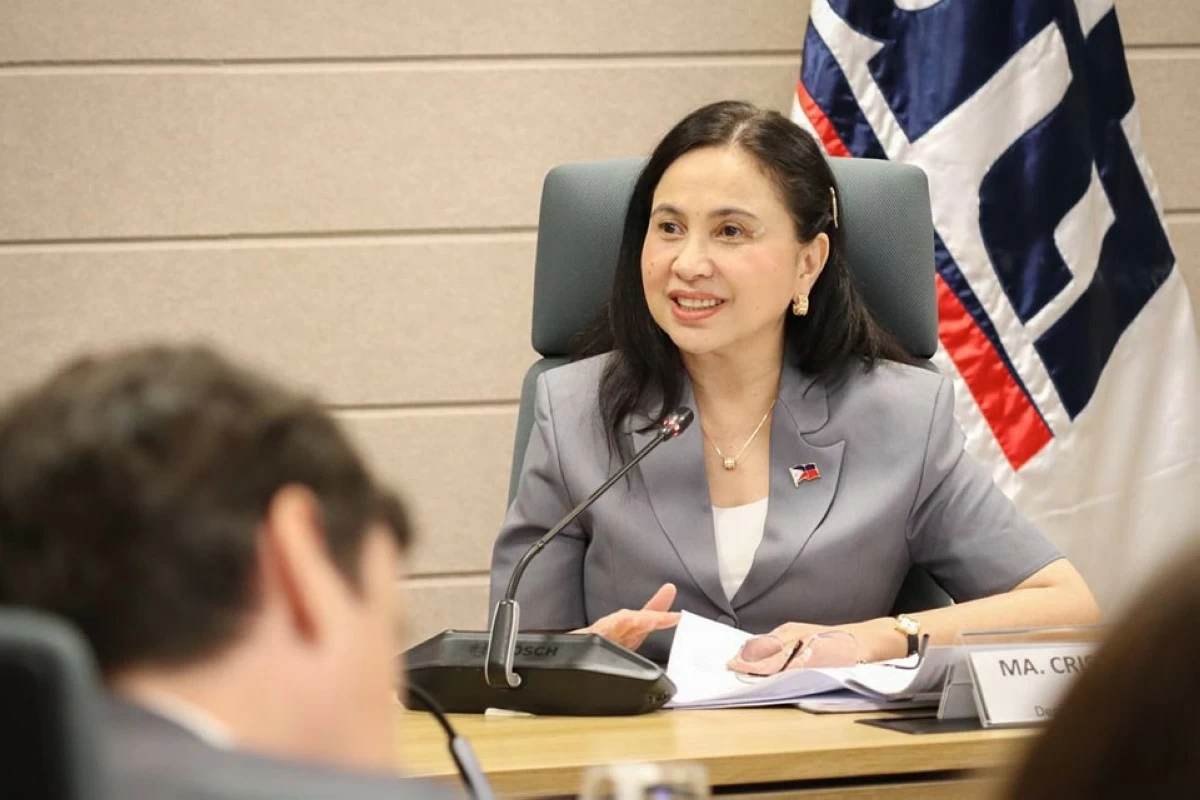
The country’s top manufacturers once again agreed to hold off on price hikes, such that there will be no increases for basic necessities and prime commodities (BNPCs) at least until the end of the month, according to the Department of Trade and Industry (DTI).
At the Kapihan sa Manila Bay forum on Wednesday, April 8, Trade Secretary Cristina Roque said domestic manufacturers agreed to maintain prices of BNPCs in supermarkets and retail stores at their current levels for 15 more days.
The DTI earlier secured the commitment of manufacturers to keep prices of BNPCs stable for 30 days, or until April 16.
These include bread, canned sardines, canned meat, coffee, processed milk, instant noodles, condiments, laundry soap, toilet soap, candles, salt, batteries, and bottled water.
Despite increased operating costs, Roque said local manufacturers remain supportive of the government’s call to keep prices steady as part of efforts to cushion the impact of the Middle East conflict on consumers.
She added that these companies still have sufficient inventories in supermarkets and groceries, shielding them from higher logistics costs.
Last week, Roque indicated that prices of certain BNPCs may increase once the April 16 deadline expires. With the extension to April 30, she said any potential hikes have not yet been considered.
Roque said price adjustments are still clouded by uncertainty given ongoing developments in the Middle East, including the announcement of a two-week ceasefire.
United States (US) President Donald Trump said he will suspend attacks on Iran for two weeks on the condition that Iran reopens the Strait of Hormuz, signaling a potential end to the war.
Disruptions to the Strait of Hormuz, a critical maritime route where 20 percent of global oil passes, have led to escalating fuel prices in recent weeks.
Roque said she will soon meet with manufacturers to determine if this ceasefire, if it holds, would ensure that there will be no need for any price hikes.
She also maintained that supply of BNPCs nationwide remains stable, noting that there is no reason to resort to hoarding or panic-buying.