







Pangilinan bats for transfer of agri, fishery services to DA


At A Glance
- Senator Francis "Kiko" Pangilinan is pushing for swift passage of measures renationalizing agricultural and fisheries extension services and establishing a relevant bureau to strengthen the country's food system amid global disruptions.
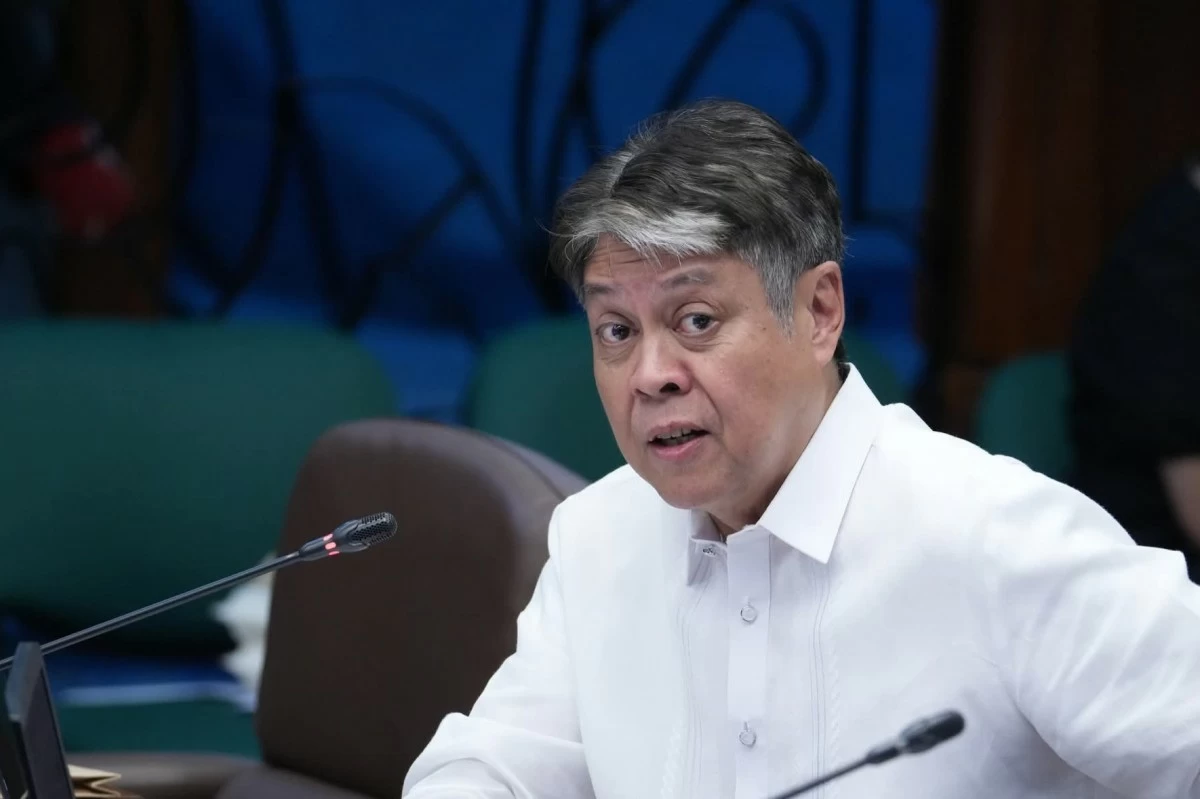
Senator Francis “Kiko” Pangilinan is pushing for swift passage of measures renationalizing agricultural and fisheries extension services and establishing a relevant bureau to strengthen the country’s food system amid global disruptions.
Renationalizing extension services for agricultural and fisheries industries will mean transferring services from the local government units (LGUs) to the Department of Agriculture (DA).
Meanwhile, establishing the Bureau of Agriculture and Fisheries Cooperatives will establish a more coordinated, science-based system for delivering technical assistance, training, and innovation to farmers and fisherfolk.
Pangilinan filed two measures as he stressed the need to institutionalize support for agricultural extension services and farmers’ and fisherfolk’s cooperatives, describing them as critical pillars in improving productivity, empowering local farming and fisheries communities, and ensuring food security.
“If we can unify our extension leadership, empower our frontliners — who in turn, will empower our farmers and fisherfolk — and anchor our work in the realities of climate change and global risks, then we will have done more than pass a law,” he said during a keynote speech on Tuesday, April 7, in General Santos City.
“We will have strengthened the very foundations of our food security in the country,” he added.
Pangilinan exained the significance of his twin measures—the proposed Senate Bill No. 1990, or the Agricultural and Fisheries Cooperatives Act, and Senate Bill No. 1991, or the Agriculture and Fisheries Extension Act—which are both in second reading in the Senate.
Pangilinan, chairman of the Senate Committee on Agriculture, Food, and Agrarian Reform, said the proposed bills will “reform (and) restructure our agriculture and fisheries sector down to the grassroots” to strengthen the weakest link—farmers and fisherfolk—in the country’s food supply chain.
“Kahit anong gawin pa natin sa dami ng istraktura, farm-to-market roads, bilyon-bilyong halaga ng pautang, equipment, cold storage facilities, warehouse, kapag hindi organisado ang ating mga magsasaka at mangingisda, ay paulit-ulit lang ang gastos dahil hindi ma-absorb ng tama at maaapektuhan pa rin ang ating yields (No matter what we do—despite the number of structures, farm-to-market roads, billions in loans, equipment, cold storage facilities, and warehouses—if our farmers and fisherfolk are not organized, the expenses will just keep repeating because they won't be absorbed correctly, and our yields will still be affected),”he said.