







Gov't considers price caps on other agri goods


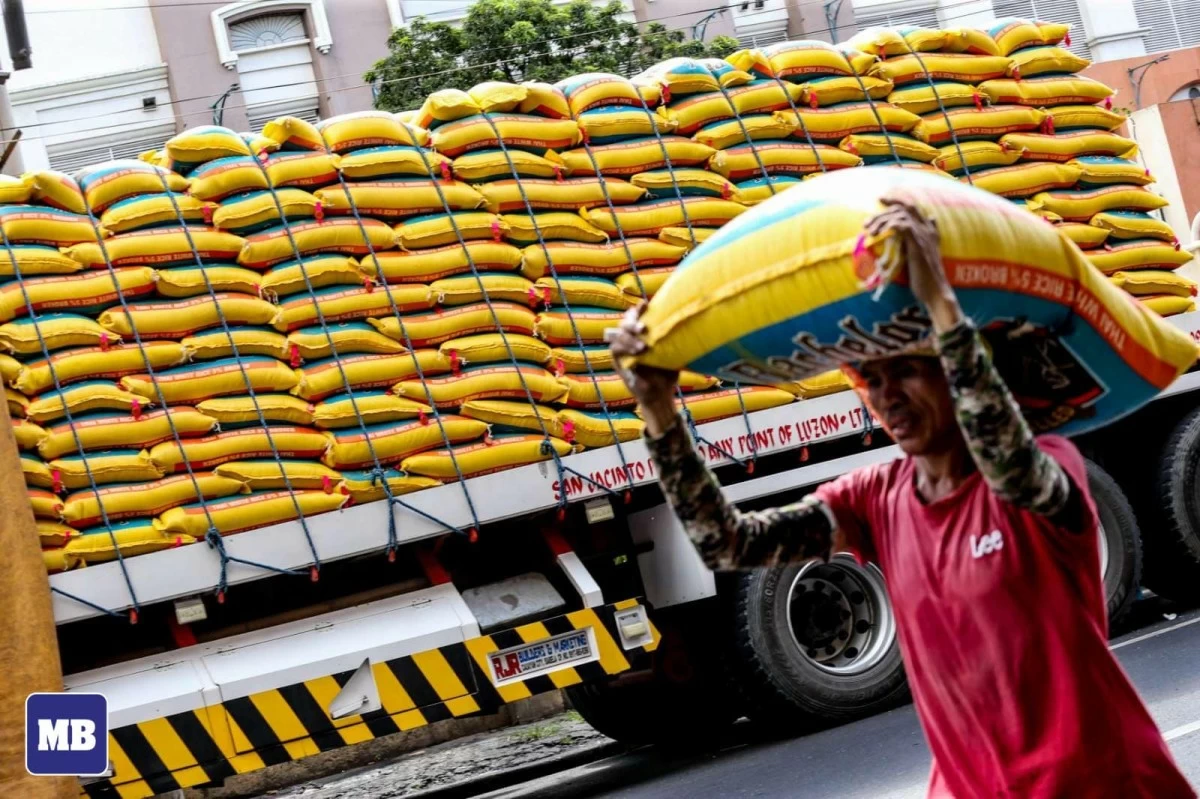
The Department of Agriculture (DA) is considering the imposition of price ceilings on other agricultural commodities aside from imported rice should retail prices exceed reasonable levels.
“If there’s profiteering, yes, we’ll do that,” Agriculture Secretary Francisco Tiu Laurel told reporters on Wednesday, April 8.
He said the DA would only move to implement a price cap on other agricultural products if their retail prices are deemed profiteering—that is, charging excessively high prices.
“For [imported] rice, we can see it. That’s why we need to do the price cap,” said Tiu Laurel.
The DA earlier proposed a ₱50-per-kilo price cap on five-percent broken imported rice to prevent unreasonable price increases.
It was then adopted by the interagency National Price Coordinating Council (NPCC) and endorsed to President Ferdinand “Bongbong” Marcos Jr. for the issuance of the corresponding executive order (EO).
Tiu Laurel said the proposed policy is still under review, having recently returned the final draft to the Department of Trade and Industry (DTI), which chairs the NPCC.
“It has been returned to the DTI and other secretaries have to sign off on it. [DTI] Secretary [Cristina] Roque said she will process it and transmit it to Malacañang, the latest on Monday,” he said.
The target date for the policy’s implementation is before the end of the month.
Tiu Laurel said there is urgency within the government to implement the price cap as soon as possible to keep prices of the household staple in check, especially amid reports that imported rice now fetches between ₱60 and ₱65 per kilo.
Such retail prices are considered profiteering, as they exploit the current rise in fuel prices, which is driving up logistics costs.
The latest data from the Bureau of Plant Industry (BPI) showed that an estimated 1.26 million MT of milled rice had arrived in the country by the end of March.
The total import volume for the first quarter is nearly 37 percent higher than the 917,854 MT recorded in the same period last year.
Meanwhile, Tiu Laurel said it would still not be appropriate to apply a price ceiling on locally produced rice, as the harvest season is still ongoing.
“Since there are a lot of harvests, the tendency is it will lower the price of local rice,” he added.