ADVERTISEMENT

PH foreign policy amid Mid-East crisis: Strategies on non-alignment, prudence

Published Apr 7, 2026 12:05 am  |  Updated Apr 6, 2026 05:05 pm
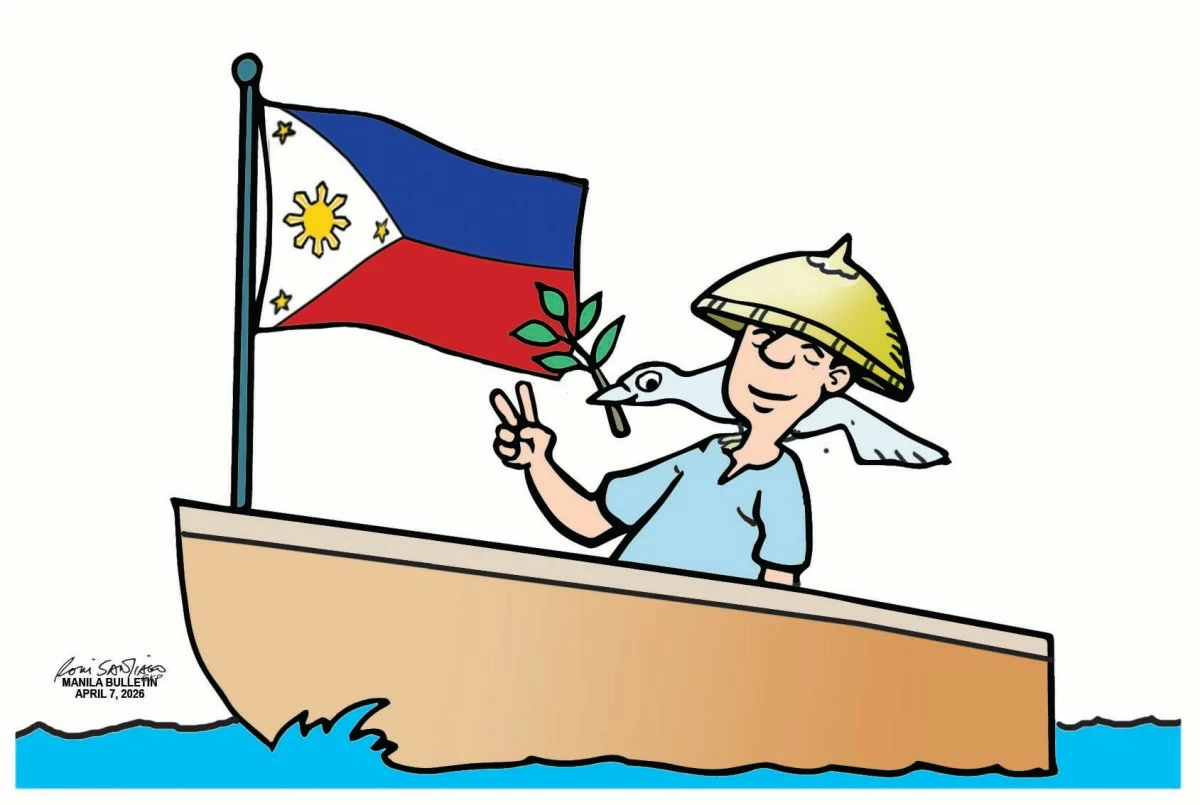
Amid intensifying conflict in the Middle East, the Philippines has taken a calibrated diplomatic step: appealing to Iran to regard the country as a non-hostile nation. This is not a mere tactical move born of immediate necessity; it is a reaffirmation of a long-standing foreign policy tradition that is anchored on prudence, non-alignment, and multilateral engagement.
Recent pronouncements by the Department of Foreign Affairs (DFA) underscore this posture. Philippine officials have emphasized that the country maintains “good relations” with Iran and has sought to clearly communicate that security arrangements such as Enhanced Defense Cooperation Agreement (EDCA) sites remain under Philippine control, not instruments of aggression against any state. Parallel diplomatic efforts have also included appeals for safe passage of Philippine vessels and the protection of national interests amid volatile shipping routes. These actions reflect a deliberate attempt to insulate the Philippines from being drawn into great power conflicts beyond its shores.
At its core, this approach reflects the Philippines’ enduring commitment to a policy of non-alignment. While the country maintains strategic alliances—notably with the United States—it has consistently sought to avoid entanglement in conflicts that do not directly serve its national interest. This balancing act is neither new nor accidental. It echoes the spirit of independent foreign policy enshrined in the Constitution: to be “a friend to all and enemy to none.”
This posture finds resonance within the broader framework of ASEAN centrality and solidarity. As tensions escalated following recent strikes involving Iran, ASEAN foreign ministers collectively called for an immediate cessation of hostilities and emphasized diplomacy as the primary path forward. The Philippines, as an active ASEAN member, aligns itself with this consensus, recognizing that regional stability is best preserved through dialogue, restraint, and cooperation.
Indeed, ASEAN’s response highlights an important dimension of Philippine foreign policy: the strength of regionalism. In times of crisis, Southeast Asian nations have demonstrated a capacity for mutual support, whether through coordinated evacuations or joint diplomatic statements. This “ASEAN way” reinforces the Philippines’ strategic preference for multilateral solutions over unilateral or confrontational approaches.
Yet, the evolving global landscape presents increasingly complex challenges. The Philippines today must navigate overlapping pressures: geopolitical rivalry among major powers, economic vulnerabilities linked to energy dependence, and the imperative to protect millions of Filipinos working overseas. The government’s immediate priority—ensuring the safety of Filipinos in conflict zones—has been clearly articulated, with directives to implement contingency plans and provide assistance where needed. At the same time, it continues to call for de-escalation and peaceful resolution of conflicts.
This dual approach—protecting national interests while advocating for peace—illustrates an adaptive foreign policy. It is neither passive neutrality nor rigid alignment, but a dynamic balancing act responsive to shifting realities. The Philippines engages allies where necessary, asserts sovereignty where required, and builds bridges wherever possible.
In a fast-evolving world, this pragmatism is both a strength and a necessity. The appeal to Iran to view the Philippines as a non-hostile nation is emblematic of a broader strategy: to remain engaged but not entangled, principled yet flexible, and firmly anchored in multilateral cooperation.
Ultimately, the test of Philippine foreign policy lies in its ability to safeguard national interests without sacrificing its commitment to peace and international law. In an era of uncertainty, the country’s steady adherence to non-alignment, ASEAN centrality, and diplomatic engagement offers a credible path forward — one that seeks not only to weather global storms, but to help calm them.
ADVERTISEMENT
.most-popular .layout-ratio{ padding-bottom: 79.13%; } @media (min-width: 768px) and (max-width: 1024px) { .widget-title { font-size: 15px !important; } }

{{ articles_filter_1561_widget.title }}

.most-popular .layout-ratio{ padding-bottom: 79.13%; } @media (min-width: 768px) and (max-width: 1024px) { .widget-title { font-size: 15px !important; } }

{{ articles_filter_1562_widget.title }}

.most-popular .layout-ratio{ padding-bottom: 79.13%; } @media (min-width: 768px) and (max-width: 1024px) { .widget-title { font-size: 15px !important; } }

{{ articles_filter_1563_widget.title }}

{{ articles_filter_1564_widget.title }}

.mb-article-details { position: relative; } .mb-article-details .article-body-preview, .mb-article-details .article-body-summary{ font-size: 17px; line-height: 30px; font-family: "Libre Caslon Text", serif; color: #000; } .mb-article-details .article-body-preview iframe , .mb-article-details .article-body-summary iframe{ width: 100%; margin: auto; } .read-more-background { background: linear-gradient(180deg, color(display-p3 1.000 1.000 1.000 / 0) 13.75%, color(display-p3 1.000 1.000 1.000 / 0.8) 30.79%, color(display-p3 1.000 1.000 1.000) 72.5%); position: absolute; height: 200px; width: 100%; bottom: 0; display: flex; justify-content: center; align-items: center; padding: 0; } .read-more-background a{ color: #000; } .read-more-btn { padding: 17px 45px; font-family: Inter; font-weight: 700; font-size: 18px; line-height: 16px; text-align: center; vertical-align: middle; border: 1px solid black; background-color: white; } .hidden { display: none; }
function initializeAllSwipers() { // Get all hidden inputs with cms_article_id document.querySelectorAll('[id^="cms_article_id_"]').forEach(function (input) { const cmsArticleId = input.value; const articleSelector = '#article-' + cmsArticleId + ' .body_images'; const swiperElement = document.querySelector(articleSelector); if (swiperElement && !swiperElement.classList.contains('swiper-initialized')) { new Swiper(articleSelector, { loop: true, pagination: false, navigation: { nextEl: '#article-' + cmsArticleId + ' .swiper-button-next', prevEl: '#article-' + cmsArticleId + ' .swiper-button-prev', }, }); } }); } setTimeout(initializeAllSwipers, 3000); const intersectionObserver = new IntersectionObserver( (entries) => { entries.forEach((entry) => { if (entry.isIntersecting) { const newUrl = entry.target.getAttribute("data-url"); if (newUrl) { history.pushState(null, null, newUrl); let article = entry.target; // Extract metadata const author = article.querySelector('.author-section').textContent.replace('By', '').trim(); const section = article.querySelector('.section-info ').textContent.replace(' ', ' '); const title = article.querySelector('.article-title h1').textContent; // Parse URL for Chartbeat path format const parsedUrl = new URL(newUrl, window.location.origin); const cleanUrl = parsedUrl.host + parsedUrl.pathname; // Update Chartbeat configuration if (typeof window._sf_async_config !== 'undefined') { window._sf_async_config.path = cleanUrl; window._sf_async_config.sections = section; window._sf_async_config.authors = author; } // Track virtual page view with Chartbeat if (typeof pSUPERFLY !== 'undefined' && typeof pSUPERFLY.virtualPage === 'function') { try { pSUPERFLY.virtualPage({ path: cleanUrl, title: title, sections: section, authors: author }); } catch (error) { console.error('ping error', error); } } // Optional: Update document title if (title && title !== document.title) { document.title = title; } } } }); }, { threshold: 0.1 } ); function showArticleBody(button) { const article = button.closest("article"); const summary = article.querySelector(".article-body-summary"); const body = article.querySelector(".article-body-preview"); const readMoreSection = article.querySelector(".read-more-background"); // Hide summary and read-more section summary.style.display = "none"; readMoreSection.style.display = "none"; // Show the full article body body.classList.remove("hidden"); } document.addEventListener("DOMContentLoaded", () => { let loadCount = 0; // Track how many times articles are loaded const offset = [1, 2, 3, 4, 5, 6, 7, 8, 9, 10]; // Offset values const currentUrl = window.location.pathname.substring(1); let isLoading = false; // Prevent multiple calls if (!currentUrl) { console.log("Current URL is invalid."); return; } const sentinel = document.getElementById("load-more-sentinel"); if (!sentinel) { console.log("Sentinel element not found."); return; } function isSentinelVisible() { const rect = sentinel.getBoundingClientRect(); return ( rect.top < window.innerHeight && rect.bottom >= 0 ); } function onScroll() { if (isLoading) return; if (isSentinelVisible()) { if (loadCount >= offset.length) { console.log("Maximum load attempts reached."); window.removeEventListener("scroll", onScroll); return; } isLoading = true; const currentOffset = offset[loadCount]; window.loadMoreItems().then(() => { let article = document.querySelector('#widget_1690 > div:nth-last-of-type(2) article'); intersectionObserver.observe(article) loadCount++; }).catch(error => { console.error("Error loading more items:", error); }).finally(() => { isLoading = false; }); } } window.addEventListener("scroll", onScroll); });

Sign up by email to receive news.