







DSWD-12, Cotabato ink tutoring program agreement
Published Apr 7, 2026 01:58 pm


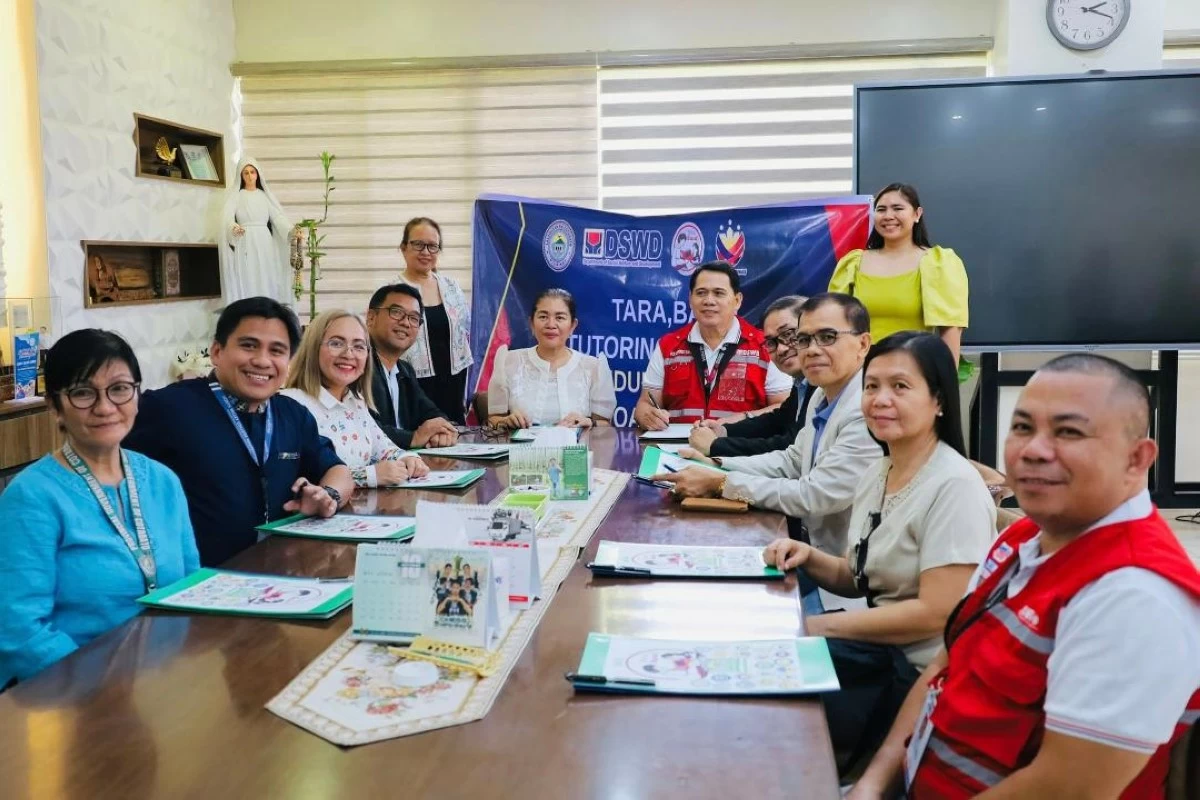
MENDOZA and Cabaya during the MOA signing on April 6. (DSWD-12)
DAVAO CITY – The Department of Social Welfare and Development-Region 12 has signed a memorandum of agreement with the provincial government of Cotabato for the implementation of the Tara, Basa! tutoring program this year.
The MOA was signed by DSWD-12 Director Loreto Cabaya Jr. and Gov. Emmylou Taliño-Mendoza to promote literacy and community development among tutors, Youth Development Workers (YDW), parents, and learners.
A total of 7,580 individuals are expected to benefit from the program in the province.
The DSWD is targeting at least 130,000 beneficiaries nationwide who will participate in cash-for-work (CFW), cash-for-training, and parenting and learning sessions facilitated by youth beneficiaries.
“The initiative aims to improve the reading skills of elementary learners while providing meaningful opportunities for the youth to serve as partners in nation-building,” Cabaya said.
Mendoza urged support from participating Higher Education Institutions (HEIs) to ensure the smooth implementation of the program.
Six representatives from HEIs participating in the program witnessed the signing.
Among the participating institutions is the Cotabato Foundation College of Science and Technology (CFCST).
The CFCST reaffirmed their commitment to the program to address literacy challenges among young learners in the province.
"As one of the program’s partner institutions, CFCST will mobilize student tutors who will help improve the reading proficiency of identified beneficiaries," CFCST said.
The other participants are Southern Christian College, Notre Dame of Midsayap College, Southern Baptist College, Central Mindanao Colleges, and North Valley College Foundation Inc.
The program will begin on May 4 and will benefit 3,257 incoming Grade 2 pupils identified as struggling readers.
Over a 20-day period, learners will receive focused tutoring sessions facilitated by trained college students from participating institutions. Tutors will receive P500 compensation funded by the DSWD based on the regional minimum wage.
The DSWD said the program is one of the agency's key initiatives that addresses learning gaps and socio-economic needs by promoting literacy and providing short-term employment opportunities for the youth.
It added that the program is a developmental and community-based social protection that aids low-income families and college students while empowering them to be involved in nation-building as tutors and youth development workers through cash-for-work.