







DOE warns: Oil prices won't fall soon


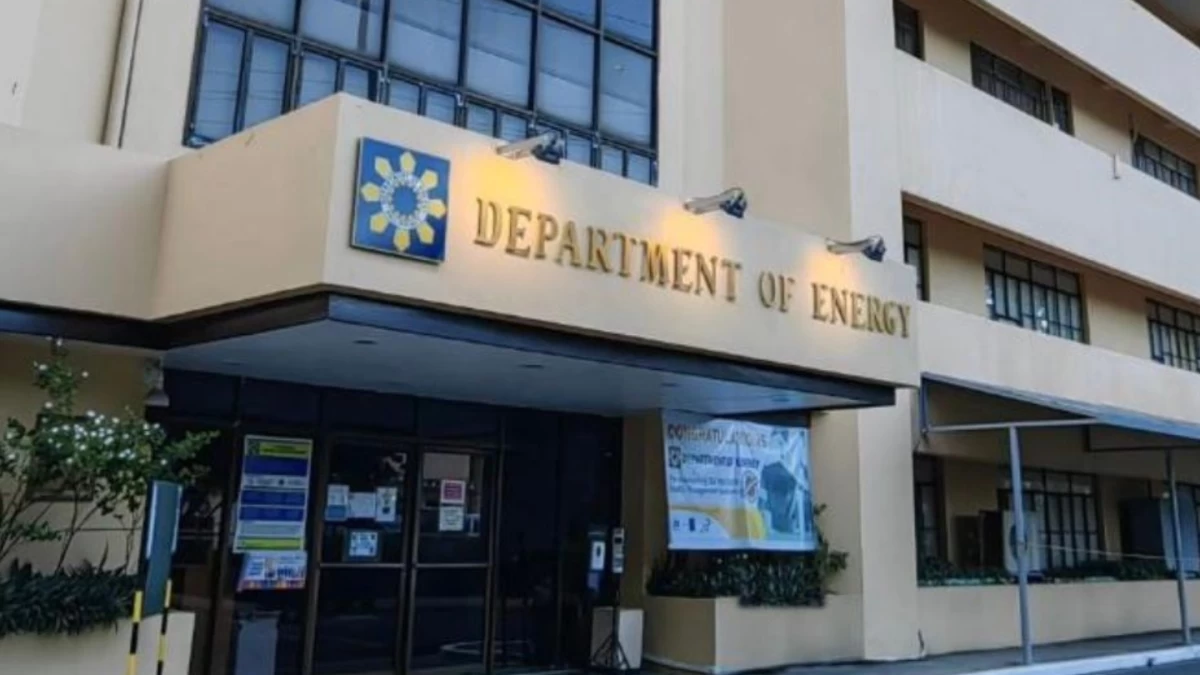
Even if the war in the Middle East de-escalates, the Department of Energy (DOE) has been hit with a cold, hard truth for motorists: oil prices would remain elevated and may ease at a slower pace compared to their quick rise.
Energy Secretary Sharon Garin emphasized during a media briefing on Tuesday, April 7, that fuel prices will not return to pre-conflict levels anytime soon, as permanent damage to energy infrastructure has deeply wounded the global oil market.
Echoing the statement of former DOE chief Jericho Petilla, Garin said the now four-week conflict continues to affect supply and prices.
“Let’s say [the] Strait of Hormuz is cleared and all the thousands or hundreds of vessels through it deliver where they should deliver, there’s no assurance also of the availability of the supply from the Middle East because most of the structures have been destroyed by the wars that are going on,” she stressed.
“It will take months or even years. In fact, years for energy to construct or to rehabilitate all these structures that are part of the Philippine oil industry, because that’s where we get [our supply] and the rest of the world.”
Garin further emphasized that fuel prices have rapidly increased by more than 100 percent in just a month, noting that this is the fastest and highest increase of oil prices.
“For now, 80 percent of the world supply is the one that’s left. And 20 percent we’ll have to see after the war how this could be recovered. So there is a structural change in the oil industry... I would go along with the point of former secretary Petilla, because if it ever goes down, it will take longer; it will not be one month.”
Although this week’s pump price adjustments vary by retailer, Shell Pilipinas increased this week’s diesel by ₱19.80 per liter, gasoline by ₱5.90, and kerosene by ₱9.10. Petron Corp. implemented similar hikes, though its prices remain ₱1 lower than Shell’s.
The DOE noted that the country has about 50.42 days’ worth of available supply as of April 3. Gasoline stock has about 57.58 days, diesel has 47.26 days, while kerosene, which is among the few that has seen the largest price increments, now has 106.22 days of supply.
In terms of additional supply, the DOE expects 300,000 barrels of diesel delivery from Malaysia and Singapore by Friday, April 10. This procurement is part of the government’s plans to procure 900,000 barrels this month.
The next shipment will come from Russia and India sometime in the middle of the month, while the final shipment for April will come from Oman and Singapore.
Liquefied petroleum gas (LPG), on the other hand, has the lowest supply at 33.1 days’ worth.
Likewise, cooking gas has substantially increased in price this month, as the prevailing dealer’s pick-up price has a range of ₱187 to ₱402. This would reflect an estimated retail price of between ₱1,141 and ₱1,630 for an 11-kilogram (kg) tank.