






 Philippines
National
'Do we have funds for Bayanihan 3?': Erwin Tulfo quizzes gov't agencies' aid options amid oil crisis
Philippines
National
'Do we have funds for Bayanihan 3?': Erwin Tulfo quizzes gov't agencies' aid options amid oil crisis
'Do we have funds for Bayanihan 3?': Erwin Tulfo quizzes gov't agencies' aid options amid oil crisis


At A Glance
- Senator Erwin Tulfo on Tuesday, April 7 urged department agencies to look into the feasibility of Congress' passing a proposed "Bayanihan 3" law despite the current fiscal state of the government.
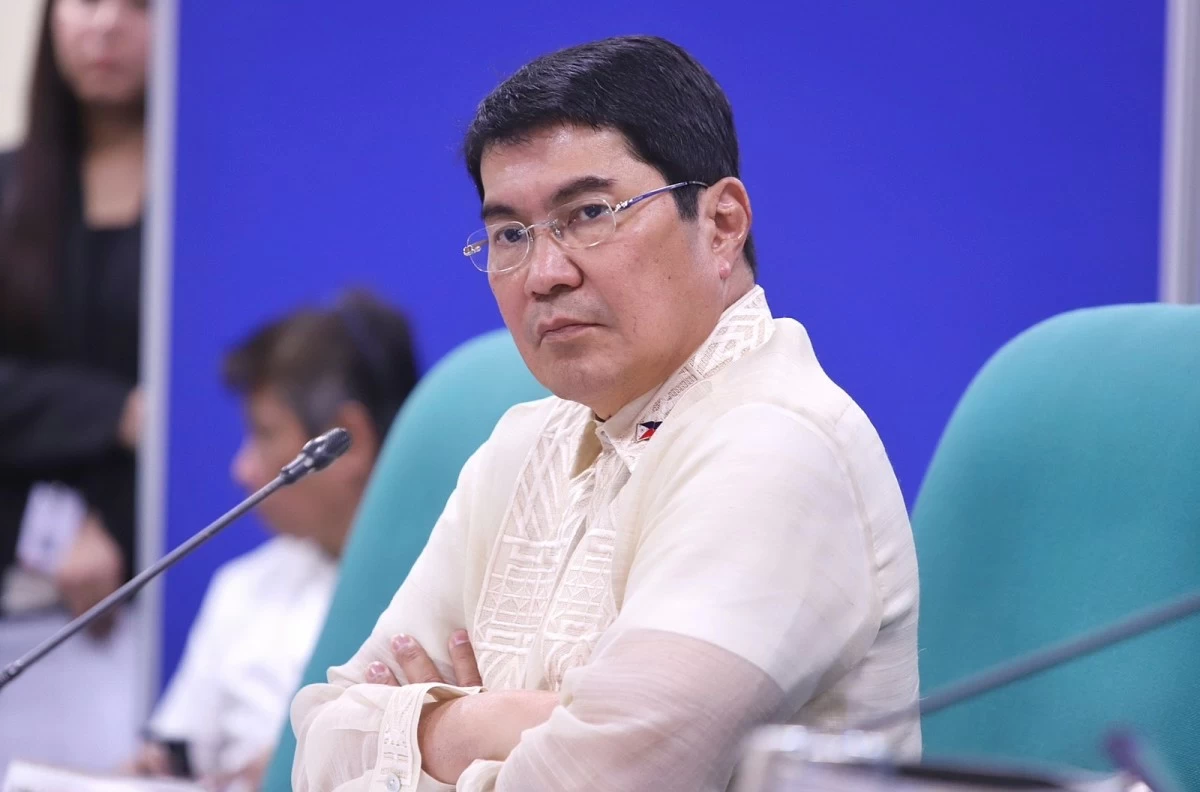
Senator Erwin Tulfo on Tuesday, April 7 urged department agencies to look into the feasibility of Congress’ passing a proposed “Bayanihan 3” law despite the current fiscal state of the government.
Tulfo made the call during a Senate hearing on the proposed amendments to the Pantawid Pamilyang Pilipino Program (4Ps) Act, livelihood programs and the available funds for crisis response amid the Middle East conflict.
“Some lawmakers are suggesting to trigger or to start studying the implementation of Bayanihan 3. The question now, it sounds good on paper, but do we have enough funds for this Bayanihan Act like what we did during the pandemic?” said Tulfo, who heads the Senate Committee on Social Justice, Welfare and Rural Development.
“Do we have enough funds? Because we did not anticipate this crisis…If this crisis will last for another month or two, can we sustain it?” he pointed out.
Tulfo said it is imperative that government agencies ensure that government aid will cover not only those in the poorest sectors but also the minimum wage earners.
“Apektado po ang lahat at di kakayanin ang kinikita, yung mga pension ng mga seniors, mga PWDs (Everyone is affected, and their earnings are not enough, even the pension of the senior citizens, persons with disability),” he pointed out.
During the hearing, discussions delved into the institutionalization of the Department of Social Welfare and Development’s (DSWD) Sustainable Livelihood Program (SLP) and reviewed the readiness of the DSWD, the Department of Labor and Employment (DOLE), Department of Agriculture (DA), and Department of Trade and Industry (DTI) in funding the TUPAD or Tulong Panghanapbuhay sa Ating Disadvantaged/Displaced Workers (TUPAD) program, and fuel subsidy programs amid escalating prices.
Tulfo pointed out continuous financial aid may not be sustainable. He also said it is imperative to provide assistance not only to farmers, fisherfolk 4Ps beneficiaries but also to other workers such as cashiers, janitors and security guards.
“4Ps should not only provide immediate relief but also serve as a bridge to long-term development, while livelihood programs must equip beneficiaries to become self-reliant,” he said.
During the hearing, DSWD Undersecretary Aliah Dimaporo said the agency is acting on the crisis, “and we are acting as fast as we can to deliver the instructions of the President.”
“And our focus is on the fuel prices, so ito yung mga (these are the) transport groups. With regard to its effect on our other programs…we are still learning. We are in the process of discussing and seeing how this will affect long term,” Dimaporo said.
Dimaporo, however, acknowledged that the agencies’ regular programs, like the AICS, are just mere stop gap measure that affects the other programs.
“Kapag six months to 12 months, that risks the sustainability of these programs in question. It would risk dependency over these types of stop gap measures,” the official pointed out.
DOLE Assistant Secretary Adeline De Castro, on the other hand, said that the department has allocated P1.2-billion to utilize as financial assistance.
“Primarily, we’ll be drawing our funds from our two major social protection flagship programs and this is the TUPAD and the livelihood programs,” De Castro said.
“Apart from the transport sector, yung pondo po will really be allocated for all the vulnerable workers that will be affected by the crisis,” the official said.
Job fairs would also be organized by the DOLE for the returning overseas Filipino workers (OFWs) that would be needing reintegration services.
She said the DOLE has tapped the assistance of the Department of Migrant Workers (DMW) in profiling returning OFWs with respect to the assistance they are needing.
“We have been in constant coordination with our regional offices for the mobilization of our different programs,” she said.
Meanwhile, the Department of Budget and Management (DBM) assured the Senate panel that state economic managers are well aware of the ongoing crisis in the Middle East.
“But we are closely coordinating to ensure that there will be funds available for all the programs and projects that would be needed for the purpose,” DBM Director for Budget Information Legislative Service Trisha Baraan said.