







Davao City bizmen warn of severe economic slowdown
Published Apr 7, 2026 02:18 pm


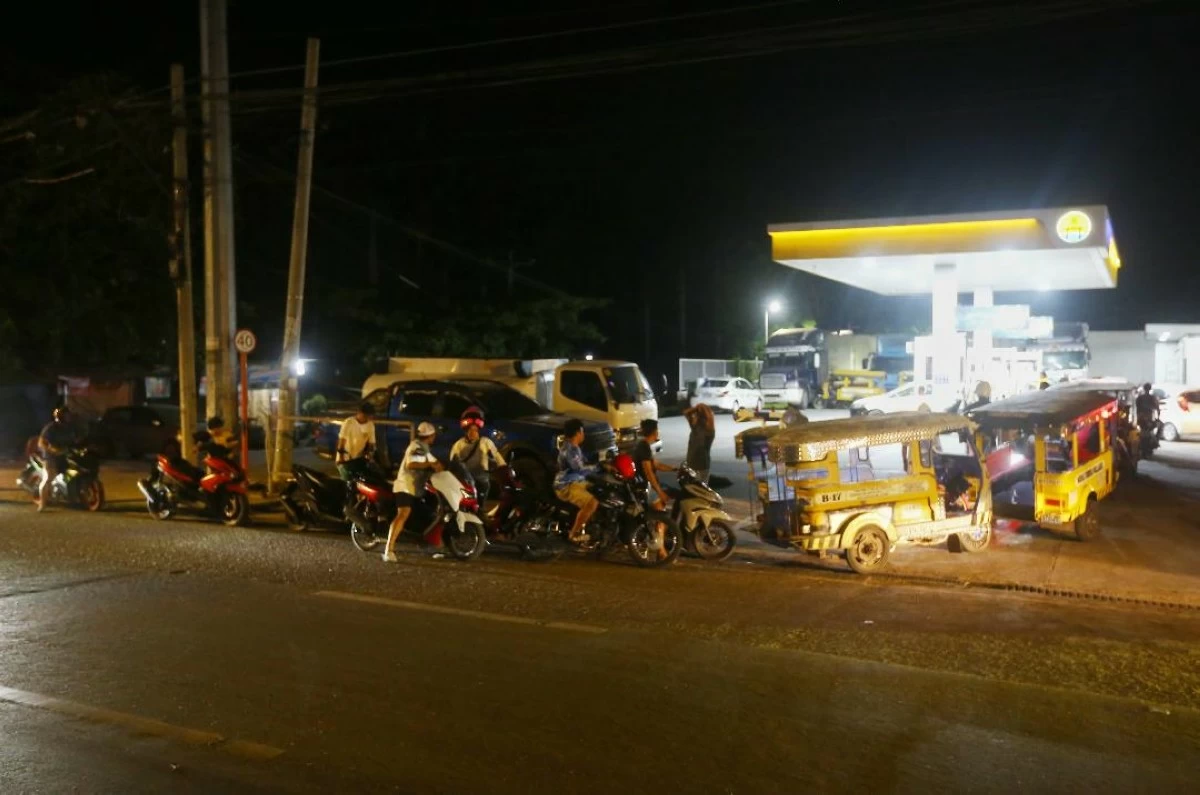
MOTORISTS refuel in a gas station in Davao City on Monday night before another bigtime fuel price hike on Tuesday morning. (Keith Bacongco)
DAVAO CITY – A business group here has warned of a potentially severe economic slowdown if government interventions are not immediately undertaken to ease the impact of steep fuel hikes.
In a statement, the Davao City Chamber of Commerce and Industry (DCCCII) said that it is wary of the direct impact of skyrocketing fuel prices on business costs, pricing, and economic stability.
According to DCCCII, their recent findings on Member Pulse Survey revealed that nearly one-third reported high impact, with operating costs increasing by as much as 21 percent to over 40 percent for a substantial number of businesses.
“While the government has taken measures to ease the impact, alarmingly, the prevailing outlook among respondents points to continued price increases on the ground despite government restrictions, prolonged volatility, and a potentially severe economic slowdown if immediate interventions are not undertaken,” the business group emphasized.
The DCCCII urged the government to implement immediate relief measures such as temporary fuel tax relief and expanded fuel subsidies for public transport, trucking, and delivery services.
It should also include vital sectors such as agriculture, fisheries, and micro, small, and medium enterprises (MSMEs) for at least the next three months, the group added.
To stabilize fuel prices, DCCCII recommended the creation of a Davao Fuel and Energy Task Force.
“With its authority, a small task force (city government, Department of Energy, business, and transport) should monitor fuel prices in Davao to prevent overpricing, give the public clear weekly guidance, and quickly implement local traffic and logistics measures that reduce fuel wastage and protect commuters and businesses,” DCCCII said.
The business group also recommended fuel-saving and alternative energy investments. “Provide tax incentives and simplified permits for businesses investing in solar energy, fuel-efficient vehicles, and other cost-saving technologies, especially for MSMEs.”
Aside from immediate relief, the business group urged the reduction of unnecessary fuel consumption by improving port operations, traffic management, road efficiency, and freight movement within and around the city.
“Create a stronger public-private coordination mechanism, establish a regular fuel and energy coordination platform in Davao City involving government agencies, business groups, transport representatives, and consumer sectors to monitor developments and recommend timely action.”