






 Business
The Economy
BSP warns prolonged oil shock could deanchor inflation expectations
Business
The Economy
BSP warns prolonged oil shock could deanchor inflation expectations
BSP warns prolonged oil shock could deanchor inflation expectations
March inflation clears path for April rate hike—HSBC
By Derco Rosal


At A Glance
- With March inflation exceeding the Bangko Sentral ng Pilipinas (BSP)'s forecast, largely due to spillover from the global oil price shock, the central bank warned that a prolonged shock could seep into the broader consumer basket.
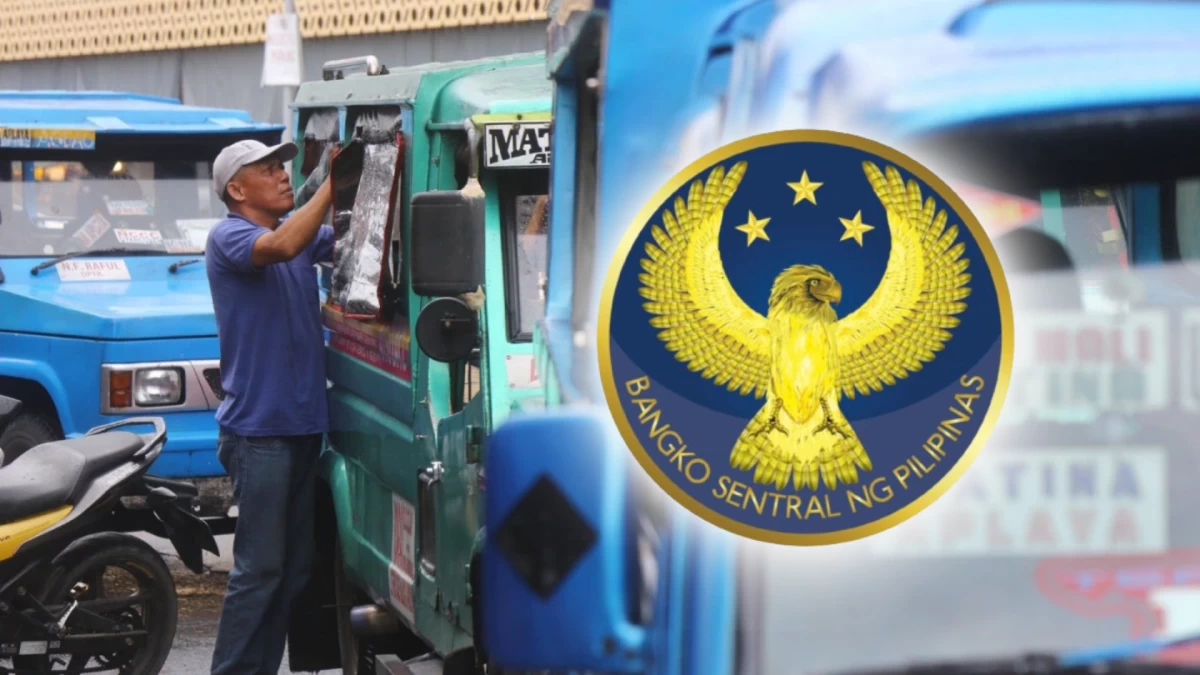
With March inflation exceeding the Bangko Sentral ng Pilipinas’ (BSP) forecast, largely due to spillover from global oil price and supply shocks, the central bank warned that a prolonged crisis could seep into the broader consumer basket.
This could dampen expectations of a near-term return to normal inflation levels. The BSP said in an April 7 statement that inflation risks have shifted to the upside due to the escalating war between the United States (US) and Iran.
“A sharp and prolonged oil price shock could trigger spillover effects with the potential broadening of price pressures to the rest of the consumer price index (CPI) basket. This could also disanchor inflation expectations and generate further second-order impact,” the BSP said.
Inflation in March breached the BSP inflation target ceiling of four percent, hitting 4.1 percent—the fastest price movement in nearly two years. This was driven by escalating hostilities in the Middle East, which triggered global oil prices to skyrocket.
Note that the March print was worse than the central bank’s assumption of up to 3.9 percent. The BSP was expecting inflation to remain within a range manageable and supportive of economic growth.
March inflation was “largely driven by higher transport-related costs following the sharp increase in domestic fuel prices, alongside higher prices of key food items, particularly rice,” the BSP said.
Last month’s inflation pickup was mainly driven by a 27.3-percent surge in gasoline prices and a 59.5-percent increase in diesel, reversing February’s slight annual price declines for these commodities.
Higher oil prices pushed transport inflation to 9.9 percent, accounting for more than half of the price increases observed during the month, according to the Philippine Statistics Authority (PSA).
“Mounting risks to the inflation outlook require sustained vigilance,” the BSP said, adding that it will conduct a careful review of incoming data at its upcoming policy meeting on April 23. This is expected to help determine the necessary response to keep a lid on consumer prices, which has been the BSP’s constant refrain when inflation risks heighten.
Meanwhile, a private-sector economist said the national government (NG) should not panic, as the first quarter’s supply-driven inflation remains within the tolerance band.
Reyes Tacandong & Co. senior adviser Jonathan Ravelas said the surge in consumer prices in March suggests inflation will not ease smoothly. Ravelas, however, said the three-month inflation rate, at 2.8 percent, remains “manageable.”
“For policy, this likely means the BSP stays cautious—rate cuts are off the table for now, but there’s no need to panic. The real focus should be on lowering food, fuel, and power costs, because that’s where inflation risks are now coming from,” Ravelas said.
Late last month, the policy-setting Monetary Board (MB) held a rare off-cycle meeting to respond to the wild swings in the data that the BSP monitors. However, the MB opted to keep the current 4.25-percent benchmark rate unchanged on the back of well-anchored inflation expectations.
Rather than a shift in demand, Ravelas explained that March inflation was “a cost-push shock, led by transport, food, utilities, and the turnaround in rice prices.”
China Banking Corp. (Chinabank) and Metropolitan Bank & Trust Co. (Metrobank) warned that March inflation has begun rippling through private demand, as faster price increases in oil products could likely be felt sooner, particularly in food and transport.
“At the same time, early signs of demand softening are emerging,” Chinabank chief economist Domini Velasquez said, citing realities on the ground displaying thinner vehicle traffic “along major thoroughfares, suggesting consumers are adjusting mobility and discretionary spending in response to higher fuel costs.”
“Policy and private-sector initiatives to expand work-from-home (WFH) arrangements are likely to reinforce this trend, dampening transport demand and, more broadly, consumption,” Velasquez added.
Metrobank chief economist Nicholas Antonio T. Mapa said that, after slumping in 2025, the domestic economy faces a tough road to recovery due to the impact of surging oil prices. Output growth stood at 4.4 percent last year, far below its six-percent potential and the government’s minimum goal of 5.5 percent.
“Oil price spike is definitely complicating recovery, with surging prices causing demand to cut back. This demand destruction can be expected as households struggle to adjust to the rapid increase in costs, choosing to cut back on spending and likely focusing on basic goods,” Mapa said.
British banking giant HSBC said the BSP could eventually raise interest rates this month to combat soaring prices and stabilize the peso, which has been absorbing the energy shocks since the flare-up of the Middle East war.
According to Aris Dacanay, HSBC senior economist for the Association of Southeast Asian Nations (ASEAN), this assumption is supported by March’s above-target inflation rate.
“With inflation breaching the BSP’s inflation forecasts, March CPI supports our view that the BSP will likely hike its policy rate by 25 basis points (bps) to 4.5 percent during its April 2026 MB meeting,” Dacanay said.