







Should we be worried about Covid-19 all over again?
Here's what we know about the latest variant
Published Apr 6, 2026 10:03 pm


At A Glance
- What do we know about BA.3.2? There is no evidence that it causes more severe disease than other Covid-19 variants.

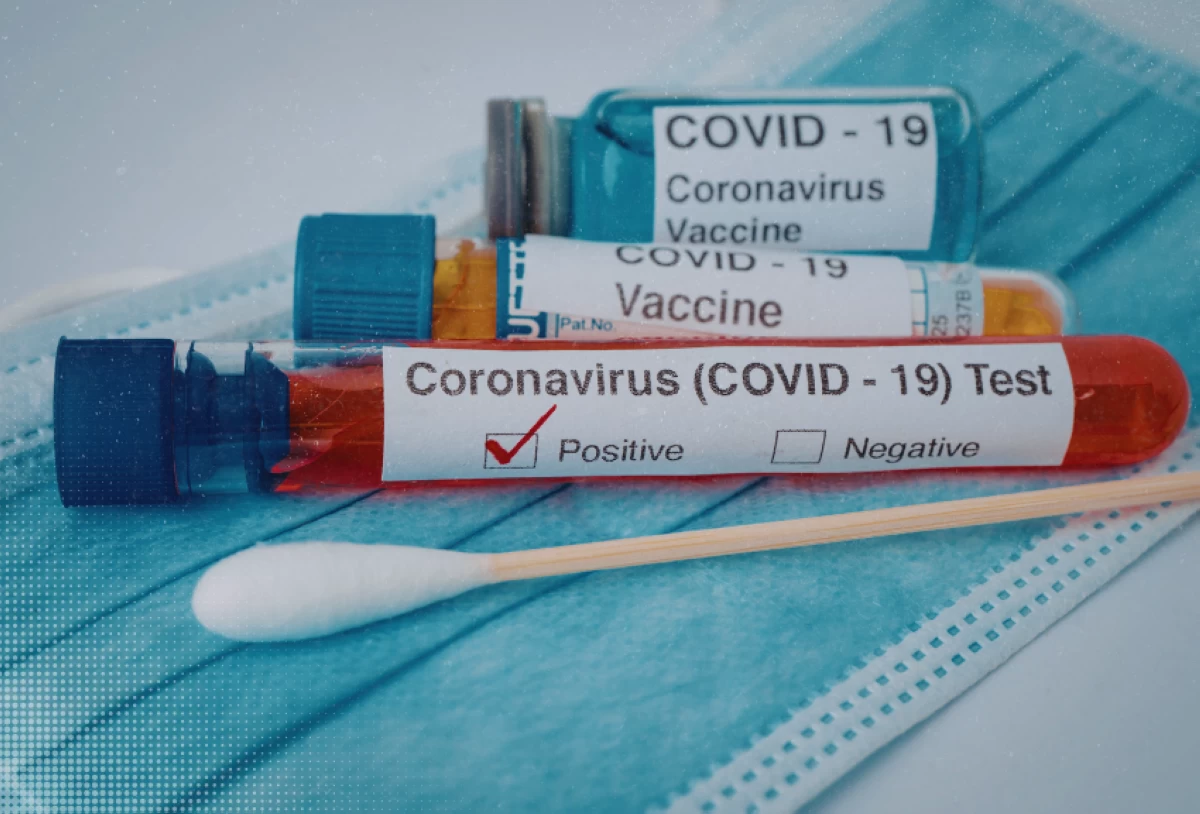
It seems that every time we start to relax, a new Covid-19 variant surfaces. Covid-19 fatigue is real, and many people just aren’t paying attention anymore. The latest SARS-CoV-2 variant to make headlines is, surprisingly, not all that new. BA.3.2, an Omicron subvariant, was first detected in 2024 and has been slowly spreading through the US. In Europe, some countries are seeing as many as one-third of new Covid-19 cases from this resurgent variant. The media are calling this variant “cicada,” supposedly a reference to its behavior of going dormant then coming up again.
(Photo from Canva)
What do we know about BA.3.2? There is no evidence that it causes more severe disease than other Covid-19 variants. There are no specific symptom patterns that are unique to this variant. BA.3.2 is an Omicron lineage and seems to behave in the same way as other closely related variants.
Compared to other Omicron variants, BA.3.2 does have more mutations in places in its genome that may enable it to evade vaccine and natural immunity, hence its designation as a new variant under monitoring (VUM) by the World Health Organization. These mutations can theoretically cause increased rates of transmission and infection and give it a survival advantage over other co-circulating variants. This is likely the reason it is starting to become the dominant variant in some countries. However, since it is an older lineage, protection against severe disease from vaccination is still expected to continue, especially among those with the more recent boosters.
While updated vaccinations for Covid-19 in the Philippines stopped at the bivalent vaccine in 2023, other updated vaccines have been produced in the US and other parts of the world. The bivalent vaccine that became available locally was a donation from the Lithuanian government and contained both the original virus and the BA.4/5 strain, and there were limited quantities released, prioritizing healthcare workers and senior citizens. I myself received two original Sinovac shots, followed by two original Pfizer mRNA boosters, and a bivalent updated booster in 2023, which I got when I was in the US for a conference. Unfortunately, no further updated vaccines have been approved in the Philippines despite applications by the drug companies and continued approval in developed countries.
Updated vaccines after the bivalent vaccine in 2023 were all monovalent, consisting of just one strain that scientists felt was the most likely to become dominant. The 2024 monovalent vaccine was based on XBB.1.5, which was a recombinant (combination of two viruses) variant. The 2025 monovalent vaccine was based on the JN.1 lineage (JN.1 and later updated to KP.2), and the upcoming 2026 vaccine is based on the LP.8.1 lineage. All of these vaccines are indicated for use among at-risk populations as boosters. They can, however, be used as primary vaccines for those who never received the original vaccination course, such as those who were too young to receive them at the time of the pandemic. The original vaccines and the older updated vaccines are still expected to significantly prevent severe disease from BA.3.2, but protection against infection has likely waned, especially with the old vaccines. This is why those at highest risk should get the latest update Covid-19 booster if they become available locally in the future. As a healthcare worker, I will be one of the first to get in line for this added protection should it be approved in the Philippines.
BA.3.2 remains susceptible to the anti-viral medications nirmatrelvir-ritonavir and remdesivir. The management of severe Covid-19 from BA.3.2 with the use of high-flow oxygen, dexamethasone, and other immunomodulators remains the same. Isolation protocols and non-pharmacologic prevention strategies, such as masks, likewise remain effective for controlling the spread of infection.
I’m glad to see that there is little of the hysteria that usually accompanies announcements of new variants. For a long time, there used to be fake social media messages of full hospitals and people dropping dead like flies every time a new SARS-CoV-2 variant surfaced. It’s like the boy who cried wolf too many times and ends up discrediting himself. This, however, doesn’t mean that we should stop being vigilant. In the same way, BA.3.2 is coming back unexpectedly, the behavior of SARS-CoV-2 continues to surprise us, and we need to keep learning from this enigmatic virus.
It has been more than six years since the pandemic was first declared, and we have learned a lot more about Covid-19 and SARS-CoV-2 since then. We now know how Covid-19 causes clots all over the body, and how it attacks brain and heart tissue, and how these can cause symptoms of long Covid.
Some of the causes of rare side effects of specific vaccines have also been elucidated. The unusual clots and low platelets caused by the adenovirus vector vaccines (Astrazeneca, Janssen, and others) have now been traced to interactions with a specific gene in a small group of susceptible individuals. Termed Vaccine-induced Thrombotic Thrombocytopenia (VITT) or Thrombosis with Thrombocytopenia Syndrome (TTS), scientists found that an adenovirus protein triggers autoantibodies (antibodies that react with proteins of the human host) in people with an unlucky combination of genetic background and a particular mutation in their antibody-producing B cells. These autoantibodies against a protein known as PF4, found in platelets, inadvertently trigger the clotting cascade. Theoretically, people can be tested for this gene, but since the adenovirus vaccines for Covid-19 have been discontinued, testing will no longer be necessary. However, it is important that the mechanism has been identified, as this will help scientists make safer vaccines in the future. VITT was unique to adenovirus vaccines and has not been reported in mRNA or protein-subunit-based vaccines, which are the ones in current use.
Similar to other diseases like HIV and pandemic influenza, the silver lining to the Covid-19 pandemic is that the proliferation of research into pandemic viruses has enriched our knowledge of viral disease processes, diagnostics, and treatment. One field that has grown by leaps and bounds is the use of molecular diagnostic panels, which can rapidly detect viruses in minute quantities and even multiple viruses from the same sample. This has transformed our approach to respiratory viruses, and it has enabled doctors to conserve antibiotics and tailor specific treatment depending on the results of these amazing tests. Molecular genomic sequencing allows us to monitor the emergence of novel lineages and VUMs such as BA.3.2. Most importantly, even if a more virulent and transmissible new variant were to arise, we now have the means to quickly make an effective vaccine to neutralize it before it causes a new pandemic.