






Manila Bulletin
 Philippines
National
PBBM may decide on fuel tax after meeting with DBCC, Palace says
Philippines
National
PBBM may decide on fuel tax after meeting with DBCC, Palace says
Philippines
National
PBBM may decide on fuel tax after meeting with DBCC, Palace says
PBBM may decide on fuel tax after meeting with DBCC, Palace says
Published Apr 6, 2026 03:09 pm


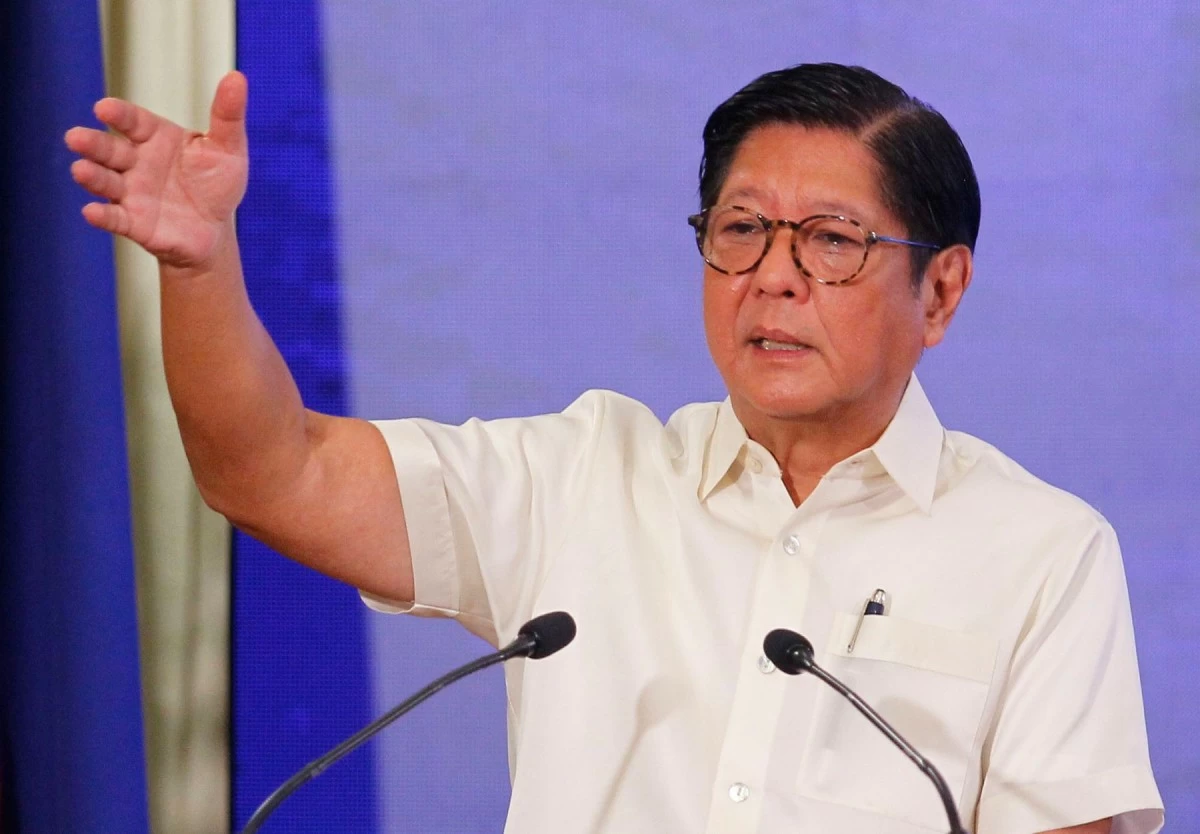
President Ferdinand R. Marcos Jr. (Mark Balmores)
President Marcos will meet with the Development Budget Coordination Committee (DBCC) on Tuesday, April 7, to discuss the recommendation on the possible suspension of excise taxes on petroleum products.
Palace Press Officer and Communications Undersecretary Claire Castro disclosed this in a Palace press briefing on Monday, April 6.
She said the DBCC will submit its recommendation for the President's approval.
Castro also said that Marcos may decide on fuel tax suspension after the meeting "if he finds them appropriate."
"Isa-submit po kasi ang recommendations, so malamang mayroon po kung makikita po niya na tama ang rekomendasyon at naaayon at para sa bayan at para sa bansa natin, ito naman po ay mabilisang aaprubahan ng Pangulo (The recommendations will be submitted, and if he finds them appropriate, aligned, and beneficial for our people and our country, the President will likely approve them promptly)," Castro said.
According to the Palace official, the DBCC met during Holy Week to discuss and assess the implications of rising global oil prices and evaluated possible policy responses, including measures on fuel excise taxes.
"Nag-formulate na po sila ng kanilang rekomendasyon at magkakaroon po sila ng meeting tomorrow with the President para i-submit po itong recommendations na ito for his approval (They have already formulated their recommendations and will meet with the President tomorrow to submit these for his approval)," Castro said.
Marcos has yet to decide whether to use his emergency powers to suspend or reduce the fuel excise tax, citing constant changes in oil prices.
On March 25, the Chief Executive signed Republic Act (RA) No. 12316, a law that authorizes him to suspend the imposition of or reduce the excise taxes on fuel when the average Dubai crude oil price based on Mean of Platts Singapore (MOPS) reaches or exceeds $80 per barrel for one month immediately preceding the issuance of the suspension or reduction order.
The law, however, will only take effect 15 days after its publication.
On the proposal to repeal the Oil Deregulation Law, Castro said the President cannot certify the bill as urgent if Congress has yet to submit their proposals.
"Hindi po naman agad nagkakaroon ng pag-certify as urgent ang isang bill kung hindi pa naman po nila naisusumite ang kanilang version sa Pangulo (A bill cannot be immediately certified as urgent if they have not yet submitted their version to the President)," Castro said during the briefing.
She also said that there is no information yet regarding the Senate’s version of the bill.
"Wala pa pong ibinibigay sa atin na detalye patungkol po diyan. Siguro po kapag mayroon na, agad naman pong kikilos ang ating Pangulo (No details have been provided to us yet regarding that. Perhaps once there are, the President will act promptly)," Castro said.