

ADVERTISEMENT

'Pang-runway na': No more short-term patchwork repairs for DPWH

Published Apr 6, 2026 10:21 am
As motorists drive back to Metro Manila on Monday, March 6, Department of Public Works and Highways (DPWH) Secretary Vince Dizon is doing away with short-term patchwork repairs to address recurring complaints over roads that deteriorate shortly after repairs.
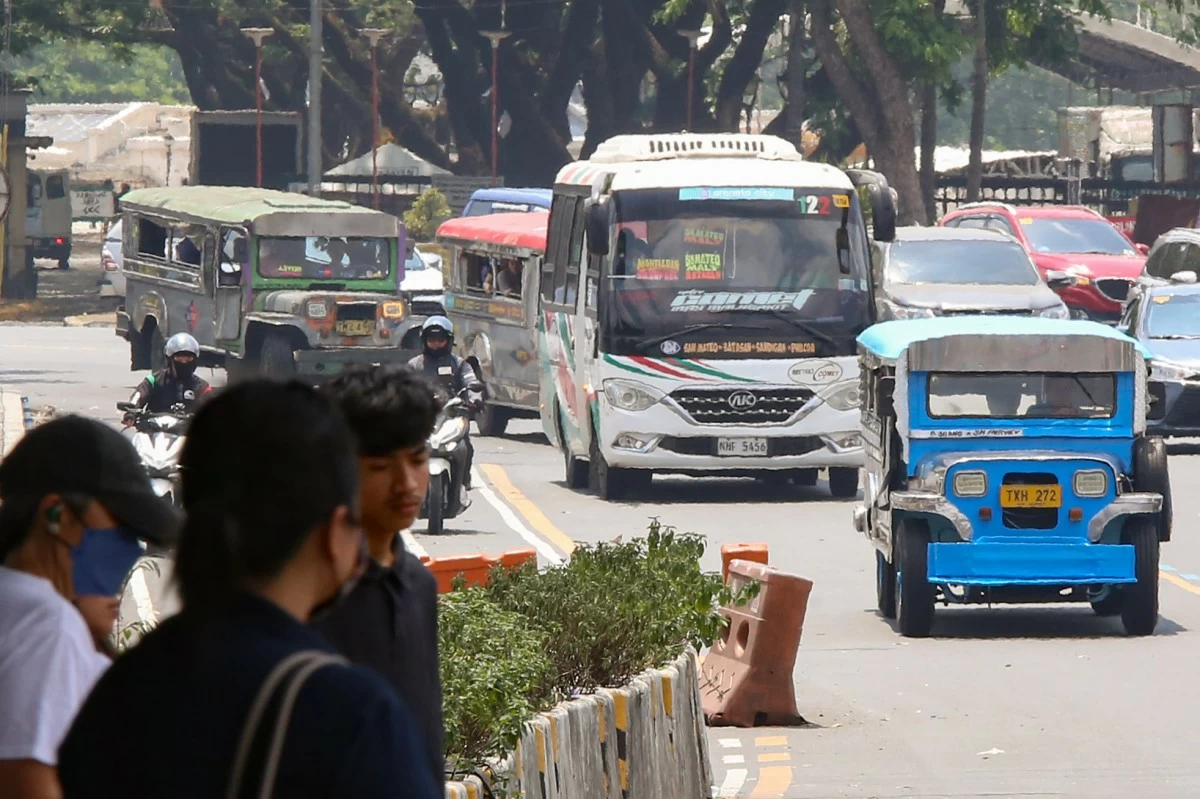
(MB file photo/Santi San Juan)
Dizon said this in a radio interview on DZRH, as he inspected the southbound flyover at the EDSA Magallanes Interchange, which has been reopened to motorists following Holy Week repair works, with the agency moving forward with the next phase of the EDSA rehabilitation.
The DPWH chief disclosed that the asphalt now being used is similar to materials applied on airport runways, making it more durable than those previously used in roadworks.
“Mas matibay po ‘yan (That's more durable),” Dizon said, noting that the material contains larger stone components and is designed for heavier use. However, he emphasized that proper maintenance remains essential, admitting that past government roadworks suffered from poor upkeep.
The DPWH chief said the agency is moving away from the practice of repeated patchwork repairs that often fail within months, especially during the rainy season.
Dizon also identified poor drainage systems as a major cause of road deterioration, citing sections of Maharlika Highway, particularly in the Bicol region, including Andaya Highway, where flooding has led to repeated damage and repairs.
He said upcoming full rehabilitation projects will include drainage improvements to prevent water from weakening the asphalt.
He also stated that contractors will be required to honor a five-year warranty, ensuring that defects will be repaired at no additional cost to the government. He acknowledged that such warranties were not consistently enforced in the past, resulting in roads deteriorating after just one rainy season.
Dizon added that the DPWH aims to improve repair quality by adopting more meticulous methods similar to those used in countries such as Japan, South Korea, and Taiwan, where road surfaces remain smooth even after maintenance work. Despite the use of more advanced materials, the DPWH said the revised rehabilitation plan significantly reduced costs. The original budget for the EDSA rehabilitation was pegged at P17 billion with a projected completion time of two and a half years, but this has been cut to less than P6 billion.
Dizon explained that construction is currently limited to nighttime work—from 10 p.m. to 4 a.m.—to minimize traffic disruption. Based on progress in the initial phase, Dizon said the full rehabilitation of EDSA could be completed by next year, although work may slow down during the rainy season.
Meanwhile, the DPWH is set to begin Phase 2 of the project, which will cover the stretch from Orense to Monumento.
The public can expect similar improvements in road conditions, Dizon said, noting that newly rehabilitated sections of EDSA are now smoother and free of potholes, helping improve traffic flow and reduce fuel consumption.
“Kapag mas maayos ang daloy ng trapiko at hindi lubak-lubak, nakakatipid din sa konsumo (When traffic flows more smoothly and the roads aren’t full of potholes, fuel consumption is reduced),” he said in a separate interview on DZBB.
Construction for Phase 2 will follow the same schedule, with works conducted from 10 p.m. to 4 a.m. on regular days to minimize disruption. However, the DPWH said it will implement 24/7 operations during holidays to speed up progress.

Related Tags

Department of Public Works and Highways (DPWH) Vince Dizon EDSA EDSA rehabilitation
ADVERTISEMENT
.most-popular .layout-ratio{ padding-bottom: 79.13%; } @media (min-width: 768px) and (max-width: 1024px) { .widget-title { font-size: 15px !important; } }

{{ articles_filter_1561_widget.title }}

.most-popular .layout-ratio{ padding-bottom: 79.13%; } @media (min-width: 768px) and (max-width: 1024px) { .widget-title { font-size: 15px !important; } }

{{ articles_filter_1562_widget.title }}

.most-popular .layout-ratio{ padding-bottom: 79.13%; } @media (min-width: 768px) and (max-width: 1024px) { .widget-title { font-size: 15px !important; } }

{{ articles_filter_1563_widget.title }}

{{ articles_filter_1564_widget.title }}

.mb-article-details { position: relative; } .mb-article-details .article-body-preview, .mb-article-details .article-body-summary{ font-size: 17px; line-height: 30px; font-family: "Libre Caslon Text", serif; color: #000; } .mb-article-details .article-body-preview iframe , .mb-article-details .article-body-summary iframe{ width: 100%; margin: auto; } .read-more-background { background: linear-gradient(180deg, color(display-p3 1.000 1.000 1.000 / 0) 13.75%, color(display-p3 1.000 1.000 1.000 / 0.8) 30.79%, color(display-p3 1.000 1.000 1.000) 72.5%); position: absolute; height: 200px; width: 100%; bottom: 0; display: flex; justify-content: center; align-items: center; padding: 0; } .read-more-background a{ color: #000; } .read-more-btn { padding: 17px 45px; font-family: Inter; font-weight: 700; font-size: 18px; line-height: 16px; text-align: center; vertical-align: middle; border: 1px solid black; background-color: white; } .hidden { display: none; }
function initializeAllSwipers() { // Get all hidden inputs with cms_article_id document.querySelectorAll('[id^="cms_article_id_"]').forEach(function (input) { const cmsArticleId = input.value; const articleSelector = '#article-' + cmsArticleId + ' .body_images'; const swiperElement = document.querySelector(articleSelector); if (swiperElement && !swiperElement.classList.contains('swiper-initialized')) { new Swiper(articleSelector, { loop: true, pagination: false, navigation: { nextEl: '#article-' + cmsArticleId + ' .swiper-button-next', prevEl: '#article-' + cmsArticleId + ' .swiper-button-prev', }, }); } }); } setTimeout(initializeAllSwipers, 3000); const intersectionObserver = new IntersectionObserver( (entries) => { entries.forEach((entry) => { if (entry.isIntersecting) { const newUrl = entry.target.getAttribute("data-url"); if (newUrl) { history.pushState(null, null, newUrl); let article = entry.target; // Extract metadata const author = article.querySelector('.author-section').textContent.replace('By', '').trim(); const section = article.querySelector('.section-info ').textContent.replace(' ', ' '); const title = article.querySelector('.article-title h1').textContent; // Parse URL for Chartbeat path format const parsedUrl = new URL(newUrl, window.location.origin); const cleanUrl = parsedUrl.host + parsedUrl.pathname; // Update Chartbeat configuration if (typeof window._sf_async_config !== 'undefined') { window._sf_async_config.path = cleanUrl; window._sf_async_config.sections = section; window._sf_async_config.authors = author; } // Track virtual page view with Chartbeat if (typeof pSUPERFLY !== 'undefined' && typeof pSUPERFLY.virtualPage === 'function') { try { pSUPERFLY.virtualPage({ path: cleanUrl, title: title, sections: section, authors: author }); } catch (error) { console.error('ping error', error); } } // Optional: Update document title if (title && title !== document.title) { document.title = title; } } } }); }, { threshold: 0.1 } ); function showArticleBody(button) { const article = button.closest("article"); const summary = article.querySelector(".article-body-summary"); const body = article.querySelector(".article-body-preview"); const readMoreSection = article.querySelector(".read-more-background"); // Hide summary and read-more section summary.style.display = "none"; readMoreSection.style.display = "none"; // Show the full article body body.classList.remove("hidden"); } document.addEventListener("DOMContentLoaded", () => { let loadCount = 0; // Track how many times articles are loaded const offset = [1, 2, 3, 4, 5, 6, 7, 8, 9, 10]; // Offset values const currentUrl = window.location.pathname.substring(1); let isLoading = false; // Prevent multiple calls if (!currentUrl) { console.log("Current URL is invalid."); return; } const sentinel = document.getElementById("load-more-sentinel"); if (!sentinel) { console.log("Sentinel element not found."); return; } function isSentinelVisible() { const rect = sentinel.getBoundingClientRect(); return ( rect.top < window.innerHeight && rect.bottom >= 0 ); } function onScroll() { if (isLoading) return; if (isSentinelVisible()) { if (loadCount >= offset.length) { console.log("Maximum load attempts reached."); window.removeEventListener("scroll", onScroll); return; } isLoading = true; const currentOffset = offset[loadCount]; window.loadMoreItems().then(() => { let article = document.querySelector('#widget_1690 > div:nth-last-of-type(2) article'); intersectionObserver.observe(article) loadCount++; }).catch(error => { console.error("Error loading more items:", error); }).finally(() => { isLoading = false; }); } } window.addEventListener("scroll", onScroll); });

Sign up by email to receive news.