







Diesel to breach ₱170 per liter on Tuesday


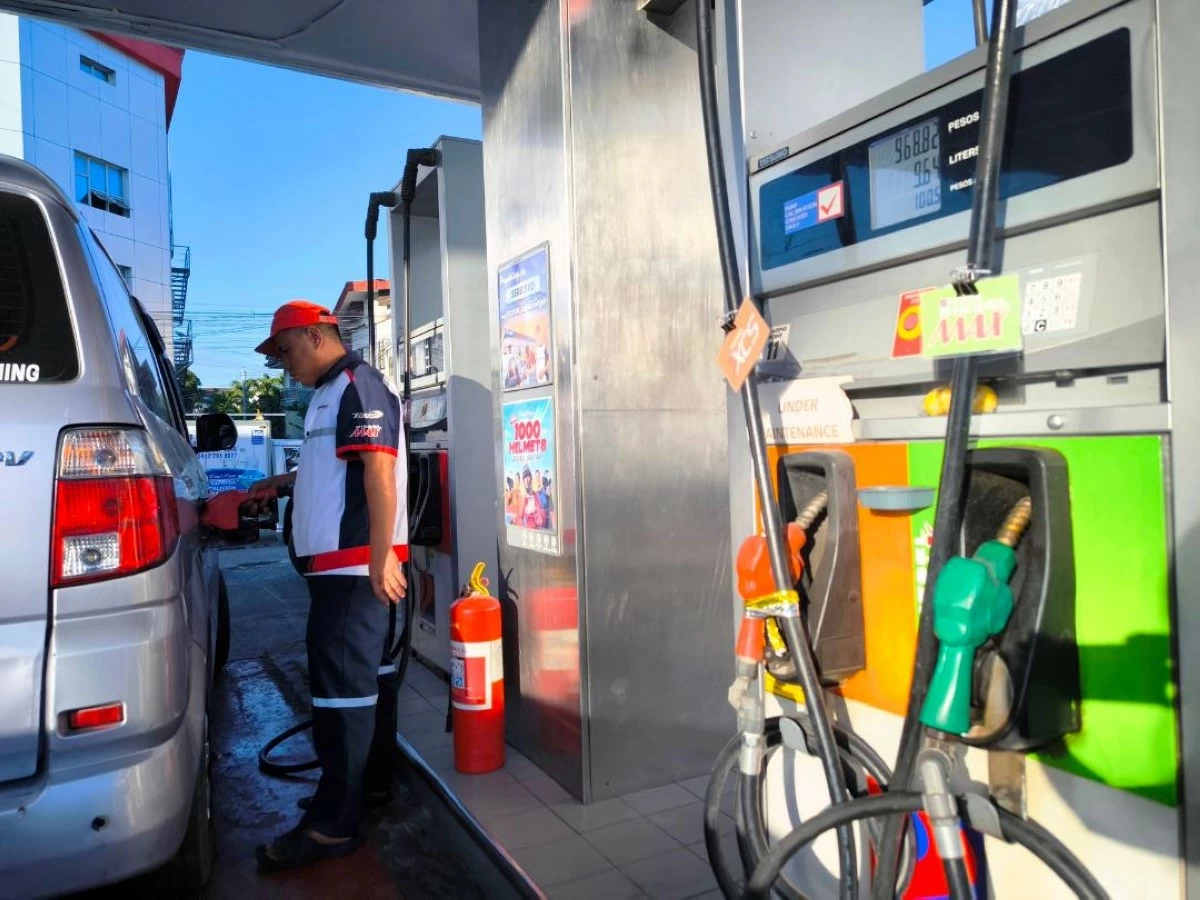
Fuel price pain continues after the Holy Week, with diesel nearing a ₱20-per-liter increase and gasoline resuming its upward adjustment despite remaining unchanged last week.
Effective Tuesday, April 7, Shell Pilipinas announced that diesel prices will rise by ₱19.80 per liter, gasoline by ₱5.90 per liter, and kerosene by ₱9.10 per liter.
For diesel users, particularly in the transport sector, pump prices are expected to range from ₱148.70 to ₱170.10 per liter. Gasoline users will see prices between ₱87.90 and ₱119.90 per liter, while kerosene prices are set to adjust to ₱158.99 to ₱177.10 per liter.
Analysts earlier attributed the increases to tighter diesel and gasoline supply, citing renewed concerns over potential disruptions.
“Any serious talks with Iran could de-escalate the tensions and bring some relief to prices. However, until the Strait of Hormuz is reopened, supply will continue to remain tight and prices supported,” the source said.
To address this, Department of Energy (DOE) Secretary Sharon Garin recently said the country is taking measures to reduce the risk of supply disruption, including securing a preferential safe passage arrangement through the Strait of Hormuz. While this does not eliminate the risk of high prices being passed onto motorists, Garin emphasized that Philippine cargo will be able to safely traverse amid ongoing geopolitical tensions.
“What this does is help ensure continuity of supply and stability, especially at a time when further disruptions could significantly affect our economy and our people,” the DOE chief said in a statement.
“Even if much of our fuel is sourced from regional hubs like Singapore or South Korea, the crude oil these come from often passes through the Strait of Hormuz. Any disruption there creates a domino effect that impacts global supply—and ultimately, prices at the pump,” Garin elaborated.
The DOE has also issued guidelines for retail station monitoring and inspection as part of its efforts to maintain normal operations through fair pricing and fuel distribution. On-the-ground monitoring of fuel activities will be conducted by the DOE, alongside local government units (LGUs), the Philippine National Police (PNP), the National Electrification Administration (NEA), and state-run National Power Corp. (NPC).
These inspections are designed to track fuel inventory levels, daily sales, dispensing, verification of bulk purchases, and other critical aspects of oil retailer operations.