







Building peace with local champions
Published Apr 6, 2026 12:05 am
|
Updated Apr 5, 2026 03:39 pm


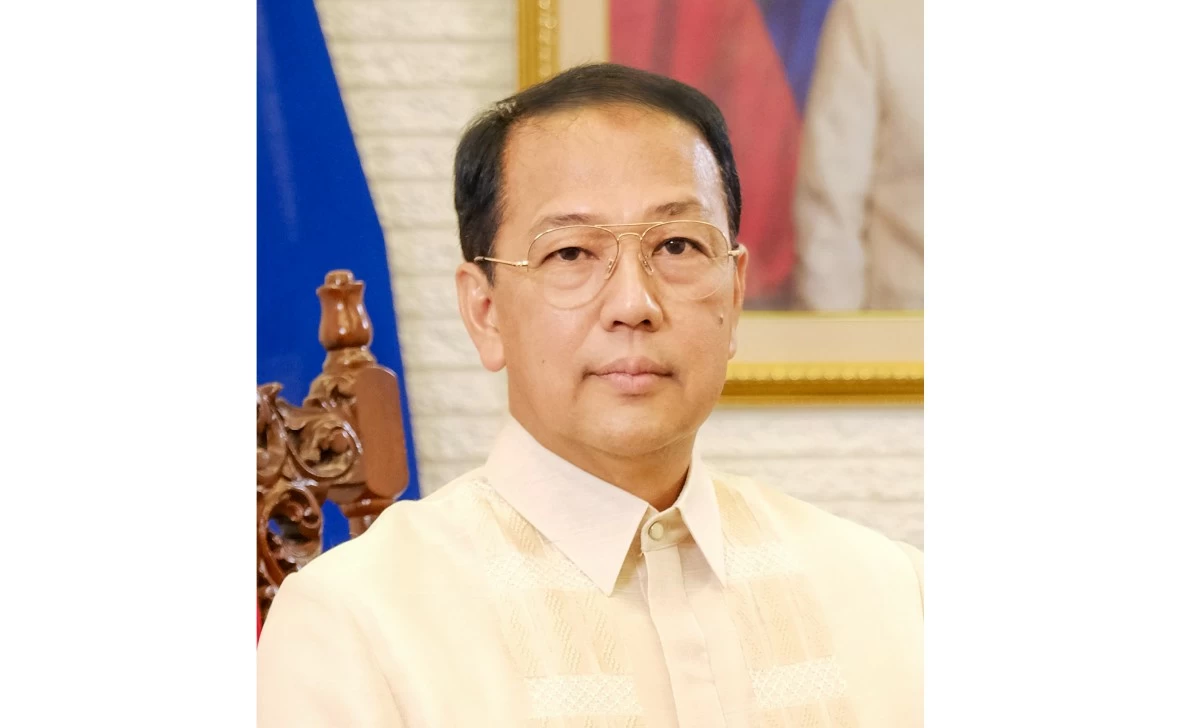
PEACE BY PEACE
As I stood before a hundred local chief executives from across the country last week, I felt a deep sense of pride and joy. I knew that these were leaders who, each and every day, have been working in the most difficult and challenging of conditions.
This, for me, is what genuine peacebuilding means. It is not only carried out in negotiating tables or forged in air-conditioned conference rooms. It is felt in the very heart of communities and carried forward by local leaders who understand the needs of the people they serve.
This is the reason the Office of the Presidential Adviser on Peace, Reconciliation and Unity’s Payapa at Masaganang Pamayanan (PAMANA) Program has always been at the heart of the Marcos Jr. administration’s peace and development agenda.
The PAMANA Program is the national government’s flagship convergence program that is specifically designed to address the root causes of armed conflict — poverty, isolation, and the people’s lack of access to essential services.
But more than achieving this main objective, PAMANA acts as a bridge, translating national policy into immediate, concrete action. It turns the government’s commitments into tangible infrastructure and socioeconomic projects that aim to uplift the lives of residents.
Last March 26, the OPAPRU took a major step forward with the signing of a Memorandum of Agreement (MOA) with more than a hundred LGUs, allocating ₱5 billion in PAMANA Fiscal Year 2026 funds to build more than 150 infrastructure projects nationwide.
These projects include farm-to-market roads, water systems, housing units, community centers, and agricultural support facilities, among others. These are more than structures made of steel and cement. For our partner communities, their impact is far more profound.
They are roads that will enable farmers to bring their produce to markets faster and without delay, communal water systems that will help ensure the health of families, and community centers where people can gather to discuss local issues or plan livelihood projects.
And at the core of these projects are the LGUs. They are the first to respond in times of crisis, and the first to mediate when disputes arise. This is because they understand the pressing concerns facing their communities and know the best way to address them.
Working side by side with these local leaders has been one of the most meaningful aspects of my work as a civil servant. I have been inspired by their unwavering commitment to improve the well-being of their people and turn their communities into thriving centers of growth.
The MOAs we signed with LGUs do not only outline our roles and responsibilities. They are symbols of trust and represent our collective promise that every peso entrusted to them will be used efficiently, transparently, and for the benefit of the people.
Through our PAMANA Program, we are creating a larger movement together with our LGUs to realize our collective goal — transforming marginalized, conflict-vulnerable communities into show windows of peace and development.
In places where fear and instability once cast a long shadow, we now see children returning to school, farmers tilling their farmlands, and families rebuilding their lives. We see communities bustling with economic activity and rediscovering a sense of hope.
We want these areas to stand as a testament that long-lasting peace is no longer an aspiration but is now within reach. And with sufficient support, able leadership, and strong partnerships, even the most hard-pressed communities have the opportunity to thrive.
The ₱5 billion in PAMANA funds we turned over to our LGUs is not only meant to build infrastructure. Most importantly, it is an investment in restoring dignity and ensuring that no Filipino should be left behind in the peacebuilding and development process.
This is the reason why the OPAPRU will be ramping up the implementation of PAMANA projects in the Bangsamoro Autonomous Region in Muslim Mindanao (BARMM) in the next two years to ensure that the dividends of peace and development will be felt by the region’s people and uplift their socioeconomic conditions.
Senator Loren Legarda, who was the event’s guest of honor and keynote speaker, shared that peacebuilding has been her lifelong mission since she started her outstanding career as a journalist and public servant.
Drawing from her own experience as a mediator even before joining the government, she emphasized that true peace is achieved not through force, but through sustained development interventions and compassion for the people who have long been left behind.
“We did not agree to ransom. Instead, we committed to bring development assistance to the communities long deprived of basic services,” she declared.
The senator expressed her full support for the PAMANA Program, emphasizing that investing in people is as important as building infrastructure, and that every peso spent must return to the people a thousandfold.
“Rest assured that while I am in the Senate, in the next two years, and after my term, I will support PAMANA and the peace and security aspect of government,” she pledged.
Equally powerful were the voices of our local chief executives, whose stories reflected the significant impact of the PAMANA Program on the ground. Communities once gripped by fear are now experiencing renewed hope and transformation.
These leaders see PAMANA not merely as a government initiative, but as a lifeline that restores dignity, strengthens communities, and proves that with the right support, peace and development can truly take root and flourish.
As I reflect on our nation’s peace journey, I am reminded that our LGUs are not just partners. They are champions who turn vision into reality, ensure that programs reach last-mile communities, and stand with their people through the toughest of times.
Because in the end, the true measure of our work is not in the projects we complete, but in the lives we transform. And that is a legacy we hope to leave behind for the generations to come through PAMANA.
(Secretary Carlito G. Galvez, Jr. is the presidential adviser on peace, reconciliation, and unity.)