






 Philippines
National
'Bayanihan 3' bill proposing temporary oil regulation filed in Senate
Philippines
National
'Bayanihan 3' bill proposing temporary oil regulation filed in Senate
'Bayanihan 3' bill proposing temporary oil regulation filed in Senate


At A Glance
- A bill seeking to institutionalize the government's response to the energy crisis has been filed in the Senate.
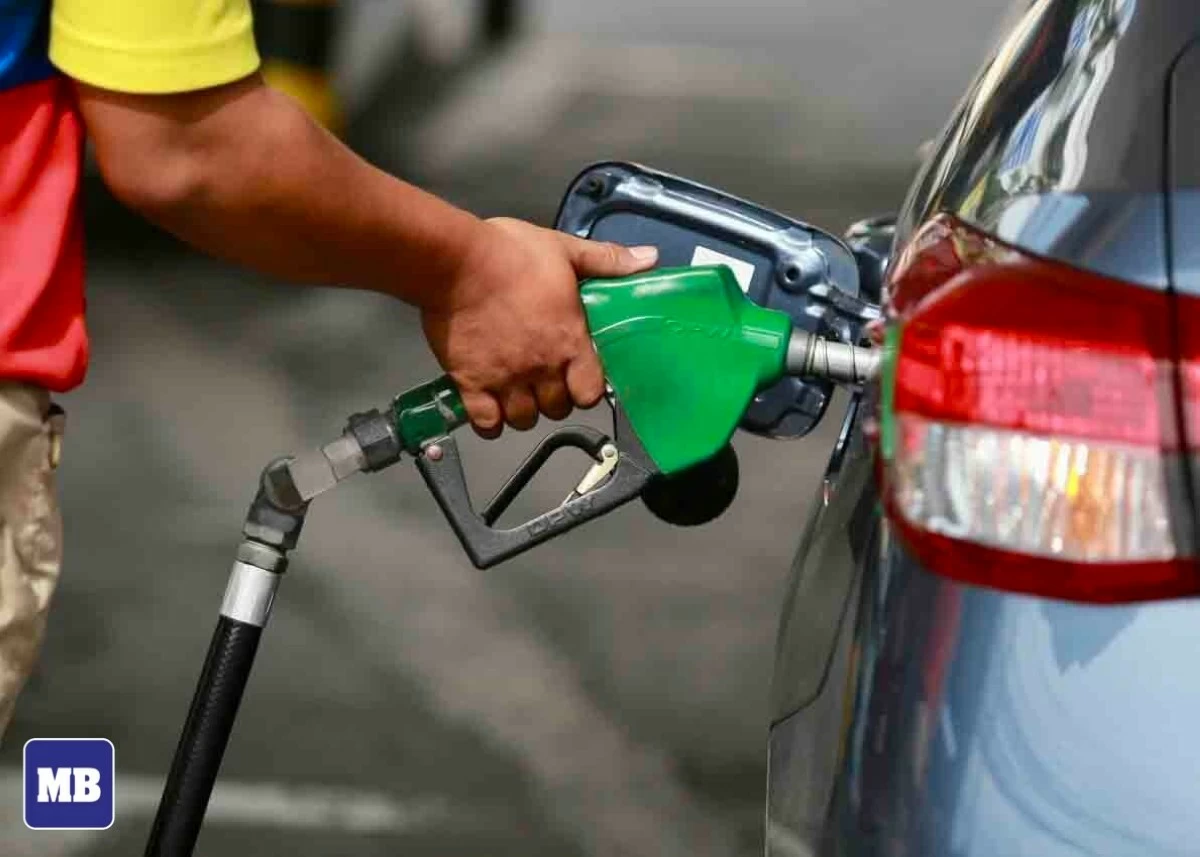
A bill seeking to institutionalize the government’s response to the energy crisis has been filed in the Senate.
Senate Bill No. 2020, which Sen. Loren Legarda has filed, seeks to recognize the existence of a national emergency arising from the 2026 global oil crisis that stemmed from the “geopolitical hostilities in West Asia and the Middle East.”
SB No. 2020 proposes the adoption of a national policy for a whole-of-government response to ensure energy security, food stability and economic resilience for the whole country, by authorizing the President, for a limited period and subject to restrictions, to exercise the necessary and proper emergency powers to address the oil crisis.
“As of March 2026, the effective closure of the Strait of Hormuz—a maritime chokepoint responsible for approximately 20 percent of the world’s petroleum and liquefied natural gas (LNG) transit—has fundamentally destabilized the global energy landscape,” Legarda said in the explanatory note of the bill.
“These localized conflicts have transcended regional borders, transforming into a global security threat that targets critical energy infrastructure and international shipping lanes. The immediate consequence of these disruptions has been a violent surge in the international oil benchmarks,” she pointed out.
Legarda pointed out that this “energy shock” unfortunately, accelerated into a profound socio-economic crisis across the archipelago and the surge in fuel costs has created a domino effect, driving up the cost of logistics, transportation and agricultural production especially in the Philippines.
“Consequently, the prices of basic commodities and food have reached levels that threaten the food security of millions. The burden is heaviest on the ‘silent casualties’ of this crisis: public utility drivers whose daily take-home pay has been decimated, farmers and fisherfolk unable to afford fuel for their machinery, and minimum-wage earners whose purchasing power has eroded by an estimated 18 to 25 percent,” she lamented.
“In this context, the high cost of fuel is a direct barrier to the basic human right to an adequate standard of living,” she stressed.
Moreover, Legarda said the current energy crisis now representas a “fundamental threat to National Security and the Philippines’ Strategic Autonomy” as the volatility of the conflict in the Persian Gulf “has become a barrier for the nation’s defense and emergency services.”
The astronomical rise in fuel costs directly undermines the operational readiness of the Armed Forces of the Philippines (AFP) and the Philippine Coast Guard (PCG)
by compromising their ability to conduct maritime patrols, internal security operations, and humanitarian assistance.
“Beyond logistics, history demonstrates that prolonged energy deprivation often serves a sa catalyst for civil unrest,” she warned.
“By granting the President emergency powers to stabilize fuel prices, the State si preemptively defending against the weaponization of scarcity and ensuring that critical infrastructure—from the national power grid to telecommunications—remains resilient against a fracturing global order,” Legarda said.
“This bil seeks to establish a responsive and robust safeguard for our citizens by granting the President targeted emergency powers which are designed not only to address the immediate impacts of the crisis, but to do so ni a precise, coordinated, and strategic manner,” she further said.
By providing clear mechanisms for timely intervention, she said SB No. 2020 enables the Executive department to respond decisively to evolving conditions and stabilize critical sectors affected by the crisis.
She further said, the proposal would be a good opportunity to also strengthen the nation’s economic and institutional resilience, as it goes beyond short-term relief and introduces interventions for longer-term reforms.
“Ultimately, the passage of this measure becomes a moral imperative, ensuring that the weight of a global crisis does not fall most heavily on those least equipped to overcome it.
In view of the foregoing, the immediate passage of this bil is earnestly sought,” the bill stated.